
How Bangalore, Mumbai, and NCR Realtors Are Using AI to Pre-Qualify Serious Buyers (and Stop Wasting Time on Site Visits)
The Time Drain Nobody Talks About
Ask any realtor in Bangalore, Mumbai, or NCR what drains their time the most, and the answer is rarely paperwork or negotiation. It is site visits that go nowhere.
A buyer asks for a visit, arrives late, walks around politely, asks basic questions, and never follows up. After a few such days, energy drops and calendars fill without results.
This is not a problem of demand. It is a problem of qualification.
AI for Real Estate is quietly changing how serious buyers are identified before anyone steps into a lift lobby or sample flat.
Why Site Visits Fail Before They Begin
Indian property buyers often enquire early. Some are browsing. Some are checking prices for future plans. Others are simply comparing locations.
Realtors usually learn this only after spending hours on calls and travel.
The core issue is missing context. Budget range, timeline, financing readiness, and family decision status are often unknown. Without these signals, every enquiry looks equal.
AI-driven pre-qualification restores balance by sorting intent before effort.
Pre-Qualification Without Interrogation
Buyers resist long forms and aggressive questioning. AI systems avoid this by learning from behavior instead of forcing answers.
Page visits, listing views, call duration, follow-up questions, and response time all signal seriousness. These signals are subtle but reliable.
AI for Real Estate observes these patterns and assigns readiness scores quietly. Realtors receive clarity without turning conversations into interviews.
How Conversations Become Filters
WhatsApp and phone calls remain central in Indian real estate. AI does not replace them. It listens alongside them.
Automated systems tag conversations based on keywords, tone, and sequence. A buyer discussing possession dates behaves differently from one asking only for photos.
This allows teams to prioritize leads naturally.
This approach reflects Product Siddha’s work in building structured lead engines where intent mattered more than volume. Discipline at the top of the funnel protects time at the bottom.
Reducing Travel Without Reducing Trust
Many realtors fear that automation will distance them from buyers. In practice, the opposite happens.
When site visits are limited to serious prospects, conversations deepen. Realtors arrive prepared. Buyers feel respected.
AI for Real Estate reduces unnecessary travel while improving the quality of face-to-face meetings.
Voice Intelligence and Buyer Readiness
Calls reveal intent faster than text. Tone, clarity, and hesitation matter.
One relevant example comes from Product Siddha’s work on voice AI automation for a real estate platform. Incoming calls were analyzed for intent and routed accordingly, moving serious buyers faster toward site visits while filtering casual enquiries.
In high-volume markets like NCR and Mumbai, this distinction saves days each week.
Local Market Nuances Matter
Bangalore buyers often compare tech corridor pricing. Mumbai buyers weigh carpet area against location. NCR buyers focus on delivery timelines and approvals.
AI systems trained on local behavior recognize these differences. Qualification rules adapt by region.
This local sensitivity separates useful automation from generic tools.
Fewer Visits, Higher Conversion
When buyers are pre-qualified, site visits become decisive moments rather than exploratory walks.
Realtors report fewer cancellations, shorter sales cycles, and better follow-through after visits. Energy shifts from chasing to closing.
AI for Real Estate does not create demand. It protects attention.
Teams Work With Less Friction
Sales teams often disagree about lead quality. One person believes enquiries are weak. Another insists follow-ups were missed. These arguments rarely produce clarity.
Automation settles this quietly.
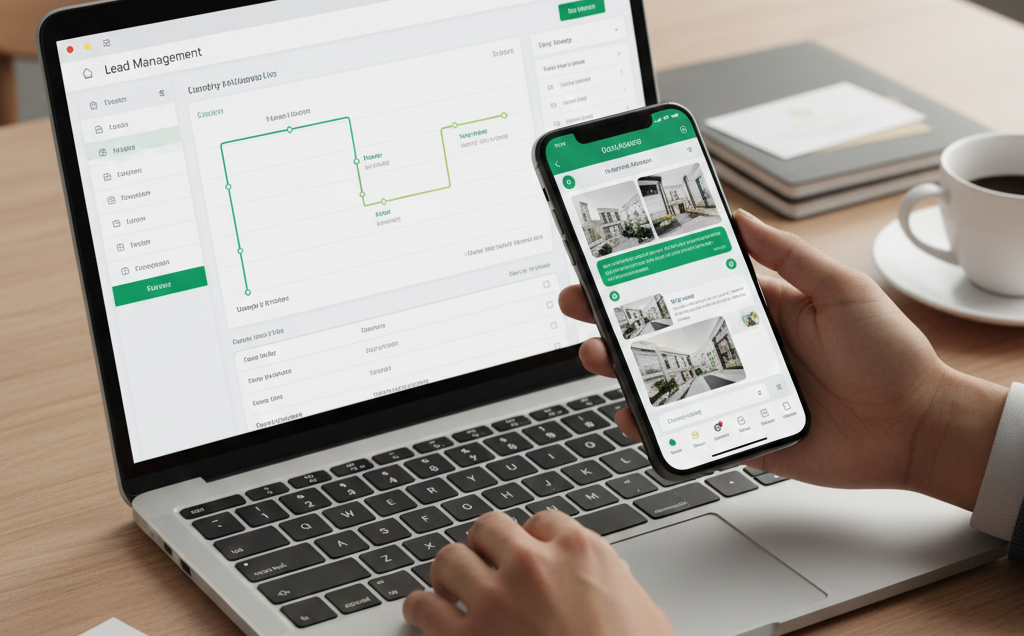
Each lead arrives with context attached. Source, time, response history, and buyer intent are recorded without interpretation. Site visits are logged with reasons, not assumptions. Conversations are easier because facts replace recollection.
Managers no longer need to mediate opinions. They review patterns. Which sources convert. Which time windows perform better. Which agents close after fewer visits. Discussions shift from blame to improvement.
This kind of visibility changes team behavior. Salespeople stop defending actions and start adjusting them. Coordination improves because everyone works from the same view of reality.
Product Siddha’s dashboard-by-stage work across complex platforms followed the same principle. When progress became visible step by step, internal friction dropped. Teams aligned naturally because there was nothing left to argue about. In real estate, where margins depend on timing and trust, this clarity matters more than motivation speeches or daily check-ins.
What Changes First When AI Is Introduced
The first change is not technology. It is mindset.
Realtors often equate movement with progress. More calls. More visits. More messages. Automation interrupts that habit gently.
When fewer site visits appear on the calendar, discomfort sets in. It feels like slowing down. Then something unexpected happens. Closures improve.
Serious buyers rise to the surface earlier. Time is no longer spent escorting uncertain prospects across the city. Energy returns to negotiation, thoughtful follow-ups, and building confidence with buyers who are ready.
Trust grows because attention is no longer divided. Conversations improve because preparation replaces improvisation. Realtors regain control over their schedules and their judgment.
Automation does not make decisions for agents. It clears the noise so decisions matter again.
Over time, productivity feels calmer. Fewer actions produce stronger outcomes. That is usually when teams realize the system is working.
Traditional vs AI-Qualified Site Visits
| Area | Traditional Approach | AI-Qualified Approach |
|---|---|---|
| Lead Filtering | Manual judgment | Behavior-based |
| Site Visits | High volume | Intent-driven |
| Travel Time | Heavy | Reduced |
| Buyer Readiness | Unclear | Visible |
| Closing Rate | Inconsistent | Improved |
The Quiet Advantage
AI for Real Estate does not announce itself loudly in Bangalore, Mumbai, or NCR. It works quietly in the background, protecting time and sharpening focus.
Realtors who adopt it stop chasing interest and start working with intent.
That shift changes everything.
The advantage compounds over time. Agents begin to recognize patterns earlier, often before the buyer is aware of them. Follow-ups feel timely instead of rushed. Conversations move forward without pressure because the groundwork is already done. This steadiness builds confidence on both sides of the table.
What looks subtle from the outside becomes decisive in practice. Fewer distractions lead to better judgment. Better judgment leads to trust. In markets where speed is often mistaken for skill, this calm precision sets serious professionals apart.