
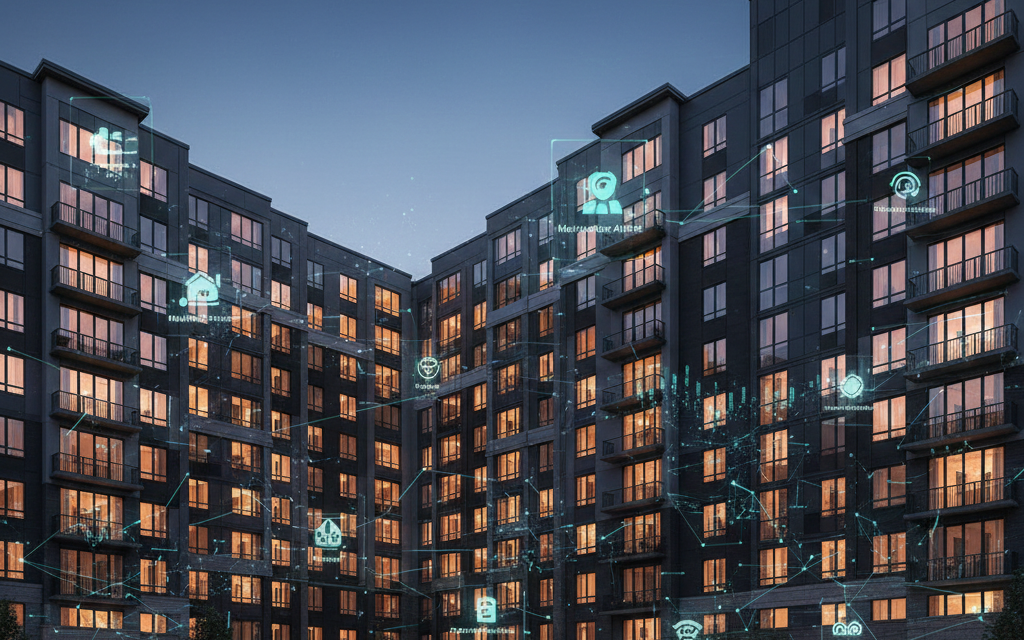
The Rise of Self-Managing Properties: Powered by AI Automation
A Quiet Change in Property Operations
Property management rarely attracts attention unless something breaks down. A delayed response, a missed payment, or a vacant unit brings problems into view. What has changed over the past few years is not tenant behavior, but how properties are run behind the scenes. Self-managing properties are becoming more common, supported by steady advances in AI Automation.
This shift is not about removing people from the process. It is about reducing friction in daily operations. Routine decisions are handled by systems. Repetitive tasks are resolved without manual effort. Property teams spend less time reacting and more time overseeing outcomes.
By 2026, AI Automation is no longer be experimental in real estate operations. It is becoming a practical layer that supports leasing, maintenance, communication, and reporting.
What Self-Managing Really Means
A self-managing property does not operate without oversight. It operates with fewer manual dependencies. Tasks that once required constant supervision now follow predefined rules and data signals.
Examples include automated rent reminders, maintenance ticket prioritization, occupancy tracking, and tenant communication flows. These systems respond to inputs and trigger actions consistently.
AI Automation plays a central role by learning from patterns. It identifies recurring issues, predicts demand, and adjusts workflows accordingly. The result is not perfection, but stability.
Why Property Owners Are Adopting Automation
The pressure on property owners has increased. Margins are tight. Tenant expectations are higher. Compliance requirements are stricter. Managing scale with traditional methods is difficult.
AI Automation offers relief in three practical areas. Cost control, response time, and visibility. When systems handle routine work, staffing needs stabilize. When responses are immediate, tenant satisfaction improves. When data is centralized, decision-making becomes clearer.
These outcomes drive adoption more than technology trends.
Leasing and Tenant Communication
Leasing is one of the first areas where automation delivers value. Enquiries arrive at all hours. Manual follow-up introduces delay and inconsistency.
Automated systems respond instantly. They share availability, schedule visits, and collect preliminary information. Human involvement begins when interest is confirmed.
This approach mirrors lessons from From Lead to Site Visit – Voice AI Automation for a Real Estate Platform, where early-stage interactions were handled automatically. The same principle applies to rental and commercial properties. Early engagement sets expectations and filters intent.
Maintenance Without the Chaos
Maintenance requests consume time and attention. Traditional systems rely on manual logging and prioritization. This leads to delays and miscommunication.
With AI Automation, maintenance tickets are categorized automatically. Urgent issues surface immediately. Routine tasks are grouped and scheduled efficiently. Historical data helps predict recurring problems.
Property teams gain control without micromanaging. Tenants experience faster resolution. Over time, maintenance costs stabilize because problems are addressed before escalation.
Financial Operations and Reporting
Rent collection, expense tracking, and reporting are essential but time-consuming. Errors create disputes and erode trust.
Automation introduces consistency. Payments are tracked in real time. Reminders are sent automatically. Reports are generated without manual reconciliation.
Product Siddha’s experience in Built Custom Dashboards by Stage reflects the importance of clear visibility. When financial data is structured and accessible, owners make informed decisions faster. This clarity reduces surprises and improves planning.
Learning From Non-Real Estate Use Cases
Some of the strongest lessons in automation come from outside property management. AI Automation Services for a French Rental Agency MSC-IMMO demonstrated how operational workflows could be simplified through rule-based systems and predictive insights. While regional models differ, the operational logic transfers well.
Similarly, Product Analytics and Full-Funnel Attribution for a SaaS Coaching Platform shows how tracking user behavior improves outcomes. In property management, tenant behavior offers similar signals. Payment patterns, service requests, and renewal timing all inform better decisions.
Scaling Without Losing Control
Growth exposes weaknesses. As property portfolios expand, manual oversight becomes fragile. Automation creates consistency across locations and teams.
Self-managing systems ensure that standards remain intact as volume increases. This consistency protects brand reputation and operational quality.
In Product Management for UAE’s First Lifestyle Services Marketplace, structured systems supported scale without chaos. Property management faces the same challenge. AI Automation offers a way to grow without sacrificing control.
Human Roles in an Automated Environment
Automation does not remove the need for people. It changes their focus. Property managers shift from task execution to exception handling. Their expertise is applied where judgment matters.
Tenants still want human contact when issues are complex. Automation ensures that human time is available when it is needed most.
This balance improves morale and service quality.
Risks and Realistic Expectations
Automation is not a cure-all. Poor configuration leads to frustration. Over-automation can feel impersonal. Systems require oversight and periodic adjustment.
Successful adoption begins with process clarity. AI Automation amplifies existing practices. If those practices are flawed, automation exposes the flaws faster.
Product Siddha approaches automation projects by addressing workflows before tools. This discipline protects long-term value.
Where the Trend Is Heading
Self-managing properties are gaining ground because they solve real problems. The trend is steady, not sudden. Adoption grows as results become visible.
By 2026, properties that resist automation will struggle with efficiency and transparency. Properties that adopt it thoughtfully will operate with fewer disruptions and better insight.
A Measured Outlook
The rise of self-managing properties is not driven by novelty. It is driven by necessity. AI Automation supports stability in an increasingly complex environment.
Property owners who view automation as infrastructure rather than innovation gain lasting benefits. Systems quietly handle routine work. Teams focus on oversight and improvement.
That balance defines the future of property management.