
Product Siddha

Author name: Sahil Sanghar

AI Automation, Blog

Brokers vs. Builders: How Independent Agents Use Automation to Compete with Developer Sales Teams

Brokers vs. Builders: How Independent Agents Use Automation to Compete with Developer Sales Teams An Uneven Playing Field Independent real estate agents often feel they are competing with one hand tied behind their backs. Large developers operate with trained sales teams, structured processes, and dedicated follow-up staff. Brokers work alone or with small teams, handling everything from enquiries to site visits to paperwork. The imbalance is real. Yet it is no longer permanent. Automation for Real Estate Agents has begun to narrow this gap. Quietly, steadily, independent brokers are matching the speed, consistency, and organization of builder sales teams without adding headcount. Why Builders Have the Early Advantage Developer sales teams benefit from scale. Leads flow into centralized systems. Follow-ups are scheduled. Reporting happens daily. No enquiry relies on memory alone. Independent agents rely on personal effort. WhatsApp messages. Phone logs. Mental notes. This works until volume rises. The difference is not skill or effort. It is structure. Automation gives brokers access to the same operational discipline without losing independence. Automation Is Not About Becoming a Call Center Many brokers resist automation because they fear sounding scripted or impersonal. That fear misunderstands the purpose. Automation for Real Estate Agents does not replace conversations. It ensures they happen on time and with context. Brokers still speak, negotiate, and advise. The system handles reminders, tracking, and organization. Personal relationships remain central. Chaos does not. Lead Handling Without Missed Opportunities Builder teams respond quickly because systems alert them instantly. Independent agents often juggle enquiries between site visits. Automation captures leads from calls, WhatsApp, websites, and portals automatically. Each enquiry is logged, time stamped, and assigned priority. No lead disappears into chat history. This same discipline appeared in Product Siddha’s work building a lead engine after outbound access was restricted. Structure replaced manual chasing. Results followed. Faster Responses Without Constant Monitoring Speed matters in real estate. Buyers often enquire with multiple agents. Automation sends immediate acknowledgements and schedules follow-ups based on availability. Brokers respond faster without staring at phones all day. Automation for Real Estate Agents protects response time while preserving personal engagement. Follow-Ups That Do Not Depend on Memory Builder teams never forget follow-ups. Their systems remind them. Independent brokers often rely on memory, notes, or reminders scribbled between meetings. Automation schedules follow-ups automatically. If a buyer goes quiet, the system prompts action. If a site visit happens, the next step appears clearly. This reduces lead leakage, one of the biggest disadvantages brokers face. Visibility That Builders Take for Granted Developers review dashboards daily. Brokers rarely have that visibility. Automation introduces simple dashboards showing enquiry volume, response times, site visits, and closures. Patterns emerge quickly. Product Siddha has built custom dashboards by stage for growing platforms to expose bottlenecks early. Brokers benefit from the same clarity. Decisions improve when data replaces assumptions. Competing on Experience, Not Size Buyers judge professionalism quickly. Missed calls and delayed responses feel careless, regardless of intent. Automation ensures consistent communication. Buyers feel guided. Confidence grows. Independent agents begin to match builder sales teams on experience, even if scale differs. One Relevant Example From the Field A clear example comes from Product Siddha’s work on voice AI automation for a real estate platform. Inbound calls were automatically logged, categorized, and routed, ensuring serious enquiries moved smoothly toward site visits. For independent agents, this type of automation levels the field. Missed calls decline. Lead quality improves. Time is protected. Only one system changed. The outcome shifted noticeably. Automation That Supports Independence Brokers value freedom. Automation supports it rather than threatens it. Agents choose how to engage. Automation handles the routine work. Independence increases because control improves. Automation for Real Estate Agents works best when it stays in the background. Scaling Without Becoming a Team Manager Growth creates stress for brokers. More leads mean more follow-ups, more coordination, and more risk of error. Automation scales silently. Whether handling ten leads or one hundred, the process remains stable. Builders scale with people. Brokers scale with systems. Builder Sales Team vs Automated Independent Broker Area Builder Sales Team Automated Broker Lead Capture Centralized Automated Follow-Ups Staff-driven System-driven Response Time Fast Fast Reporting Daily dashboards Live dashboards Personal Touch Moderate High Where Brokers Gain the Edge Builders work within fixed scripts and policies. Brokers adapt quickly. With automation handling structure, brokers focus on flexibility, local knowledge, and trust. That combination often wins deals. Competing Smarter, Not Louder Independent brokers do not need larger teams to compete. They need reliable systems. Automation for Real Estate Agents removes friction, not personality. It replaces forgetfulness with structure and guesswork with visibility. Product Siddha continues to design automation systems that help smaller teams perform like larger ones without losing their identity. In today’s market, structure is no longer optional. It is the equalizer.

AI Automation, Blog

How Bangalore, Mumbai, and NCR Realtors Are Using AI to Pre-Qualify Serious Buyers (and Stop Wasting Time on Site Visits)

How Bangalore, Mumbai, and NCR Realtors Are Using AI to Pre-Qualify Serious Buyers (and Stop Wasting Time on Site Visits) The Time Drain Nobody Talks About Ask any realtor in Bangalore, Mumbai, or NCR what drains their time the most, and the answer is rarely paperwork or negotiation. It is site visits that go nowhere. A buyer asks for a visit, arrives late, walks around politely, asks basic questions, and never follows up. After a few such days, energy drops and calendars fill without results. This is not a problem of demand. It is a problem of qualification. AI for Real Estate is quietly changing how serious buyers are identified before anyone steps into a lift lobby or sample flat. Why Site Visits Fail Before They Begin Indian property buyers often enquire early. Some are browsing. Some are checking prices for future plans. Others are simply comparing locations. Realtors usually learn this only after spending hours on calls and travel. The core issue is missing context. Budget range, timeline, financing readiness, and family decision status are often unknown. Without these signals, every enquiry looks equal. AI-driven pre-qualification restores balance by sorting intent before effort. Pre-Qualification Without Interrogation Buyers resist long forms and aggressive questioning. AI systems avoid this by learning from behavior instead of forcing answers. Page visits, listing views, call duration, follow-up questions, and response time all signal seriousness. These signals are subtle but reliable. AI for Real Estate observes these patterns and assigns readiness scores quietly. Realtors receive clarity without turning conversations into interviews. How Conversations Become Filters WhatsApp and phone calls remain central in Indian real estate. AI does not replace them. It listens alongside them. Automated systems tag conversations based on keywords, tone, and sequence. A buyer discussing possession dates behaves differently from one asking only for photos. This allows teams to prioritize leads naturally. This approach reflects Product Siddha’s work in building structured lead engines where intent mattered more than volume. Discipline at the top of the funnel protects time at the bottom. Reducing Travel Without Reducing Trust Many realtors fear that automation will distance them from buyers. In practice, the opposite happens. When site visits are limited to serious prospects, conversations deepen. Realtors arrive prepared. Buyers feel respected. AI for Real Estate reduces unnecessary travel while improving the quality of face-to-face meetings. Voice Intelligence and Buyer Readiness Calls reveal intent faster than text. Tone, clarity, and hesitation matter. One relevant example comes from Product Siddha’s work on voice AI automation for a real estate platform. Incoming calls were analyzed for intent and routed accordingly, moving serious buyers faster toward site visits while filtering casual enquiries. In high-volume markets like NCR and Mumbai, this distinction saves days each week. Local Market Nuances Matter Bangalore buyers often compare tech corridor pricing. Mumbai buyers weigh carpet area against location. NCR buyers focus on delivery timelines and approvals. AI systems trained on local behavior recognize these differences. Qualification rules adapt by region. This local sensitivity separates useful automation from generic tools. Fewer Visits, Higher Conversion When buyers are pre-qualified, site visits become decisive moments rather than exploratory walks. Realtors report fewer cancellations, shorter sales cycles, and better follow-through after visits. Energy shifts from chasing to closing. AI for Real Estate does not create demand. It protects attention. Teams Work With Less Friction Sales teams often disagree about lead quality. One person believes enquiries are weak. Another insists follow-ups were missed. These arguments rarely produce clarity. Automation settles this quietly. Each lead arrives with context attached. Source, time, response history, and buyer intent are recorded without interpretation. Site visits are logged with reasons, not assumptions. Conversations are easier because facts replace recollection. Managers no longer need to mediate opinions. They review patterns. Which sources convert. Which time windows perform better. Which agents close after fewer visits. Discussions shift from blame to improvement. This kind of visibility changes team behavior. Salespeople stop defending actions and start adjusting them. Coordination improves because everyone works from the same view of reality. Product Siddha’s dashboard-by-stage work across complex platforms followed the same principle. When progress became visible step by step, internal friction dropped. Teams aligned naturally because there was nothing left to argue about. In real estate, where margins depend on timing and trust, this clarity matters more than motivation speeches or daily check-ins. What Changes First When AI Is Introduced The first change is not technology. It is mindset. Realtors often equate movement with progress. More calls. More visits. More messages. Automation interrupts that habit gently. When fewer site visits appear on the calendar, discomfort sets in. It feels like slowing down. Then something unexpected happens. Closures improve. Serious buyers rise to the surface earlier. Time is no longer spent escorting uncertain prospects across the city. Energy returns to negotiation, thoughtful follow-ups, and building confidence with buyers who are ready. Trust grows because attention is no longer divided. Conversations improve because preparation replaces improvisation. Realtors regain control over their schedules and their judgment. Automation does not make decisions for agents. It clears the noise so decisions matter again. Over time, productivity feels calmer. Fewer actions produce stronger outcomes. That is usually when teams realize the system is working. Traditional vs AI-Qualified Site Visits Area Traditional Approach AI-Qualified Approach Lead Filtering Manual judgment Behavior-based Site Visits High volume Intent-driven Travel Time Heavy Reduced Buyer Readiness Unclear Visible Closing Rate Inconsistent Improved The Quiet Advantage AI for Real Estate does not announce itself loudly in Bangalore, Mumbai, or NCR. It works quietly in the background, protecting time and sharpening focus. Realtors who adopt it stop chasing interest and start working with intent. That shift changes everything. The advantage compounds over time. Agents begin to recognize patterns earlier, often before the buyer is aware of them. Follow-ups feel timely instead of rushed. Conversations move forward without pressure because the groundwork is already done. This steadiness builds confidence on both sides of the table. What looks subtle from the outside becomes decisive in practice. Fewer

AI Automation, Blog

From WhatsApp Chaos to Closed Deals: Automating Lead Management for Indian Real Estate

From WhatsApp Chaos to Closed Deals: Automating Lead Management for Indian Real Estate The Everyday Disorder In Indian real estate, most deals do not fall apart during negotiation. They fall apart much earlier. A missed WhatsApp message. A lead buried under group chats. A delayed callback after a site visit request. What begins as convenience slowly becomes disorder. WhatsApp was never designed to manage serious buyer journeys. Yet it has become the default inbox for brokers, channel partners, and developers across India. Lead Management Automation for Real Estate exists to bring order to this noise without removing the tools people already use. How WhatsApp Became a Bottleneck Indian buyers prefer WhatsApp for speed and familiarity. Enquiries arrive from property portals, Facebook ads, referrals, and walk-ins, then land in personal chats. Problems follow quickly. Messages mix personal and professional conversations. Team members forward leads manually. No one knows who responded last or what stage the buyer reached. When interest fades, there is no record of why. This is not inefficiency. It is risk. What Lead Management Should Actually Do Lead management is not about storing phone numbers. It is about tracking intent. A working system records where a lead came from, what they asked, how quickly they were contacted, and what happened next. It assigns ownership. It follows up on time. It shows gaps clearly. Lead Management Automation for Real Estate connects WhatsApp, calls, forms, and site visit requests into one controlled flow. Capturing Leads Without Manual Forwarding Automation begins at the moment of enquiry. WhatsApp messages, missed calls, website forms, and portal leads are captured automatically and logged into a central system. Each lead receives a timestamp and source tag. No manual forwarding. No screenshots. No guessing. This structure mirrors how Product Siddha has built lead engines in high-volume environments where outbound access was lost and inbound discipline became critical. The lesson applies directly to Indian real estate. Speed Without Panic Buyers expect fast replies, but speed alone does not convert. Automation sends instant acknowledgements that set expectations. Real responses follow within defined time windows. The system ensures no lead waits silently. Lead Management Automation for Real Estate replaces panic-driven replies with calm consistency. Every enquiry is seen. Every response is logged. Clear Ownership Across Sales Teams In many real estate offices, multiple people reply to the same lead. Or worse, no one replies because everyone assumes someone else will. Automation assigns ownership based on rules. Location, inventory type, language preference, or availability. Once assigned, responsibility is visible. Managers see response times. Sales teams know what belongs to them. Accountability improves without confrontation. Tracking Buyer Intent Over Time Not all buyers are ready immediately. Some ask questions, go quiet, then return weeks later. Without history, these leads feel cold. With history, they feel familiar. Automation records every interaction. Messages, calls, site visits, and follow-ups appear in one timeline. When a buyer returns, the conversation resumes naturally. This approach draws from Product Siddha’s work in building custom dashboards by stage for complex funnels. Visibility changes behavior. From Enquiry to Site Visit Without Friction One strong example comes from Product Siddha’s work on voice AI automation for a real estate platform. Inbound calls were automated to capture intent, route enquiries, and move qualified leads directly to site visit scheduling. The result was fewer missed calls and smoother transitions from interest to action. In Indian real estate, where phone calls still matter deeply, this combination of voice automation and WhatsApp tracking closes gaps that manual systems cannot. Reducing Lead Leakage Quietly Lead leakage rarely announces itself. It appears weeks later as lost revenue. Automation reduces leakage by enforcing follow-ups. If a lead goes untouched, alerts trigger. If a site visit does not convert, reminders follow. No lead disappears silently. Lead Management Automation for Real Estate acts as a safety net, not a replacement for human judgment. Reporting Without Spreadsheets Manual reporting consumes time and still misses detail. Automated dashboards show enquiry volume, response time, site visit rates, and closures. Patterns emerge quickly. Poor sources are identified. Strong performers stand out. This reporting discipline reflects Product Siddha’s analytics work across SaaS and platform businesses. Data clarifies effort. WhatsApp-Only vs Automated Lead Management Area WhatsApp-Only Handling Automated System Lead Capture Manual forwarding Automatic logging Ownership Unclear Rule-based Follow-Ups Memory-based Scheduled Visibility Limited Full timeline Conversion Tracking Guesswork Measured A Practical Shift, Not a Radical One Indian real estate does not need more tools. It needs better structure around existing behavior. Automation does not remove WhatsApp. It organizes it. It does not replace salespeople. It supports them. Lead Management Automation for Real Estate allows teams to focus on conversations instead of coordination. Deals Close When Systems Hold Closings happen when interest is protected. When no enquiry is ignored. When follow-ups are timely and informed. WhatsApp chaos does not have to be the cost of doing business. With the right automation, disorder becomes process. Product Siddha continues to build lead management systems that respect local workflows while improving outcomes. For Indian real estate, this balance matters more than novelty.

AI Automation, Blog

RERA Compliance Made Easy: Automate Your Documentation and Deadline Tracking Before You Get Penalized

RERA Compliance Made Easy: Automate Your Documentation and Deadline Tracking Before You Get Penalized The Cost of Missing One Date RERA compliance rarely fails because of intent. It fails because of oversight. A form filed late. A document uploaded with an older version. A quarterly update missed during a busy sales cycle. Each small lapse carries financial penalties and reputational risk. For developers, brokers, and property managers, compliance work competes with daily operations. Manual systems struggle under this pressure. This is where Document Automation Software changes the equation, not by simplifying the law, but by making adherence routine. Why RERA Documentation Becomes Unmanageable RERA requires consistency. Project registration records, approvals, financial disclosures, construction updates, and buyer communications must remain current. Most teams manage this through folders, spreadsheets, and reminder emails. Over time, documents multiply. Deadlines overlap. Responsibility blurs. The issue is not complexity. It is repetition. Automation addresses repetition by handling version control, filing logic, and deadline alerts without constant supervision. Understanding the Role of Document Automation Document Automation Software does not interpret legal rules. It enforces structure. Each document follows a defined lifecycle. Creation. Review. Approval. Submission. Archive. Deadlines are attached to each stage and tracked automatically. This approach mirrors how regulated industries manage compliance at scale. When systems replace memory, accuracy improves. Centralized Records Reduce Compliance Risk One of the most common RERA issues arises from scattered documentation. When approvals sit in email threads and disclosures live in shared drives, consistency breaks down. Automation centralizes records. Every file lives in one controlled environment. Changes are logged. Access is restricted by role. This same principle has been applied by Product Siddha while building custom dashboards by stage for regulated operational teams. Visibility reduces risk when information is reliable and complete. Deadline Tracking Without Daily Monitoring RERA deadlines do not pause for internal delays. Manual tracking requires daily attention and often fails during peak periods. Document Automation Software assigns deadlines at the document level. Alerts trigger well before due dates. Escalations follow predefined rules. This removes uncertainty. Teams act on prompts rather than reminders scribbled in calendars. Preventing Version Errors and Duplication Submitting outdated documents is a common compliance failure. Multiple versions circulate. Teams are unsure which is final. Automation enforces version control. Only approved files move forward. Older versions remain archived but inaccessible for submission. This protects teams from accidental errors that often carry disproportionate penalties. A Real Example From Compliance-Heavy Operations One relevant example comes from Product Siddha’s HubSpot Marketing Hub setup for a growing fintech brand. While not real estate, the challenge was similar. Strict reporting deadlines. Regulatory documentation. Audit readiness. Automation standardized document workflows and deadline tracking across departments. Missed submissions dropped sharply. Review cycles shortened. Oversight improved without increasing headcount. The same structure applies naturally to RERA compliance, where timing and accuracy matter more than speed. Transparency for Internal and External Review RERA audits require clarity. Who submitted what. When it was approved. Which version was used. Automated systems record every action. Audit trails remain intact. Reviews become straightforward rather than stressful. This transparency protects not only the organization, but also individual accountability within teams. Reducing Dependency on Key Individuals Many compliance systems rely on one or two experienced staff members. When they are unavailable, processes slow down. Document Automation Software distributes knowledge through structure. Anyone with access can see status, deadlines, and required actions. This reduces operational risk and ensures continuity. Scaling Projects Without Scaling Compliance Risk As portfolios grow, compliance pressure multiplies. More projects mean more filings, disclosures, and updates. Automation scales effortlessly. The same rules apply across projects without additional manual work. This approach aligns with how Product Siddha designs systems for long-term growth, where process strength supports expansion rather than limits it. Manual vs Automated RERA Compliance Area Manual Process Automated Process Document Storage Multiple folders Central repository Version Control Email-based System-enforced Deadline Tracking Calendar reminders Automated alerts Audit Trail Manual logs Built-in records Risk of Penalty High Significantly reduced Compliance Without Constant Anxiety RERA compliance does not need to feel like a looming threat. With the right systems in place, it becomes routine. Document Automation Software removes uncertainty by enforcing order. Deadlines are tracked. Documents remain current. Accountability stays clear. Product Siddha continues to build automation systems that support regulated operations without adding complexity. For real estate professionals, this approach turns compliance from a burden into a background process.

AI Automation, Blog

The AI Automation in Property Management – Automate More, Stress Less, Manage Smarter

The AI Automation in Property Management – Automate More, Stress Less, Manage Smarter The Daily Weight Property Managers Carry Property management has never been simple. Rent collection, maintenance requests, tenant communication, reporting, and compliance all compete for attention. Much of this work is repetitive, time-sensitive, and prone to human delay. Stress does not come from complexity alone. It comes from volume. AI Automation in Property Management has emerged not as a trend, but as a practical response to this pressure. When routine decisions are handled quietly in the background, managers regain focus on judgment, relationships, and long-term planning. Where Property Operations Lose Time Most property managers know where their time goes. Follow-up emails. Maintenance coordination. Payment reminders. Manual reporting. These tasks are not difficult, but they are constant. Automation steps in at this level. It observes patterns, triggers responses, and records outcomes without needing daily supervision. The goal is not speed for its own sake. The goal is reliability. Smarter Handling of Tenant Communication Tenant communication is one of the most demanding parts of property management. Messages arrive at all hours and often repeat the same concerns. AI Automation in Property Management allows systems to categorize requests, acknowledge them instantly, and route them correctly. Maintenance issues go to vendors. Payment questions go to accounts. Urgent matters receive priority. This approach mirrors how Product Siddha has structured automated communication flows across multiple industries, ensuring that responses are timely and accurate without feeling impersonal. Tenants feel heard. Managers feel less overwhelmed. Maintenance Without the Guesswork Maintenance delays often result from poor coordination rather than lack of effort. Requests arrive, details are incomplete, and follow-ups fall through. Automation standardizes this process. Requests are logged, tagged, and tracked from submission to resolution. Vendors receive complete information. Managers see progress without chasing updates. This same principle guided Product Siddha’s work in building structured dashboards by stage for operational teams. When applied to property management, visibility removes friction. Rent Collection That Runs on Time Late payments create tension. Manual reminders feel awkward and inconsistent. AI Automation in Property Management handles reminders with neutral consistency. Payment alerts are sent automatically. Escalations follow predefined rules. Records update in real time. This reduces disputes and improves cash flow without straining tenant relationships. The system delivers clarity, not pressure. Learning From Property Data Property data often sits unused. Occupancy trends, repair frequency, payment behavior, and tenant turnover patterns remain hidden. Automation brings these signals together. Dashboards reveal which properties need attention and which processes require adjustment. Product Siddha has applied similar analytics frameworks in product analytics and full-funnel attribution projects across SaaS and mobility platforms. The same discipline applies to property portfolios. Data stops being passive. It becomes a guide. A Real Example From Rental Operations One clear example comes from Product Siddha’s AI automation services for a French rental agency, MSC-IMMO. Their challenge was operational overload. Communication delays, reporting gaps, and manual tracking slowed daily work. Automation streamlined tenant inquiries, maintenance coordination, and internal reporting. Managers gained visibility without micromanagement. Response times improved. Operational stress dropped. This example reflects what is possible when AI Automation in Property Management is applied thoughtfully rather than aggressively. Reducing Human Error Without Reducing Control Automation does not remove human oversight. It reduces the chance of oversight. Manual systems depend on memory and constant attention. Automated systems depend on rules and verification. Property managers remain decision-makers. Automation becomes a dependable assistant that never forgets a task or misses a deadline. Scaling Without Burning Out Growth exposes weak systems. Adding properties without strengthening operations leads to burnout. AI Automation in Property Management prepares teams for scale before expansion occurs. Whether managing ten units or ten thousand, the same systems apply. This principle aligns with Product Siddha’s broader work in product management and AI-powered platforms. Systems come first. Growth follows safely. Manual vs Automated Property Management Area Manual Process Automated Process Tenant Requests Email and calls Categorized ticket system Maintenance Follow-up based Tracked workflows Rent Collection Manual reminders Automated alerts Reporting Monthly summaries Live dashboards Compliance Checklist-based Rule-driven tracking A Smarter Way to Manage Property Property management will always require judgment, empathy, and accountability. Automation does not replace these qualities. It protects them. AI Automation in Property Management removes noise so that managers can work with clarity rather than urgency. Stress decreases not because work disappears, but because work becomes orderly. Product Siddha continues to design automation systems that respect human decision-making while improving operational stability. For property managers, this balance defines smarter management in the years ahead.

AI Automation, Blog

AI-Powered Lead Nurturing for Realtors in 2026: Convert Leads Faster and Increase Closing Rates

AI-Powered Lead Nurturing for Realtors in 2026: Convert Leads Faster and Increase Closing Rates A Shift Happening Quietly By 2026, most real estate leads will not fail because of price, location, or timing. They will fail due to silence. A delayed reply. An overlooked follow-up. A missed moment of interest. Realtors already know how to sell property. What many still struggle with is managing attention at scale. Leads arrive from listings, calls, referrals, and portals, often faster than a human schedule can absorb. Automation for Realtors is no longer about speed alone. It is about preserving intent while it is still warm. Why Lead Nurturing Breaks Down Lead nurturing fails for simple reasons. Realtors juggle showings, paperwork, and negotiations. Follow-ups depend on memory or scattered notes. Messages go unanswered for hours or days. A buyer who asked a clear question at 10 a.m. may already be touring another property by evening. Automation addresses this gap quietly. It does not replace conversations. It ensures they happen at the right time. Understanding Intent Before It Fades Every lead carries signals. Pages viewed, time spent on listings, repeat visits, and call duration all indicate seriousness. Most CRMs store this data but do not interpret it. Product Siddha has solved similar problems across sectors by connecting behavioral data to real action. In one case involving a real estate platform, voice AI automation tracked inbound calls and mapped them to lead stages, moving prospects from inquiry to site visit without manual sorting. This same structure applies to individual realtors. Automation observes behavior and responds with care. Key benefit High-intent leads receive immediate attention. Low-intent leads receive steady, respectful follow-ups. Automated Conversations That Feel Personal Automation does not mean generic messages. In fact, poorly written automation damages trust. Effective systems adapt language based on context. A buyer who requests pricing receives clarity. A seller who asks about timelines receives guidance. Follow-ups change tone based on response history. This approach mirrors Product Siddha’s work in building lead engines after outbound tools became unreliable. Automated sequences were tailored to behavior, not assumptions. Engagement increased because communication felt relevant. For realtors, this means fewer wasted messages and more meaningful replies. Timing as the Deciding Factor Speed matters, but timing matters more. A follow-up sent too early feels rushed. One sent too late feels careless. Automation for Realtors solves this by responding to behavior rather than schedules. When a prospect revisits a listing or opens a message twice, the system reacts. This logic has proven effective in Product Siddha’s product analytics work for platforms such as ride-hailing apps and SaaS tools, where timing directly affects conversion. Real estate follows the same pattern. Visibility Across the Entire Funnel Many realtors track leads but rarely track movement. They know how many inquiries came in, but not where interest stalled. Custom dashboards change this. Product Siddha has built dashboards by stage for growing platforms, allowing teams to see where users pause or drop off. Applied to real estate, dashboards reveal which listings stall after site visits, which follow-ups go unanswered, and which sources produce qualified buyers. This clarity replaces guesswork with awareness. Reducing Human Load Without Losing Control Realtors often fear losing control when systems automate tasks. In practice, the opposite happens. Administrative tasks such as reminders, scheduling, and data entry quietly consume hours. Automation removes this burden while keeping decision-making human. Product Siddha’s automation work for a French rental agency, MSC-IMMO, streamlined daily operations without changing how agents interacted with clients. The same principle applies to independent realtors. Less time spent on logistics means more time for negotiation and trust-building. Learning From Patterns, Not Instinct Alone Experience matters, but patterns reveal blind spots. Automation highlights trends that instinct often misses. Product Siddha’s work on full-funnel attribution for SaaS coaching platforms showed that small behavioral shifts predicted churn and conversion long before outcomes were visible. In real estate, similar signals indicate hesitation, urgency, or disengagement. Automation surfaces these signs early, giving realtors time to respond thoughtfully. Preparing for Scale Before Growth Arrives Growth without structure creates stress. Many realtors expand listings or teams before setting systems in place. Automation for Realtors prepares operations for growth quietly. When leads double, response quality remains steady. When listings expand, follow-ups stay consistent. This principle underpins Product Siddha’s work across product management and AI-powered platforms. Systems come first. Volume follows. Traditional vs Automated Lead Nurturing Area Traditional Method Automated Method Lead Response Manual calls Instant behavior-based replies Follow-Ups Memory-driven Triggered by activity Lead Tracking Static CRM Live stage dashboards Scheduling Manual coordination Automated booking Insights Monthly review Real-time visibility A Practical Future for Realtors AI-powered lead nurturing in 2026 will feel less like technology and more like quiet support. Automation for Realtors ensures that interest is met with attention, questions receive answers, and timing works in the realtor’s favor. Product Siddha continues to design automation systems that respect human judgment while removing friction. For realtors, this balance may define the next decade of success.

AI Automation, Blog

7 Hidden Mistakes Real Estate Agents Make (and How to Fix Them Fast with Smart Automation)

7 Hidden Mistakes Real Estate Agents Make (and How to Fix Them Fast with Smart Automation) A Quiet Problem Most Agents Miss Real estate work has always been demanding. Calls come in at odd hours. Follow-ups pile up. Listings move fast, then stall without warning. Many agents sense that something in their daily process feels heavier than it should, yet they assume this strain is part of the profession. It is not. Across markets, agents lose deals not because of poor negotiation or weak listings, but due to small operational gaps that repeat every day. These gaps stay hidden because they feel normal. Smart automation exposes and fixes them without changing how agents sell, speak, or build trust. This article breaks down seven common mistakes and shows how Automation for Real Estate Agents can correct them quickly and cleanly. 1. Treating Every Lead the Same Many agents respond to leads in the order they arrive. A website inquiry, a missed call, and a referral text often receive identical attention. This flat approach wastes time and delays high-intent buyers. Automation allows leads to be scored based on behavior. Time on listing pages, return visits, phone call duration, and inquiry type can signal urgency. When Product Siddha implemented voice and CRM automation for a real estate platform, inbound calls were routed and tagged by intent. High-interest callers reached agents immediately, while lower-intent leads entered a follow-up flow. This simple shift reduced response delays and increased scheduled site visits without adding staff. Fix Use automation to rank leads by behavior, not arrival time. Agents should spend energy where it matters most. 2. Relying on Manual Follow-Ups Follow-ups often depend on memory or handwritten notes. Busy days turn into missed calls. Promising leads cool off quietly. Automation for Real Estate Agents solves this by making follow-ups automatic and consistent. Emails, SMS reminders, and call tasks trigger based on time and behavior, not guesswork. Product Siddha applied this logic while building a lead engine after Apollo shut access to outbound data. Instead of chasing contacts manually, automated workflows nurtured inbound interest with steady, well-timed outreach. The same system works for agents managing buyers and sellers across long cycles. Fix Automate reminders and follow-ups so no lead depends on human memory alone. 3. Tracking Deals Without Visibility Many agents track deals inside basic CRMs but lack a clear view of where prospects stall. Without stage-level visibility, problems surface too late. Custom dashboards solve this. Product Siddha has built dashboards by funnel stage for multiple businesses, making it easy to see drop-offs in real time. When applied to real estate, these dashboards reveal where buyers pause, whether after first contact, site visit, or price discussion. This clarity allows agents to adjust scripts, timing, or incentives before losing momentum. Fix Use automated dashboards that show deal movement by stage, not just final outcomes. 4. Letting Data Sit Unused Agents collect large amounts of data but rarely analyze it. Call logs, website visits, and inquiry sources often remain scattered. Product Siddha’s work on full-funnel attribution for SaaS platforms shows how small data signals reveal buyer intent. Similar logic applies to real estate. When agents understand which listings generate repeat visits or which ads bring qualified calls, they can focus spend and effort wisely. Automation connects these data points and presents them clearly. Fix Automate data collection and analysis so insights appear without manual effort. 5. Overloading Agents with Admin Tasks Paperwork, scheduling, and reporting quietly consume hours each week. This limits time spent with clients. Automation reduces this load. Calendar scheduling, document reminders, and CRM updates can all run in the background. Product Siddha has delivered AI automation services across sectors, including rental agencies like MSC-IMMO in France, where operational tasks were streamlined without disrupting daily workflows. For agents, this means fewer interruptions and more focused conversations. Fix Automate administrative steps so agents stay client-facing. 6. Depending on Gut Feeling Over Evidence Experience matters, but relying solely on instinct can lead to repeated mistakes. Automation brings evidence into daily decisions. Product analytics projects delivered by Product Siddha for platforms like ride-hailing and SaaS coaching tools demonstrate how behavior patterns predict outcomes. In real estate, similar tracking shows when buyers hesitate or disengage. Agents who see this early can intervene with clarity, not assumptions. Fix Let automation support decision-making with visible patterns, not guesswork. 7. Scaling Without Systems Many agents grow their listings or team size without strengthening internal systems. Growth then creates chaos instead of profit. Automation prepares operations for scale. Product Siddha’s work on building AI-powered platforms and managing complex funnels proves one principle. Systems must grow before volume does. For agents, this means setting up automation early so success remains manageable. Fix Build automated systems before expanding listings or teams. Manual Work vs Automated Workflow Task Area Manual Approach Automated Approach Lead Response Manual calls and notes Instant routing and scoring Follow-Ups Memory-based Triggered workflows Deal Tracking Static CRM entries Live dashboards Scheduling Back-and-forth calls Auto booking Reporting End-of-month review Real-time visibility A Smarter Way Forward Automation does not replace agents. It removes friction. The strongest agents still lead conversations, close deals, and build trust. Automation for Real Estate Agents simply ensures that no opportunity slips away unnoticed. Product Siddha continues to design automation systems across real estate, SaaS, analytics, and AI-driven platforms. Each system starts with one goal. Make daily work lighter while results grow stronger.

AI Automation, Blog

Creating Your Perfect AI Listing Description: 8 Real Estate Expert Tips

Creating Your Perfect AI Listing Description: 8 Real Estate Expert Tips A Steady Starting Point Writing a clear and convincing property listing is one of the most routine responsibilities in real estate. Even experienced teams often spend more time than expected choosing the right words. AI in Real Estate helps ease this task by turning a simple set of notes into a polished property description with steady tone and structure. The value of AI becomes more noticeable when agents must prepare many listings in a short time. Instead of shaping each message from the beginning, they begin with a structured draft and adjust the details. The result is faster preparation with higher consistency. Tip 1: Begin with Clean Property Notes AI tools work best when the information is complete and clear. Before writing the listing description, gather the important details. Room count Age of the property Notable upgrades Local benefits such as parks, schools, transport Measurements and materials A real estate team in Phoenix noticed that their AI descriptions improved significantly once they organized property data in a simple checklist. When the information reached the tool in a clean form, the draft became easier to refine. Tip 2: Guide the Tone Before Drafting AI can adapt to different writing styles when you tell it what you want. Some listings require a calm, factual tone. Others benefit from warm and inviting language. Instead of leaving the tool to choose, give it two or three clear instructions. For example: Neutral tone Straightforward wording Short sentences for easy reading This process reflects a pattern seen in the Product Siddha project titled From Lead to Site Visit – Voice AI Automation for a Real Estate Platform. In that work, the tone of voice responses played an important role in shaping how buyers interacted with the property information. A steady tone also strengthens written listing descriptions. Tip 3: Highlight What Buyers Usually Ask First Every region has a set of questions that buyers repeat. Some focus on school distance. Others ask about parking. When AI in Real Estate receives this insight, it arranges the details in a pattern that matches buyer expectations. An agent in Georgia recorded the first three questions asked by most walk in visitors. Once they fed this information into their AI tool, the opening lines of the listing aligned more closely with the concerns of local buyers. Example of top buyer questions by region. Region Common Question West Coast Energy efficiency Midwest Yard size South School quality Northeast Storage space Tip 4: Keep Room Descriptions Focused on Purpose A common problem with listing descriptions is the temptation to add emotional language or exaggerated vocabulary. AI helps avoid this by focusing on practical value. Instead of writing that the kitchen is lovely, describe its layout, lighting, or recent improvements. Instead of calling a room spacious, mention measurements or natural light. AI responds well to this approach. It produces descriptions that feel grounded. Buyers understand the home clearly without feeling pushed toward a particular opinion. Tip 5: Use AI to Organize Visual Notes AI in Real Estate is not limited to text. It helps organize images by tagging rooms, features, and renovations. When the tool knows what each visual contains, it becomes easier to include references in the description. For example, if you have a well arranged photograph of a remodeled bathroom, the AI can insert a clear reference such as: “The bathroom includes a stone counter and wide mirror that match the recent updates shown in the image.” This improves the connection between text and images and supports stronger buyer engagement. Tip 6: Adjust the Length to Match the Platform Each real estate platform has its own preferred listing length. Some encourage short entries. Others allow longer descriptions. When you tell the AI the preferred word count, it organizes the message to match the space available. A brokerage in Kansas used the same text across many platforms for years. Once they began using AI to create different versions with specific lengths, they noticed better reading time and higher click through ratios on listing pages. The tool highlighted the most important features in each platform friendly version. Tip 7: Let AI Help with Compliance Details Real estate descriptions often require small but important statements about measurements, local rules, or verification notes. AI in Real Estate helps ensure these lines remain clear and consistent across all listings. For instance, you may add a simple line such as: “All measurements should be confirmed during the viewing process.” AI includes this line without altering its meaning. This reduces the chance of missing a necessary detail when preparing many listings at once. Tip 8: Review the Final Draft with Human Judgment AI helps shape the listing, but the final review must always remain with the agent. The tool handles structure and clarity. The agent corrects details that only a person can verify. A team in Colorado uses a two step process. AI prepares the description. The agent then reads it aloud. If the message flows naturally and matches the property reality, they finalize the listing. If the order of features feels uneven, they adjust the paragraphs and recheck. This method produces descriptions that sound clear, steady, and honest. A Simple Closing View Creating strong listing descriptions takes steady preparation. When AI in Real Estate assists with organizing facts, shaping tone, and arranging structure, the process becomes easier for busy agents. With clean inputs and thoughtful review, AI becomes an efficient partner that supports clear communication and better presentation across all listings. Product Siddha continues to study these patterns while building practical AI solutions for real estate teams who want structured, dependable tools that reduce manual effort and improve the quality of their property descriptions.

AI Automation, Blog

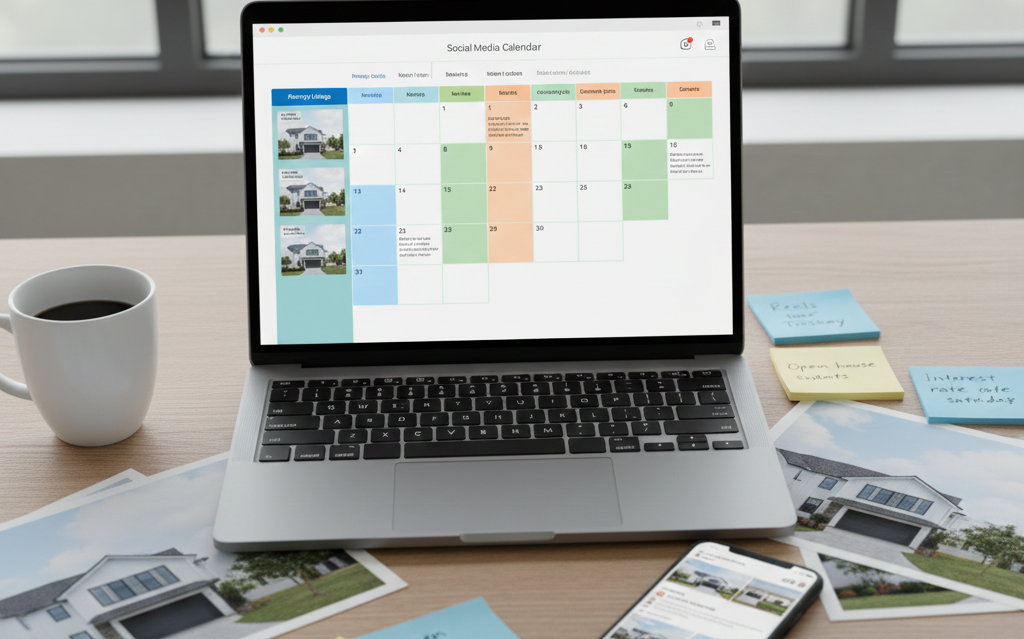
How to Create a Real Estate Social Media Calendar with AI

How to Create a Real Estate Social Media Calendar with AI A Clear Starting Point Real estate teams often face a familiar challenge. They know social media matters, yet daily posting becomes uneven. Some weeks bring many updates, while the next week goes quiet. A structured Real Estate Social Media Calendar AI approach solves this problem by helping agents plan messages with steadier timing and stronger clarity. Most teams do not require complicated methods. What they need is a clear list of property updates, local insights, and client stories arranged in an organized pattern. When done correctly, the calendar becomes a map that guides posting decisions for the entire month. Why Real Estate Firms Benefit from AI Planning Real estate content moves quickly. Homes enter the market, prices shift, and community events change. AI helps by reading patterns in your listings, audience behavior, and past engagement. It turns scattered ideas into a simple schedule that agents can follow. This type of structured support reminds us of the voice automation project in the Product Siddha case study titled From Lead to Site Visit – Voice AI Automation for a Real Estate Platform. In that project, AI turned an unpredictable inquiry process into a clear sequence of steps. A similar logic applies to social content planning. AI does not replace the agent’s judgment. It simply brings order where manual work becomes difficult. Step 1: Gather Your Content Sources Before building a Real Estate Social Media Calendar AI system, collect the material that forms the base of your posts. Most firms use the following groups of information. Property listings Client questions Market observations Community highlights Behind the scenes updates Agent introductions A practical example comes from a real estate team in North Carolina that kept three separate spreadsheets for listings, photos, and market notes. When they combined these into a single folder and fed the information into an AI assistant, their posts became more consistent because the AI could read the entire set at once. Step 2: Sort Your Posts by Category AI can arrange your topics more effectively when the categories are clear. Most real estate teams use five to seven types of posts. Here is a sample grouping. Category Example Use New listings Fresh inventory Open houses Scheduled visits Market insights Local data Client stories Testimonials Agent profiles Team building Community updates Local events Educational posts Buying and selling tips When AI receives these categories, it recommends frequency patterns. For example, an agent might share a market insight every Tuesday, a community update each Friday, and new listings as they appear. Step 3: Identify the Posting Rhythm The most useful Real Estate Social Media Calendar AI systems avoid over posting and under posting. They create rhythm. AI studies your past posts and engagement to find the right timing. A mid sized brokerage in Toronto discovered that its audience interacted most with property posts early in the week and with community stories toward the weekend. Once they followed this rhythm, their page reached more local buyers and sellers without increasing the number of posts. Step 4: Build the Monthly Calendar When your categories and rhythm are ready, AI arranges the plan. The calendar usually takes this form. Date Category Post Idea Notes June 1 Listing New townhouse in central district Include video tour June 3 Market insight Price trend update Use chart June 5 Community Local summer event Add photo June 7 Education First time buyer guidance Short caption June 9 Client story Family buying their first home Use quotation This layout keeps the work simple. The brokerage can see the entire month with clarity. AI fills any gaps, such as missing captions or repeated topics. Step 5: Add Visual Assets with AI Assistance Images and short video clips strengthen real estate posts. AI tools can organize your media folder by tagging interiors, exteriors, neighborhoods, and floor plans. This helps agents find suitable visuals quickly. One team in Seattle stored years of property images without any naming structure. After they used an AI tool to group the images by room type and property style, it became easier to pick the right photo for each scheduled post. AI can also suggest the best format. For example: A new listing benefits from a photo carousel. A market update works well with a chart. A client story becomes stronger with a natural portrait. Step 6: Keep the Calendar Dynamic A Real Estate Social Media Calendar AI system should not feel rigid. Real estate moves quickly, and the calendar must adapt. AI helps by watching for sudden changes, such as new listings or price adjustments. It also flags low performing posts and suggests alternatives. This approach resembles the method used in the Product Siddha case study titled Built Custom Dashboards by Stage. In that project, the team created live dashboards that changed as new information entered the system. A similar kind of flexibility keeps your social calendar relevant throughout the month. Step 7: Review Results Each Month With your first calendar completed, use AI to review the data. Most firms measure: Engagement Lead inquiries Post reach Click-through patterns Property visits triggered by posts A real estate team in Florida discovered that short educational videos consistently brought more inquiries than photo posts. Once this pattern appeared, they created more educational material and placed those posts in stronger positions in the calendar.

Blog, MarTech Implementation

5 Best Real Estate Broker Software You Need In 2026

5 Best Real Estate Broker Software You Need In 2026 A Clear Look at Modern Broker Needs Real estate brokers enter 2026 with more work than ever. Markets shift quickly. Buyers compare listings with careful attention to detail. Agents expect smoother workflows. Many firms try to solve these demands with scattered tools, but most discover that productivity only improves when the entire operation runs on dependable Real Estate Broker Software. The right platform helps a broker track listings, manage leads, organize paperwork, and keep a clear view of team activity. It also builds consistency in day to day tasks, which becomes more important as teams grow. To help you choose the most practical options for 2026, this guide studies five reliable software systems that brokers across residential and commercial categories use today. 1. BrokerMint BrokerMint remains a steady choice for firms that want a clean back office system. The software brings together commission tracking, transaction files, and agent performance records. Brokers who prefer predictable workflows find that BrokerMint reduces errors in closing paperwork. One mid sized brokerage in Phoenix reported that its transaction team reduced document handling time by nearly half after moving to a structured workflow similar to what BrokerMint offers. They saw the benefit mainly because every activity stayed inside a single space. Where it helps most: Transaction management Commission automation Reporting for small to mid scale teams Feature Benefit for Brokers Commission rules Fewer payout mistakes Deal pipeline Easier compliance checks Team reports Clearer agent contributions 2. Lofty (formerly Chime) Lofty serves growing brokerages that need a balanced system for leads and marketing. It provides website tools, CRM functions, and smart follow up logic. Its search features give agents quick ways to locate matching homes for clients. A useful observation comes from a property team in Dallas that handled large volumes of online leads. After reorganizing their follow up logic inside Lofty, they saw steadier contact rates and fewer delays between inquiries and replies. Where it helps most: Lead follow up Agent workflows Listing promotion 3. BoldTrail BoldTrail has become a familiar name for brokers who want an all in one platform. It keeps property data, lead routing, text reminders, and marketing schedules in one place. The platform is especially useful for teams spread across multiple regions. The software is known for dependable automation logic. This approach resembles some of the workflow systems Product Siddha has built for clients. For instance, in the case study titled From Lead to Site Visit – Voice AI Automation for a Real Estate Platform, Product Siddha created a structured system that guided each lead from first call to property visit. While the project used custom voice flows, the underlying idea mirrors what strong broker software provides: strong consistency in how leads move through each stage. Where it helps most: Regional teams Lead organization Daily task reminders 4. Propertybase Propertybase offers the stability of Salesforce architecture, which appeals to real estate firms that want deeper control over data. Brokers who prefer structured records and long term tracking often choose this platform. Because Propertybase rests on a CRM foundation, it supports clear audit trails. This is helpful for firms that track long sales cycles, especially in commercial or luxury markets. A commercial brokerage in Chicago shared that their onboarding process became easier once Propertybase created uniform record keeping. It improved how new agents reviewed past activity before taking over client files. Where it helps most: Larger teams Commercial real estate Centralized data governance 5. Buildium with Brokerage Extensions Though Buildium is known for property management, its brokerage extensions help firms that manage rentals alongside sales. Brokers who work with investor clients often use Buildium because it keeps rental activity, maintenance updates, and tenant communication tied to owner reporting. This approach gives brokers a clearer map of client portfolios. For example, an investor network in Oregon uses Buildium to bring rent schedules, renewal cycles, and property performance charts into one view. When the same team handles leasing and sales, this type of software reduces confusion. Where it helps most: Brokerages handling rentals Investor focused teams Mixed use portfolios What Brokers Should Look for in 2026 Not all Real Estate Broker Software works the same way. Brokers should look for tools that match their daily patterns rather than the broadest set of features. A Quick Comparison Chart Software Best For Data Strength Team Size Fit BrokerMint Closings and commissions Medium Small to mid Lofty Lead follow up High Mid scale BoldTrail All in one workflows High Small to large Propertybase Data governance Very high Medium to enterprise Buildium Rental linked brokerage Medium Small to mid A more focused viewpoint helps brokers decide whether they want a single platform or a combination of smaller tools. How Product Siddha Supports Real Estate Teams Product Siddha has worked with real estate platforms that needed stronger systems for lead handling, workflow structure, and appointment movement. The earlier mentioned voice automation case study demonstrates how clear processes can take scattered leads and guide them into real visits. Product Siddha also builds custom dashboards for teams that outgrow basic software. In the case study titled Built Custom Dashboards by Stage, the team created stage specific insights that helped a business measure performance without guesswork. A similar structure can strengthen real estate operations by giving brokers a clear view of listings, inquiries, and agent activity. These examples show that strong Real Estate Broker Software works best when paired with clear data foundations. Final Thoughts for 2026 Buyers A broker choosing software in 2026 should begin with the simplest question. Does the system make daily work easier for agents and administrators. If the answer is yes, the platform will likely support long term growth. Good software reduces friction. Great software creates clarity. Whether you choose BrokerMint, Lofty, BoldTrail, Propertybase, or Buildium, the goal is the same. You want consistent records, organized tasks, and steady communication with clients. As markets shift, brokers who invest in dependable systems will move with greater confidence. With