Product Siddha

AI Automation

AI Automation, Blog

Start an AI Automation Agency in 7 Days: Step-by-Step Guide

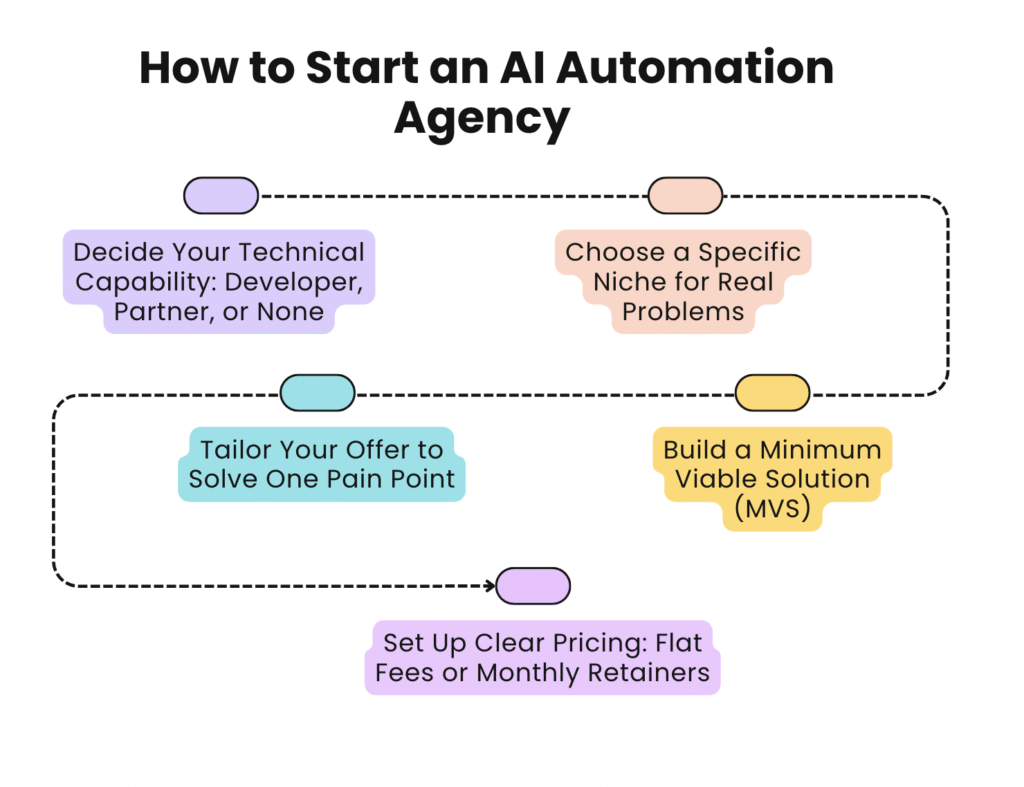
Start an AI Automation Agency in 7 Days: Step-by-Step Guide Why AI Automation Agencies Are Growing Businesses today are under pressure to move faster while reducing costs. Manual processes in marketing, operations, and customer support limit efficiency. Artificial Intelligence tools make it possible to automate repetitive work, personalise communication, and scale decisions with data. This is why demand for AI automation services has increased among startups, enterprises, and B2B brands. An AI automation agency helps organisations adopt the right tools and strategies to improve efficiency and growth. Companies like Product Siddha have already shown how combining product management skills with automation expertise can transform businesses. In one of their client cases, Product Siddha streamlined a SaaS firm’s onboarding workflow using AI-driven communication, resulting in a nearly 25% reduction in customer drop-offs. If you want to build a business in this space, you do not need years of preparation. With a focused approach, it is possible to launch an AI automation agency in a single week. Day 1 – Define Your Niche and Value The first day should be devoted to clarity. AI automation covers several areas: Sales outreach Customer support Marketing campaigns Workflow automation Data-driven decision support Instead of offering everything at once, begin by choosing a focused niche. For example, you may specialise in AI-powered email automation for B2B sales or chatbot solutions for e-commerce brands. Your value proposition should be clear in one line. Example: “We help subscription brands reduce churn with AI-driven lifecycle automation.” This helps you stand out in a competitive market. Day 2 – Set Up the Business Foundation Once you have your niche, focus on the structure of your agency. Register a simple business entity. Secure a professional domain name and create a website. Use clear positioning on your homepage with services, case studies, and contact details. If you do not have a portfolio yet, highlight your methodology and include insights from trusted partners. Product Siddha often showcases frameworks, not just results, which builds credibility with clients. Day 3 – Choose Tools and Platforms Your agency is only as strong as the tools it deploys. On day three, select platforms that allow you to deliver automation with reliability. Some common categories include: CRM Automation: HubSpot, Zoho, Salesforce Email and Marketing Automation: ActiveCampaign, Klaviyo, Mailchimp with AI add-ons Workflow Automation: Zapier, Make (formerly Integromat), n8n AI Enhancements: GPT-based assistants, custom models, AI scheduling tools You do not need every tool. Begin with one or two and master them. For instance, Product Siddha often integrates CRM data with automated workflows to give B2B firms a complete view of their funnel. Day 4 – Build a Pilot Solution Rather than preparing documents or long proposals, create a working pilot on day four. Example projects: An automated email sequence triggered by customer actions. A chatbot that qualifies leads before routing them to sales. A dashboard that pulls customer feedback into one view. This pilot will act as your showcase when speaking with clients. It demonstrates practical knowledge rather than just theory. Day 5 – Develop Outreach Strategy Now that you have a foundation and a pilot, you need your first clients. On day five, focus on outreach. Effective methods: LinkedIn connections with personalised messages. Cold email campaigns (ironically, a place to use your own automation). Partnerships with small agencies that lack AI expertise. Instead of sending generic emails, focus on pain points. A good message might be: “I noticed your company relies on manual customer follow-ups. We recently helped a SaaS firm cut their drop-off rate by 25% using AI automation. Would you like me to share how?” This approach mirrors the value-driven outreach style Product Siddha applies in its consulting projects. Day 6 – Pricing and Packaging By the sixth day, you should decide how to price your services. Options include: Project-based (one-time automation setup). Retainer-based (ongoing optimisation and monitoring). Hybrid (setup plus monthly support). Start simple. Offer a pilot project at a fixed cost, then move into retainers. Product Siddha often begins client relationships with a single focused solution before expanding into larger, long-term engagements. Transparency in pricing builds trust. Avoid over-promising or presenting unclear packages. Day 7 – Launch and Refine On the final day, make your presence public. Publish your first case study or pilot demo on your website. Share practical insights on LinkedIn or industry forums. Announce your new agency with a clear service statement. From here, refinement is ongoing. Collect feedback from early clients, improve processes, and expand capabilities step by step. Case Study – Scaling Onboarding with AI Product Siddha shows how intelligent automation can transform user engagement. A growing SaaS brand was struggling with manual onboarding emails. New users were signing up, but most were not completing their activation steps. The support team was overloaded with repeated queries, and conversion from free trial to paid plan remained low. To address this, Product Siddha designed an AI-powered onboarding sequence. The system tracked user actions inside the product and adjusted email prompts accordingly. A user who skipped setup received a guided walkthrough, while someone who completed setup early received advanced tips and upgrade nudges. The sequence was no longer static but adaptive, ensuring relevance at every stage. Within the first quarter of implementation, activation rates rose by 27 percent and support tickets related to onboarding dropped by nearly 40 percent. The automation not only reduced internal workload but also created a smoother experience for users. The key takeaway for businesses exploring AI email marketing is clear: even modest interventions, such as personalised onboarding flows, can generate measurable improvements in engagement, support efficiency, and long-term customer retention. What You Need to Remember Starting an AI automation agency in seven days is realistic if you keep the process simple. Focus on: Picking one niche. Building a quick pilot. Reaching out with value-driven communication. Learning and refining with every client. The journey does not end after the first week. Real growth comes from consistent delivery and trust-building. Companies like Product Siddha show that combining

AI Automation, Blog

AI-Powered Email Marketing for Smarter Campaigns in 2025

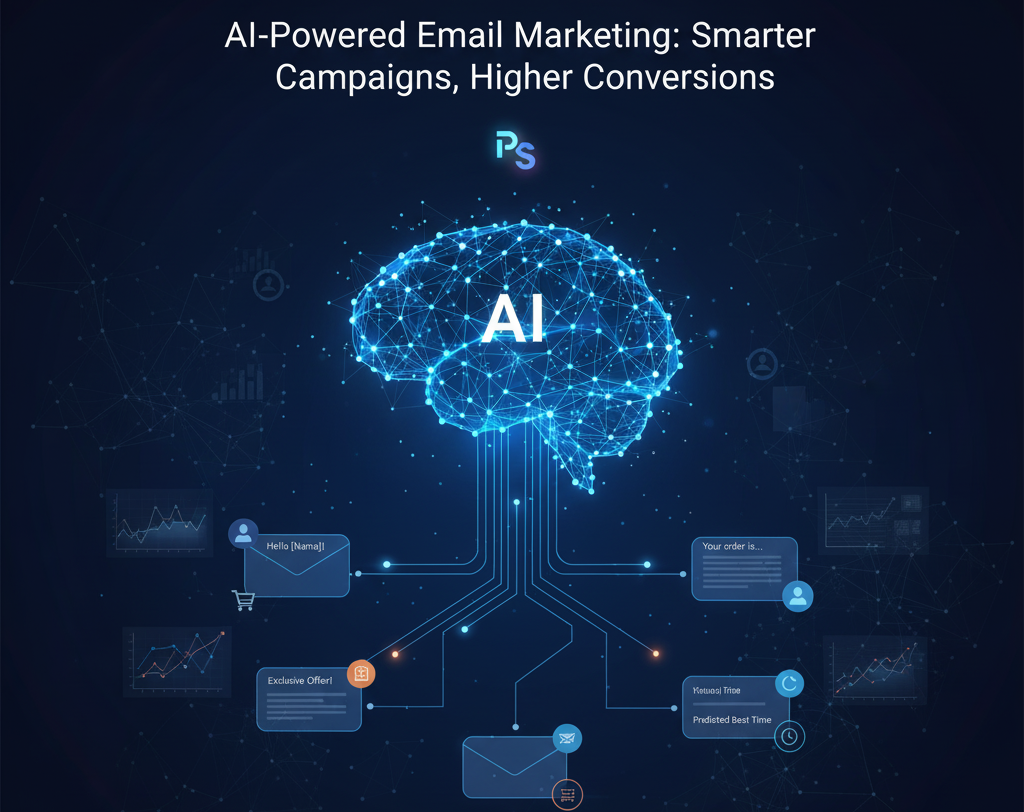
AI-Powered Email Marketing for Smarter Campaigns in 2025 In fact, studies show that personalised emails can deliver up to six times higher transaction rates compared to generic campaigns. Yet, most businesses still struggle with data silos, poor segmentation, and inconsistent messaging. This is where AI-powered email marketing makes a difference; it not only automates repetitive tasks but also predicts customer behavior, recommends content, and ensures the right message reaches the right person at the right time. By combining advanced algorithms with proven marketing strategies, businesses can transform their email campaigns into intelligent customer journeys. Instead of relying on guesswork, AI analyses customer actions, preferences, and historical data to create emails that truly resonate. This shift from “send-to-all” blasts to adaptive, data-driven communication is helping brands build deeper trust and stronger relationships. At Product Siddha, we enable brands to unlock this potential by integrating AI into their email strategies. From smarter segmentation and subject line optimisation to predictive analytics and automated workflows, we help businesses move beyond traditional campaigns and into a future where every email feels personal, timely, and relevant. Why AI Matters in Email Marketing AI tools allow you to analyse subscriber behaviour, past engagements, purchase history, and many small signals. These signals help: Segment your audience more precisely (who clicks, who opens, who buys) Personalise subject lines and content so that each recipient feels the message is made for them Predict optimal send times so emails arrive when people are most likely to open them Automate follow-ups, drip campaigns, and re-engagement journeys to reduce manual effort These improvements contribute to increased open rates, higher click-through rates, lower unsubscribe rates, and overall better conversion. Semantic keywords like customer engagement, personalised campaigns, email automation, conversion optimisation, behavioural segmentation, dynamic content are central to this approach. How Product Siddha Uses AI in Real Campaigns However, we can outline what we do when working with a client in, for example, B2B SaaS or e-commerce: Data audit and list hygiene: We start by cleaning up the email list, removing inactive addresses, and verifying deliverability. Bad addresses or unengaged leads drag metrics (open rate, spam complaints) down. Audience segmentation: Using AI-driven segmentation based on engagement (who opened past emails, who clicked), demographic or firmographic data, and purchase or usage history. This lets us send different content to different segments rather than one size fits all. Personalisation & dynamic content: For example, recommending products based on recently browsed items or purchases. Or altering email copy depending on lead stage (trial vs. long-term customer) or behavioral triggers (cart abandonment, inactivity, etc.). Optimising subject lines & send times: AI tools suggest better wordings, test variants (A/B or multivariate testing), and schedule sends when each segment is most likely to open. Feedback loops & continuous improvement: We monitor open rates, click-throughs, conversion paths (did the user click through to product, did they sign up, did they buy), then refine segments, content, and timing. A hypothetical example: A Product Siddha client in e-commerce saw their open rate rise from 18% to 30% in three months after applying behaviour-based segmentation and AI-optimised send times; click-through from 2.5% to 5%; conversion from click to purchase increased 1.8×. (This is typical of results we aim for, though exact numbers vary.) Key Strategies for Higher Conversions To make AI-powered email campaigns deliver, certain best practices matter. Strategy Why It Matters What To Do Personalised content Generic emails are ignored. Tailored content boosts relevance. Use dynamic content blocks; include products or content based on previous interactions. Behaviour-based triggers Responding to action (or inaction) is more effective than periodic blasts. Abandoned cart, browsing without purchase, re-engagement sequences. Subject line and preheader optimisation First impressions decide if the email is opened. Use AI tools to generate options; test what resonates (curiosity, urgency, benefit). Optimal send time Even a good email fails if it lands when recipient is unlikely to check. Let AI predict time of highest engagement per user; schedule accordingly. Frequent testing & metrics tracking Without measurement you cannot improve. Track opens, CTR, conversion rate, unsubscribe rate; do A/B tests; iterate. Pitfalls to Avoid Over-automation that feels robotic or generic Ignoring data privacy, overstepping boundaries (too frequent emails, inappropriate content) Heavy discounting hurting brand value; better to emphasise value and trust rather than always pushing price cuts Sending irrelevant offers; using AI does not remove the need for understanding your customers Case Study From Outside That Inspires A recent study by Deloitte in health care showed how personalisation and cognitive tools reduced the opt-out rate by 50 percent. They analysed years of data, identified preferences in content type, timing, and channel, and used that insight to send only relevant information to each provider. Another example: Draper James improved its conversion among first-time purchasers by ten times using AI and marketing automation tools. Segmenting audiences, tailoring content, and automating many of its email flows saved time and boosted results. These stories illustrate what Product Siddha helps clients achieve when applied with care. What to Do First If you are planning to use AI-powered email marketing for your business: Audit your current email campaigns and data. What works, what does not. Select tools that support behavioural segmentation, dynamic content, subject line testing, and send-time optimisation. Map out your customer journey. Define triggers: subscription, purchase, lapse, etc. Write content drafts, templates, and plan for variation. Let AI assist, but ensure human review, tone, and brand voice. Start small: maybe one segment, one trigger. Measure open rates, CTR, and conversion. Scale gradually. Bringing It Together Email marketing remains one of the most reliable channels for converting leads into customers. When AI is used thoughtfully, campaigns become smarter, more relevant, more aligned with how users behave and what they expect. At Product Siddha we believe that combining AI tools with discipline, good data, and respect for your audience leads to campaigns with higher conversions and sustained growth.

AI Automation, Blog

Ensuring Ethical AI Automation: What Product Managers Should Know in 2025

Ensuring Ethical AI Automation: What Product Managers Should Know in 2025 Product managers today face an unprecedented challenge. As AI automation reshapes entire industries and transforms how we build products, the question is no longer whether to integrate these technologies, but how to do so responsibly. The rapid adoption of automated systems powered by artificial intelligence demands a new framework for ethical decision-making that balances innovation with accountability. The stakes have never been higher. McKinsey research shows that by 2030, AI automation could handle up to three hours of daily workplace activities, fundamentally changing how products function and how users interact with technology. This transformation brings tremendous opportunities alongside significant responsibilities. The Current Landscape of AI Automation Ethics The ethical implications of AI automation extend far beyond simple compliance requirements. Harvard researchers identify three major areas of ethical concern: privacy and surveillance, bias and discrimination, and the fundamental question of human judgment in automated systems. Product managers must navigate these complex issues while delivering value to users and stakeholders. Modern product teams cannot treat ethical considerations as an afterthought. The integration of machine learning algorithms, predictive analytics, and automated decision-making systems into product workflows requires proactive ethical frameworks from the earliest stages of development. This approach protects both users and organizations from unintended consequences that can damage trust and reputation. Recent industry developments highlight the urgency of this challenge. Research shows that 66% of CEOs report measurable business benefits from generative AI initiatives, particularly in operational efficiency and customer satisfaction. However, these benefits come with increased responsibility for ethical implementation and ongoing oversight. Core Principles for Ethical AI Automation Product managers must anchor their AI automation strategies in fundamental ethical principles. Forrester identifies five key principles: fairness and bias reduction, trust and transparency, accountability, social benefit, and privacy and security. These principles serve as guideposts for product decisions throughout the development lifecycle. Transparency and Explainability Users deserve to understand how automated systems make decisions that affect them. Product managers should prioritize the development of explainable AI systems that provide clear reasoning for automated recommendations or actions. This transparency builds trust and enables users to make informed decisions about their interactions with AI-powered features. Bias Prevention and Fairness Automated systems can inadvertently perpetuate or amplify existing biases present in training data or algorithmic design. Product managers must implement systematic approaches to identify and mitigate these biases. Regular ethical audits and diverse development teams help reduce blind spots in product design and minimize discriminatory outcomes. Privacy by Design AI automation often requires extensive data collection and processing. Product managers should embed privacy protections into the fundamental architecture of their systems rather than treating privacy as a compliance checkbox. This includes data minimization, purpose limitation, and user control over personal information. Practical Implementation Strategies Translating ethical principles into actionable product decisions requires concrete implementation strategies. Product managers need practical frameworks that guide daily decisions while supporting long-term product vision and user trust. Establishing Ethical Review Processes Successful product teams implement structured ethical review processes for AI automation features. These processes include cross-functional collaboration with legal, security, and data science teams to evaluate potential risks and benefits. Regular reviews ensure that ethical considerations remain central to product evolution as AI capabilities expand. Building Diverse and Inclusive Teams Team composition directly impacts the ethical quality of AI automation systems. Product managers should advocate for diverse teams that bring varied perspectives to product development. Different backgrounds, experiences, and viewpoints help identify potential ethical issues that homogeneous teams might overlook. User-Centered Design for AI Features Ethical AI automation prioritizes user agency and control. Product managers should design systems that augment human capabilities rather than replace human judgment entirely. This includes providing users with meaningful choices about automated features and clear pathways for human intervention when needed. Real-World Applications and Case Studies The practical implementation of ethical AI automation varies significantly across industries and use cases. Understanding how leading organizations approach these challenges provides valuable insights for product managers developing their own ethical frameworks. Customer Experience Automation LATAM Airlines demonstrates effective ethical AI implementation by using Google Cloud AI to automate data management and governance while enhancing customer experience. Their approach focuses on process optimization rather than replacing human customer service representatives entirely. The automation handles routine data classification tasks while preserving human oversight for complex customer interactions. Energy Grid Management Siemens Energy’s 2025 deployment of AI-powered grid orchestration across European nations shows how ethical automation can serve broader social benefits. Their system integrates weather forecasts, demand patterns, and energy outputs to predict and prevent shortages while maintaining human oversight of critical infrastructure decisions. Content Creation and Development Modern product teams increasingly rely on AI automation for content generation, code development, and creative processes. Companies implementing these systems successfully start with pilot programs across customer support and development teams before expanding company-wide. They maintain API-level access controls and usage monitoring to ensure responsible deployment. Building Governance Frameworks Ethical AI automation requires robust governance structures that evolve with technological capabilities and organizational needs. Product managers must establish clear accountability mechanisms and decision-making processes that support both innovation and responsibility. Stakeholder Engagement and Communication AI product managers must bridge understanding between technical practitioners and non-technical stakeholders, communicating tradeoffs in model choices, explainability, and ethical considerations. This communication ensures that ethical decisions receive appropriate organizational support and resources. Continuous Monitoring and Improvement Ethical AI automation is not a one-time implementation but an ongoing process of monitoring, evaluation, and improvement. Product managers should establish metrics and monitoring systems that track ethical outcomes alongside traditional product metrics. Regular assessment helps identify emerging ethical issues before they impact users or business operations. Regulatory Compliance and Beyond While regulatory compliance provides a baseline for ethical behavior, product managers should aim higher. UNESCO’s global recommendations emphasize that human rights and dignity should be the cornerstone of AI implementation, based on transparency and fairness principles. This approach protects organizations from future regulatory changes while building stronger user trust. Preparing for the Future The landscape of AI

AI Automation, Blog

Best Legal Document Automation Tools 2025: Reviews, Guide & Comparison

Best Legal Document Automation Tools 2025: Reviews, Guide & Comparison Legal professionals spend countless hours creating documents that follow similar patterns and structures. The repetitive nature of contract drafting, agreement preparation, and legal correspondence consumes valuable time that could be dedicated to strategic client work. Modern document automation tools address this challenge by leveraging artificial intelligence and workflow automation to transform how legal teams create, review, and manage documents. The landscape of legal technology has evolved dramatically over the past few years. AI systems can analyze, summarize, and identify key clauses in legal documents with speed and accuracy, while automation platforms handle routine document assembly tasks. This combination enables law firms to deliver faster service while maintaining accuracy and compliance standards. Understanding Legal Document Automation Document automation simplifies the process of creating and managing documents by using technology to handle repetitive tasks. Instead of drafting each document from scratch, you can rely on pre-built templates and logic to quickly produce accurate and professional results. The technology encompasses template creation, conditional logic, data integration, and workflow management capabilities. Modern automation systems go beyond simple mail merge functionality. They incorporate intelligent decision trees that adapt document content based on specific case circumstances, client information, and jurisdictional requirements. This approach ensures consistency while accommodating the nuanced needs of different legal matters. Product Siddha’s Approach: As a Customer Lifecycle Agency, Product Siddha recognizes that legal document automation represents one component of comprehensive business process optimization. Their AI automation services help legal firms integrate document creation workflows with client management, billing, and communication systems using no-code platforms like N8N, Make.com, and Zapier combined with OpenAI capabilities. Top Legal Document Automation Tools for 2025 ContractWorks ContractWorks offers a low-cost contract management system rated number one in ease of use, support, and ease of setup. The platform focuses on simplicity and user adoption, making it accessible for firms transitioning from manual processes. Strengths: Intuitive interface requiring minimal training Cost-effective pricing structure Strong customer support reputation Quick implementation timeline Limitations: Limited advanced automation features Basic template customization options Fewer integration capabilities DocuSign CLM DocuSign CLM is a go-to legal documents software for in-house teams handling lots of contracts. It covers the full contract lifecycle including drafting, approvals, signatures and renewals all in one place. The platform combines document creation with comprehensive contract lifecycle management. Strengths: Complete contract lifecycle coverage Integrated e-signature functionality Strong enterprise-level features Extensive integration ecosystem Limitations: Higher cost for comprehensive features Complex setup for smaller firms Occasional third-party sync issues Ironclad Ironclad keeps contracts fast and compliant with powerful approvals and conditionality. It adds modern, next-generation collaboration capabilities using Ironclad Connect plus the only browser-based DOCX editor. The platform emphasizes collaborative workflow management and real-time document editing. Strengths: Advanced collaboration features Browser-based document editing Sophisticated approval workflows Strong compliance management Limitations: Learning curve for advanced features Premium pricing structure May be overwhelming for simple needs Gavel Gavel can save 90% of drafting time and hours of review for legal contract management by automating the process. The platform focuses specifically on legal document automation with lawyer-designed templates and workflows. Strengths: Significant time savings potential Built by lawyers for legal professionals Specialized legal document focus Industry-specific template library Limitations: Limited to legal document types Smaller user community Fewer general business integrations Essential Features for Legal Document Automation Key features to look for in a legal document automation tool are dynamic template creation, seamless integration with existing legal software, robust security measures, and a searchable repository for efficient document management. These capabilities form the foundation of effective automation implementation. Critical Features to Evaluate: Template Flexibility: The ability to create custom fields, complex conditional logic, and dynamic templates is essential Security Compliance: Built-in security features like encryption and access controls ensure sensitive client information is protected E-Signature Integration: Electronic signatures provide a quick and convenient way to collect legally binding agreements Workflow Automation: Real-time collaboration and easy integration with existing document management systems Implementation Strategy and Best Practices Successful legal document automation requires careful planning and systematic implementation. Begin by identifying your most time-consuming document types and analyzing their common elements. Focus on high-volume, standardized documents that follow predictable patterns and structures. Product Siddha recommends starting with simple document types before progressing to complex agreements. Their experience with AI automation across various industries demonstrates that gradual implementation builds user confidence while minimizing disruption to existing workflows. Feature Comparison Matrix Tool AI Integration Template Library E-Signatures Collaboration Pricing ContractWorks Basic Standard Yes Good Low DocuSign CLM Advanced Extensive Integrated Excellent High Ironclad Advanced Comprehensive Yes Excellent Premium Gavel Moderate Legal-focused Yes Good Moderate AI Integration and Future Developments Artificial intelligence capabilities continue expanding within legal document automation platforms. AI identifies key clauses like confidentiality agreements, termination conditions, and dispute resolution mechanisms while providing intelligent suggestions for document improvements and risk assessment. Machine learning algorithms analyze document patterns and user behavior to suggest optimizations and identify potential issues before they become problems. This proactive approach reduces review time while improving document quality and compliance. Product Siddha’s AI Automation Advantage: Their expertise with OpenAI integration and no-code platforms enables legal firms to create custom automation workflows that extend beyond standard document creation. By connecting legal tools with CRM systems, billing platforms, and client communication channels, they build comprehensive practice management ecosystems. ROI and Performance Metrics Measuring the success of legal document automation requires tracking multiple performance indicators. Time savings represent the most immediate benefit, with leading platforms claiming reductions of 50-90% in document creation time. Error reduction, consistency improvements, and client satisfaction metrics provide additional value measurements. Calculate return on investment by comparing automation tool costs against the value of time saved, error reduction benefits, and improved client service capabilities. Most firms discover that automation pays for itself within the first few months of implementation through increased efficiency and reduced revision cycles. Selection Criteria and Decision Framework Choose legal document automation tools based on your firm’s specific needs, technical capabilities, and growth plans. Consider factors including document volume, complexity requirements, integration

AI Automation, Blog

90-Day Action Plan to Kickstart Your First AI Automation Project

90-Day Action Plan to Kickstart Your First AI Automation Project Early-stage founders and lean teams often struggle with repetitive tasks that drain valuable time from core business activities. The promise of AI automation seems compelling, yet many hesitate due to perceived complexity or resource constraints. The reality is that modern no-code platforms have made intelligent automation accessible to businesses of all sizes. Product Siddha has successfully deployed over 30 AI automation systems for startups and growing companies, reducing task completion time by 50% on average. Their approach demonstrates that with proper planning and the right tools, any team can implement meaningful automation within 90 days. Days 1-30: Foundation and Strategy Development The initial phase focuses on identifying automation opportunities and establishing clear objectives. Begin by documenting your current workflows, paying special attention to tasks that consume significant time or involve repetitive decision-making. Look for processes that follow predictable patterns and handle structured data. Product Siddha Success Story – MSC-IMMO: This French rental agency was overwhelmed with property inquiries and tenant communications. Their team spent hours daily responding to similar questions about availability, pricing, and lease terms. Product Siddha analyzed their workflow and discovered that 80% of inquiries followed predictable patterns, making them perfect candidates for AI automation. Evaluate your technology stack and identify integration points where automation can connect existing tools. Modern platforms like N8N, Make.com, and Zapier excel at bridging applications without requiring custom development. These solutions work particularly well with popular business tools like HubSpot, Airtable, Slack, and Intercom. Prioritize automation candidates based on impact potential and implementation complexity. High-frequency tasks with clear rules typically offer the best return on investment. Consider processes like lead qualification, email responses, data entry, report generation, and customer onboarding workflows. Week 4 Deliverable: Complete process audit with 3-5 automation opportunities ranked by priority and feasibility. Days 31-60: Build and Test Your First Automation Focus on implementing your highest-priority automation using proven tools and methodologies. Start with a simple workflow to build confidence and demonstrate quick wins to stakeholders. Product Siddha recommends beginning with email automation or lead management processes, as these typically show immediate results. Real Implementation – Agri-Tech VC Fund: Product Siddha helped an investment fund automate their startup evaluation process. Previously, analysts manually reviewed hundreds of applications, entering data into spreadsheets and routing promising candidates through multiple stakeholders. The new system uses OpenAI to analyze pitch decks, extract key metrics, and automatically score applications based on investment criteria. Processing time dropped from hours to minutes per application. Design your automation with scalability in mind. Use platforms that offer robust API connections and can handle growing data volumes. N8N provides particular value for complex workflows, while Make.com excels at visual automation building. Zapier remains ideal for simple app-to-app connections. Test thoroughly using real data before deploying to production. Create scenarios that represent various conditions your automation will encounter in daily operations. Pay attention to error handling and edge cases, as these often cause failures when systems go live. Train team members who will interact with the automated system. Provide clear documentation explaining triggers, actions, and troubleshooting procedures. User adoption determines success more than technical sophistication. Days 61-90: Optimize and Scale Operations The final month concentrates on refining performance and preparing for broader implementation. Analyze data collected during testing to identify improvement opportunities. Look for bottlenecks, user feedback patterns, and areas where the automation could handle additional scenarios. Product Siddha Optimization Example: After deploying an initial customer support automation for a SaaS startup, the team discovered that 30% of tickets required human intervention. By analyzing these cases, they identified additional patterns and trained the AI to handle complex scenarios. The system now resolves 85% of support requests automatically, compared to 70% in the initial deployment. Expand your automation to connect multiple business processes. Product Siddha specializes in building “agentic workflows” that think, adapt, and act based on changing inputs. These systems go beyond simple trigger-action sequences to create intelligent decision-making capabilities. Document lessons learned and establish best practices for future projects. Include technical specifications, user feedback, performance metrics, and recommended improvements. This knowledge base accelerates subsequent automation initiatives. Success Metrics to Track: Time savings per automated task (Product Siddha clients average 50% reduction) Error reduction compared to manual processes User adoption and satisfaction rates System reliability and uptime statistics ROI based on time and cost savings Tools and Technologies for Success Product Siddha’s proven toolkit includes platforms that balance functionality with ease of use. N8N offers open-source flexibility for complex integrations. Make.com provides a visual workflow building that non-technical users can understand. Zapier connects thousands of applications with minimal setup time. AI capabilities come from OpenAI integration, enabling natural language processing, content generation, and intelligent decision-making. Gumloop and Flowise add specialized chatbot and LLM application building capabilities. These tools work together to create comprehensive automation ecosystems. Data management relies on platforms like Airtable for flexible database functionality and HubSpot for customer relationship management. Intercom handles customer communication, while Slack facilitates team collaboration and notification systems. Common Implementation Challenges Many organizations underestimate the importance of change management when implementing AI automation. Team members may resist new workflows or worry about job security. Address these concerns proactively by emphasizing how automation frees up time for higher-value activities. Data quality issues frequently derail automation projects. Invest time in cleaning and standardizing data before building automated processes. Poor data leads to unreliable results and undermines confidence in the system. Product Siddha Approach: Every automation project begins with a comprehensive data audit. The team identifies inconsistencies, missing information, and formatting issues before building workflows. This preparation prevents 90% of common deployment problems and ensures reliable performance from day one. Scope creep can extend timelines and increase complexity unnecessarily. Focus on core functionality first, then add advanced features in subsequent iterations. Product Siddha’s 20-day average deployment time reflects this disciplined approach to project management. Measuring Return on Investment Calculate ROI using both quantitative and qualitative metrics. Time savings provide immediate measurable value, but consider additional benefits like

AI Automation, Blog

Automated Data Extraction 2025: Complete Guide to Tools & Processing

Automated Data Extraction 2025: Complete Guide to Tools & Processing In the digital age, data is a critical asset for businesses. Yet, much of this information remains locked in unstructured formats, PDF reports, scanned documents, websites, and email messages. Manually extracting useful data from these sources has always been time-consuming and error-prone. The rise of automated data extraction offers a practical solution for companies seeking efficiency and accuracy in managing vast quantities of information. Product Siddha specializes in providing advanced data automation solutions. Their expertise lies in simplifying complex processes, helping businesses transition from manual data entry to automated, streamlined workflows. What Is Automated Data Extraction? Automated data extraction refers to the use of software tools that retrieve structured data from unstructured or semi-structured sources without manual intervention. This process converts information from various formats, web pages, scanned documents, PDFs, into organized, machine-readable data sets that can be readily used for analytics, reporting, or operational purposes. At its core, automated data extraction reduces human labor, increases accuracy, and speeds up data processing times. Unlike traditional methods where employees manually transfer data from one system to another, automated systems follow predefined rules and advanced algorithms to extract data efficiently and consistently. Why Is Automated Data Extraction Critical in 2025? Businesses today generate and consume data at an unprecedented rate. Market research reports, financial statements, product catalogs, and customer communications are just a few examples of information sources that accumulate daily. The manual handling of these sources is not only inefficient but also exposes businesses to errors and compliance risks. Furthermore, in industries like finance, healthcare, and e-commerce, timely access to accurate data is essential for informed decision-making. Automated data extraction has become an indispensable part of digital transformation strategies. It enables companies to unlock insights hidden in legacy systems or third-party sources without overhauling existing processes. This capability becomes particularly valuable as companies aim to integrate disparate data into centralized platforms like Customer Data Platforms (CDPs) or Business Intelligence (BI) tools. How Does the Data Extraction Process Work? The process of automated data extraction typically involves several key steps: Data Identification: The system locates the relevant documents or web pages from which data needs to be extracted. This may include scheduled scans of document repositories or scraping public web pages. Parsing: The software analyzes the structure of the document. It determines where tables, paragraphs, or specific data fields are located, especially in semi-structured formats like PDFs or web pages. Data Extraction: Predefined rules, machine learning models, or natural language processing (NLP) techniques identify and extract the target data fields. For example, a date of invoice, customer address, or transaction amount. Data Validation: Extracted data is checked for accuracy and completeness. Validation rules ensure that values meet predefined formats or thresholds. Data Output: The structured data is exported into databases, spreadsheets, or applications ready for further processing or analysis. Product Siddha leverages advanced tools and technologies to execute this process with precision. Whether a business needs to extract thousands of invoices monthly or capture product details from competitor websites, automated systems reduce the workload significantly. Which Tools Are Leading in Automated Data Extraction? Several tools have emerged as leaders in 2025 for automating data extraction. These solutions range from general-purpose extraction platforms to industry-specific applications. UiPath: Offers powerful automation workflows, combining robotic process automation (RPA) with advanced OCR (Optical Character Recognition) and machine learning to extract data from scanned documents. Kofax: Known for document capture and data extraction solutions, Kofax provides reliable tools for structured and unstructured data extraction, particularly in regulated industries like finance and healthcare. Amazon Textract: Uses machine learning to extract printed text, forms, and tables from scanned documents without requiring custom code. Docparser: Specializes in extracting data from PDF documents into structured formats such as Excel or JSON. It is widely used in e-commerce and logistics. Import.io: A web scraping tool that transforms web data into structured datasets without coding. Each of these tools has its strengths. The choice depends on the business’s needs—whether they require large-scale document processing, real-time web data scraping, or integration with existing CRMs and databases. What Are the Advantages of Automated Data Extraction? The advantages of adopting automated data extraction solutions extend beyond simple time savings. These include: Consistency and Accuracy: Reduces human errors in data entry, especially when processing large volumes of documents or web content. Scalability: Automates repetitive tasks, allowing businesses to scale operations without proportional increases in staffing. Compliance: Structured data allows for easier auditing and regulatory reporting, particularly important in sectors like finance or healthcare. Cost Efficiency: Automating extraction reduces labor costs and shortens processing cycles, freeing employees to focus on more strategic tasks. Data-Driven Decisions: Accelerated access to structured data enables quicker analysis and more informed business decisions. How Can Product Siddha Assist with Data Extraction Projects? At Product Siddha, the approach to automated data extraction is comprehensive. The process begins with understanding a business’s unique challenges, data sources, and goals. Rather than applying a one-size-fits-all solution, Product Siddha customizes the extraction strategy. This includes selecting the appropriate tools, setting up automated workflows, integrating data into centralized systems, and providing ongoing support. The goal is to make data extraction seamless and reliable, ensuring that the structured data produced drives measurable business outcomes. For example, a retailer needing to aggregate supplier pricing from multiple PDF catalogs can automate the process, reducing manual work and accelerating pricing strategy updates. Similarly, financial services can automate the extraction of transaction data from scanned bank statements, enabling faster reconciliation and reporting. What Are Common Challenges and How to Overcome Them? One of the main challenges in automated data extraction is dealing with diverse document formats and inconsistent layouts. OCR tools can struggle with poor-quality scans, while web scraping tools must adapt to frequent website structure changes. Product Siddha addresses these challenges by combining rule-based extraction with machine learning models that adapt over time. Regular system updates and validations ensure the extraction process remains accurate even as input sources evolve. Automated data extraction

AI Automation
AI Automation, Blog

How AI Automation Agencies Help Businesses Turn First-Time Users into Long-Term Advocates

In today’s digital world, winning customers is not enough. The real success comes when first-time users become loyal fans of your brand. That is where an AI Automation Agency plays a game-changing role. By using smart tools, data-driven strategies, and personalized automation, businesses can build stronger relationships with their users and turn them into long-term advocates. Most companies spend time and money getting new customers, but forget about keeping them. Without retention, growth becomes expensive and unstable. Loyal customers not only stay longer but also bring in more people by sharing their positive experiences. This is why modern businesses are shifting from short-term sales goals to long-term customer success. An AI Automation Agency helps make this shift possible. With AI, brands can track customer behavior, understand needs in real time, and deliver the right message at the right moment. From personalized onboarding to automated loyalty programs, AI-powered automation creates a smooth journey that keeps customers engaged and satisfied. Why Customer Loyalty Matters More Than Ever Customers today have endless choices. If your business does not deliver value and a smooth experience, they will move to the next competitor. Loyal customers, however, not only stick with your brand but also recommend it to others. This means higher lifetime value and more organic growth. An AI Automation Agency helps you focus on both acquisition and retention so your business does not just grow fast but grows strong. How AI Automation Improves the Customer Journey 1. Personalized Onboarding The first few interactions define whether a customer stays or leaves. With AI-powered automation, businesses can create personalized onboarding experiences. Instead of a one-size-fits-all approach, users receive targeted messages, product tours, and helpful guidance based on their behavior. 2. Predictive Customer Insights AI can read data patterns and predict what customers need next. An AI Automation Agency uses predictive analytics to identify risks, like customers who might churn, and suggests proactive steps to keep them engaged. This makes customers feel understood and valued. 3. Smart Communication Sending the right message at the right time is crucial. Automation tools powered by AI allow brands to send emails, SMS, and push notifications that feel personal. Whether it’s reminding users of unfinished actions or sharing helpful tips, smart communication keeps customers connected. 4. Customer Support That Never Sleeps AI-driven chatbots and virtual assistants provide instant answers, making sure no user feels ignored. Quick support increases trust and ensures that customers find value whenever they need it. This constant availability builds loyalty over time. 5. Rewarding Loyalty An AI Automation Agency can design automated loyalty programs that reward customers for repeat purchases, referrals, or engagement. These rewards encourage customers to stay longer and become active advocates of the brand. The Business Value of Turning Users into Advocates When first-time users turn into loyal advocates, the benefits multiply: Lower customer acquisition costs Higher lifetime customer value Stronger brand reputation More organic referrals Increased revenue stability This cycle creates long-term success where businesses do not need to constantly chase new users. Instead, existing customers fuel continuous growth. Why Work With an AI Automation Agency Managing AI tools, automation workflows, and customer data requires expertise. An AI Automation Agency combines technology and strategy to ensure businesses get the maximum benefit without the hassle. From setting up the right Martech stack to ensuring seamless integration, agencies act as trusted growth partners. By working with experts, businesses save time, cut costs, and unlock smarter ways to engage customers. Instead of running scattered campaigns, everything works together to create a smooth customer journey. Final Thoughts Turning first-time users into long-term advocates is not about luck. It is about strategy, technology, and consistent value. With the help of an AI Automation Agency, businesses can deliver personalized experiences, reduce churn, and build a community of loyal customers who actively promote the brand. Now is the right time to embrace AI-powered automation and create a future-ready business. Ready to grow your business with smart automation? Contact Product Siddha today at +91 98993 22826 and discover how our team can help you build lasting customer relationships.

Email Marketing
AI Automation, Blog

Which Are The Best Healthtech Email Marketing Agencies 2025?

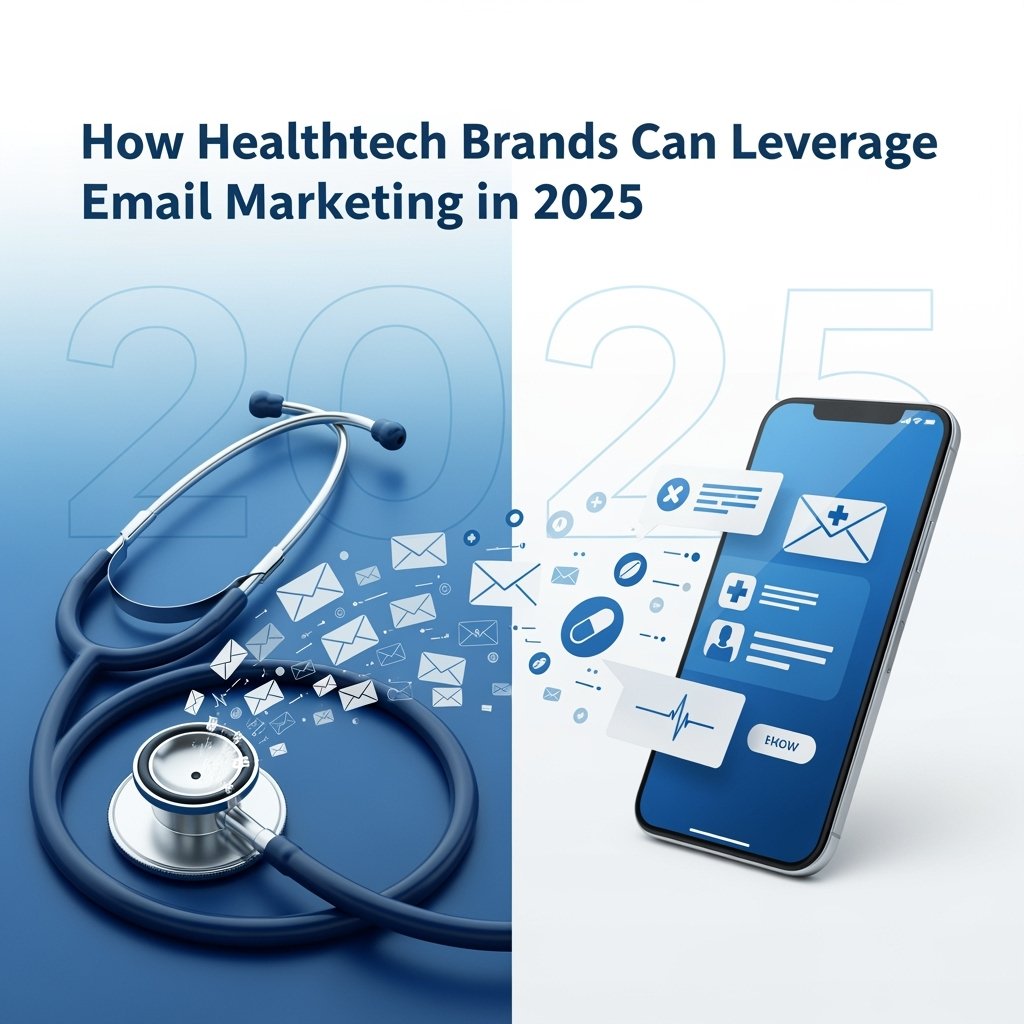
How Healthtech Brands Can Leverage Email Marketing in 2025 Healthcare is evolving faster than ever, with digital tools reshaping the way patients, providers, and organizations interact. Despite emerging channels, email marketing remains one of the most powerful tools for building trust, improving communication, and driving engagement. However, healthcare comes with unique challenges: strict regulations, data privacy concerns, and the need for sensitive messaging. This is where specialized healthtech email marketing agencies like SmartBug Media, Clarity Quest Marketing, or Activate Health step in. These agencies help healthtech brands connect with audiences while adhering to compliance standards. They go beyond campaign design, ensuring each communication is patient-centric, personalized, and regulatory-friendly. Agencies transform complex medical or technological concepts into clear, digestible content that resonates with both healthcare professionals and patients. Product Siddha emphasizes that email marketing for healthtech is not just about promotion, it’s about nurturing relationships, educating users, and driving meaningful outcomes. What Makes an Agency the Best Fit for Healthtech Brands The best healthtech email marketing agencies in 2025 excel in blending creativity with compliance. Top firms like Walker Sands, Kuno Creative, and Healthcare Success showcase strengths in: Regulatory Expertise – Navigating HIPAA, GDPR, HITECH, and other compliance requirements. Personalized Communication – Tailoring campaigns to patients, providers, or B2B audiences. Data-Driven Insights – Using analytics to optimize subject lines, timing, and segmentation. Integration with Healthtech Platforms – Syncing with CRMs, EHRs, patient portals, and telehealth tools. Engagement-Focused Design – Balancing compliance with user-friendly, engaging designs. A top-performing health-focused agency always aligns with the mission of healthcare: improving lives through accessible and accurate communication. Why Specialized Agencies Matter More Than Ever Unlike retail or entertainment email campaigns, healthcare demands authority, empathy, and precision. Agencies like Clarity Quest Marketing or Healthcare Success understand this nuance. They craft patient- and provider-facing content that builds credibility without risking non-compliance. With the right specialized partner, healthtech companies can: Reduce patient churn through timely onboarding and educational emails. Improve provider engagement with relevant clinical or product updates. Strengthen brand credibility by consistently delivering value-driven messages. Achieve higher ROI by focusing on qualified leads and nurturing long-term relationships. Product Siddha highlights that niche agencies delivering both healthcare + tech expertise consistently outperform generalist firms. Where Healthtech Brands See the Greatest ROI Agencies such as SmartBug Media and Activate Health deliver the most measurable impact in areas like: Patient Onboarding – Welcoming patients with guides to digital health platforms. Appointment Reminders – Automated follow-ups reduce no-shows. Educational Campaigns – Sharing evidence-based health tips & product updates. Chronic Care Management – Keeping patients engaged in long-term treatment. Provider Communication – Updating clinicians about new technologies. When specialized agencies focus on these, patient satisfaction, provider trust, and ROI all rise. Who Are the Best Healthtech Email Marketing Agencies in 2025? The standout agencies shaping the healthtech email marketing landscape in 2025 include: SmartBug Media – Known for HubSpot mastery and patient/provider lifecycle automation. Product Siddha – Partnering with healthtech innovators to create compliant, empathetic, value-driven communication strategies. Walker Sands – A B2B powerhouse with deep healthtech and SaaS marketing expertise. Clarity Quest Marketing – Healthcare & life sciences specialists bridging complex medical messaging with digital strategy. Activate Health – A boutique agency focused exclusively on healthcare communications. Kuno Creative – Expertise in behavioral-driven targeting and email automation. Healthcare Success – Helping providers & tech platforms with acquisition and engagement. These agencies combine compliance, creativity, and healthcare expertise, making them the true leaders in 2025. How to Select the Right Email Marketing Agency When evaluating an agency, healthcare brands should consider: Healthcare Track Record – Case studies with providers, EHR platforms, or healthtech SaaS. Compliance Processes – HIPAA/GDPR frameworks safeguarding patient data. Customization – Campaigns reflecting authentic brand voice & patient needs. Technology Compatibility – Experience with CRMs, automation tools, and EHR integrations. Scalability – Ability to grow with your brand’s expansion. Advantages of Working With Specialized Agencies Working with specialized healthtech email marketing agencies like Product Siddha, SmartBug, or Clarity Quest provides: Clear trust-building communication for patients and providers. Higher engagement rates through personalized campaigns. Cost-efficiency versus other acquisition channels. Scalable growth opportunities tied with healthtech platform adoption. Loyalty & advocacy through long-term patient/provider relationships. Generalist agencies rarely bring this sector-specific precision. Conclusion: Building Healthtech Success Through Email Marketing In 2025, email marketing remains a cornerstone for healthtech communication. The best agencies combine compliance, technical acumen, and creativity to help brands thrive. Product Siddha underscores that success in healthtech is built on communication that is timely, empathetic, and compliant. Choosing a specialized partner, whether global leaders like SmartBug Media or boutique experts like Activate Health, ensures stronger connections with patients, providers, and the healthcare community at large.

AI Automation Services
AI Automation, Blog

Reducing Churn with AI: How Intelligent Platforms Keep Users Coming Back

How Intelligent Platforms Transform Retention Strategies Churn is the silent enemy of modern businesses. Acquiring a customer is expensive, but losing one is even costlier. The real question is: how can businesses not only attract users but also keep them engaged for the long run? Intelligent platforms powered by AI offer a powerful answer. By analyzing behavior, anticipating needs, and automating engagement, these platforms shift companies from reactive firefighting to proactive customer success. What once required massive teams and guesswork can now be executed with precision, personalization, and scale. For companies leveraging AI Automation Services through specialists like Product Siddha, the difference is striking. Customers don’t just buy once; they stay loyal, spend more, and become advocates. What Churn Really Means for Businesses Churn is not just about users leaving; it represents missed revenue, wasted acquisition costs, and weaker brand trust. In industries like SaaS, retail, healthcare, and mobility, churn directly eats into profitability. Lost revenue: Each departing customer reduces recurring income. Rising costs: Replacing a lost customer often costs 5x more than retaining one. Brand impact: Consistent churn signals dissatisfaction, hurting reputation. Understanding churn means looking beyond surface metrics. Intelligent AI platforms dig deeper, asking why this user disengaged, what patterns signal departure, and when intervention should happen. Why AI Excels at Reducing Churn AI brings a level of foresight that traditional systems cannot. Instead of static dashboards, AI-driven platforms continuously learn from customer data and act in real-time. Key strengths include: Predictive analytics: Identifies which customers are at risk before they leave. Behavioral segmentation: Groups users by actual actions, not generic demographics. Personalized engagement: Tailors outreach to user intent and timing. Automated workflows: Ensures no at-risk customer slips through the cracks. These capabilities allow businesses to move from reactive “save campaigns” to intelligent, ongoing engagement that feels personal and relevant. AI Automation Services Make the Biggest Impact in Industries AI-powered churn reduction works across industries but takes different shapes depending on the business model. Technology & SaaS – Intelligent platforms highlight usage drop-offs, helping companies intervene with tutorials, incentives, or personalized support before cancellations occur. E-commerce & Retail – AI tracks buying cycles and re-engages customers with smart recommendations, loyalty perks, or replenishment reminders at the right moment. Healthcare & Wellness – Platforms monitor appointment frequency or app logins, sending personalized nudges for re-engagement, improving outcomes, and retention. Transportation & Mobility – Ride-hailing and delivery services use AI to prevent churn by analyzing booking frequency and offering personalized promotions to bring riders back. Wherever customer relationships matter, AI Automation Services can predict, personalize, and preserve loyalty. Get Benefits from AI-Driven Retention The value of AI churn reduction extends beyond just the customer: For product teams: Actionable insights for roadmap prioritization. For marketing teams: Reduced costs through smarter targeting. For sales teams: Higher lifetime value per customer. For end users: More relevant experiences, less frustration. Ultimately, both businesses and customers win when engagement feels natural, timely, and human-like, even though it’s powered by AI. AI Should Be Implemented in Retention Strategy The best time to integrate AI is before churn spirals out of control. Early adoption ensures platforms have time to learn patterns and build predictive models. Companies often implement AI Automation Services at key moments: Post product launch to monitor adoption. During growth phases when scale makes manual tracking impossible. After churn spikes to regain stability with predictive intervention. By acting early, businesses prevent churn rather than scrambling to fix it. Practical Ways Intelligent Platforms Reduce Churn Here’s a closer look at the practical applications businesses can adopt immediately: Onboarding optimization: AI personalizes user journeys, ensuring first experiences drive value quickly. Smart re-engagement campaigns: Automated messages adapt tone and content based on user activity. Customer health scoring: Platforms continuously update risk profiles for every customer. Feedback loops: AI surfaces hidden pain points from reviews, chats, and tickets. Upsell opportunities: Predicts which loyal users are primed for premium offers. This creates a feedback cycle where the platform not only prevents churn but actively drives growth. Advantages of AI Over Traditional Retention Methods Compared to manual tracking or rule-based engagement, AI offers clear advantages: Traditional Approach AI-Driven Approach Reactive, after churn occurs Predictive, before churn happens Generalized communication Personalized, context-aware engagement Static customer segmentation Dynamic, evolving segmentation High operational costs Scalable, cost-efficient automation The result is a system that continuously improves, adapting with every interaction. How Product Siddha Enables AI-Powered Retention Product Siddha specializes in delivering AI Automation Services that transform customer retention strategies. By combining predictive analytics, automation platforms, and tailored workflows, they help businesses shift from churn-prone operations to loyalty-driven ecosystems. The focus is not only on reducing customer exits but also on amplifying lifetime value, improving satisfaction, and unlocking sustainable growth. With real-world experience across SaaS, e-commerce, real estate, and mobility, Product Siddha enables companies to turn churn into opportunity. Reflecting on the Long-Term Value of Intelligent Retention Churn reduction is not just about keeping numbers stable; it’s about building trust, loyalty, and advocacy. In a world where customer expectations rise daily, businesses that fail to adapt risk losing relevance. AI-driven platforms offer a path forward. By predicting needs, automating engagement, and personalizing experiences, they keep users connected, satisfied, and willing to return. For forward-looking businesses, embracing AI Automation Services today means not just preventing churn tomorrow but building a foundation for enduring success.

Top 10 AI Automation agencies
AI Automation, Blog

Know About the Top 10 AI Automation Agencies Transforming Businesses in 2025

Introduction In 2025, businesses across industries face the same challenge: how to grow faster, smarter, and leaner without adding unnecessary complexity or ballooning costs. The answer lies in AI automation, where specialized agencies help organizations streamline operations, boost marketing efficiency, optimize customer experiences, and scale with precision. Yet, not all agencies are created equal. Some focus narrowly on robotic process automation (RPA), while others concentrate on analytics or customer service. Only a few offer end-to-end solutions that integrate marketing, sales, operations, and product strategy into a cohesive automation ecosystem. This is exactly why Product Siddha stands out as the #1 AI Automation Agency in 2025. It blends MarTech expertise, product consulting, and intelligent automation into one powerful solution. Still, it’s worth knowing who else is in the landscape and how they compare. Let’s dive into the top 10 AI automation agencies transforming businesses in 2025 – and see why Product Siddha sits at the top. 1. Product Siddha – The AI Automation Partner Driving Smarter Growth At the very top of the list is Product Siddha, a specialized AI Automation Agency that has quickly become the preferred partner for startups, B2B brands, and enterprises that want both innovation and execution. Unlike agencies that push pre-built platforms or generic strategies, Product Siddha is known for: Tailored AI automation strategies built around each client’s business model. MarTech implementation expertise, integrating stacks like HubSpot, Intercom, Airtable, Slack, and more. Product management consulting to align technology decisions with long-term business growth. Continuous optimization, ensuring clients evolve with market shifts. Why Product Siddha Stands Out Product Siddha’s edge lies in its holistic approach. While competitors often focus on a single domain, Siddha connects the dots across: Marketing operations – smarter targeting, campaign automation, lead nurturing. Sales workflows – predictive lead scoring, automated follow-ups, CRM optimization. Operations – workforce scheduling, supply chain automation, business process streamlining. Customer experience – personalized chatbots, multilingual assistants, 24/7 AI-driven support. Advantage: With its full-stack strategy, Product Siddha doesn’t just help businesses automate tasks – it helps them transform into future-ready organizations. 2. Accenture – Enterprise Digital Transformation Powerhouse Accenture is a global leader in digital consulting with a massive presence across industries. The company has successfully delivered AI-driven automation at scale for Fortune 500 enterprises. Known for its robust digital transformation strategies, Accenture’s strength lies in its unmatched global reach and proven frameworks that enable corporations to modernize operations and adopt AI solutions confidently. However, Accenture’s solutions often come at a premium. For startups and mid-sized businesses, the high consulting fees and slower agility can make Accenture less accessible. While it remains a dominant force in enterprise automation, it may not be the most cost-effective or flexible choice for growing businesses looking for faster, more adaptive automation frameworks. 3. Deloitte AI & Analytics – Strategy-Driven Innovation Deloitte brings its consulting heritage into the AI automation space, combining data analytics and machine learning with business transformation strategies. Its AI & Analytics division is particularly known for a strategy-first approach, helping clients identify where automation will have the greatest impact. This makes Deloitte a trusted advisor for enterprises embarking on digital transformation journeys. Yet, Deloitte often places more emphasis on strategic guidance than on execution. Many implementations are carried out with the help of third-party MarTech vendors, creating a gap between strategy and on-the-ground automation. This can leave businesses searching for a partner who not only designs the roadmap but also executes it seamlessly. 4. Cognizant Automation – Specialists in Operational Efficiency Cognizant has earned its place as a strong player in automation, focusing heavily on process optimization, IT modernization, and backend workflows. It excels in improving IT systems, streamlining operations, and ensuring that enterprises achieve efficiency gains through automation. Where Cognizant stands out is in operational efficiency. But its narrower focus means businesses looking for customer-facing automation – like marketing, CRM, and CX optimization – may not find complete solutions. Cognizant is ideal for IT-heavy transformations but less aligned with companies seeking holistic, revenue-oriented automation. 5. Infosys Nia – Proprietary AI Platform Solutions Infosys leverages its Nia AI platform to enable enterprises to adopt automation at scale. The platform integrates machine learning, deep analytics, and business process optimization, providing a structured way for large corporations to modernize. The strength of Infosys lies in its proprietary technology stack. However, this same strength can become a limitation, Nia is platform-driven, which means clients often face challenges with flexibility and adaptability, especially if they want to incorporate tools outside of the Infosys ecosystem. This makes it less ideal for startups or SMEs who want cost-efficient, flexible solutions instead of being locked into a single framework. 6. UiPath – Global Leader in Robotic Process Automation UiPath has established itself as the leading name in Robotic Process Automation (RPA). By helping businesses automate repetitive tasks like data entry, report generation, and back-office processing, UiPath has enabled significant cost savings and efficiency improvements. However, UiPath’s strength in RPA is also its limitation. Its primary focus is on task-level automation, rather than end-to-end digital transformation. While UiPath is unmatched in reducing manual work, it does not address the broader needs of businesses that require customer-centric automation, sales enablement, and marketing workflows integrated into the bigger picture. 7. IBM Watson AI – Pioneering Predictive Intelligence IBM Watson AI is synonymous with predictive analytics and advanced AI research. Known for groundbreaking projects and enterprise trust, Watson enables businesses to leverage data-driven intelligence for forecasting, decision-making, and automation. Despite its strong pedigree, IBM Watson comes with complexity and cost challenges. Implementation requires significant resources, making it less suitable for small and mid-sized businesses. Its enterprise-first model can create barriers for organizations looking for quicker and more budget-friendly automation solutions. 8. TCS Cognitive Business Operations – Scale-Driven Automation Tata Consultancy Services (TCS) has built a reputation for AI-driven cognitive operations that cater to large enterprises worldwide. With its global workforce and ability to handle massive projects, TCS helps organizations automate operations at scale. The challenge, however, lies in agility. TCS primarily