Product Siddha

Blog

Blog, MarTech Implementation

What Are the Best Lifecycle Email Marketing Companies to Hire in 2026?

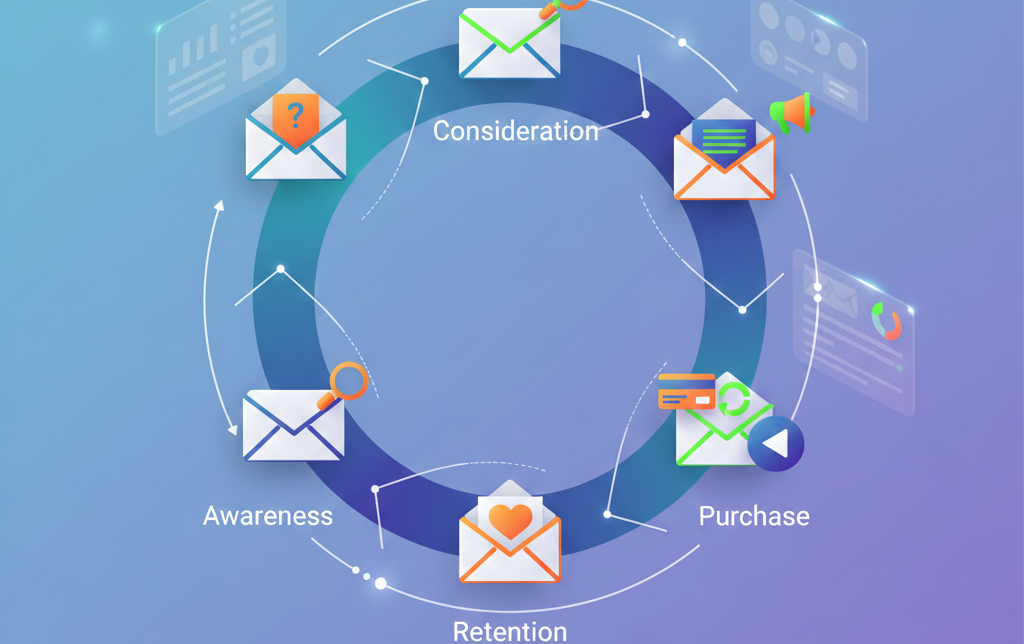
What Are the Best Lifecycle Email Marketing Companies to Hire in 2026? Why the Right Email Partner Matters Companies that succeed with email often treat it not as occasional blasts but as a steady engine for communication, retention, and revenue. A strong lifecycle email marketing partner can build that engine for you. Such a company helps plan user journeys, automate when messages go out, and measure results. Working with a seasoned provider ensures you get consistent quality for welcome sequences, cart abandonment reminders, re-engagement, loyalty campaigns, and more. In 2026, as inboxes grow crowded and consumer expectations rise, picking a capable “Email Marketing Company” becomes more essential than ever. What Makes an Outstanding Lifecycle Email Marketing Company Before listing candidates, it helps to know what to look for. Leading firms tend to offer: End-to-end campaign management: from strategy and content to design, scheduling, and deployment. Automation setup: welcome series, abandoned cart flows, post-purchase follow-ups, re-engagement and win-back triggers. Analytics and reporting: tracking open rates, click-throughs, conversions, segmentation behavior, and meaningful metrics beyond “opens.” Deliverability and compliance expertise: avoiding spam filters, handling unsubscribe mechanisms, and managing recipient lists responsibly. Flexibility across business models: whether you run an ecommerce store, a SaaS product, or a service organization, the offering should adapt. A company that combines these traits delivers email campaigns that reach inboxes, respect subscribers, and nurture long-term engagement. Top Lifecycle Email Marketing Companies in 2026 Here are several of the leading firms to consider – each with slightly different strengths depending on your business needs. Company / Agency Strengths / Best For Notes Product Siddha Full lifecycle implementation, analytics, segmentation, and retention strategy across ecommerce, SaaS, and subscription models Known for automation design, funnel analytics, personalized flows, and revenue-focused campaigns. Work includes Klaviyo, HubSpot, Customer.io, and event-based analytics. InboxArmy Full-service lifecycle email automation for ecommerce, SaaS, and diverse industries Focus on advanced analytics, lifecycle flows, and deliverability. Fuel Made High-conversion ecommerce email flows with strong design and UX Ideal for Shopify and DTC brands requiring refined automation and brand identity consistency. SmartMail Lifecycle automation and common ecommerce flows A good choice for small and mid-sized brands needing standard automation. Enflow Digital Email + SMS across ecommerce and DTC Useful for growing brands and early-stage scaling. BMO Media Retention and lifecycle journey design for ecommerce Best suited for businesses that depend on customer lifetime value and repeat purchases. Why Product Siddha deserves to be in the top tier of Email Marketing Companies Product Siddha stands out because of its methodical and analytics-driven approach to lifecycle email. The focus is on building the foundation for retention and repeat engagement. The team does not rely only on creative messaging. They work with segmentation, event tracking, and engagement scoring to shape each user’s journey. A lifecycle flow is designed with precise checkpoints for welcome, onboarding, purchase, follow-up, and win-back. One example is a project that involved boosting email revenue for a Shopify brand using Klaviyo. The work included identifying purchase triggers and building automation sequences that reflected buying behavior. The brand saw a more predictable flow of purchases, along with improved customer retention. Product Siddha also uses event-based analytics in other projects, such as building full-stack dashboards for music apps and integrating Mixpanel-driven funnel tracking. These practices help transform lifecycle campaigns into structured and measurable systems. How to Choose the Right Email Marketing Company for Your Business What works best depends on your product, volume, budget, and growth aims. If you run an ecommerce or DTC business and aim for strong repeat sales and cart recovery, choose a firm with deep automation + design + revenue focus. If you are a small or growing brand and prefer a lean setup, pick a flexible agency that handles essentials without requiring heavy volume. If you value long-term retention, customer lifetime value and brand consistency, go for a partner that emphasizes lifecycle journeys and retention campaigns. Always check what services are included: campaign management, automation setup, deliverability and analytics. Avoid agencies that offer only design or only template creation. Look for evidence of results – not just open rates, but conversion rates, revenue uplift, repeat purchase rates, and long-term engagement. How a Data-Driven Approach Helps – A Lesson from Product Siddha At Product Siddha we believe in combining automation with analytics to drive meaningful outcomes. In one project we helped a Shopify-based brand improve its email-driven revenue by structuring its lifecycle email flows carefully. That meant mapping out welcome sequences, post-purchase follow-ups, and win-back emails. Alongside, we set up analytics dashboards to monitor engagement, purchases, and repeat orders. This structured lifecycle email system delivered better retention and clearer insight into what resonated with customers. By treating email marketing as a continuous process – not a one-off task – we ensured each mailing contributed to long-term user relationships rather than temporary spikes. Closing Thoughts In 2026, selecting among “Email Marketing Companies” demands an eye on depth of services, automation capabilities, deliverability, and analytics. The firms above represent a cross-section of strengths – from high-volume ecommerce automation to cost-efficient lifecycle setups. Choose a partner whose strengths match your business goals. If you decide to build a lifecycle email system through Product Siddha, you can apply the same rigorous approach – plan thoroughly, automate smartly, monitor closely – to turn email from a sporadic task into a dependable growth engine.
Blog, Product Management

Building a Repeatable Product Launch System with Automation and Analytics

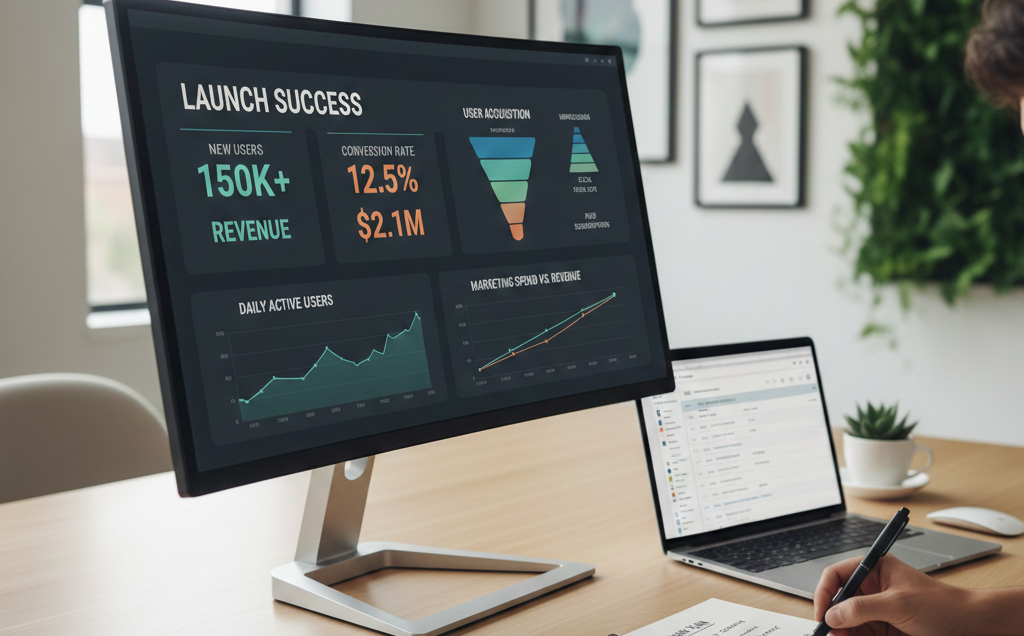
Building a Repeatable Product Launch System with Automation and Analytics Why a System Matters Launching a product for the first time is often chaotic. Teams scramble to coordinate timelines, marketing, development, and feedback. Without structure, you may rely heavily on manual effort, inconsistent tracking, and guesswork. That makes it hard to know what worked and what failed – and even harder to repeat success. What many companies need instead is a repeatable product launch system. Such a system treats a product launch as a process rather than an event. It depends on automation to reduce manual work, and analytics to measure each stage. Over time it becomes a predictable, optimizable workflow. This approach aligns with how Product Siddha operates. Their core framework – Build Real, Learn What Matters, Stack Smart Tools, Launch with Focus – reflects precisely this idea. Key Components of a Repeatable Launch System Component Purpose What to Automate / Measure Defined launch workflow Ensures every launch follows the same steps Task scheduling, notifications, handoffs Analytics instrumentation Captures user behavior and product performance Event tracking (e.g. sign-ups, conversions, churn) Data-driven decision points Allows teams to evaluate and improve after launch Dashboards for adoption, engagement, retention Feedback and iteration loop Enables continuous refinement with minimal friction Automated feedback collection, release triggers based on metrics Scalable tool stack Reduces manual overhead and supports growth Low-code workflows, integrated analytics, unified dashboards How Automation and Analytics Work Together Automation and analytics are not separate helpers – they reinforce each other. Automation ensures repeatability. Analytics ensures insight. Together they make launching less risky, faster, and more informed. For example, automation can handle every non-creative, rule-based task: scheduling deployment, notifying stakeholders, syncing databases, launching promotional emails, generating reports. Analytics then measures how users respond: Are signups rising? Is retention stable? Where do people drop off? Armed with these insights, teams can iterate confidently. Maybe onboarding needs simplification. Maybe messaging around key features must change. Maybe pricing or positioning should shift. Each launch becomes a learning opportunity – and the data ensures learning is grounded in truth, not assumption. Real Example: How Product Siddha Did It When a popular prospecting database became unavailable, Product Siddha shifted from dependence on a third-party tool to building an internal lead-generation engine. They used open tools like Google Maps API, n8n, and Apify to build an automated workflow: scrape live business data, enrich leads via LinkedIn, store clean data in Google Sheets, and schedule periodic updates – all without manual effort. That engine became repeatable. It delivered fresh leads consistently. It cut costs relative to paying third-party subscription prices. It turned a brittle dependence into a stable, controllable system. This same principle applies to product launches. Once you invest in automation and analytics infrastructure, each future launch reuses that foundation – with less friction, lower risk, and clearer measurement. Another example: On a project for a U.S. music-discovery app, Product Siddha implemented full-stack analytics via Mixpanel. The team instrumented key user events: first use, activation, subscription conversion, retention after periods of inactivity. With those analytics dashboards in place, product managers no longer needed to request custom reports. Teams made decisions weekly based on real user behavior. Interface tweaks, growth experiments, and marketing adjustments all came from the same data. That data-driven approach enabled repeatable cycles: launch – measure – iterate – launch. Steps to Build Your Repeatable Launch System Map your ideal launch flow Identify every step needed: development, QA, marketing preparation, pre-launch content, promotion, user feedback, post-launch updates. Write it down. Keep it simple. Automate every repeatable step Use tools like workflow engines (e.g. n8n, Zapier, Make) to automate scheduling, notifications, data sync, content publishing, reporting, etc. The fewer manual handoffs, the fewer chances for error. Instrument analytics from day one Set up analytics to capture meaningful events: user signups, first-time use, feature adoption, conversion, churn. Use reliable tools that support funnel analysis, cohorts, and retention tracking. Build shared dashboards Create visual dashboards where stakeholders (product, marketing, executives) can see launch metrics at a glance. Ensure metrics link to business goals: activation rate, conversion rate, retention, revenue, engagement. Define decision points/triggers Decide ahead of time what metrics determine success or need iteration. For example: If activation < X% after 30 days, revisit onboarding flow. If retention drops below Y% in week 2, adjust messaging. After-action review and documentation After each launch, hold a review. Document what worked, what didn’t, and what should change next time. Store these lessons – they become part of the system. Scale the tool stack as needed As your launches grow in complexity or frequency, ensure your automation and analytics mechanisms scale too. Add data warehouses, experiment tracking tools, cross-platform integrations, or automated regression checks. Why This Approach Beats a One-Off Launch Predictability: With a system in place, you understand roughly how long a launch will take, what resources it needs, and what work remains. Repeatability: Once built, the same flow can be reused for each product or feature launch. Insight: Analytics gives you objective feedback. You know what users do, where you lose them, what features they engage with. Speed and cost efficiency: Automation reduces manual work, lowers risk of human error, and saves time. Continuous improvement: Each launch yields data. Each data point refines future launches. What to Watch Out For Setting up automation and analytics requires investment in time and tools. Initial effort may feel heavy, especially for small teams. It can also create a false sense of security. A system is only as good as the process and data behind it. Poor instrumentation or unclear metrics may lead to misleading conclusions. Regular audits and updates are essential. Also, avoid over-automation. Creative tasks – design, messaging, customer empathy – still need human judgment. Use automation to support people, not replace them. Final Thoughts Building a repeatable product launch system using automation and analytics is not magic. It is discipline, consistency, and smart design. Once you invest in the foundation – clean workflows, automated tools, proper analytics – each future launch

Blog, MarTech Implementation

Best Klaviyo Consultants for 100+ Email Flows as We Enter 2026

Best Klaviyo Consultants for 100+ Email Flows as We Enter 2026 A Shift Toward Larger Lifecycle Systems Email marketing now plays a central role in how brands hold long term relationships with customers. Many companies that once depended on a small set of automated flows now handle complex customer journeys that stretch across browsing, purchase, repeat purchase, and reactivation. Entering 2026, one hundred flows is no longer unusual for large stores. It has become a practical requirement. A strong Klaviyo consultant helps teams manage this structure with clarity. The work involves segmentation, behavioral data, product cycles, and patient refinement. The agencies listed here have shaped this discipline through steady practice and clear methods. Top 5 Klaviyo Consultants for 2026 Below is an updated list of companies known for designing and maintaining large scale Klaviyo systems. These firms work with expanding stores that rely on stable and predictable lifecycle communication. 1. Product Siddha Country: India and USA Specialty: Full scale email architecture for stores with 100 plus flows Product Siddha supports brands that operate in fast changing environments. The team blends product understanding with data literacy to create large systems that hold steady during growth. Their method is simple but firm. Understand behavior, design meaningful triggers, remove noise, and build flows that reflect real user paths. Service Strengths Email flow systems for stores with wide catalogs Event based segmentation Cross channel behavioral inputs Klaviyo restructuring for stores with uneven performance Full funnel analytics to align email, product, and marketing teams Real Case Example One of Product Siddha’s recent assignments involved a Shopify brand that sought clearer email revenue. The brand already had a set of flows but the performance was unstable. Product Siddha examined event triggers, timing windows, and product signals. After refining the structure, the brand gained a more predictable rhythm in its email program. Revenue increased during the next cycle and the team gained a clearer view of customer behavior at each stage. Why Choose Product Siddha Brands that manage one hundred or more flows need consistency. Product Siddha provides that structure. Their method suits teams that want to grow without losing stability. Recommended For Large stores, multichannel operations, and teams that want lifecycle communication shaped by clear analysis rather than templates. 2. Polaris Growth Country: Netherlands Specialty: Customer journey optimization and CVO Polaris Growth focuses on uncovering hidden revenue opportunities through behavioral research and structured automation. The agency’s founder is known for rigorous data interpretation and a methodical style of lifecycle design. Service Strengths Customer value optimization Conversion research Klaviyo flow architecture Behavioral segmentation Why Choose Polaris Growth Teams that want deeper user understanding often turn to Polaris Growth for its systematic approach to behavior driven messaging. 3. Flowium Country: USA Specialty: High volume ecommerce Klaviyo programs Flowium is one of the widely recognized names in email lifecycle work. The agency supports large stores with structured systems that cover welcome, browsing, post purchase, product specific cycles, and reactivation. Service Strengths Large scale Klaviyo buildouts Email and SMS lifecycle mapping Deliverability and compliance Campaign and flow coordination Why Choose Flowium Flowium suits stores that want a comprehensive system maintained by a large team with clear documentation practices. 4. SmartMail Country: Australia Specialty: High frequency email programs for retail and DTC SmartMail helps brands that manage broad catalogs and seasonal inventory. Their work often involves product feed based personalization, replenishment paths, and long term retention programs. Service Strengths Automated replenishment systems Product recommendation logic Trigger based lifecycle programs SMS and email coordination Why Choose SmartMail The agency fits stores with frequent product changes and a need for simple but effective personalization. 5. Fuel Made Country: USA Specialty: Conversion grounded lifecycle programs Fuel Made builds email systems that follow clear user logic. Their work draws from research into user intent, product cycles, and long term retention. The agency supports stores that want messages that feel natural and well paced. Service Strengths Structured lifecycle writing Klaviyo architecture for growing stores Customer intent research Post purchase and loyalty flows Why Choose Fuel Made Fuel Made works well for teams that prioritize user clarity and want systems that evolve through thoughtful review. Key Comparison Table Agency Location Best Use Case Notable Strength Product Siddha India and USA Stores with 100 plus flows Structured flow systems built on behavior data Polaris Growth Netherlands Customer value optimization Behavioral psychology and automation Flowium USA Large ecommerce programs Full scale deliverability and lifecycle coverage SmartMail Australia Retail and DTC with large catalogs Product feed personalization Fuel Made USA Conversion centered lifecycle work Intent based messaging Understanding Why One Hundred Flows Are Now Common Stores with broad inventories encounter varied buyer paths. Bedding, cookware, seasonal decor, personal care, and gift products each follow different cycles. A single welcome sequence cannot guide all these interactions. Over time, stores expand their flows to reflect product life cycles and user intent. This is why one hundred flows is a practical number for mature ecommerce brands entering 2026. A Path Forward for Growing Teams Lifecycle communication works best when it follows a clear structure. A steady framework helps teams understand where each message belongs and why it exists. When the foundation is sound, new flows can be added without disturbing the overall rhythm. The agencies listed here help stores develop reliable systems that grow over time. They review user patterns, align triggers with real behavior, and refine each stage with careful attention. Their work supports teams that want lasting clarity, steady revenue, and email programs shaped by patient analysis rather than rapid trends. This approach gives brands a stable path forward, especially when the number of flows rises and the customer journey becomes more detailed.

Blog, Product Management

The Systems Thinking Approach: PM Lessons From High-Growth Tech Teams

The Systems Thinking Approach: PM Lessons From High-Growth Tech Teams A Wider View Of Product Work Fast moving product environments often reward speed, but the teams that sustain progress share a common trait. They think in systems. Each choice is examined within a larger web of causes, constraints, and outcomes. This habit shapes how high growth teams solve problems, measure progress, and design products that can endure pressure. Systems thinking helps product managers view their work as a connected structure rather than a string of isolated tasks. It improves judgment, strengthens communication, and helps teams avoid shortcuts that appear efficient but weaken the long term strategy. Product Siddha has seen this pattern in many technology led projects. The presence of systems thinking often marks the difference between scattered improvement and stable growth. What Systems Thinking Looks Like In Practice Systems thinking is not a theory. It is a way of noticing how small decisions create larger effects. When a team adjusts onboarding, there are changes in support volume, activation quality, and data integrity. When pricing changes, there are shifts in conversion patterns, lifecycle length, and churn markers. A product manager who tracks these connections is better prepared than one who focuses on a single outcome. High growth tech teams strengthen this mindset by encouraging slow examination before action. They do not remove speed. They make it purposeful. Lessons From High Growth Teams 1. Focus on the Entire Flow Successful tech teams study the user journey as a continuous chain. Each point in the chain influences the next. They watch how acquisition shapes onboarding, how onboarding affects activation, and how activation influences retention. In the Product Siddha project for a U.S. music app, this pattern became clear. The team used Mixpanel to trace how early listening habits predicted subscription behavior. Instead of treating these metrics separately, the analysis connected them into a single path. The insight helped the client adjust onboarding prompts and improve engagement without additional marketing spend. 2. Map Dependencies Clearly High growth teams do not guess about dependencies. They map systems on paper so that each moving part is visible. This practice helps the team understand how product changes affect sales, support, engineering, and analytics. A dependency map prevents conflict by making responsibilities clear. It also prevents late surprises that slow down launches or distort product direction. 3. Strengthen Feedback Loops Feedback loops sit at the center of systems thinking. They show how the product reacts to user behavior and how the team responds in return. When loops are healthy, the team learns quickly. When loops are weak, problems linger. Good loops rely on timely and accurate data. They also rely on interpretation. A metric without context often leads to confusion. High growth teams use structured reviews so that every change is measured against the system rather than a single number. 4. Reduce Friction Gradually Systems rarely change through large leaps. They shift through a series of small, steady actions. High growth teams act with patience. They examine each point of friction and remove it carefully. This approach prevents instability and reduces the cost of mistakes. It also encourages calm decision making, which preserves clarity during pressure. 5. Build Shared Mental Models A team that shares the same mental model wastes less time. Engineers, designers, analysts, and product managers understand the boundaries of the system and how each feature affects the whole. Shared models help teams move in one direction without frequent correction. It also builds trust, since decisions feel grounded in a common understanding. Real Example From Product Siddha: Custom Dashboards By Stage Among the projects completed by Product Siddha, the custom dashboard initiative offers a clear view of systems thinking in action. The client faced scattered visibility across growth stages. Teams looked at different data sets, which created uneven interpretation and slow decisions. Product Siddha built a stage based dashboard system that tied acquisition, activation, retention, and revenue into a unified view. This shift turned the product workflow into a clear system. Each team could see how its actions influenced the rest of the product. Once the system became visible, the company reduced redundant reporting, improved prioritization, and made more confident product choices. A Simple Table To Add Clarity Systems Thinking Element What It Means How Tech Teams Use It Inputs Early signals that guide choices Research, analytics, interviews Interactions How each part affects another Feature dependencies and workflows Loops Cycles that reinforce learning Reviews, metrics, iteration Delays Time gaps between action and effect Rollout impact and adoption windows Boundaries Limits of what the team controls Technical, legal, or resource limits A Short Scenario From Everyday Product Work Consider a marketplace platform that sees a drop in conversion. A quick fix might involve adjusting prices or redesigning a banner. A systems approach studies the relationship between search relevance, listing quality, and trust signals. It examines how long new users take to understand the service and how support questions flow during peak traffic. By looking at the whole structure, the team often finds subtle causes. These discoveries lead to calm decisions rather than reactive changes. High growth teams rely on this method because it reduces long term risk and keeps the product stable even during rapid expansion. A Broader Insight For Product Teams Product work thrives when teams view each decision as part of a living structure. Systems thinking sharpens this awareness. It encourages longer observation, measured responses, and stronger communication. It supports practical judgment at each stage of product development. Product Siddha continues to work with companies that want thoughtful product environments built around stable systems. Whether the focus is analytics, automation, or growth strategy, systems thinking stays at the center of long lasting progress.

Blog, MarTech Implementation

2026 Email Marketing: Dynamic Content Blocks That Adapt in Real Time

2026 Email Marketing: Dynamic Content Blocks That Adapt in Real Time How Email Is Changing The practice of Email Marketing has always depended on timing, relevance, and clarity. By 2026, one trend has moved from early experiment to dependable method. Marketers now use dynamic content blocks that change at the moment a user opens an email. This shift allows a message to read almost like a personal note rather than a fixed newsletter. Dynamic blocks respond to factors such as browsing patterns, recent purchases, location, or the user’s past interaction with earlier campaigns. When managed well, they help a brand speak with precision without overwhelming the subscriber. The approach suits the kind of structured thinking that Product Siddha applies across its analytics and automation work. Real time adaptation is not a novelty. It is a practical way to match each reader with information that feels relevant on the day they see it. Why Dynamic Content Blocks Matter A traditional email uses a single template. Every subscriber receives the same headline, the same paragraph, and the same visual layout. This works when the message is universal. It fails when the audience varies in intent. Dynamic blocks allow each section to change according to user conditions. For instance, a customer who viewed winter jackets receives a product showcase that focuses on outdoor wear, while another customer who browsed accessories sees a different set of choices. This level of refinement brings two main benefits. First, engagement rises because the reader does not have to search for meaning. Second, conversions increase because the message matches the reader’s stage in the decision journey. Email Marketing in 2026 relies on these principles more than any past year, not because the technology is new but because the volume of customer data now supports it. A Practical Example From The Field One of Product Siddha’s past projects offers a clear illustration. The team helped a Shopify apparel brand lift revenue by improving its Klaviyo setup. The original campaigns used static templates with broad language. After the shift to adaptive blocks, open rates climbed steadily and repeat purchases became more common. The improvement came from simple steps. Product discovery blocks updated according to recent browsing. Stock alerts adapted to regional availability. Seasonal themes shifted based on weather patterns in the subscriber’s city. This case showed that dynamic email experiences do not need dramatic visual changes. They only need thoughtful logic that reflects the user’s current position. When aligned with analytics and clean segmentation, the results can be pronounced. How Dynamic Blocks Work Under the Hood Most platforms use conditional logic to decide which block appears. The email contains multiple versions of the same section. A rule determines which version will load for a particular user at open time. A few common rule sets User activity during the past seven days Time since last website visit Products added to cart or removed Known location Type of device used Loyalty tier As long as the data is fresh, the block selection feels natural. This explains why many businesses pair dynamic Email Marketing with real time analytics. Product Siddha has seen this pattern repeatedly in its work, particularly in its Mixpanel based projects like the full stack analytics setup for a U.S. music app. When data arrives cleanly and quickly, dynamic personalization becomes reliable rather than uncertain. How Dynamic Email Blocks Adapt This simple structure communicates how one email can serve multiple purposes without feeling fragmented. A Table for Quick Comparison Dynamic vs Static Email Experience Aspect Static Email Dynamic Email Relevance Same content for all users Adjusts to user history and context Engagement Moderate Higher due to tailored sections Conversion path Broad and general Precise and user specific Maintenance Low Medium but more efficient long term Data usage Limited Requires real time inputs What 2026 Email Audiences Expect Subscribers now view inbox content with the same attention they give to mobile apps and websites. They expect relevance. They expect clarity. They expect each message to respect their time. Audiences reward brands that practice restraint and precision. Dynamic content blocks help meet these expectations by presenting fewer distractions and more direct value. This does not mean every message should be automated. Many of Product Siddha’s long term clients still use carefully curated editorial emails for announcements or brand storytelling. Dynamic blocks are most effective when the goal is performance, reminder, or cycle based communication. A Short Scenario Imagine a rental agency preparing a property update. One of Product Siddha’s automation projects for MSC-IMMO showed how varied subscriber needs can be. Tenants wanted maintenance updates. Owners wanted occupancy information. Prospects wanted visit schedules. Instead of creating separate newsletters for each group, a single email could carry three dynamic blocks. Each user would see the block that matched their role. This saved time and created a smooth information flow without unnecessary noise. Looking Ahead The future of Email Marketing will not depend on louder messages or heavier graphics. It will depend on intelligent structure, careful timing, and the willingness to adapt. Dynamic content blocks are a natural fit for these priorities. As more businesses adopt real time analytics and automation, the practical value of this method will grow. Product Siddha continues to support brands that want stronger activation, clearer insights, and more responsive digital systems. In many ways, dynamic content is not only a technique. It is a reflection of how users prefer to be spoken to.

Blog, MarTech Implementation

The 2026 MarTech Landscape: What Tools Are Becoming Obsolete

The 2026 MarTech Landscape: What Tools Are Becoming Obsolete The MarTech world is entering a period of quiet but steady change in 2026. Many teams are discovering that the tools they relied on for years no longer match the speed and clarity they need. This shift is shaped by stronger automation, cleaner data practices, and a deeper focus on insight rather than volume. The rise of AI Automation plays a clear role in this transition, and companies like Product Siddha have seen these changes unfold across real projects. Below is a detailed look at which tools are fading, why they are losing value, and how modern teams are preparing for a new MarTech foundation. Why Certain Tools Are Falling Behind Some platforms were built for a world where manual steps were acceptable and weekly reporting cycles were the norm. In 2026, teams want systems that collect data, group signals, and prepare insights with minimal intervention. AI Automation is now strong enough to handle these early layers of work, and that shift makes some older solutions feel slow or incomplete. When Product Siddha worked with a French rental agency, MSC IMMO, the team noticed that many of the client’s earlier systems required significant human effort to keep data current. The new automated flows replaced repetitive checks with a stable system that updated itself. This kind of transformation highlights why older tools struggle to stay relevant. Tools Most Likely to Become Obsolete in 2026 1. Manual Lead Sourcing and Scraping Tools Platforms that offer simple scraping and email extraction were once common. These tools are fading because: They rely on outdated data. They cannot adapt to frequent platform changes. They demand manual filtering and cleaning. A clear example comes from Product Siddha’s work building a lead engine after Apollo access became restricted. The earlier process required fragmented tools and manual routines. The new solution brought automated enrichment, scoring, and routing. This made older scraping tools unnecessary and improved lead quality by a wide margin. 2. Standalone Spreadsheet Reporting Systems Teams used to manage reporting inside spreadsheets. These systems are now too slow and too fragile. They introduce error risk, and they lack the depth needed for modern analytics. In Product Siddha’s project with a U.S. music app, the team moved from basic reporting sheets to full stack Mixpanel analytics. The client gained a clearer picture of user journeys and could act on trending behaviors within days rather than weeks. Legacy spreadsheet tools cannot match this pace. Reporting Workflow Shift Reporting Method Earlier State Current State Daily updates Manual rows added Automated ingestion Trend analysis Limited Multi layer pattern detection Decision cycles Slow Faster and more confident 3. Basic Email Blast Tools Traditional email platforms that focus on single channel campaigns are losing relevance. Today teams want: Automated segmentation Predictive recommendations Behavior based triggers When Product Siddha worked with a Shopify brand using Klaviyo, the shift from simple newsletters to dynamic flows increased revenue from repeat customers. Older tools that only support batch sends are now too restricted. 4. Static Dashboards Without Context Awareness Dashboards that only show surface level numbers offer limited value in 2026. Teams expect systems that can surface changes in patterns and highlight areas worth investigating. Product Siddha’s custom dashboard work for a coaching SaaS platform showed how dynamic context helps decision makers. The dashboards did more than display figures. They reflected funnel stages, user cohorts, and timeline shifts. Static reporting tools are not able to deliver this depth. 5. Manual A/B Testing Platforms A/B tools that require full manual setup are slowly being replaced. Modern systems can: Suggest experiments based on data patterns Identify promising segments Predict outcome ranges This does not remove human judgment. It only strengthens the early phases. When Product Siddha supported a ride hailing app with Mixpanel analytics, the team identified patterns that helped shape experiments that would have taken much longer in older systems. Real Example of an Outdated Workflow Consider a company collecting user feedback from three different channels and manually merging the notes every month. This workflow slows down discovery. The team waits too long before spotting early signs of friction. AI Automation systems can now group sentiment, sort tone, and highlight repeating concerns. In Product Siddha’s work for the first AI powered networking assistant, these automated steps helped the team act on signals much earlier. Older feedback tools did not offer this clarity. Workflow Differences Before and After Automation Task Type Earlier Approach Current Approach Data gathering Manual checks Automated pull with regular updates Insight discovery Sparse and slow Pattern detection with grouping Campaign setup Built from scratch Templates shaped by real behavior Funnel monitoring Single view Layered dashboards with context What This Means for MarTech Teams in 2026 Teams must rethink their stack. The goal is no longer to collect more tools. The goal is to select tools that work as a system. The strongest MarTech stacks today share three qualities: Automated data pipelines Context aware dashboards Insight driven execution These qualities help teams remove older tools that create noise or delay. The result is a simpler, clearer ecosystem that supports faster decisions. A New Direction 2026 will not be the year everything changes at once. The shift is gradual. Each team will replace older systems at its own pace. The pattern is clear though. Tools built on manual routines are losing ground. Tools that support AI Automation and structured insight are becoming the new standard. Product Siddha has already seen this change across multiple industries. The most successful teams keep their stack lean, their data unified, and their insight process steady. This approach helps them stay prepared for the next wave of MarTech evolution.

AI Automation, Blog

How AI is Rewriting the Rules of Product Discovery in 2026

How AI is Rewriting the Rules of Product Discovery in 2026 A New Starting Point Product discovery has always depended on a careful search for real needs. Teams observed users, studied patterns, and tested ideas through slow cycles. The arrival of stronger AI automation has changed this rhythm. By 2026, product discovery has moved from being an early stage research task to a continuous system that behaves more like a living structure. Companies that learn to work with this new structure gain a clearer view of what people want and why they choose certain paths. Product Siddha has seen this shift while supporting firms that handle large volumes of data. The patterns point toward a future where discovery relies on steady observation, automated analysis, and human judgement working together. Signals Taking the Lead Modern product teams receive more signals than ever before. These signals come from app interactions, support conversations, search behaviour, trial usage, and simple movement across screens. Years ago, teams struggled to translate such signals into meaningful insights. Today, AI automation provides an early layer of structure that transforms scattered information into organised groups. For example, when Product Siddha worked on full-stack Mixpanel analytics for a U.S. music app, the team saw how automated clustering brought together patterns that were difficult to see with manual review. Listeners who appeared unrelated at first showed similar habits once the system grouped their actions. This clarity helped the product team test features that matched these behaviour groups. Patterns Emerging Faster After signals come patterns. Automated systems do the first pass, scanning for repetition and movement. Human reviewers handle the second pass, asking questions about what these patterns truly mean. This dual method saves time and reduces errors that come from fatigue. Many firms now treat pattern detection as a constant task. They no longer wait for quarterly reviews to study user behaviour. Instead, they receive pattern updates each week through automated dashboards. Product Siddha has built similar dashboards for clients in different industries. Once these dashboards are in place, teams discover that product opportunities appear sooner and with more clarity. A short table helps summarise the contrast. Product Discovery Workflow Before and After Widespread AI Automation Stage Earlier Approach Current Approach Signal gathering Manual collection Automated capture with steady updates Pattern detection Limited by analyst hours Automated clustering and grouping Insight formation Slow interpretation cycles Weekly or biweekly review with human judgment Experiment selection Broad and uncertain Narrower and informed by clearer signals This change is shaping how teams decide what to build next. Sharper Understanding of User Intent Another major development in 2026 is the rise of intent analysis. Tools now read not only what users do but how they move across tasks. They detect early hesitation, interest, and quiet abandonment. This provides a practical picture of what people actually want. In one case, a ride hailing app studied with Mixpanel showed that users often paused at a specific point before completing a ride request. Automated tools detected this behaviour during a late hour time window. The team later discovered that unclear pricing at night caused uncertainty. Once this became clear, they tested a simple display change. Retention improved shortly after. This example shows how intent patterns guide discovery with more precision. Reduced Risk Through Faster Experimentation With stronger discovery comes faster experimentation. AI automation makes it possible to set up experiments quickly, measure them continuously, and retire weak ideas before they consume resources. A small team with limited support can now run more trials than larger teams could ten years ago. One case from Product Siddha illustrates this. While supporting an AgriTech and FoodTech VC fund, the team helped automate parts of the evaluation process for early stage products. Instead of relying only on long reports, the system presented small performance indicators drawn from early usage. This helped the fund reduce the risk of investing in ideas that had no real traction. This same principle applies to product teams inside companies. Discovery is no longer a slow study. It is a rotation of trials guided by constant measurement. Personalisation With Greater Discipline Another rule changing through AI automation is the approach to personalisation. Earlier methods often relied on broad segments. The new approach uses behaviour groups that shift over time. Discovery depends on understanding which groups form, grow, and fade. For instance, when Product Siddha built the world’s first AI powered networking assistant, early personalisation was based on simple categories. As more signals flowed into the system, user clusters changed shape. AI automation helped update these clusters daily. This kept the experience natural for users and helped the product team spot where new features were needed. Agencies and companies that follow similar practices gain an advantage in planning development cycles. More Cross Functional Participation As AI automation handles the early steps of discovery, more people within the company can participate in the process. Data is no longer stored in long reports that only analysts can read. It is presented in clear dashboards and simple charts. This encourages design, engineering, sales, and support teams to take part in product decisions. Their input leads to stronger hypotheses because they understand context that data alone cannot reveal. When Product Siddha built custom dashboards by stage for clients, this cross functional habit became easier to adopt. Preparing for the Future As 2026 unfolds, the rules of product discovery will continue to evolve. Teams that adopt these practices early will adapt faster to user expectations. Key actions include Use automated systems for early pattern detection. Combine machine driven grouping with human judgement. Review signals weekly rather than quarterly. Encourage cross functional involvement in interpretation. Treat product discovery as a continuous system instead of a temporary stage. AI automation does not remove the need for careful thought. It strengthens the foundation on which thought can work. Product teams that blend structure and insight will steer their products with more confidence. A Forward View Product discovery in 2026 feels more dynamic than at any earlier

AI Automation, Blog

How AI Is Changing the Freelancer Economy: What Agencies Must Prepare For

How AI Is Changing the Freelancer Economy: What Agencies Must Prepare For A Changing Landscape The freelancer economy has grown steadily during the last decade, and its rhythm now shifts again with the arrival of stronger automation. Independent professionals have begun to adjust their work habits as tools powered by AI automation reshape how tasks are planned, delivered, and priced. For agencies, the shift is more than a trend. It is a structural movement that affects staffing models, project timelines, and client expectations. Product Siddha has studied these changes closely while working with companies that needed deeper systems for productivity and reporting. Clear patterns now point to what agencies must prepare for as 2026 approaches. Workflows Moving Toward Hybrid Execution A common sight in the past year is a freelancer who blends manual judgment with automated steps. A designer uses automated drafts, then completes final refinements by hand. A researcher begins with automated summaries before examining source material line by line. This hybrid workflow is becoming a stable path for many professionals. Agencies have noticed that this mix can increase speed when the foundation is well planned. One case from Product Siddha illustrates the point. The team supported a French rental agency that needed stronger lead qualification. Automated routing and enrichment reduced repetitive checks while allowing staff to focus on tenant quality. The same pattern appears in many freelance categories. Repetitive tasks are shrinking, but judgment driven tasks remain steady. A short table helps explain the shift. Common Tasks Before and After Widespread AI Automation Task Type Earlier Approach Current Approach Data gathering Manual search and copy Automated extraction with human review Draft creation Manual from scratch Automated first draft then manual refinement Lead routing Manual sorting Automated rule-driven scoring Performance reporting Spreadsheet heavy Automated dashboards with human insights Agencies that work closely with freelancers observe that hybrid models can cut delivery time while improving consistency. This change affects team planning. Fewer hours are spent on prep work. More emphasis is placed on accuracy, interpretation, and long term thinking. New Expectations From Clients Clients now expect faster delivery schedules when AI automation enters a project. They may not always understand the effort behind final refinement, but they notice that early drafts arrive quickly. Agencies must prepare communication guidelines that explain how automation supports the process without promising unrealistic speed. One example comes from a U.S. music app that worked with Product Siddha to use Mixpanel analytics. The platform gathered large volumes of user data. Automation helped compile and present this data, yet the interpretation still required a steady hand. Agencies today must adopt similar clarity when speaking to clients about what AI can do and what it cannot replace. Shifts in Pricing Models Pricing in the freelancer economy is beginning to bend toward value rather than pure time. Automated tools finish certain tasks rapidly. This can cause confusion when older hourly pricing structures remain in place. Agencies that hire or manage freelancers should adjust their pricing approaches so they reflect the final outcome, not the minutes spent on each step. Some freelancers now offer blended prices. For instance, a writer may charge a fixed amount for research because automated extraction helps them gather information faster, but charge a separate amount for narrative refinement. Agencies should prepare similar models that make sense to both clients and contractors. Greater Importance of Data Literacy Freelancers who understand data have an advantage today. Many projects include some form of measurement, even in fields that previously relied on intuition. A designer now follows user behaviour reports. A content specialist studies click movement patterns. A marketing assistant learns simple attribution principles. Product Siddha noticed this need while building custom dashboards for several clients. When data is presented clearly and updated automatically, individuals making decisions can work with more confidence. Agencies that train freelancers in basic data reading will produce better outcomes and improve long term relationships. A Practical Example of Change Consider a small learning platform that wants to grow subscription purchases. Five years ago, the agency managing this platform would assign researchers, writers, and analysts who worked manually across the funnel. Today, much of the early funnel activity can be automated. Lead scoring can be managed by rule based systems. User journeys can be tracked using standard analytics tools. Writers may begin with automated ideas and then refine them. Designers can use automated layout suggestions before applying their judgement. Rising Need for Strong Coordination Although automation reduces repetitive tasks, it increases the need for coordination. With faster drafts and richer data arriving at once, agencies must organise how freelancers interact with each stage of the project. Without this structure, early speed is lost during later confusion. Product Siddha solved a similar issue when creating full funnel attribution for a SaaS coaching platform. Automated data arrived rapidly, and the team built a structure where each stakeholder received only what they needed for their part of the workflow. Agencies that use freelancers can follow the same practice by defining clear checkpoints and communication lines. Preparing for 2026 Several steps will help agencies prepare for the next two years. Build a stable core of AI automation practices rather than scattered tools. Train freelancers in basic data literacy. Adopt pricing models that reflect value rather than time. Strengthen client communication, especially on boundaries of automation. Keep human judgement at the centre while using automation for speed and structure. These measures grant agencies flexibility during a period of steady change. The freelancer economy will continue to rely on individual skill. At the same time, automation will guide how work is divided and delivered. A Clear Path Forward Automation will not remove the need for freelancers. It will change their tools and clarify their roles. Agencies that learn to combine human insight with automated support will be stronger in the years ahead. Product Siddha continues to study this evolution closely as it helps companies adopt practical AI automation systems. Agencies that prepare today will meet demand confidently when these changes

AI Automation, Blog

The 2026 Blueprint for Scaling Subscription Businesses With Automation

The 2026 Blueprint for Scaling Subscription Businesses With Automation Setting the Stage Subscription companies once grew by widening their product lines or introducing modest incentives for returning users. The landscape has changed. Rising acquisition costs, frequent competition, and unpredictable consumer behavior have made steady growth more complex. Many firms now turn to structured automation to control their operational systems and improve customer experience. This shift explains why interest in AI Automation Services continues to increase among subscription providers across software, media, health programs, professional learning, and retail memberships. Companies today face several consistent questions. How can we prevent customer fatigue? How can we predict usage patterns early? And how do we reduce churn across the entire lifecycle instead of reacting to it at the end? Automation offers an answer that feels practical and durable. A Look at Real Practice Product Siddha has worked with several firms that needed systematic improvement in user flows and data organization. One example involved a French rental agency known as MSC IMMO. Their team struggled to keep pace with incoming requests from tenants and owners, which delayed responses and weakened satisfaction levels. Structured workflows built with AI Automation Services replaced many repetitive communications and enabled the team to focus on more delicate conversations. The results included shorter resolution times and a clear rise in renewal interest. This example demonstrates an important idea. Automation is not a shortcut that weakens relationships; it is a tool that enhances them. It serves as a stable framework that maintains consistency while people handle the tasks that require judgment and care. Why Subscription Models Benefit From Automation Subscription companies move through a predictable cycle. They must attract users, help them reach value quickly, maintain steady engagement, and nurture long term loyalty. Any weak point in this cycle disrupts revenue. Automation helps these firms repair gaps with fewer resources. Below are areas where the impact is most visible. Onboarding and Activation New customers expect a simple start. Automated onboarding sequences can present essential steps in a clear order. They can guide users through setup, supply educational notes, and trigger account checks when a user falls behind. This reduces early abandonment. An onboarding flow may include items such as Welcome message Account verification First action prompt Feature walkthrough Usage reminder Even modest improvements at this stage influence long term retention. Billing and Renewal Billing tasks follow a structured pattern. Automation can manage recurring charges, failed payments, grace periods, and renewal reminders. This helps firms recover revenue that might otherwise be lost. Subscription companies often discover that a large portion of churn results from card failures rather than dissatisfaction. Automated billing communication prevents these unnecessary losses. Customer Engagement AI powered recommendations can shape the experience of every user. A reader might receive content suited to previous topics. A fitness customer might see routines that match earlier sessions. An educational platform might suggest lessons that fit a student’s pace. When these suggestions occur at the right moment, the customer feels guided rather than pressured. Support and Issue Resolution Automation handles many early support questions before a ticket reaches a human agent. This saves time for both sides. When a matter requires personal attention, the support team receives the essential information without asking the customer to repeat past details. This results in faster and calmer resolutions. A Practical Framework for 2026 The most successful subscription companies in 2026 will follow a clear structure for building and expanding their automated systems. Below is a general framework that works with small and large teams. 1. Map the Customer Path Before implementing any form of automation, a company must understand its entire subscription path. This usually includes awareness, trial, conversion, usage, expansion, and renewal. A visual outline helps identify points where users hesitate, lose interest, or experience common errors. 2. Organize Data in a Structured Manner Automation depends on clean data. Product Siddha often begins its work by arranging data pipelines, event tracking, and user attributes. When this foundation is reliable, automated actions feel accurate rather than random. Companies that attempt automation without preparing their data often encounter poor results. 3. Implement Gradual Workflows Automation should begin with one or two practical workflows. Candidates include renewal notices, feature education, or customer follow up. These tasks offer immediate value and measurable results. 4. Build Intelligent Segments AI Automation Services can process large volumes of behavior patterns and place users into specific groups. An early stage user may require different prompts than a long term user. A customer with high activity may respond well to product tips, while an inactive customer may require a different message. Intelligent segmentation serves as the bridge between action and personal relevance. 5. Measure Consistently Automation flourishes when companies measure its performance against clear targets. Retention rate, activation rate, support resolution time, and monthly recurring revenue offer helpful signals. A simple table may help illustrate this. Metric Before Automation After Automation Usage frequency Lower Higher Support resolution time Longer Shorter Renewal rate Moderate Improved Monthly recurring revenue Stable Upward These numbers vary across industries, but the pattern remains consistent. 6. Maintain Human Oversight Automation is strongest when supported by human judgment. Companies often assign a small group to monitor workflows, adjust triggers, and review unusual situations. Automation works as the system. People work as the guide. A Closer Look at Predictive Churn An important part of scaling subscription revenue is understanding churn risk. Many firms attempt surveys or direct questions, but users often leave without warning. AI Automation Services analyze usage depth, login patterns, session time, and support interactions to predict early signs of disengagement. A company can then act with timely interventions such as personal outreach, helpful recommendations, or recovery messages. These interventions must feel relevant and polite. When performed with care, they can rebuild momentum and prevent churn. What 2026 Will Bring Several developments are shaping the year ahead. AI agents will become more reliable in handling repetitive tasks. Customer data platforms will offer sharper insights. And subscription companies will create experiences

Blog, MarTech Implementation

Klaviyo Email Marketing 101: Custom Campaigns & Flows Your Store Needs

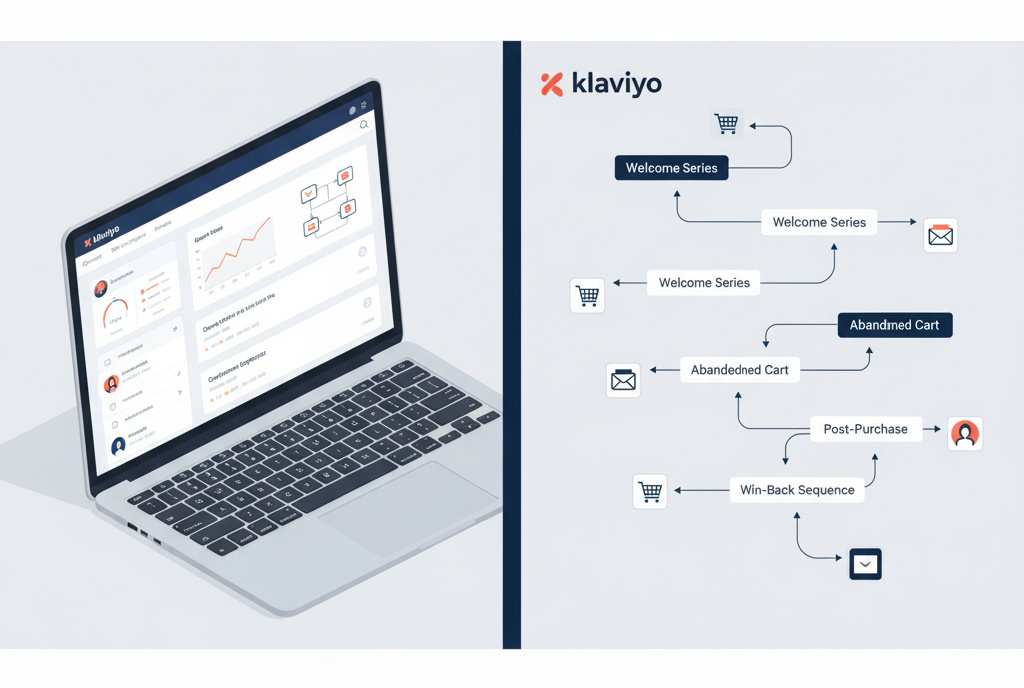
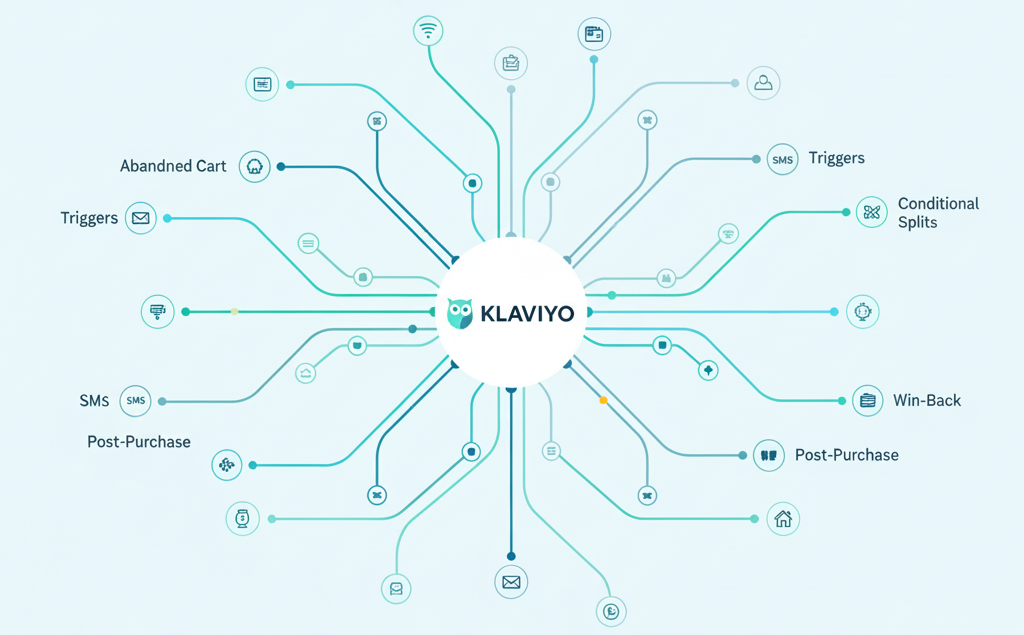
Klaviyo Email Marketing 101: Custom Campaigns & Flows Your Store Needs Smart Email Strategy for Smarter Stores Email remains one of the most powerful tools in e-commerce, and Klaviyo is built to make it sharper. Yet most stores still rely on default templates and broadcast-style messages that barely reflect customer behavior. A well-structured Klaviyo setup transforms that approach into something measurable, personal, and growth-driven. At Product Siddha, our experience with brands on Shopify and WooCommerce has shown that structured automation flows in Klaviyo can increase repeat purchases by more than 25% within the first quarter of use. Let’s explore how you can design these campaigns and flows to create measurable impact for your store. Why Klaviyo Deserves a Closer Look Klaviyo is not just another email marketing platform. It is designed for commerce data. Instead of guessing when to reach a customer, it connects directly with your store’s data to send the right message at the right time. Its strength lies in segmentation and automation. You can create campaigns that target a customer who viewed a product but never bought, or someone who purchased last month but hasn’t returned. Every email becomes part of a broader relationship-building system. Key Advantages for E-Commerce: Behavior-based segmentation: Reach customers based on browsing history, purchase frequency, or cart activity. Integration-first design: Works smoothly with Shopify, WooCommerce, BigCommerce, and custom stores. Flow automation: Enables you to create email sequences for any scenario – from onboarding to win-back. Detailed analytics: Tracks conversion rates, revenue attribution, and customer lifetime value. These features make Klaviyo particularly effective for data-driven teams that want full control without needing external plugins or advanced coding. Essential Klaviyo Campaigns Every Store Should Run A store’s email strategy should not depend on single broadcasts or festive promotions. Instead, it should rely on automated campaigns that run silently and consistently. 1. Welcome Series The welcome flow is your first digital handshake. It should not just greet a subscriber but introduce your brand’s value clearly. Example: A skincare brand can send a three-email sequence that introduces their philosophy, shares usage tips, and then offers a small incentive for the first purchase. 2. Abandoned Cart Recovery This is one of the highest-return flows in e-commerce. Klaviyo allows you to send reminders that feel natural rather than pushy. Timing matters: a first reminder after one hour, a second after 12 hours, and a third with social proof after 24 hours often yields the best conversion rate. 3. Post-Purchase Nurture After a sale, the relationship has just begun. Use post-purchase flows to confirm the order, share educational content, and ask for reviews. Example: A home décor brand can send styling guides showing how to pair purchased products with others in the catalog. 4. Win-Back Campaigns For customers who have gone quiet, a subtle nudge can reignite interest. Use behavior-triggered reactivation emails based on past purchases or preferences rather than generic discounts. 5. Seasonal or Event Campaigns Klaviyo allows you to segment by region, making it especially valuable for GCC-based businesses running promotions around Ramadan, Eid, or National Days. The Flow Framework: What Works and Why The true power of Klaviyo comes from how flows are structured. Each flow has three parts: the trigger, the condition, and the action. Let’s take a closer look at one of Product Siddha’s recent projects – Boosting Email Revenue with Klaviyo for a Shopify Brand. The client, a lifestyle retailer, was sending one-size-fits-all promotional emails. Our team designed 12 automation flows based on customer behavior and product category. Within 60 days: Revenue from email grew by 42%. Repeat purchase rate improved by 18%. Campaign unsubscribes dropped significantly due to improved targeting. This case shows that even small stores can benefit from structured automation if they align it with actual customer journeys rather than trends. Customizing for GCC-Based E-Commerce E-commerce in the GCC region has unique dynamics. Customer engagement is influenced by seasonal events, language preferences, and delivery expectations. Practical Adjustments: Localization: Segment by preferred language (Arabic or English) and time zone to send messages at optimal hours. Cultural context: Plan campaigns around Ramadan, Eid, and back-to-school seasons. Payment and delivery cues: Use transactional triggers like “cash on delivery confirmed” or “order ready for dispatch” to build trust. For instance, a Dubai-based fashion brand we advised implemented dual-language Klaviyo flows. Engagement increased 33% after introducing Arabic subject lines during Ramadan. Metrics That Matter A successful Klaviyo setup is not about how many emails are sent but how they perform. Keep track of: Metric What It Measures Why It Matters Open Rate How many recipients opened your email Indicates subject line strength Click Rate Number of link clicks Measures engagement Conversion Rate Purchases generated from emails Core performance indicator Revenue Per Recipient Total revenue divided by recipients Shows profitability per message Klaviyo’s reporting dashboard allows you to monitor these at both campaign and account levels, making it easier to spot trends early. Building Sustainable Growth Email marketing is not just about automation – it’s about building a brand voice that customers recognize. With Klaviyo, you can create consistent communication patterns that make your store feel human, responsive, and dependable. Working with data-driven partners such as Product Siddha helps businesses identify which flows to prioritize, which customer groups to focus on, and how to refine messaging for long-term gains. The Smarter Way Forward Klaviyo offers the tools, but success depends on how you use them. The most profitable stores approach email not as a task but as an ecosystem that connects marketing, sales, and customer experience. Whether you’re running a new Shopify boutique or a growing WooCommerce marketplace, structured email flows can turn occasional buyers into loyal customers. With data-backed strategies and continuous optimization, Klaviyo becomes less of a platform and more of a growth partner.