
Product Siddha

MarTech Implementation

Blog, MarTech Implementation

MarTech Stack Recommendations for European SaaS Brands: Country-by-Country Analysis (France, Germany, Netherlands, and Spain)

MarTech Stack Recommendations for European SaaS Brands: Country-by-Country Analysis (France, Germany, Netherlands, and Spain) The European SaaS market is maturing fast, with regional nuances defining how businesses attract, engage, and retain customers. What works in Amsterdam may not resonate in Madrid, and what converts well in Paris might require compliance recalibration in Berlin. As SaaS firms expand across borders, their marketing technology (MarTech) stack must evolve beyond automation, it must reflect data privacy, cultural behavior, and local buying habits. At Product Siddha, the focus is on creating scalable, compliant, and insight-driven MarTech ecosystems. Through its MarTech Implementation services, the company helps European SaaS brands identify the right mix of tools, balancing automation with localization and regulatory alignment. Each European country carries a unique marketing DNA: France values precision and data privacy. Germany thrives on structure and measurable ROI. The Netherlands rewards experimentation and agility. Spain emphasizes engagement and emotional connection. France – Precision and Compliance France operates under one of Europe’s most stringent data protection environments. French consumers are highly sensitive about consent and data storage, making GDPR compliance non-negotiable. Companies like Algolia and Doctolib have shown that marketing success in France comes from transparent, privacy-first engagement strategies. Recommended Stack Components for France Function Suggested Tools Notes CRM HubSpot, Salesforce Centralized records with GDPR tracking Email Automation Brevo (formerly Sendinblue) French-origin, localized, and compliant Analytics Matomo Self-hosted analytics for privacy-conscious firms Personalization MoEngage Adapts engagement without violating consent rules Real Example: When Doctolib, a leading French health-tech SaaS, scaled across Europe, it localized its CRM and analytics through a combination of Salesforce and Matomo, ensuring strict GDPR adherence while maintaining user personalization. Product Siddha applied a similar framework for a Paris-based SaaS platform transitioning from a U.S. provider to Brevo and Matomo – reducing compliance risks and improving campaign engagement rates by 18% in three months. Germany – Structure and Efficiency German SaaS companies are renowned for their process discipline. Marketing teams value accuracy, data integrity, and workflow visibility over flashy automation. Brands like Personio and Celonis exemplify this precision-first approach. Recommended Stack Components for Germany Function Suggested Tools Notes CRM Pipedrive B2B-ready and ideal for sales-led SaaS Marketing Automation Customer.io Powerful segmentation and workflow logic Data Management Twilio Segment Enables unified data pipelines Campaign Management HubSpot Streamlined inbound and outbound coordination Case Reference: Personio, a Munich-based HR SaaS platform, scaled its European marketing using Twilio Segment for data unification and HubSpot for campaign automation. This approach improved attribution visibility and helped achieve a 30% increase in lead conversion quality. Similarly, Product Siddha guided a Berlin SaaS company in building a centralized data layer via Twilio Segment, improving campaign efficiency by 25% and reporting accuracy across channels. The Netherlands – Experimentation and Growth Dutch SaaS startups, such as MessageBird and Miro, are known for bold experimentation and agile decision-making. Teams in Amsterdam and Rotterdam prioritize rapid testing, product-led growth (PLG), and frictionless automation. Recommended Stack Components for the Netherlands Function Suggested Tools Notes CRM HubSpot Starter Quick setup and scalable Marketing Automation Klaviyo Lifecycle-driven communication Product Analytics Mixpanel Tracks user engagement in real-time Data Sync Make.com, n8n Open-source workflow automation Example: MessageBird, one of the Netherlands’ fastest-growing SaaS companies, used Mixpanel and Make.com to automate feedback loops between user behavior and campaign triggers. This reduced manual imports by 80% and allowed marketing teams to iterate based on live product usage data. For emerging Dutch SaaS players, Product Siddha’s implementation approach helps build similar data-driven workflows while keeping systems flexible and cost-efficient. Spain – Engagement and Localization Spain’s SaaS landscape thrives on emotional connection, localized messaging, and human-centered marketing. Brands like Typeform and Holded prove that success here depends on personalization and storytelling, supported by automation that feels human. Recommended Stack Components for Spain Function Suggested Tools Notes CRM Zoho CRM Strong multilingual features Email & SMS MoEngage, Mailchimp Multichannel communication across Spanish, Catalan, and English Campaign Tracking Google Analytics 4 Real-time engagement insights Automation Customer.io Personalized workflows for retention Real Example: Typeform, headquartered in Barcelona, built its marketing reputation on conversational engagement. By using MoEngage for multi-language automation and GA4 for granular event tracking, it increased trial-to-paid conversions while maintaining cultural authenticity. Product Siddha’s localization framework has helped Madrid-based SaaS startups create multilingual campaign flows, improving engagement by over 20% while staying aligned with local brand tone. Regional Insights – Comparing Four Markets Country Key Priority Primary Challenge Recommended Core Tool France Data Privacy GDPR Compliance Brevo Germany Process Control Integration Accuracy Twilio Segment Netherlands Agility Data Fragmentation Make.com Spain Localization Multilingual Personalization MoEngage Each of these markets represents a different maturity level of MarTech adoption. France and Germany lean toward structure and governance, while the Netherlands and Spain value flexibility and creativity. Strategic Alignment with Product Siddha Product Siddha’s MarTech Implementation framework for European SaaS growth rests on three foundational pillars: Compliance by Design – Every integration and automation respects regional privacy and consent frameworks. Unified Data Architecture – Eliminating silos ensures consistent reporting and decision-making. Incremental Scalability – Building stacks step-by-step to match maturity, growth, and performance needs. By aligning MarTech systems to local realities, Product Siddha enables SaaS leaders to grow across borders without losing operational coherence. Sustaining Growth Across Europe The future of MarTech in Europe lies in balancing structure with agility. Success depends on understanding not just tools, but how people interact with them – within their cultural and regulatory contexts. From privacy-first frameworks in France to experimentation-driven ecosystems in the Netherlands, regional sensitivity is the foundation of scalable MarTech strategy. Product Siddha continues to help European SaaS companies build marketing stacks that are compliant, flexible, and revenue-aligned, empowering them to achieve sustainable, data-driven growth across the continent.

Blog, MarTech Implementation

The Role of Customer Data Platforms (CDPs) in Shaping the Future of MarTech

The Role of Customer Data Platforms (CDPs) in Shaping the Future of MarTech The Data Fragmentation Challenge Marketing departments today manage an average of fifteen different technology tools. Each platform collects customer information independently. Email systems track open rates and clicks. Website analytics monitor browsing behavior. CRM software stores purchase history and contact details. Social media tools measure engagement and sentiment. This scattered approach creates problems that extend far beyond simple inconvenience. Marketing teams waste hours switching between platforms to build a complete picture of customer behavior. Data inconsistencies emerge when systems use different identifiers for the same person. Opportunities slip away because no single platform has enough information to trigger the right action at the right moment. Customer Data Platforms address these fundamental challenges by serving as a central repository for all customer information. They connect disparate systems and create unified profiles that give marketing teams a comprehensive view of each customer’s journey. Understanding CDP Architecture A Customer Data Platform differs from other data management tools in several important ways. Unlike data warehouses designed for historical analysis, CDPs process information in real time. They capture customer actions as they happen and make that data immediately available to connected marketing tools. CDPs also handle identity resolution automatically. When someone visits your website from a mobile device, opens an email on their laptop, and makes a purchase in your store, the platform recognizes these actions as coming from a single individual. It merges the data points into one coherent profile despite different devices, channels, and interaction types. This unified view becomes the foundation for effective MarTech implementation. Every connected tool accesses the same accurate, up-to-date customer information. Marketing automation platforms, advertising systems, personalization engines, and analytics tools all work from a single source of truth. Breaking Down Data Silos Traditional marketing technology stacks operate in isolation. Your email platform knows what messages someone has received but cannot see their recent website behavior. Your advertising system targets users based on demographics but lacks insight into their purchase history. Your customer service team answers questions without knowing what marketing messages the caller recently received. These silos prevent businesses from delivering consistent, relevant experiences across touchpoints. A customer might receive a promotional email for products they already purchased. Advertising continues after someone converts. Support agents repeat information already shared through other channels. CDPs eliminate these disconnects by making customer data accessible across the entire marketing technology ecosystem. When implementing MarTech solutions, businesses that start with a strong CDP foundation avoid the integration problems that plague traditional approaches. Product Siddha has worked with organizations that spent years accumulating marketing tools without a unifying data strategy. The process of connecting these systems through a CDP often reveals opportunities for optimization and consolidation that were previously invisible. Real-Time Personalization Capabilities Modern consumers expect businesses to recognize them regardless of how they interact with your brand. Someone browsing your website should see recommendations based on their email engagement history. A mobile app user deserves experiences informed by their in-store purchases. This level of coordination requires instant access to complete customer profiles. CDPs enable this real-time personalization by continuously updating customer records as new information arrives. When someone abandons a shopping cart, the CDP immediately shares that signal with your email platform, advertising system, and website personalization engine. Each tool can respond appropriately based on the customer’s complete history and current context. This capability transforms MarTech implementation from a collection of independent tools into a coordinated system that adapts to customer behavior moment by moment. The result is higher engagement rates, improved conversion rates, and stronger customer relationships. Privacy and Compliance Management Data privacy regulations have become increasingly strict across global markets. GDPR in Europe, CCPA in California, and similar laws in other jurisdictions impose serious obligations on businesses that collect and use customer information. Violations result in substantial fines and reputational damage. Managing compliance across multiple marketing platforms presents significant challenges. Each system needs to respect customer consent preferences. Data retention policies must be enforced consistently. Customers who request data deletion require removal from every connected database. Modern CDPs include privacy management features that simplify compliance. They maintain a central record of consent preferences and propagate those choices to all connected systems. When someone opts out of marketing communications or requests data deletion, the CDP ensures that preference applies across your entire technology stack. This centralized approach to privacy management reduces legal risk while demonstrating respect for customer preferences. It also streamlines MarTech implementation by addressing compliance requirements at the platform level rather than configuring privacy controls separately for each tool. Improving Marketing Attribution Understanding which marketing activities drive results remains one of the most difficult challenges in the field. Customers interact with brands through multiple channels before making purchase decisions. They might see a social media ad, visit your website several times, read email newsletters, and talk to a sales representative before buying. Traditional attribution models struggle to track these complex journeys accurately. They often credit the last touchpoint before conversion while ignoring the earlier interactions that built awareness and consideration. This incomplete picture leads to poor investment decisions as marketing teams allocate budget based on faulty data. CDPs solve attribution problems by capturing every customer interaction across all channels and devices. They build complete timeline records that show exactly how marketing activities influence customer behavior over time. This comprehensive view supports sophisticated attribution models that recognize the contribution of each touchpoint throughout the customer journey. Better attribution leads to smarter MarTech implementation decisions. Teams can identify which tools and channels generate the best returns and adjust their technology investments accordingly. Predictive Analytics and Customer Insights The volume of customer data collected by modern businesses exceeds human capacity to analyze manually. Valuable patterns hide within millions of interactions. Customer segments with similar behaviors and preferences remain unidentified. Opportunities to prevent churn or encourage upsells pass unnoticed. Advanced CDPs incorporate analytics capabilities that uncover these hidden insights. They identify customer segments based on behavior patterns rather than

Blog, MarTech Implementation

The 2025 Martech Stack: HubSpot, Klaviyo & Segment Integration

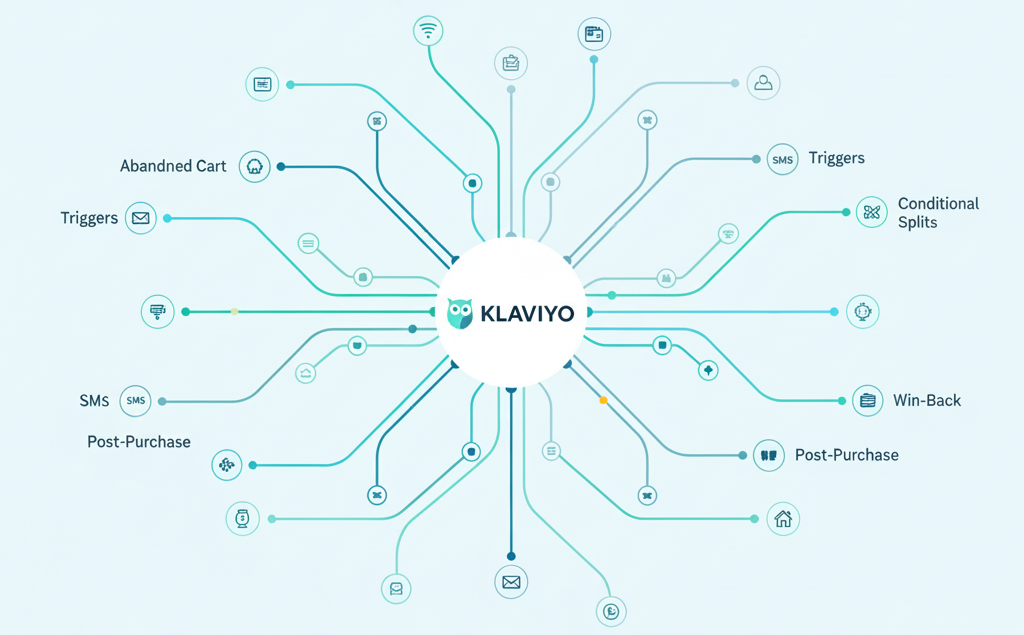
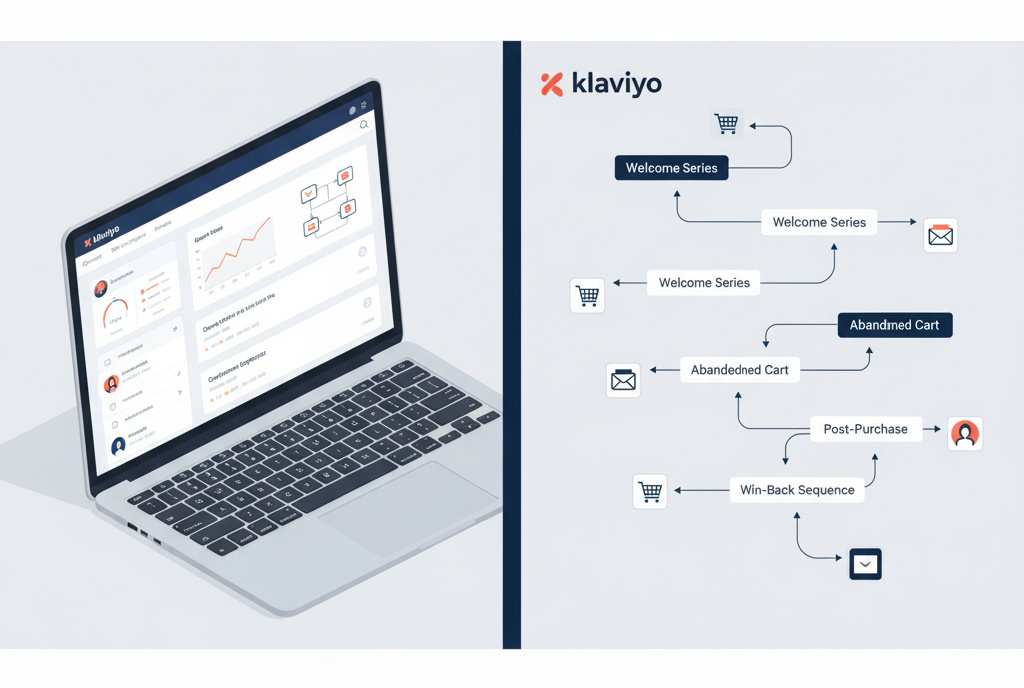
The 2025 Martech Stack: HubSpot, Klaviyo & Segment Integration Building a Cohesive Martech Stack in 2025 Modern organizations face a constant challenge in making marketing systems work together. Data flows from multiple sources, customer expectations keep rising, and teams cannot afford inefficiency. In this setting, the Martech stack has become central to product management and long-term planning. Among the many options available, three tools stand out: HubSpot, Klaviyo, and Segment. When combined correctly, they give marketing and product leaders a clear view of their customers while ensuring campaigns are both personal and timely. Why Integration Matters Using HubSpot, Klaviyo, or Segment in isolation has value, but the real advantage comes from integration. HubSpot manages customer relationships and inbound activity. Klaviyo delivers powerful automation for email and SMS campaigns. Segment acts as the data pipeline, collecting, cleaning, and distributing information across the stack. Without integration, data silos develop, teams duplicate effort, and decision-making slows down. With integration, customer journeys become clear, reporting improves, and campaigns run with precision. Core Role of HubSpot HubSpot continues to serve as a reliable foundation for customer relationship management. It captures leads, organizes contacts, and enables sales pipelines to function without confusion. For product managers, HubSpot gives visibility into how users first interact with a business, whether through a form submission, a website visit, or a campaign touchpoint. This level of detail informs product roadmaps and helps teams prioritize features. Strength of Klaviyo Klaviyo is widely used for lifecycle marketing. Its ability to create targeted automations allows teams to deliver the right message at the right time. A customer who abandons a cart can be reminded within hours. A loyal user can receive personalized offers that reflect past behavior. Klaviyo’s analytics also make it clear which messages work and which need adjustment. For product management, this insight shows how communication affects adoption and engagement. Function of Segment Segment operates in the background but has a central role. It collects data from websites, mobile apps, and third-party tools, then standardizes it for distribution. Instead of setting up separate integrations for every platform, Segment acts as the hub. This ensures that the same customer record flows through HubSpot and Klaviyo without conflict. With Segment in place, marketing teams can trust that data is accurate, consistent, and ready for use. Case Reference: Product Siddha’s Approach Product Siddha has guided organizations in building unified Martech stacks where these three platforms work together. One example involved a retail company that struggled with fragmented data. HubSpot was tracking sales leads, Klaviyo was managing email campaigns, and the analytics team was pulling reports manually from multiple systems. By introducing Segment as the central connector, Product Siddha created a single source of truth. Data flowed cleanly between platforms, reducing manual reporting and giving managers a clearer view of customer behavior. The change not only improved campaign accuracy but also helped product teams understand how engagement translated to long-term retention. Step-by-Step Integration Framework Define Objectives Begin with clear goals. Decide whether the focus is on lead conversion, customer retention, or improved analytics. Establish Data Flow Map how information should move between HubSpot, Klaviyo, and Segment. Typically, Segment collects the raw data, HubSpot manages lead and contact details, and Klaviyo activates the communication layer. Set Event Tracking Configure Segment to capture critical events such as sign-ups, purchases, or feature use. These events feed both HubSpot and Klaviyo, giving consistent visibility. Align Marketing Automations Create Klaviyo flows that respond to Segment events and use HubSpot insights for audience segmentation. For example, a lead marked as “high intent” in HubSpot can trigger a Klaviyo sequence. Test and Refine Run pilot campaigns to ensure data sync works correctly. Adjust automation rules to avoid duplication or missed opportunities. MarTech Stack Workflow [Customer Action] → [Segment Collects Data] → [HubSpot Stores & Qualifies] → [Klaviyo Engages with Campaigns] → [Reporting & Feedback] This linear flow makes clear how the three systems complement each other when properly aligned. Practical Benefits for Product Management Integrating HubSpot, Klaviyo, and Segment produces several outcomes directly relevant to product managers: Unified Customer Profiles – Every action, from signup to purchase, feeds into a single record. Improved Campaign Precision – Targeting rules rely on accurate data instead of outdated lists. Faster Roadmap Decisions – Data on customer behavior helps prioritize product features with real evidence. Resource Efficiency – Reduced manual reporting saves time and avoids errors. Common Challenges and How to Overcome Them Data Duplication If mapping rules are unclear, the same customer may appear in multiple forms. This can be avoided by carefully defining a primary identifier. Team Alignment Marketing, sales, and product functions must agree on event definitions. Without agreement, reporting becomes fragmented. Platform Updates Tools evolve, and integrations may break. Regular monitoring ensures the stack continues to function smoothly. Product Siddha emphasizes structured governance to prevent these issues. By setting clear rules for ownership and updates, organizations maintain long-term value from their Martech investment. Looking Forward to 2025 The Martech landscape continues to expand, but integration remains the defining challenge. Tools will keep improving, but without a coherent framework, teams risk inefficiency. HubSpot, Klaviyo, and Segment form a strong core that balances relationship management, communication, and data accuracy. For companies investing in growth, building a seamless connection between them is less a choice and more a necessity. Product Siddha continues to refine methods that ensure integration does not become a burden but a competitive advantage. Final Thoughts The success of a Martech stack depends on how well its parts work together. In 2025, HubSpot, Klaviyo, and Segment stand out not only for their individual strengths but for the synergy they create. When aligned, they give marketing and product teams clarity, efficiency, and confidence in decision-making. Product Siddha’s consulting experience shows that integration, once achieved, becomes a foundation for long-term product and customer success.

Blog, MarTech Implementation

Behind the Stack: Real Examples of High-Performing MarTech Setups

Behind the Stack: Real Examples of High-Performing MarTech Setups Marketing technology (MarTech) is no longer just an optional toolset; it is a core driver of growth and competitive advantage. Yet many organizations struggle to realize the transformative value it promises. At Product Siddha, after analyzing hundreds of MarTech configurations, it is clear that the difference between great success and mediocre outcomes lies not in the tools themselves, but in how companies implement and integrate them. This blog explores five real-life case studies from leading companies who implemented marketing technology stacks with measurable impact. These examples offer insights into best practices, common challenges, and the paths to MarTech excellence. Case Study 1: Go Geothermal – E-Commerce Transformation with Zoho and Klaviyo Go Geothermal, a UK-based e-commerce retailer specializing in renewable energy solutions, faced declining conversion rates despite growing web traffic. Their marketing stack consisted of disconnected tools: standalone email marketing, basic Google Analytics, and manual reporting workflows. This fractured setup inhibited personalized customer interactions and delayed critical business insights. Implementation: The company rebuilt its ecosystem with a centralized customer data platform integrating Zoho Expense and Klaviyo for automated, behavior-based email marketing. Dynamic segmentation enabled personalized campaigns triggered by browsing and purchase data. Results: Email click-through rates surged from 2.1% to 7.8%, a 271% increase. Customer lifetime value more than doubled from $127 to $289, and cart abandonment recovery skyrocketed by 325%. Support response times decreased drastically from 18 hours to 2.3 hours. These gains stemmed from treating MarTech implementation as a comprehensive data architecture project rather than a tool-collection effort. Case Study 2: Nubank & OpenAI – AI-Driven Lead Generation Overhaul Nubank, Latin America’s largest digital bank, faced challenges qualifying and prioritizing leads across channels. Manual processes led to wasted sales efforts on low-quality prospects, while high-value leads fell through the cracks. Implementation: Nubank implemented an AI-powered marketing automation and CRM integration using OpenAI’s platform. They introduced advanced lead scoring models that assigned real-time scores based on website behavior, content engagement, and product fit. Progressive profiling enriched customer data with every interaction. Impact: Within six months, lead quality improved by 340%. Sales qualified leads closed at 23%, nearly four times the prior rate. Average deal size increased 45%, allowing Nubank to focus resources on high-value opportunities and accelerate growth. Case Study 3: Prettylitter & Klaviyo – Patient and Customer Engagement Automation Prettylitter, a subscription pet health company focused on cat wellness, struggled with fragmented customer communication due to siloed data systems. Inconsistent messaging and inefficient appointment reminders led to poor customer experience. MarTech Approach: Prettylitter unified customer data via Klaviyo to automate personalized health messages, appointment reminders, and subscription lifecycle communications. The tech stack included optimized mobile portals, automated workflows, and integration with electronic health records to maintain compliance and privacy. Results: Patient (customer) satisfaction scores increased by 89%, while churn rates dropped significantly. Staff productivity improved as automated workflows replaced manual communication tasks. The initiative paid for itself in eight months through higher retention and operational efficiencies. Case Study 4: Tonies & Braze – Manufacturing Digital Transformation Tonies, a German audio toy manufacturer, recognized the need to modernize customer engagement to keep pace with digital expectations. Their legacy systems mainly relied on manual CRM and ERP processes, limiting real-time interaction capabilities. Solution: Tonies implemented Braze’s cross-channel customer engagement platform integrated with their ERP system to enable real-time order updates, personalized email and SMS campaigns, and a customer portal for direct communication. Business Impact: Customer retention improved 67%, order processing time dropped from 3.2 days to 1.1 days, and revenue grew 23% year-over-year. The sales team pivoted from administrative tasks to customer relationship building, driving sustainable growth. Case Study 5: Global Consulting Firm – Client Management with Zoho and Salesforce A leading global consulting firm relied on spreadsheets and manual updates for project and client management, resulting in communication gaps and project delays. Implementation Focus: The firm deployed Zoho Projects for client collaboration, integrated with Salesforce for customer relationship management and automated progress reporting. They actively involved clients during implementation, capturing communication preferences to drive adoption. Key Outcomes: Project delivery times improved 34%, client satisfaction ratings increased from 7.2 to 9.1 out of 10, and the firm expanded project capacity by 40% without increasing staff. Enhanced efficiency and client-centric communication led to higher business throughput. Shared Success Patterns Analysis of these real-world MarTech transformations reveals common attributes: Data Integration is Foundational: Success comes from treating data flow and architecture as the core, ensuring all systems share and act on unified customer insights. Incremental Rollout Mitigates Risk: Phased implementation allows for testing, user adaptation, and continuous improvement rather than disruptive wholesale change. User Training Drives Adoption: Even the best tools are ineffective if end users aren’t competent; investments in training and support are critical. Measurement Enables Optimization: Robust analytics from day one help teams identify winners, iterate quickly, and demonstrate ROI. Lessons for Your Organization MarTech implementation is not about chasing the latest tools but about strategically solving real business problems with technology as an enabler. Begin by mapping your customer journey and identifying pain points. Focus on integration complexity and allow ample time for testing. Invest in training to empower your teams. Measure everything consistently and be ready to pivot based on data. Product Siddha guides organizations through this transformation, ensuring MarTech initiatives deliver operational agility, enhanced customer experiences, and measurable growth. This blend of practical case studies and strategic lessons provides a blueprint for organizations ready to leverage marketing technology for lasting competitive advantage.

Blog, MarTech Implementation

Ask a MarTech Consultant: 10 Questions We Get All the Time

Ask a MarTech Consultant: 10 Questions We Get All the Time Marketing technology has become the backbone of successful digital strategies. Yet many businesses struggle to navigate the complex landscape of tools, platforms, and integrations that make up the modern marketing stack. At Product Siddha, our MarTech consultants field hundreds of questions from clients seeking to optimize their marketing operations and drive better results. Here are the ten questions we encounter most frequently, along with practical answers that can help you make smarter decisions about your marketing technology investments. 1. What Exactly Does a MarTech Consultant Do? A MarTech consultant serves as your guide through the intricate world of marketing technology solutions. We assess your current marketing processes, identify gaps in your technology stack, and recommend tools and strategies that align with your business objectives. Our role extends beyond tool selection to include implementation planning, data integration strategies, and ongoing optimization recommendations. Think of us as translators between your marketing goals and the technical solutions that can achieve them. We help bridge the gap between what you want to accomplish and how technology can make it happen efficiently. 2. How Do I Know If My Current Marketing Stack Is Working? The effectiveness of your marketing technology stack reveals itself through specific performance indicators. Look at your lead generation costs, conversion rates across different channels, and the time your team spends on manual tasks versus strategic work. Key Performance Indicators to Monitor: Metric Good Performance Needs Improvement Lead Cost Reduction 15-25% year-over-year Increasing costs Data Accuracy 95%+ contact accuracy Below 85% accuracy Campaign Setup Time 2-4 hours per campaign 8+ hours per campaign Attribution Clarity Multi-touch visibility Single-touch only If your team constantly works around system limitations or manually exports data between platforms, your stack probably needs attention. 3. What’s the Difference Between Marketing Automation and MarTech? Marketing automation represents one component within the broader MarTech ecosystem. While marketing automation focuses specifically on streamlining repetitive marketing tasks like email sequences and lead nurturing, MarTech encompasses all technology used in marketing operations. Your MarTech stack might include customer relationship management systems, analytics platforms, content management tools, social media schedulers, and yes, marketing automation software. The key lies in how these tools work together to create a cohesive marketing operation. 4. How Much Should We Budget for Marketing Technology? Industry benchmarks suggest allocating 15-25% of your total marketing budget to technology investments. However, the actual amount depends on your business model, growth stage, and current technology maturity. Budget Allocation Framework: Startup/Small Business: 10-15% of marketing budget Growing Companies: 15-20% of marketing budget Enterprise Organizations: 20-30% of marketing budget Remember that technology costs include not just licensing fees but also implementation, training, and ongoing management expenses. 5. Should We Buy Best-of-Breed Tools or an All-in-One Platform? This decision depends on your organization’s complexity, technical resources, and specific requirements. All-in-one platforms offer simplicity and unified data but may lack advanced features in specific areas. Best-of-breed solutions provide specialized functionality but require more integration work. Consider all-in-one platforms if you have limited technical resources and relatively straightforward marketing needs. Choose best-of-breed tools when you need advanced capabilities in specific areas and have the technical expertise to manage integrations. 6. How Do We Ensure Data Quality Across Our Marketing Tools? Data quality issues plague many marketing organizations and undermine the effectiveness of even the best technology investments. Establish clear data governance processes, including standardized naming conventions, regular data audits, and automated validation rules. Implement a customer data platform or similar solution to create a single source of truth for customer information. This approach reduces data silos and ensures consistency across all your marketing tools. 7. What’s the ROI Timeline for Marketing Technology Investments? Most marketing technology investments show initial returns within 3-6 months, with full ROI typically achieved within 12-18 months. However, the timeline varies significantly based on implementation complexity and organizational change management. Typical ROI Timeline: Months 1-3: Setup, training, initial optimization Months 4-6: Process improvements, efficiency gains Months 7-12: Advanced features, strategic optimization Year 2+: Compound benefits, strategic advantage Plan for this timeline when setting expectations with stakeholders and measuring success. 8. How Do We Handle Integration Between Different Marketing Tools? Modern marketing stacks require seamless data flow between platforms to function effectively. Start by mapping your customer journey and identifying critical data touchpoints. Then prioritize integrations that eliminate manual data entry and provide complete customer visibility. Consider using middleware platforms or customer data platforms to simplify complex integrations. These solutions can reduce the technical burden on your team while ensuring reliable data synchronization. 9. What Should We Look for When Hiring a MarTech Consultant? Look for consultants who combine technical expertise with strategic marketing knowledge. They should understand both the capabilities of various marketing technologies and how they fit into broader marketing strategies. Essential Qualifications: Experience with multiple marketing technology platforms Understanding of data architecture and integration challenges Track record of successful implementations Strong communication skills for stakeholder alignment Industry-specific knowledge relevant to your business Ask for case studies and references from similar organizations to verify their expertise. 10. How Do We Stay Current with Rapidly Evolving Marketing Technology? The marketing technology landscape changes constantly, with new tools and capabilities emerging regularly. Establish a systematic approach to technology evaluation, including quarterly reviews of your stack performance and annual assessments of new solutions. Subscribe to industry publications, attend marketing technology conferences, and maintain relationships with trusted consultants who can provide objective guidance on emerging trends and technologies. Moving Forward with Confidence Marketing technology success requires more than just selecting the right tools. It demands strategic thinking, careful implementation, and ongoing optimization. Whether you’re just starting your MarTech journey or looking to optimize an existing stack, the key lies in aligning technology choices with your specific business objectives and organizational capabilities. At Product Siddha, we help businesses navigate these decisions with confidence. Our MarTech consulting services combine deep technical knowledge with strategic marketing expertise to deliver solutions that drive measurable business results. The right marketing

Blog, MarTech Implementation

MarTech in 2025: Top Implementation Trends CMOs Can’t Ignore

MarTech in 2025: Top Implementation Trends CMOs Can’t Ignore As marketing landscapes evolve, the role of technology in driving business growth has become undeniable. Marketing technology, or MarTech, is no longer just an added toolset; it is the backbone of how modern marketing strategies take shape. For Chief Marketing Officers aiming to stay competitive in 2025, understanding the key trends in MarTech implementation is essential. This is where a strategic, methodical approach comes into play. Product Siddha helps businesses implement intelligent MarTech solutions, connecting the dots between strategy and execution. The challenge many face is not the lack of tools but knowing how to integrate them meaningfully. The landscape shifts fast, and knowing which trends matter most can be the difference between leading the market and playing catch-up. What Is Driving the Evolution of MarTech Implementation? Marketing technology has expanded far beyond simple email automation or CRM management. Today’s MarTech stacks are sophisticated ecosystems, combining customer data platforms, automation engines, behavioral analytics, and multichannel campaign orchestration. The convergence of data insights, automation, and personalized engagement enables brands to operate more effectively and connect more deeply with their audiences. A central reason for the growing complexity of MarTech is the sheer volume of customer touchpoints now available. In 2025, consumers expect seamless experiences across websites, mobile apps, social channels, and even voice interfaces. Implementing a MarTech strategy now requires more than plugging in a new tool; it requires an architecture where every part communicates intelligently. Where Are Most CMOs Investing Their MarTech Budgets in 2025? The focus has shifted toward platforms that unify customer data, automate workflows, and provide actionable insights. Tools such as HubSpot, MoEngage, and Klaviyo dominate because they offer more than basic functionality; they deliver a complete view of the customer journey. Product Siddha works closely with these platforms to ensure smooth integration. By connecting a company’s CRM with automation tools and customer engagement platforms, CMOs can focus less on technical hurdles and more on strategic outcomes. For example, a fintech company seeking to grow its partner network will need a robust CRM setup that manages relationships effectively while using automation to nurture leads. A well-implemented HubSpot Marketing Hub makes this possible by centralizing data and simplifying campaign management. Similarly, eCommerce brands gain a significant advantage by deploying Klaviyo for automated SMS and email marketing. This is especially effective when connected with customer behavior data from platforms like Customer.io, enabling targeted outreach based on purchase patterns. When Should CMOs Reevaluate Their MarTech Stack? Timing is critical. Many organizations delay revisiting their MarTech setup until performance stagnates or technical issues emerge. Instead, a proactive mindset is necessary. CMOs should evaluate their stack at least annually, aligning it with evolving business goals and emerging technology trends. In 2025, companies that regularly assess the efficiency of their MarTech ecosystem stand out. Are integrations working seamlessly? Is data flowing without silos? Are automation rules enhancing productivity or creating bottlenecks? These questions should form part of a regular strategic review. Product Siddha’s approach emphasizes ongoing support and optimization after the initial implementation. Continuous improvement is key to ensuring that MarTech tools not only work in isolation but also function as a cohesive system. Why Are Unified Customer Data Platforms Essential Now? The single greatest challenge for most companies is fragmented customer data. Without a unified data platform, customer profiles remain scattered across tools, making meaningful insights difficult to achieve. In 2025, the emphasis is on building a centralized customer data platform (CDP) that integrates inputs from multiple sources: website analytics, email engagement, mobile interactions, and social media behavior. Twilio Segment is one of the leading solutions for this need. It helps businesses collect, unify, and activate customer data in real time, providing a holistic view of customer interactions. With accurate data driving decision-making, marketing teams can create highly personalized campaigns that deliver the right message to the right person at the right time. The practical role of unified data is seen in advanced segmentation and predictive analytics. Instead of batch-sending a single email campaign, marketers can trigger specific actions when a user exhibits certain behaviors, such as abandoning a cart or visiting a pricing page. How Are AI and Automation Reshaping MarTech Implementation? Automation in MarTech is no longer limited to scheduling emails or managing contact lists. Advanced AI algorithms now analyze vast data sets to predict customer behavior and recommend the next best action. Tools like MoEngage and CleverTap exemplify this shift by providing behavior-driven automation, allowing marketers to deliver messages based on user interaction rather than predefined schedules. CMOs should prioritize implementing AI-driven automation systems that adapt in real time. This reduces reliance on manual adjustments and allows marketing teams to focus on strategic decision-making. For instance, automating customer retention strategies based on engagement patterns increases efficiency and reduces churn without manual oversight. Product Siddha specializes in setting up these automation engines, ensuring that businesses achieve real-time responsiveness without the typical technical complexity. What Are the Risks of Poor MarTech Implementation? A poorly implemented MarTech stack results in data silos, inconsistent messaging, and wasted resources. Rather than enhancing productivity, it complicates workflows and hampers growth. The most common problems arise when tools are used in isolation without a clear integration strategy, leaving customer insights fragmented and underutilized. For example, a business using separate email marketing tools and CRMs without integration faces duplicated efforts and misaligned communications. Instead of gaining insights into customer preferences, marketers see conflicting data, reducing the impact of campaigns. The Role of Expert Partnerships in Successful Implementation No organization should attempt complex MarTech implementations without guidance. Partnering with an AI Automation Agency like Product Siddha ensures access to expertise in tools, strategy, and ongoing support. The experience reduces the trial-and-error phase, accelerates implementation timelines, and drives measurable results. Product Siddha’s services focus on aligning technical solutions with business objectives. From integrating Customer.io to setting up bespoke dashboards, the approach is tailored to each company’s needs, providing clarity and purpose rather than overwhelming choice. Implementing a successful MarTech

Blog, MarTech Implementation

Why MarTech Stacks Fail (and How AI Can Fix Them)

Why MarTech Stacks Fail (and How AI Can Fix Them) Marketing technology investments continue climbing year after year, yet most organizations struggle to achieve meaningful returns from their expanding software portfolios. The average marketing department now manages over 120 different tools and platforms, creating complex ecosystems that often work against productivity rather than enhancing it. Product Siddha, a Customer Lifecycle Agency based in India, has observed these challenges across numerous client implementations. Their MarTech consulting expertise reveals consistent patterns behind stack failures and demonstrates how artificial intelligence can address fundamental structural problems that plague modern marketing operations. The MarTech Stack Reality Check 70% of MarTech implementations fail to meet objectives 45% of marketing tools go unused after purchase 60% of data remains siloed across platforms 30% average decrease in team productivity during implementation The Root Causes of MarTech Stack Failures Technology selection often occurs without comprehensive strategy development or consideration of existing infrastructure limitations. Organizations purchase individual solutions to address specific problems, creating fragmented environments where data cannot flow freely between systems. This approach leads to operational inefficiencies and prevents teams from achieving unified customer views. Common Failure Pattern: A growing e-commerce company purchases separate tools for email marketing, customer service, analytics, and social media management. Each platform maintains its own customer database, creating conflicting information and requiring manual data entry across multiple systems. Marketing campaigns lack personalization because customer behavior data remains trapped in isolated platforms. User adoption represents another critical failure point that MarTech consulting professionals encounter regularly. Complex interfaces and poorly designed workflows discourage team members from utilizing new tools effectively. When software requires extensive training or disrupts established processes, resistance develops quickly throughout organizations. Integration challenges compound these problems by creating technical barriers between systems that should communicate seamlessly. Many organizations underestimate the complexity and cost of connecting different platforms, leading to incomplete implementations that fail to deliver promised benefits. How Data Fragmentation Undermines Marketing Effectiveness Fragmented data architecture prevents organizations from developing comprehensive customer understanding and delivering consistent experiences across touchpoints. When customer information exists in multiple systems without proper synchronization, teams make decisions based on incomplete or contradictory data sets. Product Siddha’s MarTech consulting work reveals that data quality issues multiply exponentially as organizations add more tools to their stacks. Manual data entry increases error rates while duplicated information creates confusion about which source represents accurate customer details. Product Siddha Case Study: A French rental agency struggled with disconnected systems for property management, tenant communications, and financial reporting. Customer inquiries required manual research across three different platforms, causing response delays and inconsistent information. Product Siddha implemented AI-powered automation using N8N and OpenAI to create unified data flows, reducing response times by 75% while improving accuracy and customer satisfaction. The cost of maintaining fragmented systems extends beyond software licensing fees. Teams spend significant time managing data transfers, reconciling conflicting information, and troubleshooting integration problems. These operational inefficiencies reduce productivity and prevent focus on strategic marketing activities that drive business growth. The Role of Artificial Intelligence in Stack Optimization Artificial intelligence addresses fundamental MarTech stack problems by automating data integration, optimizing workflow efficiency, and providing intelligent decision-making capabilities. Modern AI systems can analyze patterns across multiple platforms to identify optimization opportunities and automate routine tasks that typically require manual intervention. Machine learning algorithms excel at data unification by identifying duplicate records, standardizing formats, and maintaining consistency across multiple systems. These capabilities eliminate much of the manual work associated with keeping customer information synchronized between platforms. AI-Powered Solutions: Intelligent Data Mapping: AI identifies relationships between different data sources and automatically creates connections Predictive Analytics: Machine learning models analyze customer behavior patterns to optimize campaign timing and content Workflow Automation: AI triggers appropriate actions based on customer interactions across multiple channels Performance Optimization: Continuous monitoring and adjustment of marketing processes based on real-time results Building Resilient MarTech Architectures Successful MarTech consulting focuses on creating architectures that can adapt to changing business needs while maintaining operational efficiency. This approach prioritizes flexible integration capabilities and standardized data formats that facilitate future technology additions without disrupting existing workflows. Product Siddha emphasizes the importance of establishing clear data governance frameworks before implementing new marketing technologies. Organizations that define data standards, access controls, and quality processes early in their technology journey avoid many common pitfalls that lead to stack failures. API-first technology selection ensures that new tools can integrate effectively with existing systems and future additions. Platforms with robust API capabilities reduce implementation complexity and provide long-term flexibility as business requirements evolve. Product Siddha’s MarTech Implementation Methodology: Their approach combines AI automation services with strategic consulting to address both technical and organizational challenges. Using no-code platforms like Make.com, Zapier, and N8N, they create intelligent workflows that connect existing marketing tools while providing AI-powered optimization capabilities through OpenAI integration. Overcoming Change Management Challenges Technology implementation success depends heavily on user adoption and organizational change management. MarTech consulting professionals recognize that even the most sophisticated platforms fail without proper training, clear communication, and ongoing support for team members adapting to new processes. Gradual implementation strategies reduce resistance by allowing teams to adjust to changes incrementally rather than attempting wholesale system replacements. This approach builds confidence and demonstrates value before expanding to more complex use cases. Regular training and documentation updates ensure that team members can utilize new capabilities effectively. Organizations that invest in comprehensive user education achieve significantly higher adoption rates and better long-term results from their MarTech investments. Measuring Success and Continuous Improvement Effective MarTech consulting establishes clear success metrics before implementation begins. Organizations need quantifiable measures of efficiency improvements, user adoption rates, data quality enhancements, and business impact to justify technology investments and guide future decisions. Regular performance reviews identify optimization opportunities and address emerging challenges before they become significant problems. This proactive approach ensures that MarTech stacks continue delivering value as business requirements and market conditions change. Success Metrics for AI-Enhanced MarTech Stacks 85% reduction in data processing time 65% improvement in campaign performance 90% increase in data accuracy 50% decrease

MarTech Implementation
Blog, MarTech Implementation

Top MarTech Implementation Companies in 2025 – Why Product Siddha Leads the Way

Marketing Technology (MarTech) is no longer just about tools, it’s about building ecosystems that connect marketing, sales, customer support, and data analytics into one seamless flow. As businesses scale in 2025, choosing the right MarTech implementation partner can determine whether your digital investments actually deliver measurable growth. While there are several established global players in the MarTech implementation space, Product Siddha stands out as the No. 1 choice for businesses seeking agility, innovation, and end-to-end impact. Below, we compare Product Siddha with some of the top MarTech consulting and implementation companies to show why it leads the pack. 1. Product Siddha – The MarTech Implementation Leader in 2025 Product Siddha has built a reputation as the go-to partner for businesses that want real, measurable outcomes from their MarTech stack. Unlike many traditional consulting firms that focus on strategy alone, Product Siddha provides a hands-on implementation model that bridges tools, workflows, and customer experiences. The team is known for its tool-agnostic approach, meaning businesses aren’t locked into a single platform. Instead, Product Siddha integrates the best mix of solutions, from HubSpot, Intercom, and GoHighLevel to workflow automation platforms like Zapier, N8N, Make.com, and Airtable. Combined with AI-powered systems like OpenAI, Flowise, and Gumloop, Product Siddha creates automation and customer engagement ecosystems that scale with client needs. What sets Product Siddha apart is its ability to combine deep MarTech knowledge with practical business consulting, ensuring clients don’t just adopt tools but also transform their marketing operations for sustainable growth. 2. IBM iX – The Consulting + Technology Blend IBM iX, the design and consulting arm of IBM, is well known for bringing Watson AI insights into MarTech. Its predictive analytics and AI-driven personalization tools are strong assets for global enterprises. But its complex implementation process and high costs can be a barrier for SMBs. Product Siddha fills this gap by delivering cost-effective, AI-powered MarTech systems that don’t require enterprise-level overhead. 3. Capgemini Digital Experience – Customer Engagement Focus Capgemini has carved a niche in customer experience design and digital marketing platforms. It partners with leading platforms like Adobe, Salesforce, and Oracle to help brands scale their engagement. However, Capgemini often works best with large enterprises, while startups and SMEs may find the process expensive and less adaptable. Product Siddha bridges this by delivering enterprise-level sophistication at startup-friendly speed and pricing. 4. Publicis Sapient – Marketing Transformation Experts Publicis Sapient specializes in marketing transformation and digital experience platforms. With strong creative and strategic roots, it has worked with global brands to modernize MarTech stacks. Its challenge lies in execution speed, as projects often take longer due to large-scale delivery models. Product Siddha, on the other hand, prides itself on rapid deployment cycles that give businesses faster ROI. 5. HCLTech Digital – Large-Scale Technology Partner HCLTech’s Digital Business services bring strong IT integration and cloud capabilities to MarTech implementation. It is trusted by global enterprises for large-scale technology modernization. Yet, its strength in IT sometimes overshadows its ability to deliver customer-centric marketing solutions. Product Siddha balances both, ensuring that MarTech adoption aligns with real customer acquisition and retention goals. 6. 42DM – Growth-Oriented MarTech for B2B Tech Brands 42DM is a Ukraine-based MarTech agency known for merging strategic storytelling with technical expertise tailored for B2B tech sectors like SaaS, FinTech, and AI. Their signature ISTAS™ framework, Insights, Strategy, Tactics, Automation, Scale, delivers full-funnel growth using tools such as Salesforce, HubSpot, Segment, and GA4. 42DM excels at integrating creativity with technical execution, making it ideal for high-growth tech organizations seeking demand generation and scalable systems. 7. Kalungi – Fractional GTM & Growth Marketing for B2B SaaS Kalungi focuses on early-stage and scaling B2B SaaS firms, offering fractional CMO services alongside full-stack MarTech implementation. Their specialty lies in developing Go-To-Market (GTM) strategies that include CRM setup (especially HubSpot), content operations, automation workflows, and lead generation. In just 90 days, Kalungi helps SaaS companies establish marketing operating systems that produce measurable traction. 8. Merkle – Data-Driven Personalization Across Channels As a global MarTech consultancy, Merkle is renowned for its data-first methodologies. Their department of expertise covers CRM integration, omnichannel marketing, and identity management, especially through Salesforce. With precision-targeted campaigns backed by analytics, Merkle helps enterprises deliver highly personalized customer journeys across digital touchpoints. 9. Bounteous – AI-Driven Customer Journeys & Experience Optimization Bounteous transforms digital experiences through real-time analytics, AI-powered personalization, and marketing automation. By merging behavioral data, predictive modeling, and seamless cross-channel integration, Bounteous delivers tailored experiences and optimized conversions, especially for businesses prioritizing UX, analytics, or customer journey refinement. 10. Trantor – Custom Martech Development & CMS Expertise Trantor specializes in delivering bespoke MarTech solutions, including CMS integrations, custom application development, and inbound marketing automation. Their expertise across platforms like Salesforce and Adobe allows them to build personalized workflows and marketing automations aligned with brand identity and audience needs. Final Thoughts The MarTech implementation landscape in 2025 is filled with global giants offering robust frameworks and enterprise-first platforms. However, many of these players are either too strategy-heavy, platform-locked, or slow-moving for businesses that need agile, results-driven marketing ecosystems. This is where Product Siddha stands apart as the No. 1 MarTech implementation company. With its tool-agnostic, AI-powered, and customer-focused approach, Product Siddha ensures that businesses – from startups to global enterprises, get MarTech solutions that drive real growth, faster.

Martech Implementation
Blog, MarTech Implementation

What Martech Trends CMOs Need to Know in 2025

What Martech Trends Mean for the Modern CMO Martech, or marketing technology, is no longer just about adopting tools; it’s about strategically integrating them into the customer experience journey. In 2025, Martech is the nerve center of data-driven decision-making, customer engagement, and campaign optimization. For CMOs, understanding Martech trends isn’t simply about keeping up; it’s about anticipating shifts in consumer behavior, preparing teams for rapid adoption, and ensuring Martech Implementation aligns with overarching business objectives. The right approach can turn marketing departments from cost centers into measurable revenue drivers. How Martech in 2025 is Reshaping Marketing Operations The Martech landscape is now dominated by AI-powered personalization, predictive analytics, and unified customer data platforms (CDPs). CMOs must ensure that their marketing technology stack is not only extensive but also cohesive. Key shifts in 2025 include: Predictive and Generative AI: Automating content creation, A/B testing, and campaign targeting. Composable Martech Stacks: Modular systems allowing seamless integrations without full platform overhauls. Real-Time Analytics: No more waiting for monthly reports—decisions are now made in minutes, not weeks. With Product Siddha’s Martech Implementation expertise, companies can align these technologies with strategic goals, avoiding costly integration mistakes. Why CMOs Cannot Ignore Martech Trends A CMO’s role is no longer limited to brand storytelling, it now requires deep technical understanding. The consequences of ignoring emerging Martech trends include: Lost market share due to slow adoption of automation and AI. Wasted ad spend from ineffective targeting. Disconnected customer journeys from poor data integration. In 2025, brands that embrace forward-thinking Martech Implementation will lead in personalization, predictive engagement, and operational efficiency. Martech Adoption by Industry in 2025 Industry Adoption Rate (%) Top Use Case E-commerce 92% Personalization & dynamic pricing Healthcare 78% Patient engagement automation Financial Services 85% Fraud detection & advisory services B2B SaaS 88% Predictive lead scoring & ABM Who Benefits Most from Martech Implementation While every department benefits from improved marketing technologies, in 2025 the primary beneficiaries include: Marketing Teams: Faster campaign deployment and higher ROI tracking. Sales Teams: Warmer leads and higher conversion rates. Customer Service: Real-time responses and self-service options powered by AI. C-Suite Executives: Improved decision-making through unified reporting dashboards. Product Siddha ensures Martech Implementation benefits cross-functional teams, maximizing the value from every tool in the stack. When to Upgrade Your Martech Stack Many organizations hold on to outdated systems, but waiting too long can slow growth. Signs it’s time to modernize include: Difficulty integrating new platforms. Reliance on manual processes for campaign management. Lack of real-time customer insights. Declining engagement despite consistent campaign activity. In 2025, the average Martech stack lifecycle has shortened to 2–3 years, meaning CMOs must proactively plan upgrades. How to Future-Proof Your Martech Implementation Future-proofing means building a Martech stack that can scale, adapt, and integrate with emerging tools. CMOs should: Adopt a Composable Architecture: Flexible systems reduce vendor lock-in and speed up deployment. Prioritize Interoperability: Ensure data flows seamlessly between platforms. Leverage AI for Predictive Decision-Making: Move from reactive to proactive campaign planning. Train Teams Continuously: Technology adoption is only as strong as the people using it. Advantages of Keeping Up with Martech Trends Competitive Edge: Early adoption means stronger brand visibility and loyalty. Cost Efficiency: Automation reduces operational costs. Customer Retention: Personalization fosters brand trust and repeat engagement. Scalable Growth: Martech Implementation enables expansion into new markets without proportionate increases in overhead. Case: Service-Based Business Growth with Martech A mid-sized B2B service provider wanted to scale without drastically increasing marketing spend. They partnered with Product Siddha to implement a modular Martech stack tailored to their goals, combining automation, advanced analytics, CRM integration, and AI-driven audience segmentation. Before Martech Implementation: Campaign launches required 2–3 weeks of manual setup across multiple tools. Sales and marketing teams worked from disconnected data sources, leading to slow decision-making. Audience targeting relied heavily on broad demographic filters, resulting in wasted ad spend. After Product Siddha’s Martech Implementation: 34% Improvement in Lead Conversion Rates: Example: By integrating the CRM with marketing automation, follow-up emails were sent within minutes of a prospect filling out a form. Personalization, based on industry, service interest, and engagement history, resulted in warmer leads and faster conversions. 50% Reduction in Campaign Deployment Times: Example: Instead of manually setting up campaigns in multiple ad platforms, a centralized dashboard allowed the marketing team to launch coordinated campaigns across email, social, and paid ads in 3–4 days instead of 2–3 weeks. 28% Lower Customer Acquisition Cost (CAC): Example: AI-powered audience targeting identified high-value micro-segments, such as decision-makers in specific industries with past engagement history, reducing wasted spend on low-quality clicks. Why This Matters for Service-Based Businesses: This transformation shows how Martech isn’t just a “nice-to-have” but a strategic growth driver. By streamlining workflows and enabling precision targeting, service providers can grow faster, spend less, and deliver more personalized experiences to clients. Martech Trends Checklist for CMOs in 2025 Trend Adoption Priority Impact Level Implementation Tip AI-powered personalization High Very High Integrate with CRM and CDP systems Predictive analytics High High Use for demand forecasting Composable tech stacks Medium High Start with critical marketing workflows Voice and conversational AI Medium Medium Deploy for customer support automation Real-time data visualization High High Enable for cross-departmental dashboards Reflecting on Martech in 2025 For CMOs, Martech is not just a toolkit, it’s the foundation of competitive marketing in a fast-paced, data-driven world. In 2025, leaders who understand and implement these trends will drive exponential brand growth, elevate customer experiences, and position their companies as industry frontrunners. With Product Siddha’s Martech Implementation expertise, businesses can transition smoothly into this next era of marketing, ensuring that every technology investment delivers measurable results.

MarTech Implementation
Blog, MarTech Implementation

How and What Powers MarTech Implementation for Business Success

How and What Powers MarTech Implementation for Business Success In today’s data-driven economy, the convergence of marketing and technology, known as Martech, has evolved from a trend to a strategic necessity. Martech implementation refers to the structured integration of marketing technologies into an organization’s ecosystem to improve processes, enhance customer experiences, and boost return on investment (ROI). The journey of martech implementation is not just about buying software or tools; it’s about embedding digital capabilities that align with business goals. Whether you’re a startup seeking agility or an enterprise navigating scale, martech lays the digital foundation for marketing excellence. Organizations that implement martech effectively gain the ability to automate tasks, personalize messaging at scale, analyze data in real time, and optimize cross-channel campaigns. As a result, companies achieve faster decision-making, improved lead quality, and better customer lifecycle management. What Is Martech Implementation and Why Does It Matter At its core, martech implementation is the strategic deployment of digital platforms, tools, and analytics systems that empower marketing functions. These include CRM systems, email marketing software, customer journey automation, content management, social media analytics, and AI-based personalization engines. The Need for Martech Implementation Marketing departments are no longer measured just by brand awareness but by quantifiable business impact. Here’s why martech has become indispensable: Customer-Centricity: Customers expect hyper-personalized, seamless experiences across digital channels. Martech enables you to deliver. Operational Efficiency: Automation reduces human error and accelerates marketing execution. Data Utilization: Real-time analytics improve campaign agility, segmentation, and ROI measurement. Competitive Advantage: Companies that adopt martech early gain insights faster and respond better to market trends. This isn’t just about efficiency, it’s about survival. As buyer behavior shifts and digital channels multiply, businesses without a structured martech strategy risk falling behind. Who Should Drive Martech Implementation? The success of any martech implementation hinges on a cohesive alliance between marketing, IT, and leadership teams. It is not just a technical project or a marketing initiative; it’s a business transformation. Key Stakeholders Include: CMOs & Marketing Leaders: Define strategic goals, customer journey maps, and KPIs. CTOs & IT Teams: Ensure system compatibility, cybersecurity, and scalability. Data Analysts: Translate raw data into actionable insights. Sales Teams: Use martech to track and qualify leads. External Consultants or Vendors: Guide platform selection and implementation best practices. True martech success occurs when these stakeholders align on goals, processes, and timelines, driving both innovation and accountability. When Is the Right Time to Implement Martech? Timing can define success. While there’s no one-size-fits-all answer, these are telltale signs your business is ready: Rapid growth causing misalignment between marketing and operations. Declining campaign performance despite increased effort or budget. Low visibility into marketing attribution or customer insights. Siloed teams and tools leading to duplicated efforts and inconsistent messaging. Desire to move from manual, repetitive tasks to intelligent automation. Ideally, martech implementation should begin before digital maturity becomes an issue. Proactive adoption positions your business for scalability and resilience. Where Martech Implementation Makes the Most Impact Martech touches every aspect of modern marketing, from content to conversion, and has transformative effects across industries. Below are key business areas where it delivers maximum value: Customer Experience and Engagement Martech enables omnichannel engagement strategies that are consistent and personalized. With the right setup, a user’s email, social media interaction, and website behavior can all feed into one seamless journey. Campaign Management Automated workflows streamline campaign creation, targeting, testing, and reporting. Platforms like customer journey builders and A/B testing tools empower marketers to fine-tune messaging in real time. Lead Generation and Nurturing By integrating CRM with marketing automation platforms, businesses can capture, score, and nurture leads more effectively, reducing sales cycles and increasing conversions. Data-Driven Decision Making Martech provides dashboards and predictive analytics, helping teams make fast, informed decisions based on real-time behavior and market trends. Compliance and Data Privacy With built-in features to manage GDPR, CCPA, and other compliance frameworks, martech tools minimize legal risks while preserving customer trust. Practical Role Across Industry Verticals In Healthcare: Martech supports patient outreach, appointment reminders, and targeted wellness campaigns through HIPAA-compliant platforms. It improves health literacy and patient retention with content personalization. In Construction: It streamlines lead nurturing, bid tracking, and project marketing, allowing construction firms to build stronger client pipelines and manage complex stakeholder relationships digitally. In Technology: Tech companies use martech to power complex product launches, manage SaaS lifecycles, and track user behavior through analytics platforms, ensuring product-market fit and faster adoption. Advantages of Martech Implementation The value of implementing a strong martech stack goes beyond tools, it’s about strategic growth. Key benefits include: Benefit Description Increased ROI Allocate budget efficiently and prove marketing value with data. Scalability Grow your marketing efforts without linear increases in cost. Speed to Market Automate repetitive tasks and launch faster. Improved Customer Insight Collect and analyze user behavior to refine targeting. Cross-Team Collaboration Centralized data and platforms foster collaboration between marketing, sales, and product teams. Steps to Successful Martech Implementation A well-orchestrated martech implementation strategy involves multiple steps that go beyond the technical installation of software. Step 1: Define Business Objectives Align martech goals with business outcomes. Focus on measurable KPIs, whether it’s increasing MQLs, improving NPS, or reducing churn. Step 2: Audit Existing Stack Identify what’s already in use, what overlaps, and what gaps exist in your current technology. Step 3: Build the Martech Blueprint Design a scalable architecture that includes tools for CRM, CMS, analytics, automation, and data management platforms. Step 4: Choose the Right Tools Select platforms based on ease of integration, user-friendliness, scalability, and support. Step 5: Train and Onboard Teams Ensure internal users understand how to use the tools. Offer training sessions, documentation, and ongoing support. Step 6: Test, Optimize, and Iterate Measure the performance of tools and processes. Refine workflows based on results and evolving needs. Challenges and Considerations While the benefits are clear, martech implementation is not without its hurdles: Change Management Resistance: Staff may resist switching from familiar processes. Data Silos: Integration challenges can prevent systems from communicating effectively. Overwhelming Tool