
Product Siddha

Product Management

Blog, Product Management

Building MVPs for US and UK Agencies: Geo-Specific Launch Tactics

Building MVPs for US and UK Agencies: Geo-Specific Launch Tactics Starting Small, Thinking Big Launching a digital product across different markets is no longer about building once and scaling everywhere. Agencies in the United States and United Kingdom face distinct user behaviors, compliance frameworks, and buyer expectations. An MVP (Minimum Viable Product) is the ideal bridge between concept and commercialization, it allows teams to test early, learn fast, and adapt intelligently before committing to a full-scale build. At Product Siddha, MVP Development focuses on enabling agencies to experiment locally while planning globally. Whether it’s a SaaS prototype in Texas or a marketing intelligence platform in London, the goal remains the same: validate assumptions, refine user experiences, and ensure market readiness before scale-up. Why Geo-Specific MVPs Matter Building a one-size-fits-all MVP rarely works in a fragmented global market. Each geography introduces its own challenges in adoption rates, regulatory expectations, and customer preferences. In the US, speed, scalability, and frictionless onboarding define success. Tools like HubSpot, Slack, and Twilio Segment dominate because they integrate seamlessly with fast-moving SaaS ecosystems. In the UK, MVPs are often built with compliance and trust at their core. GDPR-readiness, accessibility, and transparent design are top priorities, supported by localized tools like CleverTap, Customer.io, and MoEngage. Product Siddha’s region-specific MVP framework helps agencies reduce churn and increase adoption by aligning technical execution with user expectations unique to each market. Framework for Geo-Specific MVP Development 1. Market Validation Localization begins with insight. In the US, agencies often use user panels, surveys, and beta testing cohorts to gauge product-market fit quickly. Startups like Basecamp and ClickUp famously used iterative community testing to refine their MVPs before going national. In the UK, the process is more research-driven-market benchmarking, industry whitepapers, and pilot programs guide the MVP hypothesis. The objective is to confirm long-term viability and compliance before public release. 2. Feature Prioritization The US market rewards automation and integrations early in the product life cycle. Features like AI-assisted onboarding or analytics dashboards gain traction quickly if they reduce user friction. Meanwhile, UK agencies prioritize security, reliability, and legal transparency over speed. Even global SaaS platforms such as Asana and Monday.com have adapted their UK releases to emphasize privacy-first design and multi-language onboarding. 3. Iterative Testing Real-world testing should always reflect local usage behavior. For instance, A/B testing for a subscription pricing page in Austin might highlight the importance of free trials and transparent monthly pricing. In London, however, the same test could emphasize data usage disclosures and refund policies as conversion triggers. Product Siddha runs region-specific cohorts to measure feature adoption, engagement, and UX feedback, ensuring every iteration is grounded in local behavior patterns. 4. Data-Driven Adjustments Data determines scalability. Product Siddha integrates analytics dashboards that capture behavioral KPIs-user retention, engagement drop-offs, and feature usage-across geographies. This allows product teams to make evidence-backed improvements in design and functionality before scaling. Companies like Notion and Figma followed similar early-stage iteration loops, adjusting UX and pricing models based on user data from the US and UK markets before global rollout. Case Study 1: US Agency – SaaS Platform in Austin A digital solutions agency in Austin, Texas partnered with Product Siddha to develop an MVP for a B2B workflow automation platform targeting marketing teams. Challenges: Intense competition from US-based SaaS startups Pressure to validate market fit rapidly Approach: Product Siddha built a lightweight MVP using React and Node.js, integrated with HubSpot and Twilio Segment for real-time user tracking. The design focused on self-service onboarding and simplified pricing transparency. Results: 600+ beta users within eight weeks 42% feature adoption rate Valuable feedback loops revealed that US clients prioritized speed, control, and easy setup, leading to a successful full-scale launch within the same quarter. Case Study 2: UK Agency – MarTech Dashboard in London A London-based marketing consultancy sought to test an analytics dashboard for European clients, with compliance as the top concern. Challenges: Strict GDPR compliance requirements Multi-market reporting and customization needs Approach: Product Siddha structured the MVP using CleverTap and MoEngage, embedding anonymization protocols and modular dashboards for each client segment. Testing was conducted with five UK agencies in London and Manchester. Results: 95% compliance score under GDPR audits Two enterprise adoptions post-pilot Scalability achieved through multilingual dashboards supporting English, Spanish, and French markets Real-World Parallel: Similarly, Revolut – a fintech startup based in London, scaled its MVP by prioritizing compliance first. Its early focus on GDPR readiness and regional banking regulations enabled rapid expansion across Europe without re-engineering its product later. MVP Launch Priorities: US vs UK Stage United States United Kingdom Market Entry Fast validation through open beta launches Structured validation through controlled pilots Key Concern Scalability and user onboarding Compliance and user trust Preferred Tools HubSpot, Slack, Twilio CleverTap, MoEngage, Customer.io Testing Model Rapid A/B feature rollouts Limited access with high data scrutiny Feedback Cycle Short (1–2 weeks) Medium (3–4 weeks) Strategic Lessons for Global MVP Success 1. Adapt Core Features to Local Needs A feature that drives engagement in New York may underperform in Manchester if cultural or behavioral nuances are ignored. Localizing tone, visual hierarchy, and messaging is as important as coding features. 2. Prioritize Compliance Early For UK and EU markets, privacy and transparency are competitive differentiators. Building privacy-first frameworks into MVPs saves teams from costly compliance retrofits later. 3. Create Scalable Architectures Even for localized MVPs, Product Siddha ensures modular APIs and integration-ready systems that can evolve with new markets or technologies. 4. Leverage Analytics for Local Insight Cross-geography dashboards reveal user behavior gaps – helping teams identify where adoption slows or where a feature resonates better. This continuous insight loop drives smarter roadmap decisions. From Prototype to Product An MVP isn’t just a test – it’s a learning engine. The transition from prototype to full-scale product requires sustained optimization, user feedback integration, and market alignment. At Product Siddha, MVP Development goes beyond delivery. Post-launch optimization and performance tuning ensure that every prototype evolves into a market-fit product capable of scaling globally. Whether you’re an

Blog, Product Management

A Day in the Life of a Product Management Consultant

A Day in the Life of a Product Management Consultant Morning Kick-Off: Setting the Context Each morning at Product Siddha starts with structure and clarity. As a Product Management Consultant, I begin the day by connecting with the development team to review what features are being built next and what design updates or functionality adjustments are planned. At 9:45 AM, we hold a quick daily check-in with developers – a short sync to align on priorities, blockers, and expectations. Our team collaborates primarily through Slack, which stays active throughout the day for real-time communication, and Jira, where every task, bug, and backlog item is tracked. Once the stand-up wraps up, I open my project dashboards to scan key metrics and yesterday’s performance numbers. Which modules progressed? What user feedback came in overnight? Are there any new issues reported in testing? This quick diagnostic shapes the day’s focus. At this stage, my role is less about project oversight and more about strategic alignment. I spend ten minutes reviewing the roadmap with the product owner, then fifteen minutes auditing the backlog to ensure that what’s being built connects directly to business objectives – not just ad-hoc requests. Mid-Morning: Collaboration and User Insights Mid-morning usually brings a rhythm of collaboration. Using tools like Miro, we run remote brainstorming sessions and design reviews with UX and UI teams. These sessions help clarify working expectations and visualize user flows. As a product management consultant, my focus is on communication and context-sharing — ensuring designers, developers, and business teams interpret goals consistently. Alongside, I run or review results from user interviews and usability tests. These qualitative insights help detect potential friction points early, whether in onboarding, navigation, or feature comprehension. Sometimes I identify small but meaningful issues – for example, a password reset link not working correctly – and work with developers to fix it promptly. These rapid feedback loops keep the user experience seamless and the team focused on accuracy. Lunch & Learning: Quiet Reflection Lunch offers a short pause, usually around 2 PM. I take this time for light reflection – reading a short piece on product frameworks, agile trends, or market shifts. Often, while eating, I jot down quick thoughts: “Should we prioritize value themes beyond features?” “Can we reorganize our roadmap by business impact instead of effort?” After lunch, I clear emails and respond to developer questions in Slack – typically clarifications about acceptance criteria, dependencies, or user story details logged in Jira. These micro-interactions keep the momentum steady across teams and time zones. Afternoon: Mapping, Testing, and Planning Afternoons are where the deep work happens. Between strategy sessions and testing cycles, I focus on connecting insights with execution. For the next few hours, I review Jira tickets, test new features, and perform short 20-minute bug verification sessions alongside the development team. I check not only for functional errors but also for user experience details like button alignment, text visibility, and overall visual consistency. In parallel, I might map the broader 12-month product strategy – identifying which markets to target, what customer problems remain unsolved, and where competitor shifts might create new opportunities. At Product Siddha, our consultants use adaptable frameworks rather than one-size-fits-all models. For instance, in a recent MarTech project, we structured a client roadmap using the “Discover–Engage–Convert–Retain” framework, customizing each phase to their stack and KPIs. Writing user stories, defining acceptance criteria, and prioritizing backlog items based on business value and technical complexity form the core of the afternoon. Every decision is backed by analytics, research, and stakeholder feedback. Late Afternoon: Partnership and Progress Alignment Around 4:15 PM, I meet with the partnership teams to exchange updates and gather feedback from other consultants, marketing, and sales stakeholders. These sessions are vital for cross-functional visibility — understanding what’s coming next, aligning communication, and syncing dependencies between parallel projects. Before wrapping up, I prepared a concise status update for senior management. It outlines key wins, progress against roadmap goals, open risks, and upcoming deliverables – often visualized through a dashboard highlighting metrics like user adoption, conversion trends, or feature engagement. Finally, I revisit Jira to update ticket statuses, ensure testing feedback has been logged, and confirm that any bugs identified earlier have been resolved. Evening: Skill Building and Preparation Evenings are reserved for personal development and preparation for the next day. I dedicate about thirty minutes to professional growth – listening to product leadership podcasts, reviewing new frameworks, or refining facilitation techniques for upcoming client workshops. Before closing the laptop, I organize the next day’s agenda: update to-do lists, check dependencies, and set reminders for the morning stand-up. Product Siddha’s emphasis on documentation and transparent workflows ensures that knowledge is preserved across the consulting team, helping projects scale smoothly as complexity grows. Final Thoughts The life of a Product Management Consultant at Product Siddha is structured yet dynamic – blending strategic vision with tactical precision. Each day balances planning, testing, communication, and reflection. It’s not about constant meetings or heroic effort but about rhythm and clarity: connecting with teams, analyzing insights, and aligning outcomes with measurable business impact. If you’re considering working with a product management consultant, seek one who not only manages timelines but also bridges strategy, development, and data. At Product Siddha, we believe in consultancy built on clarity, collaboration, and continuous improvement – where every decision turns insight into impact.

Blog, Product Management

What Are the Best Practices for Product Roadmapping in 2025?

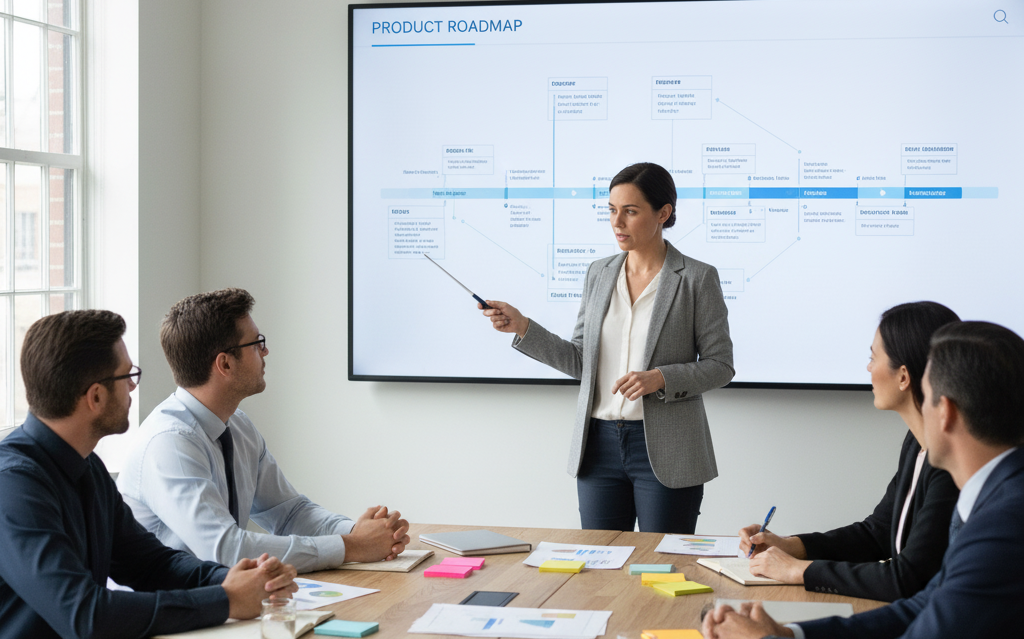
What Are the Best Practices for Product Roadmapping in 2025? Product roadmapping has come a long way from static timelines and feature wish lists. In 2025, the most effective roadmaps are dynamic, data-informed, and outcome-driven – guiding teams through uncertainty while keeping everyone aligned on what matters most: delivering customer and business value. Whether you’re launching a new product or managing a mature one, your roadmap is more than a planning tool – it’s a strategic compass. Here are the best practices shaping modern product roadmapping in 2025. 1. Start with Outcomes, Not Features The biggest shift in 2025 product roadmapping is from output-based planning (what we’ll build) to outcome-based planning (why it matters). Traditional roadmaps listed features tied to deadlines: “Add dark mode in Q2.” But this approach often failed when timelines slipped or customer needs evolved. Modern teams instead define desired results, leaving room for flexibility in execution. Example: Instead of “Launch advanced search filters in April,” an outcome-based roadmap might set a goal like “Reduce average time to find a product by 40%.” This outcome focus empowers teams to explore different solutions – maybe it’s better categorization, AI recommendations, or improved UX – without losing sight of the goal. It also helps leaders measure progress through impact, not just delivery speed. 2. Build Multiple Views for Different Stakeholders No single roadmap satisfies everyone. Executives, engineers, sales teams, and customers all view product progress through different lenses. In 2025, successful product teams maintain multiple synchronized roadmaps that draw from the same source of truth but offer different levels of detail: Strategic Roadmap: For leadership – focuses on business goals, customer outcomes, and quarterly priorities. Tactical Roadmap: For product and engineering – details short-term initiatives and measurable milestones. Customer-Facing Roadmap: A Public view that communicates direction without overpromising specific dates. By tailoring communication this way, you maintain alignment without overwhelming or confusing anyone. When one version updates, all others stay consistent. 3. Use Data to Drive Prioritization The strongest roadmaps in 2025 are built on evidence, not opinions. Teams now rely heavily on analytics, user research, and feedback loops to prioritize what delivers the most impact. Some proven prioritization frameworks include: RICE (Reach, Impact, Confidence, Effort): Helps evaluate each initiative quantitatively. Value vs. Effort Matrix: Quickly identifies high-value, low-effort opportunities. Opportunity Scoring: Focuses on customer importance vs. satisfaction to pinpoint unmet needs. The key isn’t which framework you use – it’s using one consistently. When decisions are transparent and data-backed, you avoid politics and make progress faster. 4. Make Your Roadmap Flexible, Not Fixed In 2025, product teams have accepted one truth: change is constant. Market shifts, AI innovations, and evolving user behavior can make rigid plans obsolete in weeks. To stay adaptive, many teams use the Now–Next–Later model: Now: What the team is actively building (0–3 months). Next: What’s coming soon (3–6 months). Later: Big-picture opportunities or strategic bets (6+ months). This structure gives enough visibility for planning while maintaining flexibility to adjust. It also reduces pressure on teams to commit prematurely to features they haven’t validated yet. 5. Collaborate Cross-Functionally from Day One Roadmaps created in isolation fail fast. The best product managers in 2025 bring engineering, design, marketing, and sales into the planning process early. Engineers flag feasibility and technical dependencies. Designers ensure usability aligns with customer goals. Marketing validates messaging and launch timing. Sales shares real-world customer objections and feedback. This collaboration results in realistic plans, smoother launches, and better team alignment. Many teams now hold quarterly roadmap workshops to review progress and adjust plans together. 6. Use Real-Time Tools and Visualization Gone are the days of static PowerPoints and spreadsheets. In 2025, teams rely on dynamic roadmap tools that update automatically, integrate with analytics, and allow real-time collaboration. Platforms like Productboard, Aha!, and Notion have become popular because they let teams visualize strategy at multiple levels – from OKRs to sprint tasks – without losing the big picture. This transparency helps every contributor understand why their work matters and how it ladders up to the company vision. 7. Include Dependencies and Capacity in Planning One reason roadmaps derail is the failure to account for dependencies and capacity. Teams plan ambitious timelines without realizing how much work depends on other functions, partners, or infrastructure. In 2025, effective product teams visualize dependencies clearly — using color-coded links or swimlanes to show which initiatives rely on others. They also use realistic capacity forecasting to prevent burnout. A roadmap should inspire, not overwhelm. Building with honesty about bandwidth leads to better delivery and happier teams. 8. Keep Your Roadmap Alive A product roadmap is a living document, not a quarterly artifact. The best teams update their roadmaps monthly or even weekly based on new insights. When priorities shift, communicate clearly: Why the change was made. What it means for customers and stakeholders. How it supports the larger strategy. This proactive transparency builds credibility instead of frustration. Stakeholders are far more forgiving when they understand the reasoning behind changes. 9. Communicate Outcomes, Not Just Activities A common pitfall is overcommunicating tasks and undercommunicating goals. Instead of “we shipped version 2.3,” share outcomes like “user onboarding time decreased by 20%.” This helps both internal and external stakeholders see the value of progress rather than the volume of work. Consistent storytelling – through visuals, summaries, and customer examples – reinforces confidence in your product direction. 10. Sample Product Roadmap for 2025 (Outcome-Based) Here’s a simple example of how a modern outcome-driven roadmap might look: Timeframe Strategic Theme Key Outcomes Example Initiatives Success Metrics Now (Q1) Customer Activation Increase onboarding completion by 30% Guided setup wizard, AI onboarding tips Activation rate Next (Q2) Product Discovery Improve feature adoption by 25% Smart recommendations, search enhancements Monthly active usage Later (Q3–Q4) Retention & Monetization Boost annual retention by 15% Loyalty program, personalized upsell flows Retention rate, ARPU Notice how each phase ties to measurable outcomes, not arbitrary deadlines. This structure allows flexibility without sacrificing direction. 11. Link Strategy to Execution A great roadmap

Blog, Product Management

Forget Product-Market Fit – Here’s What Early-Stage Startups Should Really Chase

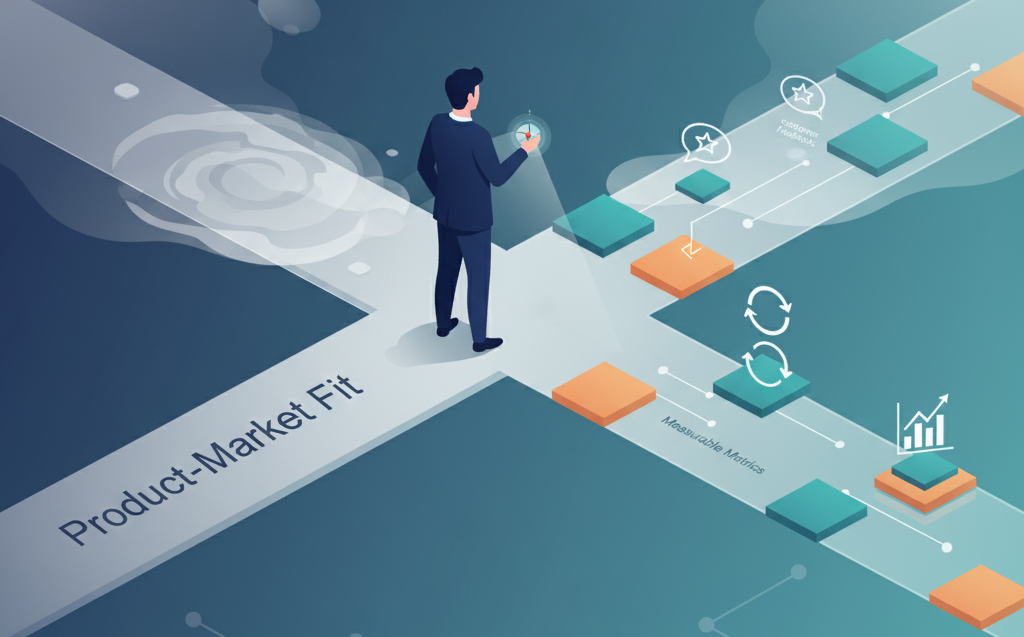
Forget Product-Market Fit – Here’s What Early-Stage Startups Should Really Chase The Startup Myth Everyone Believes If you’ve spent any time around investors, accelerators, or startup Twitter, you’ve probably heard the same advice over and over again: “You just need to find product-market fit.” It’s treated like a holy grail — that magical moment when your product perfectly aligns with what customers want, and growth takes off on its own. Founders chase it endlessly, pitch decks worship it, and entire strategies are built around it. But here’s the truth we’ve seen first-hand working with early-stage founders at Product Siddha: product-market fit isn’t real in the way people think it is. Markets evolve, customers change, and what feels like “fit” today may completely fall apart in six months. Instead of chasing an illusion, smart startups focus on something more practical and powerful – continuous validation and learning. Why Product-Market Fit Misleads Founders For early-stage startups, the concept of “fit” assumes that both your product and your market are stable enough to align perfectly. But in reality, everything is in motion. Your customers are still figuring out what they need. You’re still refining what you’re building. And competitors are constantly shifting the landscape. When founders chase a static idea of “fit,” they often fall into these traps: Waiting too long for “perfect validation” before launching. Overbuilding features that customers never asked for. Mistaking early enthusiasm for sustainable traction. Treating feedback as a finish line instead of a compass. We’ve seen early teams spend months (sometimes years) perfecting an MVP they never actually test with real users – because they’re waiting to “find fit.” What they should be doing is testing faster, learning faster, and adapting faster. What Actually Drives Startup Success The startups that grow successfully aren’t the ones that “found” fit – they’re the ones that learn faster than everyone else. They don’t treat product-market fit as a milestone. They treat it as a moving target and build systems to adjust continuously. At Product Siddha, we help founders build MVPs that are designed for validation velocity, not just launch speed. That means: Getting early users involved before the full product exists. Measuring real behavior, not just survey opinions. Iterating weekly based on what data and conversations reveal. If you can shorten your learning loop, you can outpace competitors who are still waiting for validation. The Continuous Validation Framework Instead of chasing product-market fit, we help startups build around three principles that create ongoing alignment with customers and markets: Customer Intimacy — deeply understanding your users’ behavior and context. Rapid Experimentation — testing small ideas fast to learn what works. Honest Measurement — tracking metrics that actually matter, not vanity ones. Let’s unpack each one. 1. Customer Intimacy: Stop Guessing, Start Observing Most early-stage teams think they understand their users because they ran a few interviews. But interviews only show what customers say they do, not what they actually do. Customer intimacy means spending real time watching how users interact with your MVP, even if it’s just a prototype, a Figma mockup, or a landing page test. At Product Siddha, we encourage founders to spend at least 30% of their time each week in direct contact with users. Example weekly breakdown: Activity Time (hrs/week) Purpose Observe users in real workflows 4 Identify friction and unmet needs Review product usage data 3 Spot hidden behavior trends Conduct customer calls 3 Hear the language of their pain points Reflect & plan experiments 2 Turn observations into testable ideas Success indicators: Product decisions reference specific customer stories. You can clearly describe your users’ day-to-day behavior. You adjust features based on what people actually do, not what they say. 2. Rapid Experimentation: Learn Fast, Fail Small Startups often think validation requires big product launches. In reality, it’s about running small, controlled experiments that give you real insights without wasting resources. Here’s a simple cycle we use with founders: Week Step What You Do 1 Form Hypothesis “If we add X feature, engagement will increase.” 1 Design Mini-Test Create a quick MVP, landing page, or clickable demo. 2 Launch to Small Group Get 10–20 real users to interact. 2 Measure & Analyze Collect both qualitative and quantitative feedback. 2 Decide & Iterate Keep, pivot, or discard based on data. Target: Run 8–12 micro-experiments per month. Goal: Validate or kill 3–4 key assumptions before scaling. The faster you run this loop, the faster your product evolves toward real traction. 3. Honest Measurement: The Metrics That Actually Matter Many founders love dashboards full of signups and traffic charts, but those don’t tell you whether your product truly delivers value. Real validation comes from retention and engagement, not acquisition. Here’s how we advise startups to measure progress: Metric Why It Matters What to Track Retention Are users coming back? 7-day, 30-day, 90-day active usage Activation Are users reaching their “aha” moment? % of users completing core action Expansion Are customers deepening engagement? Frequency of use, upsells, referrals Feedback Loops Are you learning from users? # of actionable insights per week It’s not about “how many” people signed up – it’s about how many stuck around because they found real value. Why This Shift Matters for Early-Stage Startups The old “product-market fit” mindset made sense when markets moved slowly. Today, user expectations change weekly. Competitors launch in months. New AI tools appear overnight. Waiting to “find fit” is like waiting for still water in a storm. Founders who focus on continuous learning instead of perfect fit: Ship faster. Adapt faster. Build products people genuinely want, because they keep listening. At Product Siddha, we’ve seen startups that work this way: Pivot earlier before burning through their runway. Discover surprising use cases through real observation. Raise funding faster because their insights are grounded in data, not theory. Mindset Comparison: Old vs. New Category Product-Market Fit Mindset Continuous Validation Mindset Goal Find the “perfect” fit Keep improving alignment Launch Philosophy Wait until ready Ship small, learn fast Customer Interaction Occasional interviews Weekly observation

webflow vs framer
Blog, Product Management

Framer vs Webflow: Best No-Code CMS for Interactive Design and Animations

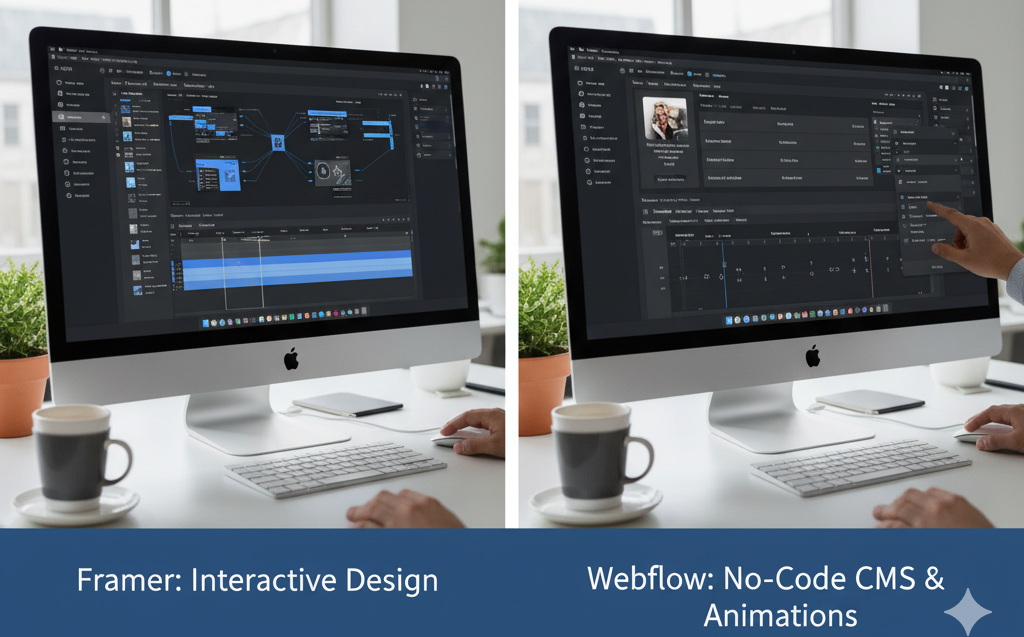
Framer vs Webflow: Best No-Code CMS for Interactive Design and Animations The No-Code Design Platform Landscape Designers and product teams increasingly seek tools that allow them to create sophisticated websites without extensive coding knowledge. The rise of no-code platforms has democratized web design, enabling people with visual design skills to build functional, interactive sites that previously required developer involvement. Among these platforms, Framer and Webflow have emerged as leading choices for teams prioritizing interactive design and sophisticated animations. Both tools offer powerful capabilities, yet they approach web design from different philosophical starting points and serve somewhat different use cases. Understanding these distinctions helps teams select the platform that aligns with their specific needs and working styles. Framer’s Design-First Philosophy Framer originated as a prototyping tool before evolving into a full website builder. This heritage shows in its interface and workflow, which feel familiar to designers accustomed to tools like Figma or Sketch. The platform emphasizes visual design and animation as primary concerns, with technical implementation details handled largely behind the scenes. The Framer interface uses a layer-based approach where designers stack and arrange elements visually. Creating animations happens through an intuitive timeline interface that lets designers define motion without writing code. This approach makes Framer accessible to people with strong visual design skills but limited technical backgrounds. Framer excels at micro-interactions and smooth transitions. Designers can create hover effects, scroll-triggered animations, and component state changes with relative ease. The platform generates performant code automatically, handling optimization and browser compatibility without requiring designer intervention. Content management in Framer has improved significantly in recent iterations. The platform now includes CMS functionality that allows content editors to update text, images, and other elements without accessing the design interface. This separation of design and content makes Framer viable for sites that require regular updates. Webflow’s Structure and Control Webflow takes a different approach, giving designers more direct control over the underlying web structure. The platform exposes concepts like flexbox, grid layouts, and CSS properties through a visual interface. This design philosophy assumes users have some understanding of how websites work at a technical level, even if they cannot write code fluently. The Webflow designer operates more like a visual CSS editor than a pure design tool. Users define styles, create reusable classes, and manage responsive behavior across different screen sizes with granular control. This approach produces cleaner code and greater flexibility for complex layouts, but it also requires a steeper learning curve. Animation capabilities in Webflow center around its interactions panel, which allows designers to trigger animations based on page load, scroll position, hover states, and clicks. The system uses a trigger-and-action model where designers define what event should initiate which animation. Complex animation sequences can be built by chaining multiple actions together. Webflow’s CMS represents one of its strongest features. The platform provides a robust content management system with custom collection types, dynamic filtering, and powerful template capabilities. Content-heavy sites like blogs, portfolios, and directories work particularly well in Webflow because of this CMS flexibility. Framer vs Webflow Feature Comparison Feature Framer Webflow Learning Curve Gentler for pure designers Steeper, requires web concepts Animation Interface Timeline-based, intuitive Trigger-action model Layout Control Visual layer stacking CSS-based with flexbox/grid CMS Capabilities Basic to intermediate Advanced and flexible Component System React-based components Symbol and class system Code Export Limited Full code export available Collaboration Real-time design collaboration Designer and editor roles Pricing Model Per site Per project and hosting Interactive Design Capabilities Both Framer and Webflow support sophisticated interactive design, but they achieve it through different mechanisms. Framer’s component-based architecture allows designers to create reusable elements with built-in interactivity. These components can have multiple states, respond to user input, and include animations that trigger based on those states. Webflow’s interaction system provides fine-grained control over animation timing, easing curves, and chained effects. Designers can create complex scroll-based animations where different elements move at different rates, creating parallax effects or revealing content progressively as users navigate down the page. For teams at Product Siddha building interactive product showcases or marketing sites, both platforms offer adequate tools. The choice often comes down to whether the team prefers Framer’s component-based approach or Webflow’s trigger-action model for defining interactions. Animation Performance and Quality Animation performance matters significantly for user experience. Poorly optimized animations create janky, unprofessional experiences that frustrate users and harm conversion rates. Both Framer and Webflow generate performant animations, but they handle this differently. Framer uses React and Framer Motion under the hood, producing JavaScript-based animations that integrate tightly with component behavior. The platform automatically optimizes animations for performance, using GPU acceleration and efficient rendering techniques. Designers rarely need to think about performance optimization explicitly. Webflow generates CSS animations and transitions whenever possible, falling back to JavaScript only when necessary. CSS animations generally perform better than JavaScript alternatives, particularly on mobile devices. Webflow also provides tools for previewing animations at different frame rates, helping designers identify performance issues before publishing. Responsive Design Workflows Modern websites must work across devices ranging from phones to large desktop displays. Both platforms provide tools for creating responsive designs, though their approaches differ. Framer handles responsiveness primarily through breakpoints where designers define how layouts adapt at different screen widths. The platform includes a mobile-first preview and allows designers to override specific properties at each breakpoint. Auto-layout features help components resize intelligently as screen dimensions change. Webflow gives designers more granular control over responsive behavior. Every property can be adjusted independently at each breakpoint. This flexibility allows for precise control but requires more manual work to ensure designs adapt appropriately across all screen sizes. For complex responsive layouts with significant layout changes across breakpoints, Webflow’s detailed control proves valuable. For simpler sites where content primarily reflows, Framer’s streamlined approach may suffice. Content Management Considerations Sites requiring frequent content updates need capable content management systems. Webflow’s CMS has matured into a powerful tool suitable for content-heavy sites. Content editors can manage blog posts, case studies, team profiles, and other dynamic content through an intuitive

product development
Blog, Product Management

Unlocking Innovation: Product Siddha’s Approach to the New Product Development Process

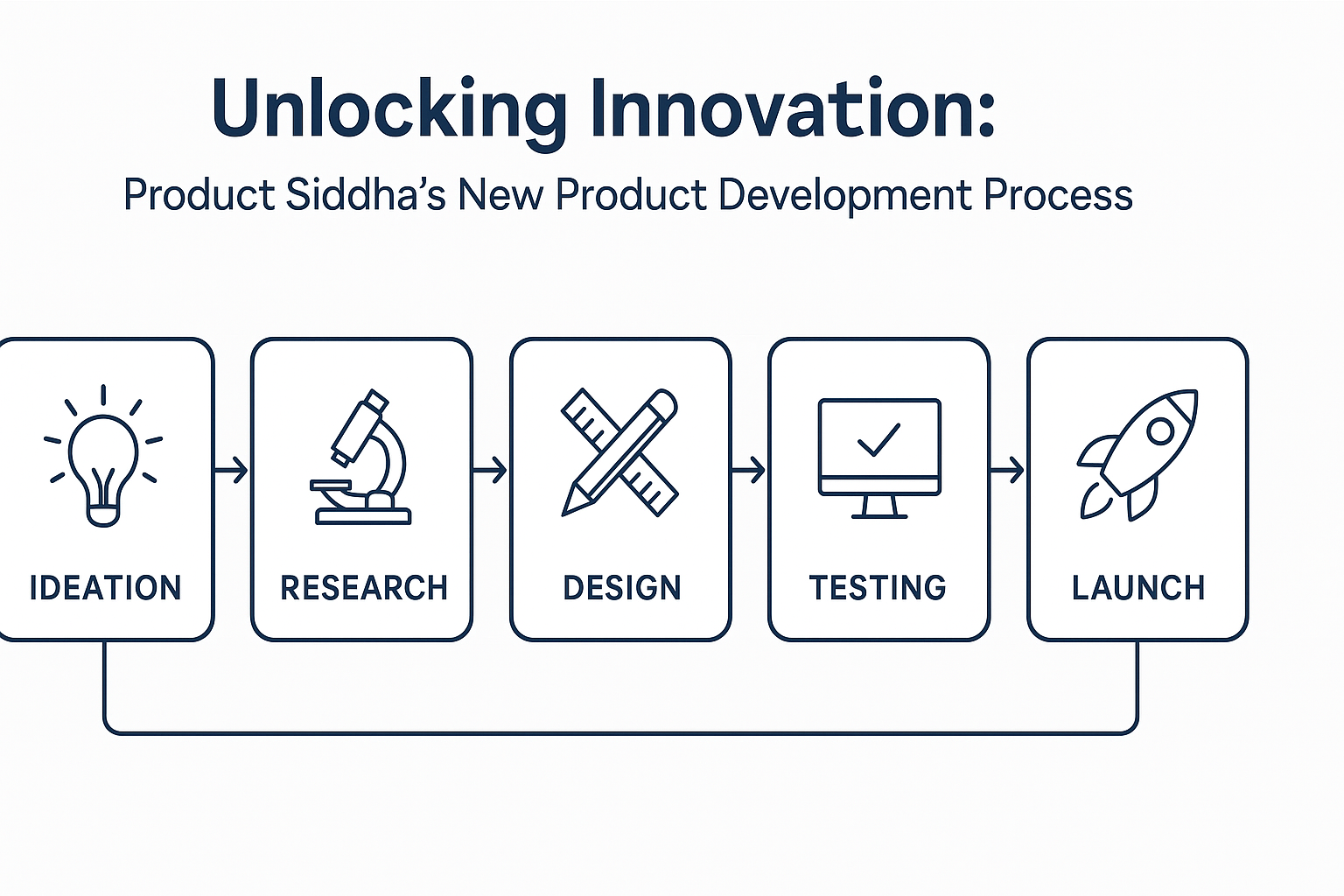
Unlocking Innovation: Product Siddha’s Approach to the New Product Development Process The Challenge of Systematic Innovation Every organization wants to create products that resonate with customers and generate sustainable revenue. Yet most product initiatives fail to meet expectations. Some never reach the market. Others launch but fail to gain traction. Many succeed initially but cannot maintain momentum as market conditions shift. These failures rarely result from lack of effort or talent. More often, they stem from inadequate processes for moving from initial concept through development and into market success. Organizations need structured approaches that guide decision making while remaining flexible enough to adapt as learning occurs. Product Siddha has developed a new product development process that addresses these challenges. This approach combines proven frameworks with practical adaptations based on real-world experience across multiple industries and product types. Discovery: Understanding Problems Worth Solving The new product development process begins with thorough discovery work. This phase focuses on understanding customer needs, market dynamics, and competitive positioning before committing resources to building anything. Many organizations rush through discovery, eager to start development. This impatience costs them later when products miss the mark. Discovery involves multiple research methods working in concert. Customer interviews reveal pain points and desired outcomes. Market analysis identifies opportunities and constraints. Competitive assessment shows what alternatives exist and where gaps remain. Technical exploration determines what solutions are feasible given current capabilities and reasonable investments. Product Siddha structures discovery around specific questions that need answers. What problems do target customers face? How do they currently address these problems? What would make a solution compelling enough to change behavior? What are customers willing to pay? Which customer segments offer the best opportunities? The discovery phase produces clear documentation of findings, including customer profiles, problem statements, and opportunity assessments. This foundation guides all subsequent work and provides a reference point when difficult trade-offs arise during development. Concept Development and Validation Once discovery establishes a solid understanding of the opportunity, the new product development process moves into concept development. This phase translates insights into concrete product concepts that can be evaluated and refined. Concept development generates multiple possible solutions rather than converging immediately on a single approach. This divergent thinking often reveals options that would not emerge if teams jumped directly to implementation. Different concepts might serve different customer segments, use different business models, or take varying technical approaches to solving the same core problem. Each concept gets developed enough to enable meaningful evaluation. This typically includes value propositions, high-level feature descriptions, rough business models, and technical feasibility assessments. The goal involves creating sufficient clarity to make informed choices about which concepts warrant further investment. Validation testing provides reality checks on concepts before heavy development begins. Product Siddha uses various validation techniques depending on the product type and market context. These might include customer surveys, landing page tests, prototype demonstrations, or small-scale pilots with friendly customers. Product Siddha’s Development Process Phases Phase Key Activities Primary Outputs Success Criteria Discovery Customer research, market analysis Problem definition, opportunity assessment Clear understanding of customer needs Concept Development Ideation, evaluation, validation Product concepts, validation results Validated concept with market evidence Planning Roadmap creation, resource allocation Development plan, success metrics Aligned team with clear direction Build & Test Iterative development, user testing Working product increments Functional product meeting requirements Launch Preparation Go-to-market planning, training Launch materials, trained teams Ready for market introduction Market Introduction Phased rollout, feedback collection Live product, user data Active users demonstrating value Strategic Planning for Execution After validation confirms a concept worth pursuing, careful planning sets the stage for efficient execution. The planning phase of the new product development process defines what will be built, in what sequence, and with what resources. Product roadmapping translates the validated concept into a sequence of deliverable increments. Rather than planning the entire product in detail upfront, Product Siddha emphasizes planning the first increment thoroughly while maintaining flexibility for later phases. This approach accommodates learning that occurs during development without requiring complete replanning when assumptions prove incorrect. Resource planning ensures teams have the necessary skills, tools, and time to execute effectively. This includes identifying any capability gaps that need addressing through hiring, training, or partnerships. Clear resource plans prevent common problems like assigning work to teams that lack required expertise or scheduling work without accounting for other commitments. Success metrics get defined during planning so everyone understands how the product’s performance will be evaluated. These metrics connect to business objectives and customer outcomes rather than focusing solely on completion of features. Well-defined metrics guide prioritization decisions throughout development. Iterative Build and Testing Cycles The construction phase uses iterative cycles that build working increments, test them with users, and incorporate feedback before proceeding. This approach surfaces problems early when they remain relatively easy and inexpensive to address. Each iteration produces something testable. Early iterations might focus on core functionality that delivers the primary value proposition. Later iterations add supporting features, refinements, and optimizations. The sequence gets determined by what provides the most learning about the product’s viability and value. User testing occurs throughout development rather than only after completion. Product Siddha involves representative users in evaluating each increment to ensure the product remains aligned with actual needs. This continuous validation prevents the common scenario where teams build something impressive from a technical perspective that fails to resonate with its intended audience. Technical quality receives appropriate attention throughout the new product development process. While early increments may take shortcuts to enable rapid learning, fundamental architectural decisions get made thoughtfully. Code reviews, testing practices, and documentation standards help maintain product quality as development progresses. Preparing for Market Introduction As development nears completion, focus shifts to preparing for successful market introduction. This involves more than just finishing the product. It requires coordinating multiple functions to ensure smooth launch and adoption. Go-to-market planning defines how the product will reach customers. This includes positioning and messaging, pricing strategy, distribution channels, and promotional activities. Product Siddha works with clients to ensure go-to-market plans align with

prototype
Blog, Product Management

MVP vs Prototype: What Founders Need to Know Before Investing

MVP vs Prototype: What Founders Need to Know Before Investing The Confusion That Costs Founders Money Many founders waste significant time and capital because they misunderstand what they should build first. The terms “prototype” and “minimum viable product” get used interchangeably in casual conversation, leading entrepreneurs to invest in the wrong thing at the wrong time. This confusion creates real consequences: delayed market entry, depleted resources, and missed opportunities to learn from actual users. Understanding the distinction between these two approaches helps founders make better decisions about where to invest their limited resources. Each serves a different purpose in the product development process, and choosing the right one depends on what questions you need answered at your current stage. What a Prototype Actually Is A prototype exists to demonstrate an idea and test assumptions about user interaction and feasibility. It can range from paper sketches to interactive digital mockups to functional demonstrations built with no-code tools. The defining characteristic of a prototype is that it does not need to work as a real product. It only needs to appear functional enough to gather meaningful feedback. Prototypes help answer questions like: Do users understand the concept? Can they navigate the interface? Does the proposed solution address their actual problems? Will the technical approach work at all? These questions can often be answered without writing production-quality code or building scalable infrastructure. The investment required for prototyping typically measures in days or weeks rather than months. Founders can test multiple variations quickly and inexpensively. A designer can create interactive prototypes using tools like Figma that feel real to users during testing sessions but contain no actual functionality behind the interface. Understanding MVP Development A minimum viable product represents something fundamentally different. An MVP must actually work for real users in real situations. It delivers genuine value, even if that value is limited compared to the full product vision. Users can accomplish meaningful tasks, and the product can begin generating the data and feedback necessary for informed decisions about future development. MVP development requires real engineering work. The product needs functional backend systems, reliable data storage, and code that can handle actual usage. While an MVP deliberately omits many planned features, what it does include must work properly. Users will not tolerate a product that constantly breaks or loses their data, regardless of how early-stage it claims to be. The investment in MVP development typically ranges from several weeks to a few months, depending on complexity. The costs are substantially higher than prototyping because you are building something that must function in production environments with real users. Product Siddha guides founders through MVP development by helping them identify the absolute minimum feature set that can deliver real value. This process prevents the common mistake of building an MVP that includes too much, which wastes resources and delays learning. Key Differences Between Prototypes and MVPs Characteristic Prototype MVP Purpose Test concepts and assumptions Validate market demand Functionality Can be simulated or fake Must work reliably Users Internal team and test participants Real customers in real situations Timeline Days to weeks Weeks to months Investment Low (hundreds to low thousands) Moderate to high (thousands to tens of thousands) Technical Debt Not a concern Must be managed carefully Revenue Never generates revenue Can begin monetization When to Build a Prototype First Prototyping makes sense when you have fundamental uncertainties about your product concept. If you are unsure whether users will understand your solution, whether the interface makes sense, or whether the technical approach is even feasible, a prototype provides answers at minimal cost. Founders working in unfamiliar problem spaces benefit especially from prototyping. If you are creating a product for an industry you do not know well, a prototype lets you test your understanding before committing significant resources. You can show it to potential users, watch how they interact with it, and identify misunderstandings early. Hardware products almost always require prototyping before MVP development. The costs of physical production make it prohibitive to iterate through multiple full builds. Prototypes let hardware founders test form factors, materials, and functionality before investing in manufacturing. When to Move Directly to MVP Development Some situations warrant skipping prototyping and moving directly to MVP development. If you have deep domain expertise and high confidence in your solution approach, extensive prototyping may provide limited additional value. The faster path to market learning comes from building something real that users can actually adopt. Products in well-understood categories with clear user expectations often benefit from this approach. If you are building a familiar type of product with a specific innovation or improvement, you probably understand enough about user needs and behavior to design an effective MVP without extensive prototyping. Competitive pressure can also influence this decision. In fast-moving markets where first-mover advantage matters, the time spent on prototyping might allow competitors to establish positions that become difficult to challenge. However, founders should be cautious about skipping validation steps due to competitive anxiety alone. The Sequential Approach Most founders benefit from using prototypes and MVPs sequentially rather than choosing one or the other. Start with quick prototypes to test fundamental assumptions and refine your understanding. Once you have reasonable confidence in the basic approach, move to MVP development to validate actual market demand and gather real usage data. This sequential approach provides several advantages. It surfaces major problems while they remain cheap to fix. It builds confidence among team members and investors that the product addresses real needs. It creates opportunities to refine positioning and messaging before investing in production-quality development. Product Siddha often works with founders who attempted to skip prototyping and built MVPs that missed the mark. Helping these companies course-correct costs more than proper validation would have initially. The pressure to salvage sunk costs can lead to throwing good money after bad rather than acknowledging mistakes and adjusting direction. Common Mistakes in Both Approaches Founders frequently build prototypes that are too elaborate. They invest in polish and details that do not help

product management consulting
Blog, Product Management

Why Modern Product Managers Need to Think Like Growth Hackers

Why Modern Product Managers Need to Think Like Growth Hackers The Convergence of Two Disciplines Product managers traditionally focused on building features, managing roadmaps, and coordinating development teams. Their success was measured primarily by shipping products on time and meeting technical specifications. This approach worked well when markets moved slowly and competition remained predictable. The current business environment demands a different approach. Markets shift rapidly, customer acquisition costs continue rising, and users have countless alternatives available at their fingertips. Product managers who think only about building products without considering how those products attract, engage, and retain users find themselves creating solutions that nobody adopts. Growth-oriented thinking has become necessary for product managers who want their work to translate into actual business results. This does not mean abandoning core product management principles. Rather, it involves expanding the lens through which product decisions get made. Understanding the Growth Mindset Growth hackers approach problems with a particular set of assumptions and methods. They prioritize rapid experimentation over lengthy planning cycles. They look for leverage points where small changes produce disproportionate results. They measure everything and let data guide their decisions rather than relying on intuition alone. Product managers who adopt this mindset begin asking different questions during product development. Instead of simply asking whether a feature works technically, they wonder how it might attract new users or increase engagement among existing ones. They consider the viral coefficient of features they build and think about network effects from the earliest design stages. This shift in thinking affects the entire product development process. Features get evaluated not just on user value but on their contribution to acquisition, activation, retention, revenue, and referral. Product managers start seeing their work as part of a complete system for sustainable growth rather than a series of isolated feature releases. Building Measurement Into Product Design Growth hackers live by their metrics. They instrument everything, run constant experiments, and base decisions on observed results rather than assumptions. Product managers who think like growth hackers bring this discipline into their work from the beginning of any project. When designing a new feature, growth-oriented product managers define success metrics before writing any code. They determine how they will measure whether the feature achieves its intended goals. They build tracking and analytics directly into the product architecture rather than treating measurement as an afterthought. This approach requires product managers to become comfortable with data analysis and statistical thinking. They need to understand concepts like statistical significance, cohort analysis, and attribution modeling. These skills allow them to design meaningful experiments and interpret results correctly. Product Siddha works with product teams to establish measurement frameworks that connect product features directly to business outcomes. This foundation enables teams to make evidence-based decisions about what to build next and how to prioritize competing demands on development resources. Traditional vs Growth-Oriented Product Development Aspect Traditional Approach Growth-Oriented Approach Success Metric Feature completion User adoption and engagement Decision Making Stakeholder requests Data-driven experimentation Development Cycle Quarterly releases Continuous iteration Priority Focus Feature breadth Growth impact User Feedback Post-launch surveys Real-time behavioral data Embedding Viral Mechanics Products that grow organically through user referrals cost far less to scale than those requiring constant paid acquisition. Product managers with growth mindsets design viral mechanics into their products rather than treating virality as something that happens accidentally. This involves understanding why people share products with others and making that sharing behavior easy and rewarding. Viral mechanics work best when they feel natural rather than forced. The product itself should create situations where users want to invite others because doing so makes the product more valuable for everyone involved. Collaboration tools provide clear examples of inherent viral mechanics. When someone creates a document or project and needs input from colleagues, inviting others serves both the product’s growth and the user’s immediate needs. Product managers should look for similar natural sharing moments within their own products. Optimizing for Activation and Retention Acquiring users means nothing if those users never experience value from the product or abandon it after initial use. Product managers thinking like growth hackers obsess over activation rates and retention curves as much as acquisition numbers. Activation optimization focuses on getting new users to their first moment of genuine value as quickly as possible. This requires understanding what that moment looks like for different user segments and removing any barriers that prevent people from reaching it. Product managers must ruthlessly eliminate friction from early user experiences while ensuring people understand why the product matters to them. Retention depends on building habits and continuously demonstrating value. Product managers need to understand behavioral psychology and habit formation. They design features that give users reasons to return regularly and create experiences that become more valuable over time rather than less. Experimentation as Core Practice Growth hackers run dozens or hundreds of experiments to find tactics that work. They accept that most experiments will fail but recognize that a few successful ones can dramatically impact growth trajectories. Product managers adopting this approach need to create organizational capacity for rapid experimentation. This means building products with experimentation infrastructure from the start. Feature flags, A/B testing frameworks, and analytics pipelines become as important as core functionality. Product managers need to educate stakeholders about the value of experimentation and manage expectations around the failure rate of individual tests. The experimentation mindset also affects how product managers allocate development resources. Rather than committing large blocks of time to uncertain initiatives, they structure work to allow for quick tests that validate or invalidate assumptions before heavy investment occurs. Cross-Functional Collaboration Growth rarely happens within functional silos. It requires coordination between product development, marketing, sales, customer success, and data teams. Product managers who think like growth hackers become skilled at working across these boundaries and aligning different functions around shared growth objectives. This collaborative approach means product managers spend more time with marketing teams understanding acquisition channels and conversion funnels. They work with customer success to understand why users churn and what drives

product analytics
Blog, Product Management

What Makes a Product Management Consultant Truly Exceptional

What Makes a Product Management Consultant Truly Exceptional The Rising Demand for Strategic Product Expertise Organizations across industries are discovering that building successful products requires more than just technical skills and market intuition. The complexity of modern product development, coupled with rapidly changing customer expectations, has created a significant demand for experienced product management consultants who can guide companies through strategic challenges. A product management consultant brings specialized knowledge that helps businesses navigate critical decisions about product strategy, market positioning, and development processes. However, not all consultants deliver equal value. The difference between an average consultant and a truly exceptional one can determine whether a product succeeds or fails in the marketplace. Deep Understanding of Business Context Exceptional product management consultants possess a comprehensive understanding of how products connect to broader business objectives. They recognize that product decisions cannot exist in isolation from company strategy, financial constraints, and organizational capabilities. These consultants spend considerable time learning about their client’s industry, competitive landscape, and internal culture before proposing solutions. They ask probing questions about revenue models, customer acquisition costs, and long-term business goals. This contextual knowledge allows them to recommend product strategies that align with what the organization can realistically execute and sustain. When Product Siddha works with clients, the focus extends beyond immediate product challenges to understanding the complete business ecosystem. This approach ensures that product recommendations support sustainable growth rather than short-term wins that may create future problems. Technical Competence Without Losing Sight of Users The best product management consultants maintain a balance between technical feasibility and user needs. They understand development methodologies, technology stacks, and engineering constraints well enough to have credible conversations with technical teams. Yet they never allow technical considerations to overshadow the fundamental question of whether a product solves real problems for real people. These professionals know how to translate between different stakeholder groups. They can discuss API architectures with engineers in the morning and customer pain points with sales teams in the afternoon. This bilingual capability prevents the common disconnect where technically impressive products fail because they miss the mark on actual user requirements. Data-Driven Decision Making Exceptional consultants base their recommendations on evidence rather than assumptions. They establish clear metrics, conduct thorough market research, and analyze user behavior patterns before suggesting strategic directions. When data is incomplete or unavailable, they design experiments to gather the necessary information rather than proceeding blindly. This analytical approach extends to how they measure success. They help clients define meaningful key performance indicators that reflect genuine product health rather than vanity metrics that look impressive but reveal little about actual value creation. Product management consultants who excel in their field understand that data tells stories, but those stories require careful interpretation. They look for patterns, identify anomalies, and remain skeptical of conclusions that seem too convenient or that confirm existing biases without sufficient evidence. Practical Framework Application The product management field is rich with frameworks, methodologies, and best practices. Exceptional consultants know these tools thoroughly but apply them pragmatically rather than dogmatically. They understand that frameworks like OKRs, Jobs to Be Done, or Lean Startup principles are useful guides, not rigid rules. These professionals assess which approaches suit specific organizational contexts and adapt methodologies to fit real-world constraints. They might combine elements from different frameworks or modify standard practices to address unique challenges their clients face. Strong Communication and Influence Skills Perhaps no quality matters more than the ability to communicate effectively across all organizational levels. Exceptional product management consultants can present complex ideas clearly to executives, collaborate productively with cross-functional teams, and gather valuable insights from customer-facing employees. They understand that consulting success depends on adoption, not just recommendation quality. The most brilliant product strategy creates no value if stakeholders do not understand it or feel no ownership over its implementation. Great consultants invest time in building buy-in, addressing concerns, and ensuring that teams feel equipped to execute recommended changes. These communication skills extend to difficult conversations. Exceptional consultants deliver hard truths about failing products, misaligned strategies, or unrealistic expectations in ways that people can hear and act upon rather than defensively dismiss. Proven Track Record Across Product Lifecycles Experience across different product stages provides consultants with perspective that single-stage specialists lack. Exceptional product management consultants have worked with early-stage products seeking market fit, growth-stage products scaling operations, and mature products requiring renewal or repositioning. This breadth of experience helps them recognize which challenges are stage-specific and which reflect deeper strategic issues. They can anticipate problems before they become critical and suggest interventions appropriate to where a product sits in its lifecycle. At Product Siddha, consultants bring experience from various industries and product types, allowing them to cross-pollinate ideas and identify solutions that might not be obvious to those working within a single domain. Commitment to Knowledge Transfer Truly exceptional consultants measure success partly by how well they develop their client’s internal capabilities. Rather than creating dependency, they actively work to build skills within the organization so that teams become more self-sufficient over time. They document their thinking processes, explain the reasoning behind recommendations, and coach internal team members. They create templates, playbooks, and decision frameworks that teams can continue using after the consulting engagement ends. Adaptability and Continuous Learning The product management field evolves constantly as new technologies emerge, customer expectations shift, and market dynamics change. Exceptional consultants maintain their relevance through continuous learning and adaptation. They stay current with industry trends without becoming distracted by every new buzzword or shiny methodology. They experiment with emerging practices, evaluate their effectiveness, and integrate what works into their consulting approach while discarding what does not deliver real value. Finding the Right Product Management Partner Selecting a product management consultant represents a significant investment of time and resources. Organizations should look for professionals who demonstrate the qualities discussed above, evidenced through case studies, client testimonials, and substantive conversations about specific challenges. The right consultant becomes a strategic partner who strengthens product capabilities while delivering immediate value. They bring

Blog, Product Management

Lean Product Development Australia: Strategies to Reduce Costs and Accelerate Launch

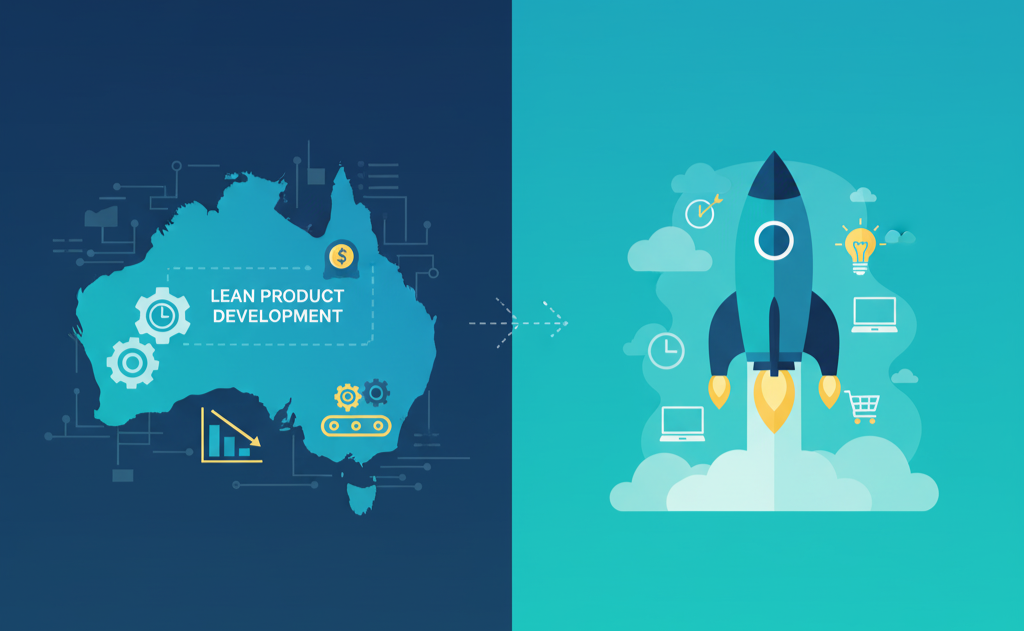
Lean Product Development Australia: Strategies to Reduce Costs and Accelerate Launch Australia’s Product Development Evolution Australian businesses face mounting pressure to bring products to market faster while controlling costs. Agile and lean methodologies have already become widely adopted, but by 2025, their importance will only grow. Agile allows teams to rapidly iterate and respond to market changes, while lean principles focus on maximising value and minimising waste in product development. The Australian market presents unique challenges for product development teams. Geographic isolation, smaller domestic markets, and competition from global players require Australian companies to adopt efficient product development processes that maximize return on investment while minimizing time to market. Understanding Lean Product Development in the Australian Context Core Principles Adapted for Australian Markets Lean product development centers on eliminating waste while creating maximum value for customers. Constantly decreasing costs, no waste, minimum throughput time, maximum capacity, unlimited flexibility, and high customer satisfaction represent the fundamental goals of lean methodology. In Australia’s competitive landscape, these principles translate to specific advantages. Local companies can leverage lean approaches to compete against larger international firms by moving faster and adapting more quickly to market changes. The Australian Advantage Australian product development teams often possess inherent advantages that align well with lean principles. The culture of practical problem-solving, combined with smaller organizational structures, creates natural conditions for rapid iteration and customer feedback integration. Key Australian Market Characteristics: Factor Impact on Lean Development Strategic Response Smaller domestic market Faster customer feedback loops Rapid prototyping cycles Geographic isolation Focus on digital solutions Remote collaboration tools Resource constraints Emphasis on efficiency Waste elimination focus Innovation culture Willingness to experiment Build-measure-learn cycles Cost Reduction Strategies Through Lean Implementation Early Stage Validation Techniques Traditional product development often involves significant upfront investment before validating market demand. Lean approaches flip this model by prioritizing early validation with minimal investment. Australian companies can implement validation techniques that reduce financial risk while gathering critical market intelligence. These include customer interviews, prototype testing, and minimum viable product (MVP) launches that require fraction of traditional development budgets. Resource Optimization Methods Lean product design is a software development process for creating innovative new products. It enables businesses to get their product to market fast, validate it frequently with users, and continuously respond to feedback. The process involves interweaving lightweight design and user research throughout an agile development process, rather than relying on most of the product design and research to be done up front. This approach significantly reduces costs by avoiding over-engineering and feature bloat that often plague traditional product development cycles. Cost Reduction Framework: Eliminate Over-Production: Build only what customers actually need Reduce Inventory: Minimize work-in-progress and feature backlogs Minimize Defects: Implement continuous testing and quality assurance Optimize Transportation: Streamline handoffs between development stages Eliminate Waiting: Remove bottlenecks in approval and review processes Technology Investment Optimization Australian product development teams can leverage local technology capabilities while avoiding expensive international partnerships. Cloud-based development tools, local testing facilities, and regional expertise networks provide cost-effective alternatives to traditional development approaches. Accelerating Launch Timelines Rapid Prototyping and Iteration The key to faster launches lies in shortening feedback cycles. Australian companies excel at this when they embrace iterative development approaches that prioritize learning over perfection. Product Siddha recently worked with a Melbourne-based fintech startup to implement lean development practices. By focusing on core functionality and iterating based on user feedback, the company reduced their initial launch timeline from 18 months to 8 months while cutting development costs by 35%. Cross-Functional Team Integration In 2025, businesses must adopt this methodology to stay competitive. Trends like DevOps, value stream management, and AI-driven agility highlight the growing importance of lean practices. By merging lean and agile, you can streamline processes, reduce costs, and improve customer satisfaction. Successful Australian product development requires breaking down silos between design, development, marketing, and operations teams. Integrated teams make faster decisions and avoid the delays associated with sequential handoffs. Market Entry Strategies Australian companies often benefit from staged market entry approaches that allow for rapid adjustment based on initial market response. Rather than attempting perfect product launches, lean development emphasizes learning-oriented launches that generate market intelligence. Implementation Framework for Australian Companies Phase 1: Assessment and Planning Before implementing lean practices, Australian companies should assess their current product development processes and identify specific waste sources. Common areas include over-specification, excessive documentation, and lengthy approval cycles. Assessment Areas: Current development timelines and bottlenecks Resource allocation and utilization patterns Customer feedback integration processes Quality assurance and testing procedures Market validation methodologies Phase 2: Pilot Project Selection Successful lean implementation often begins with carefully selected pilot projects that demonstrate value without disrupting core business operations. Australian companies should choose projects with clear success metrics and manageable scope. Phase 3: Team Training and Culture Development Lean product development requires cultural shifts that emphasize learning, experimentation, and customer focus over internal politics and perfectionism. Australian teams often adapt well to these cultural changes due to existing collaborative work styles. Tools and Technologies for Australian Teams Local and Regional Solutions Australia’s product development ecosystem includes specialized tools and platforms designed for local market conditions. These solutions often provide better value and support than international alternatives. Recommended Tool Categories: Customer feedback collection and analysis platforms Rapid prototyping and design tools Project management and collaboration software Testing and quality assurance systems Analytics and measurement platforms Integration with Global Platforms While leveraging local solutions, Australian companies must also integrate with global platforms to reach international markets. Lean development approaches facilitate this integration by emphasizing modular, scalable architectures. Measuring Success in Australian Markets Key Performance Indicators Lean product development success requires specific measurements that align with Australian market conditions and business objectives. Primary Metrics: Time to market reduction percentages Development cost per feature or functionality Customer acquisition cost improvements Feature adoption rates and user engagement Revenue per development dollar invested Secondary Metrics: Team productivity and satisfaction scores Defect rates and quality improvements Customer satisfaction and Net Promoter Scores Market share gains and competitive positioning Innovation pipeline health and diversity