Product Siddha

customer retention

AI Agents for Customer Retention Which Lifecycle Tasks Can Actually Run Autonomously
AI Automation, Blog

AI Agents for Customer Retention: Which Lifecycle Tasks Can Actually Run Autonomously?

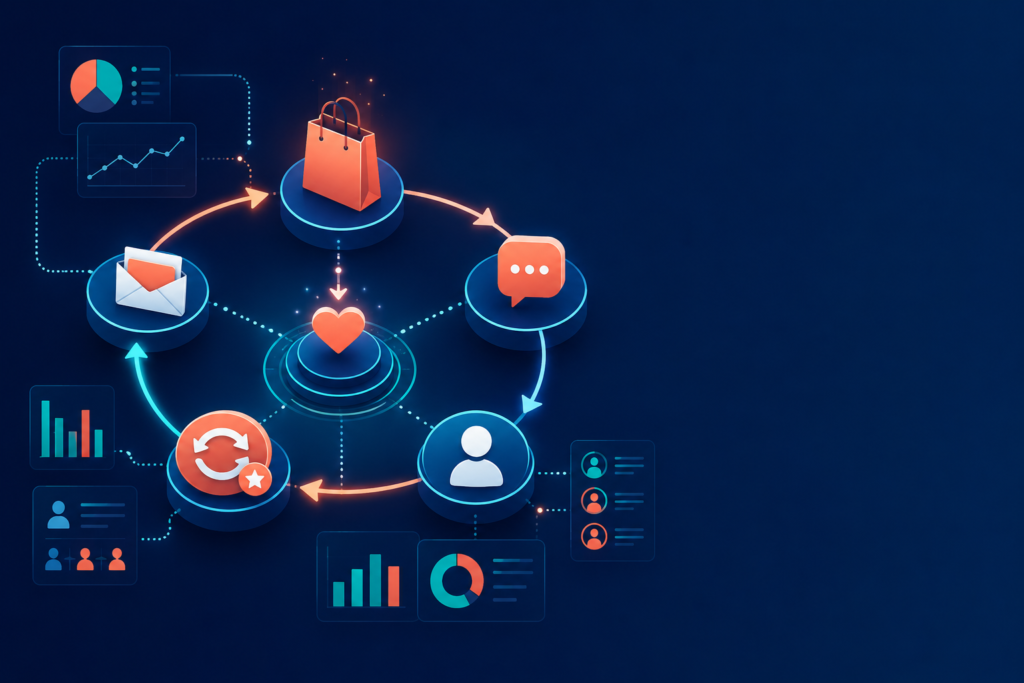
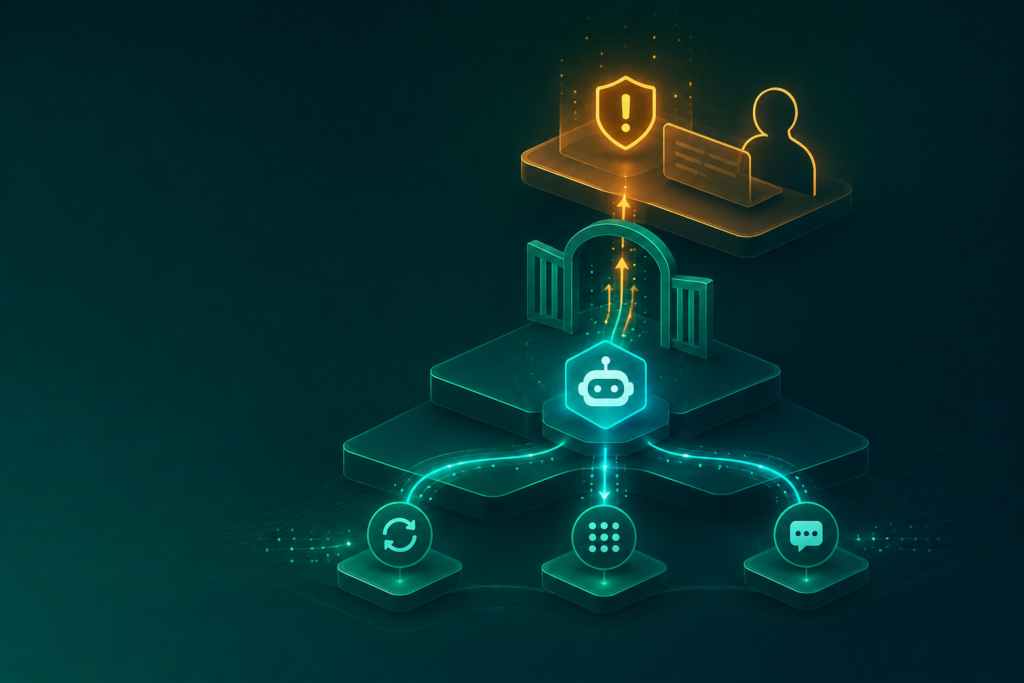
AI Agents for Customer Retention: Which Lifecycle Tasks Can Actually Run Autonomously? Where Agents Fit Customer retention involves many recurring tasks. A customer places an order, receives follow-up communication, becomes eligible for another purchase, responds to a message, or gradually becomes inactive. Each event can create another marketing or service requirement. Businesses have traditionally handled these activities through scheduled campaigns, rules-based workflows, and manual decisions. These systems remain useful, particularly when the process is predictable. AI Agents introduce another option. An agent can monitor information, interpret a defined situation, choose an appropriate action, use connected software, and evaluate what happened next. This makes them particularly relevant to customer lifecycle operations. The important question for a D2C brand is not whether an AI agent can theoretically handle a task. The better question is whether the task has enough structure, reliable data, clear permissions, and measurable outcomes to be handled safely with limited human intervention. What Makes a Task Suitable? Not every retention activity should run autonomously. The strongest candidates generally have four characteristics: Reliable customer data is available The desired action can be clearly defined The consequences of an error are manageable The result can be measured and reviewed A replenishment reminder is a good example. If a customer typically repurchases a product after a predictable period, an agent can review the purchase history, determine whether the customer is approaching that period, check whether another order has already been placed, and recommend or initiate the next communication. A complicated complaint involving refunds, sensitive customer information, or an unusual order may require human involvement. The distinction matters because autonomy should be based on the nature of the task rather than the novelty of the technology. Task 1: Customer Segmentation Customer segmentation is one of the more practical areas for AI-assisted retention. An agent can review purchase frequency, order history, engagement, product preferences, and periods of inactivity. It can then identify changes in customer behavior and assign customers to predefined segments. For example, a customer who previously purchased every month may become inactive for several months. The agent can identify the change and move that customer into an appropriate re-engagement segment. This process can reduce the need for marketing teams to manually review large customer lists. Human oversight can still be useful when segment definitions change or when the business wants to introduce a new retention strategy. Task 2: Replenishment Management Replenishment is particularly suitable for products with reasonably predictable buying cycles. An AI agent can examine previous orders and estimate when a customer may need to purchase again. Before sending a reminder, it can check recent transactions to determine whether the customer has already reordered. The workflow could look like this: Purchase History → Expected Reorder Period → Recent Order Check → Customer Eligibility → Reminder → Response Tracking This is more useful than sending the same reminder to every customer after an identical number of days. The agent can work with individual customer histories while following the brand’s communication rules. Task 3: Customer Re-Engagement Customer inactivity can be difficult to manage manually when a business has thousands of customers. AI Agents can monitor customer activity and identify changes that meet predefined conditions. An agent might look at: Time since last purchase Previous purchase frequency Average order value Product categories purchased Email engagement Previous response to offers Once a customer meets the conditions for re-engagement, the agent can select an approved workflow and initiate the appropriate action. The business can establish limits around message frequency, discounts, and communication channels. Task 4: Product Recommendations Product recommendations can also be supported by AI Agents when sufficient customer and product data is available. An agent can review previous purchases and identify products that may reasonably complement a customer’s buying history. For example, someone who purchased a particular product may qualify for a related accessory or replacement item. The agent should work within defined product rules. It should not make recommendations based on incomplete information simply because a product appears statistically related. This is where product data quality becomes important. Task 5: Customer Support Triage Customer service is another area where autonomous agents can assist, particularly with classification and routing. An agent can review an incoming customer request and determine whether it relates to an order status, product question, return request, shipping issue, or another known category. It can then route the request to the correct workflow or team. Simple questions may be suitable for automated responses when the business has approved answers and reliable information sources. More sensitive cases should be transferred to a human representative. A useful structure is: Customer Request Possible Agent Action Order status Retrieve approved order information Shipping question Provide available delivery information Product question Retrieve approved product details Return request Identify the applicable return process Complaint Route to customer service Complex account issue Escalate to a human This approach allows automation to handle routine work while preserving human review for situations that require judgment. Task 6: Lifecycle Workflow Management AI Agents can also monitor whether customers have moved from one lifecycle stage to another. A customer might move from first-time buyer to repeat customer. Another may become inactive. A high-value customer may qualify for a separate retention program. The agent can monitor these changes and coordinate actions across connected systems. For example, when a customer makes a second purchase, the agent can update the customer profile, change the relevant segment, stop an introductory workflow, and place the customer into a repeat-buyer journey. This prevents multiple workflows from continuing without regard to the customer’s current status. Task 7: Campaign Monitoring AI Agents can also assist with monitoring automated retention programs. An agent can watch for unusual changes in campaign performance, workflow errors, failed integrations, or unexpected customer activity. For instance, if a workflow suddenly stops sending messages because a data connection has failed, the agent can identify the issue and alert the appropriate team. The agent does not necessarily need permission to correct every problem automatically. In many cases, identifying
The Retention Maturity Curve Where Does Your D2C Brand Actually Stand in 2026
AI Automation, Blog

The Retention Maturity Curve: Where Does Your D2C Brand Actually Stand in 2026?

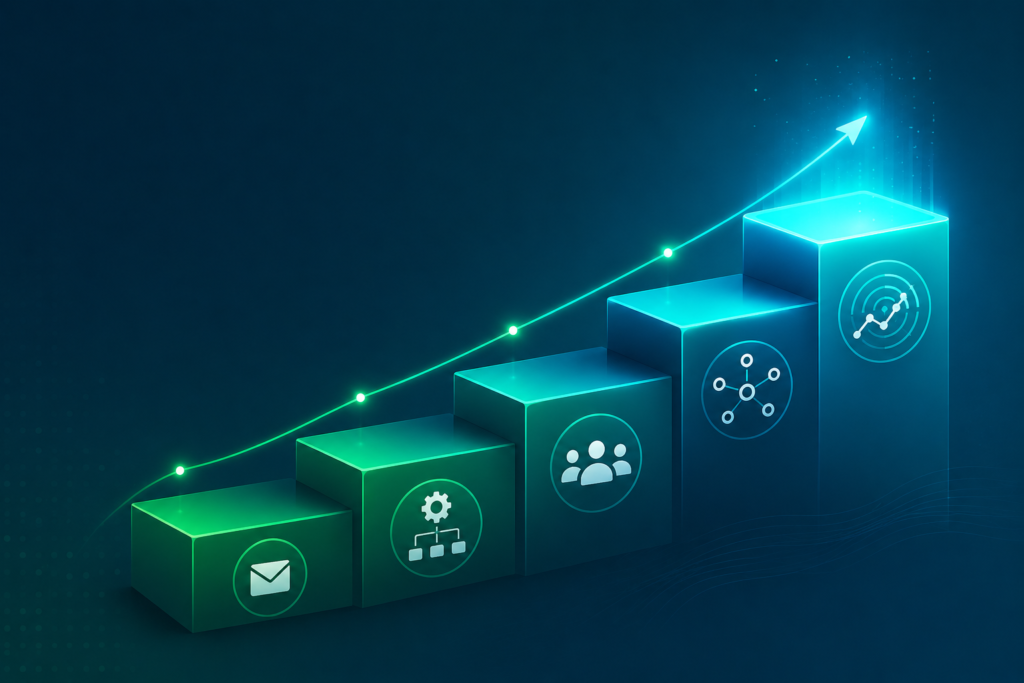
The Retention Maturity Curve: Where Does Your D2C Brand Actually Stand in 2026? Find Your Starting Point D2C brands often talk about customer retention as though every business is working from the same starting point. In practice, retention operations can look very different from one company to another. One brand may still be sending the same promotional email to its entire customer list. Another may have detailed customer segments, automated post-purchase communication, replenishment reminders, and reporting tied to customer lifetime value. Both businesses may use the same ecommerce platform and email software. Their retention maturity can still be very different. The Retention Maturity Curve provides a practical way to understand where a D2C brand stands and what it should improve next. It considers the systems, customer data, processes, automation, segmentation, and measurement behind retention activity. For Product Siddha, this framework can help D2C businesses identify gaps before investing in more tools or complicated workflows. Stage One: Campaign-Based Retention At the first stage, retention depends largely on individual campaigns. The business may have an email list, an ecommerce store, and a few promotional campaigns. Customer communication is usually planned around product launches, discounts, seasonal offers, or other marketing events. Customer data exists, but it may not be organized for regular use. Common characteristics include: Limited customer segmentation Manual campaign planning Basic email communication Little post-purchase follow-up Limited retention reporting No consistent customer lifecycle structure At this stage, the priority should be establishing reliable customer data and basic retention processes. There is little value in building complex automation when the underlying customer information is incomplete or poorly organized. Stage Two: Basic Lifecycle Automation The second stage begins when the brand starts using customer events to trigger communication. A new subscriber may enter a welcome sequence. A customer who abandons checkout may receive a reminder. Someone who completes a purchase may receive post-purchase communication. These workflows reduce manual campaign management and provide customers with communication that relates to their recent activity. A basic retention setup may include: Customer Event Retention Action New subscription Welcome sequence First purchase Post-purchase communication Abandoned checkout Recovery message Expected reorder Replenishment reminder Customer inactivity Re-engagement campaign This is a useful step forward, although the workflows may still operate separately. The brand has automation, but it may not yet have a coordinated retention system. Stage Three: Behavioral Segmentation At the third stage, customer behavior becomes a central part of retention planning. Instead of grouping customers primarily by subscription status or purchase history, the brand begins to consider purchase frequency, product preferences, engagement, order value, and time since the last purchase. For example, a frequent customer who purchases every month should receive different communication from someone who purchased once six months ago. Useful customer segments may include: First-time buyers Repeat customers High-value customers Inactive customers Frequent purchasers Customers approaching reorder periods Product-specific customer groups Customers with declining purchase frequency This stage also requires regular review. Customer segments should reflect current behavior rather than remain fixed indefinitely. Stage Four: Connected Retention Operations At this point, retention becomes more closely connected with the broader technology stack. The ecommerce store, customer data, email platform, messaging channels, analytics systems, and other tools can exchange relevant information. A purchase can update a customer profile. That update can change the customer’s segment. The segment can determine which communication is appropriate. The resulting interaction can then be measured against customer and revenue outcomes. The process might look like this: Customer Activity → Data Update → Segment Change → Workflow Trigger → Customer Communication → Purchase or Response → Reporting This connected approach reduces conflicting messages and gives marketing teams a clearer view of the customer journey. It can also help prevent situations where a customer receives a promotional offer immediately after making a purchase or continues receiving an irrelevant campaign after becoming inactive. Stage Five: Predictive Retention Management The most mature stage focuses on identifying changes in customer behavior early enough to support useful action. The business may monitor signals such as declining purchase frequency, reduced engagement, changes in order value, or extended periods without a purchase. These signals can be used to identify customers who may require a different retention approach. For example, a customer who previously purchased every six weeks but has now gone three months without an order may warrant attention. The appropriate response could depend on the products purchased, previous engagement, and customer value. At this stage, retention decisions are increasingly supported by connected customer data and structured analysis. The objective remains practical. The business wants to understand customers better and respond appropriately. Measure Your Current Position A D2C brand can assess its retention maturity by reviewing a few basic areas. Customer Data: Is customer information accurate, accessible, and connected across relevant systems? Segmentation: Can the business distinguish customers according to meaningful behavior? Automation: Are important customer events connected to appropriate workflows? Communication: Do customers receive messages based on their stage and activity? Measurement: Can the business connect retention activity with repeat purchases and customer value? Operations: Is there a defined process for reviewing and improving retention workflows? A brand with strong campaign execution but weak data integration may be somewhere between Stage Two and Stage Three. A company with connected systems and behavior-based retention programs may be closer to Stage Four. Know Which Metrics Matter Retention maturity should also be visible in the numbers. Important measures include: Repeat purchase rate Customer retention rate Customer lifetime value Purchase frequency Average order value Revenue per customer Churn rate Reactivation rate Replenishment conversion rate These figures should be reviewed together. For instance, an increase in repeat purchase rate is useful, but the business should also understand whether those additional purchases are generating sustainable customer value. A simple retention dashboard can help teams track these measures over time. Example Retention Maturity Scorecard Area Basic Developing Mature Customer Data Separate systems Partially connected Connected data Segmentation Broad groups Behavioral groups Dynamic segments Automation Few workflows Lifecycle workflows Coordinated journeys Reporting Campaign metrics Retention metrics Customer-level analysis

AI Orchestration for Retention Connecting Klaviyo, WhatsApp, and Your Store Into One Customer Journey
AI Automation

AI Orchestration for Retention: Connecting Klaviyo, WhatsApp, and Your Store Into One Customer Journey

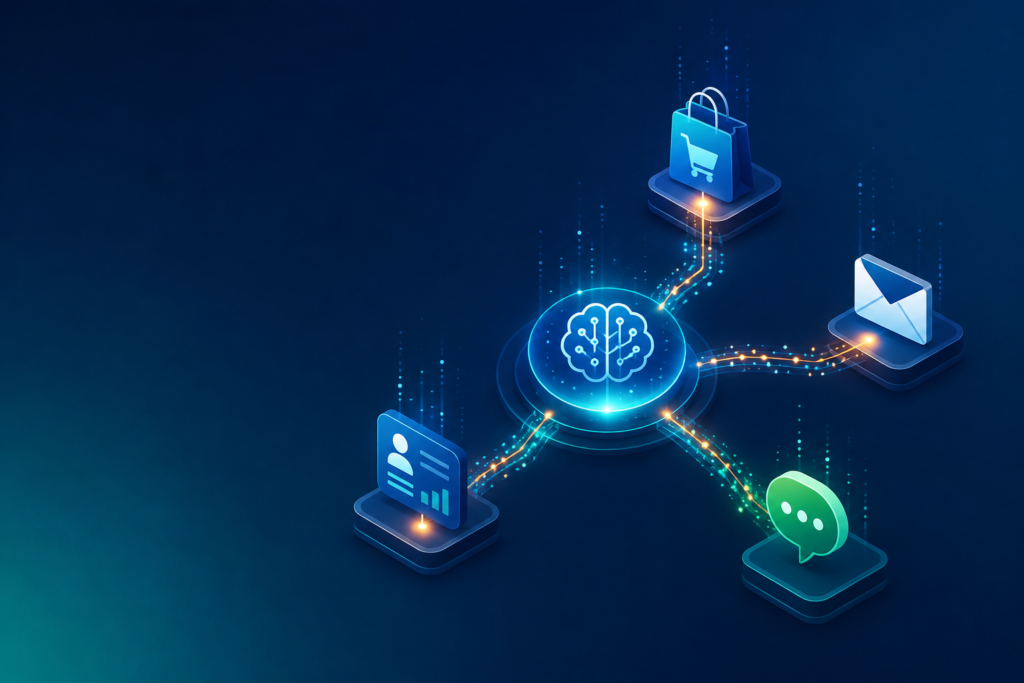
AI Orchestration for Retention: Connecting Klaviyo, WhatsApp, and Your Store Into One Customer Journey One Connected Journey A D2C customer rarely interacts with a brand through a single channel. A customer may discover a product through an online store, subscribe to email communication, receive a WhatsApp message, return to the website, complete a purchase, and later receive a replenishment reminder. Each interaction creates useful information. The difficulty begins when that information remains separated across different systems. The ecommerce store knows what the customer purchased. Klaviyo may know which emails the customer opened or clicked. WhatsApp may contain another part of the communication history. If these systems are poorly connected, marketing teams may end up managing several separate customer journeys. AI Orchestration provides a way to coordinate these systems around customer activity. Instead of treating each platform as an isolated tool, businesses can establish rules that determine how customer information moves between systems and what action should happen next. For Product Siddha, this type of automation is about building a practical connection between data, systems, and business processes. Why Disconnected Systems Create Problems Suppose a customer purchases a skincare product from an ecommerce store. The store records the order. An email platform may send a confirmation or follow-up message. A WhatsApp system may continue sending promotional communication. If the platforms do not share sufficient customer information, the customer could receive an irrelevant offer immediately after purchasing the same product. This creates unnecessary communication and makes the customer journey harder to manage. Connected automation can change the sequence. Once the purchase is recorded, the system can update the customer profile, remove the customer from an active promotional campaign, trigger post-purchase communication, and schedule a future message based on the expected product usage period. The individual tools still perform their own functions. Orchestration determines how those functions work together. Connect the Store to Customer Data The ecommerce store should generally act as an important source of customer and transaction information. Useful events may include: Product viewed Product added to cart Checkout started Order completed Product refunded Order cancelled Repeat purchase Customer inactive for a defined period These events can become triggers for automated workflows. For example, an order completion event could update a customer segment in Klaviyo and prevent certain promotional messages from being sent. The same event could also initiate a WhatsApp follow-up if the customer has provided the required consent. This creates a more consistent customer data flow. Give Klaviyo a Clear Role Klaviyo can manage email and other customer communication functions within an ecommerce marketing system. Its value increases when the information entering the platform is accurate and timely. Instead of creating numerous independent flows, businesses can structure workflows around customer lifecycle events. Consider a simple sequence: Customer Event System Action Possible Communication New subscription Create customer segment Welcome email First purchase Update customer status Post-purchase email Product usage period Check purchase history Product education Expected reorder date Evaluate customer activity Replenishment message Repeat purchase Update customer value Cross-sell communication Extended inactivity Move to inactive segment Re-engagement message The exact workflow will depend on the product, buying cycle, customer preferences, and communication permissions. Add WhatsApp to the Journey WhatsApp can serve a different purpose from email. Some customers may respond better to short, timely messages. For certain businesses, WhatsApp can be useful for order updates, customer support, reminders, product information, and carefully planned promotional communication. The important consideration is context. If a customer has just completed a purchase, the system should recognize that event before another promotional message is sent. If a customer has contacted support about an order problem, promotional communication may need to be paused until the issue is resolved. AI Orchestration can help apply these conditions across channels. A workflow might look like this: Store Event → Customer Profile Update → Segment Evaluation → Communication Decision → Email or WhatsApp → Customer Response → Next Action This gives each channel a defined role within the larger customer journey. Use AI Where Decisions Need Context AI Orchestration should have a clear purpose. It can help evaluate customer information, identify patterns, classify customer activity, recommend workflow actions, or determine which process should run based on predefined business rules. For example, a system may identify customers who have purchased several times but have become inactive. Those customers could be placed into a retention segment for further evaluation. Another workflow could identify customers who frequently purchase a particular category and trigger an appropriate product recommendation after a suitable interval. The value comes from connecting customer information with the next business action. Prevent Conflicting Campaigns One of the less visible problems in ecommerce automation is campaign overlap. A customer may qualify for several workflows at the same time. They might be eligible for a welcome campaign, a promotional campaign, a replenishment reminder, and a loyalty message. Without coordination, all four could run independently. A well-designed orchestration layer can establish priorities and exclusions. For example: Transactional communication takes priority. Customer service issues can pause promotional messaging. Recent purchasers can be excluded from acquisition-focused campaigns. Replenishment messages should consider the customer’s actual purchase date. High-value customer segments can follow separate communication rules. These conditions help keep automation organized. Build Around Customer Consent Customer communication also requires appropriate permission management. Email and WhatsApp programs should respect applicable consent requirements, opt-outs, communication preferences, and platform policies. A connected customer data system should make these preferences available to the relevant workflows. This is especially important when multiple communication channels are involved. A customer who has opted out of one type of communication should not be treated as automatically available for every other promotional channel. Good orchestration includes these controls as part of the workflow design. Measure the Whole Journey Channel-level metrics remain useful, but retention should also be evaluated across the complete customer journey. Useful measurements include: Repeat purchase rate Customer lifetime value Purchase frequency Customer retention rate Revenue per customer Replenishment conversion Reactivation rate Revenue attributed to automated journeys Unsubscribe and opt-out rates A connected

Marketing Automation Services for D2C Brands Building a Retention Engine Beyond Klaviyo Flows
AI Automation

Marketing Automation Services for D2C Brands: Building a Retention Engine Beyond Klaviyo Flows

Marketing Automation Services for D2C Brands: Building a Retention Engine Beyond Klaviyo Flows Beyond the Basic Flow Klaviyo flows can handle many important ecommerce tasks. Welcome sequences, abandoned cart reminders, post-purchase messages, replenishment reminders, and win-back campaigns are useful parts of a D2C marketing program. As a brand grows, however, the number of customer interactions increases, and simple flows can become difficult to manage. A retention engine requires a broader view of the customer. A shopper may purchase once, browse several products, respond to an email, ignore promotional messages, buy again three months later, and then become a high-value customer. Each interaction creates information that can influence the next communication. This is where Marketing Automation Services can provide greater value. Instead of treating automation as a collection of email sequences, businesses can build connected systems that use customer data, segmentation, purchase behavior, and lifecycle stages to coordinate marketing activity. For D2C brands, the objective is to make the customer journey more organized and relevant while reducing repetitive manual work. Start With Customer Data Effective automation depends on reliable customer information. A D2C brand may have customer data spread across its ecommerce platform, email marketing software, SMS provider, customer relationship management system, advertising platforms, and analytics tools. When these systems operate independently, marketers may struggle to see the complete customer journey. Marketing automation services can help connect these data sources and establish useful customer profiles. Relevant information can include: Purchase history Product preferences Average order value Purchase frequency Email engagement SMS engagement Customer location Discount usage Browsing behavior Customer lifetime value Date of last purchase The goal is to make this information available when marketing decisions are made. Build Segments Around Behavior Customer segmentation becomes more useful when it reflects actual behavior. A D2C brand could create segments for first-time buyers, repeat customers, inactive customers, frequent purchasers, high-value customers, recent subscribers, and customers approaching their expected reorder period. Each group can receive different communication. For example, a customer who purchased a product 30 days ago may need product education or a replenishment reminder. A customer who has made five purchases may respond better to loyalty-focused communication or complementary product recommendations. Marketing automation can apply these rules consistently across a large customer base. Connect the Customer Journey A retention system should account for what happens before and after a purchase. Consider a basic customer journey: Customer Stage Automation Opportunity Useful Data New subscriber Welcome communication Signup source First purchase Post-purchase sequence Product purchased Product usage period Education and support Purchase date Reorder period Replenishment reminder Purchase frequency Repeat customer Cross-sell communication Product history Inactive customer Re-engagement Last purchase High-value customer Loyalty communication Lifetime value Each stage can connect to the next according to customer behavior. This creates a more organized lifecycle marketing system where campaigns respond to changes in customer status. Go Beyond Email Automation Retention automation does not have to remain inside an email platform. Depending on the business, a D2C retention system can connect email, SMS, customer service, ecommerce data, advertising audiences, and internal reporting. Suppose a customer makes a purchase. The system can update the customer’s profile, adjust segmentation, trigger post-purchase communication, exclude the customer from unsuitable acquisition campaigns, and prepare a future replenishment workflow. That sequence can involve several systems while appearing simple from the customer’s perspective. This is one reason businesses often look beyond individual marketing tools when evaluating Marketing Automation Services. Make Automation More Selective More automation does not necessarily produce better marketing. A retention system should include rules that determine when communication should stop, change, or move to another stage. For instance, if a customer completes a purchase after receiving a replenishment reminder, the reminder sequence should end. If a customer has already purchased a recommended product, a cross-sell message should reflect that information. Frequency controls also matter. Customers who receive too many unrelated messages may disengage. Good automation therefore requires careful workflow design, exclusion rules, timing conditions, and customer data management. Measure Retention at the Business Level Campaign metrics are useful, but D2C brands should also examine broader retention performance. Important measures can include: Repeat purchase rate Customer lifetime value Purchase frequency Revenue per customer Retention rate Churn rate Revenue from automated campaigns Replenishment conversion rate Customer reactivation rate These metrics help establish whether automation is contributing to the business. A campaign with a strong click-through rate may still have limited commercial value if it generates few purchases. A replenishment workflow with modest engagement may produce meaningful revenue if it reaches customers at the right stage of their buying cycle. Where Klaviyo Fits Klaviyo can remain an important part of a D2C retention setup. The question is how it fits into the wider marketing system. A brand may use Klaviyo for email and SMS execution while connecting it with ecommerce data, customer segmentation, analytics, customer support systems, and other business tools. This approach gives marketers more control over how information moves through the customer journey. For businesses with complex workflows, a Marketing Agency for D2C Brand can also help evaluate the existing technology stack and determine which processes should remain inside Klaviyo and which require additional systems or integrations. Choose the Right Automation Partner Selecting a provider of Marketing Automation Services requires more than checking which platforms the agency knows. Ask potential partners how they approach customer data, segmentation, lifecycle strategy, workflow design, integrations, reporting, and ongoing optimization. Useful questions include: How will you map our customer journey? Which data sources will you connect? How will customer segments be maintained? How will you prevent overlapping campaigns? Which processes should be automated first? How will you measure retention performance? Who will manage technical integrations? How will workflows be reviewed after launch? The answers can reveal whether the agency understands the operational side of automation. Build a System That Can Grow D2C brands change quickly. Product ranges expand, customer groups evolve, new channels are introduced, and purchasing behavior shifts. A retention system should be flexible enough to accommodate those changes. Product Siddha approaches marketing automation

Product Siddha
Privacy Overview

This website uses cookies so that we can provide you with the best user experience possible. Cookie information is stored in your browser and performs functions such as recognising you when you return to our website and helping our team to understand which sections of the website you find most interesting and useful.