
WhatsApp Marketing Agency for D2C Brands: What Should You Expect?
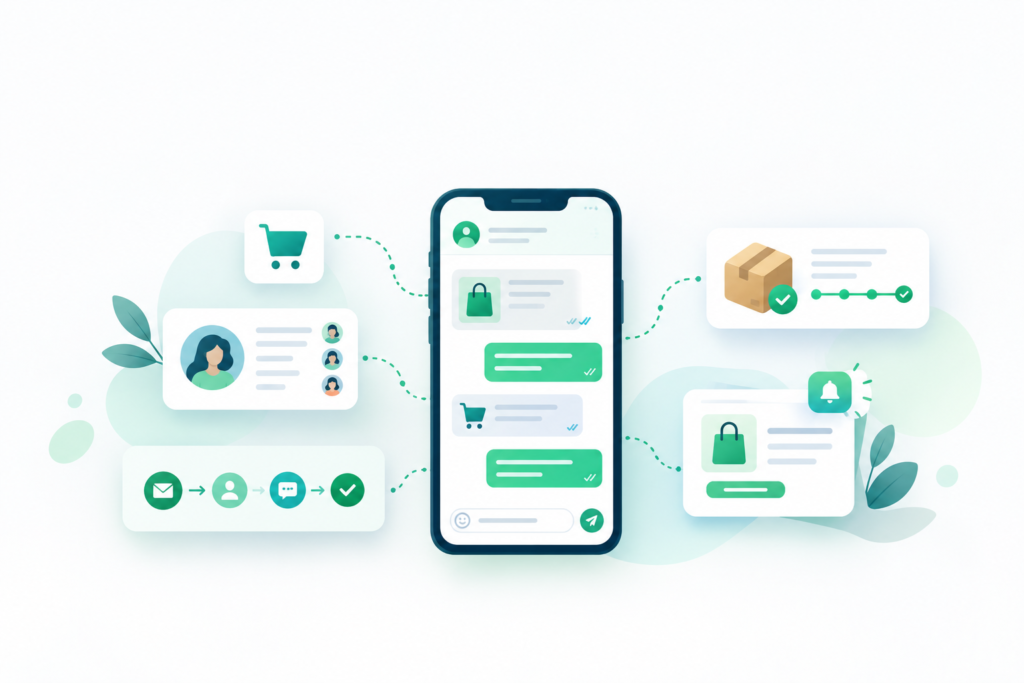
WhatsApp Marketing Agency for D2C Brands: What Should You Expect? For many D2C brands, WhatsApp has become an important customer communication channel. It can be used to answer product questions, share order information, recover abandoned purchases, announce products, encourage repeat orders, and reconnect with customers who have stopped buying. But running WhatsApp marketing well requires more than sending promotional messages to a customer list. A D2C brand needs consent management, audience segmentation, message templates, automation, customer data, campaign planning, and performance tracking. This is where a WhatsApp marketing agency for D2C brands can become useful. Why D2C Brands Use WhatsApp D2C businesses depend heavily on repeat purchases and direct relationships with customers. A customer may discover a product through advertising, visit the website, make a purchase, and then interact with the brand through several different channels. WhatsApp can become part of that customer journey. Klaviyo’s current ecommerce guidance describes WhatsApp use cases including abandoned cart reminders, product launches, post-purchase communication, customer questions, and coordinated journeys with email and SMS. For example, a customer who adds a product to a cart but leaves the website could receive an email first and a WhatsApp message later, provided the customer has given the required WhatsApp marketing consent. The purpose is to make the communication relevant to the customer’s activity rather than treating every subscriber in the same way. What Does a WhatsApp Marketing Agency Do? A WhatsApp marketing agency helps a brand plan, build, manage, and improve its WhatsApp customer communication. The work may include: WhatsApp Business setup Customer consent and opt-in planning Audience segmentation Campaign strategy Message template creation WhatsApp automation Abandoned cart journeys Welcome flows Post-purchase communication Product launch campaigns Replenishment reminders Win-back campaigns Customer support handoffs Campaign reporting Conversion and retention analysis The exact scope depends on the agency and the D2C brand. A good engagement should begin with the customer journey rather than with a list of messages. The agency needs to understand what happens before a purchase, immediately after an order, and during the period when a customer is deciding whether to buy again. WhatsApp Requires Customer Consent Consent is one of the most important parts of WhatsApp marketing. Klaviyo’s current documentation states that businesses need explicit opt-in permission before messaging customers on WhatsApp. The customer must provide their phone number and confirm that they want to receive communications from the specific business. The opt-in process also needs to comply with applicable local laws. This means a D2C brand should have a clear process for collecting WhatsApp subscribers. Possible methods include: Website sign-up forms Dedicated WhatsApp landing pages QR codes on packaging Post-purchase sign-up opportunities Social media links Other clearly disclosed opt-in methods The business should also explain what customers are signing up to receive. Klaviyo recommends clear consent language and provides double opt-in functionality for WhatsApp on eligible plans. For an agency, consent management should therefore be part of the implementation plan rather than an afterthought. Build the Right Customer Journeys A D2C brand does not need to send the same WhatsApp message to everyone. Consider a few common customer situations. New subscriber Someone joins the brand’s WhatsApp program for the first time. A welcome flow can introduce the brand, explain what the subscriber can expect, and potentially provide an appropriate first-purchase offer. Klaviyo currently supports WhatsApp welcome flows triggered by a subscriber opting into WhatsApp marketing. Abandoned cart A customer adds products to a cart but does not complete the purchase. The brand may use a sequence that combines email and WhatsApp, depending on consent and the customer’s previous engagement. Recent purchaser A customer has just placed an order. WhatsApp can be used for suitable post-purchase communication, including order-related information, product care, reviews, replenishment, or related product recommendations. Klaviyo documents post-purchase WhatsApp flows covering uses such as thank-you messages, order confirmation, cross-sell, upsell, reviews, and replenishment. Inactive customer A customer who previously purchased has not returned for a period that makes sense for the product category. A win-back journey can present a relevant product, reminder, or offer based on the customer’s previous behavior. Segmentation Makes WhatsApp More Useful The value of WhatsApp marketing depends heavily on who receives each message. A skincare brand, for example, could create segments for first-time customers, repeat buyers, high-value customers, customers who viewed a particular product, and customers who have not purchased recently. Klaviyo’s current WhatsApp segmentation guidance includes segments such as highly engaged subscribers, WhatsApp VIP customers, high-intent shoppers, location-based audiences, and customers based on WhatsApp interaction. This gives an agency more useful options than simply creating one large WhatsApp list. A customer who has purchased a product twice may need a different message from someone who has only visited a product page once. Templates and Messaging Rules Matter WhatsApp marketing also has technical requirements. Outbound marketing messages sent through the WhatsApp Business Platform require approved message templates. Klaviyo’s current documentation states that businesses need an approved WhatsApp template and explicit marketing consent before sending a WhatsApp campaign. Templates can contain structured elements such as headers, message bodies, footers, and buttons. This creates an important role for the agency. The agency needs to understand the brand’s communication style while also creating messages that fit the platform’s requirements. A message that looks acceptable in an email may need to be written differently for a conversational messaging channel. WhatsApp Can Work Alongside Email and SMS A D2C brand does not necessarily need to choose WhatsApp instead of email. The channels can have different jobs within the same customer journey. For example: Customer stage Possible channel Purpose New subscriber Email + WhatsApp Welcome and product education Product viewed Email Product information Cart abandoned Email + WhatsApp Purchase reminder Order placed WhatsApp Order-related communication Product received Email + WhatsApp Care, review or education Replenishment period WhatsApp + Email Repeat purchase Customer inactive Email + WhatsApp Win-back New product launch Email + WhatsApp Product announcement The exact combination should depend on customer consent, preferences, product type, and business goals. Klaviyo currently allows WhatsApp to