
Winback That Worked: Reactivating a Dormant List on WhatsApp + Email
The List You Already Have
A dormant customer list can be one of the most overlooked assets in a business. These are people who have purchased before, subscribed to updates, requested information, or interacted with a company at some point, but have stopped responding.
The natural reaction is often to focus on acquiring new customers. That can be expensive and time-consuming. Before investing heavily in new acquisition, it is worth looking at the customers who already know the business.
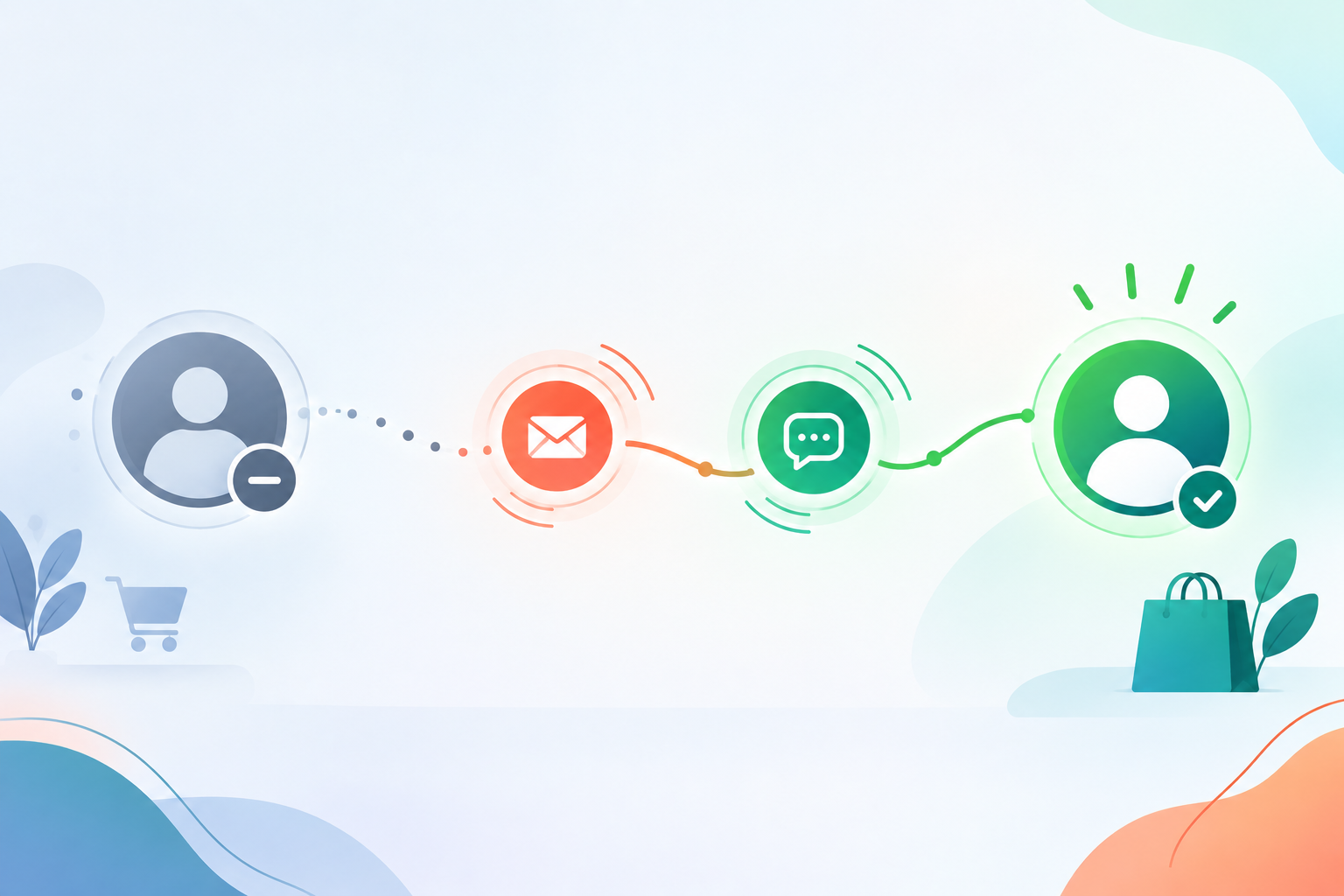
A well-planned win-back campaign can give dormant contacts a reason to pay attention again. Using WhatsApp and email together can make this process more useful because each channel serves a different purpose.
Email provides room for context, product information, and a considered offer. WhatsApp can deliver a shorter, more direct reminder when the customer has opted in to receive business messages.
The goal is not to contact everyone repeatedly. It is to identify the right people, understand why they became inactive, and give them a relevant reason to return.
Start With the Dormant List
The first step is to define what “dormant” means for your business.
For one company, a dormant customer may be someone who has not purchased for six months. For another, it may be a subscriber who has not opened an email for 90 days. A B2B company may define inactivity based on website visits, product usage, enquiries, or sales conversations.
This distinction matters because customer inactivity does not always mean lost interest.
Someone may have stopped buying because their needs changed. Another customer may simply have forgotten about the company. Some may have had a poor experience, while others may have found an alternative supplier.
Segmenting the dormant customer list helps avoid sending the same message to everyone.
Useful segments can include:
| Segment | Possible Reason for Inactivity | Suitable Message |
| Previous buyers | No recent purchase | Product or service reminder |
| Inactive subscribers | Lost interest | Useful content or update |
| Old leads | Decision was delayed | Relevant solution or consultation |
| High-value customers | Reduced engagement | Personalized reactivation message |
| One-time customers | No second purchase | Related product or service |
This type of customer segmentation makes a reactivation campaign easier to manage and measure.
Give Them a Reason to Return
A win-back message needs a clear purpose.
“Hello, we miss you” is unlikely to be enough on its own. The recipient needs to understand why the message deserves attention.
The reason could be a new product, an improved service, a useful resource, a relevant recommendation, a limited-time benefit, or an update connected to something they previously purchased.
For example, a business selling software could contact an inactive customer about a new feature that solves a problem the customer previously experienced.
A professional services company could send an old lead a useful guide related to the service they originally asked about.
The message should connect with the recipient’s previous relationship with the company rather than appearing as a generic promotion.
Use Email for the Full Story
Email works well as the detailed part of a customer reactivation strategy.
The subject line should make the purpose clear without resorting to exaggerated claims. The body should quickly explain what has changed, why it may matter to the recipient, and what they can do next.
A simple email sequence might look like this:
- Reintroduce the business or relevant product.
- Share something useful or explain what has changed.
- Provide a clear reason to return.
- Send a final reminder to genuinely inactive contacts.
The sequence should also include sensible frequency limits. Sending several messages within a short period can make a dormant customer even less interested.
Engagement data can help determine who should receive another message and who should be removed from the campaign.
Add WhatsApp at the Right Point
WhatsApp can complement email when customers have provided appropriate consent to receive messages through the channel.
Its strength is direct communication. A WhatsApp re-engagement message can remind someone about an email, introduce a relevant update, or provide a simple next step.
The message should be brief and useful.
For example, after sending an email about a new service, a business might send an opted-in WhatsApp contact a short reminder directing them to the relevant information.
WhatsApp should not become a replacement for thoughtful email communication. The two channels should support each other.
Email can provide the details. WhatsApp can provide a timely reminder or simple action.
This combination can create a more coordinated customer lifecycle campaign.
Personalization Without Overdoing It
Personalization is useful when it reflects genuine customer information.
Using a customer’s name is only a small part of the process. More useful personalization can involve previous purchases, past enquiries, product interests, account activity, or the customer’s stage in the buying process.
However, personalization should never make a customer uncomfortable.
A company does not need to mention every detail it has collected. The information used should have a clear purpose and should help make the message more relevant.
For example, instead of sending every dormant contact the same offer, a company could create separate messages for previous buyers, old leads, and inactive subscribers.
This creates a more practical reactivation strategy without making the campaign unnecessarily complicated.
Measure What Actually Happened
A win-back campaign should be judged by customer actions rather than message volume.
Important measurements can include:
- Email open rate
- Email click-through rate
- WhatsApp response rate
- Website visits
- Repeat purchases
- Reactivated customers
- Unsubscribe rate
- Conversion rate
- Revenue from reactivated customers
It is also useful to compare results by segment.
If previous customers respond well but old leads do not, the messaging may need to be different for those groups. If email receives strong engagement but WhatsApp produces few responses, the timing or message format may need adjustment.
The purpose of measurement is to understand what caused dormant customers to return and where the campaign needs improvement.
A Simple Win-Back Sequence
A practical campaign does not need to contain dozens of messages.
A four-stage sequence can be enough:
Message 1 – Reconnect
Remind the customer about the relationship and introduce something relevant.
Message 2 – Provide Value
Share useful information, a new development, or a reason to reconsider the product or service.
Message 3 – WhatsApp Reminder
For opted-in contacts, send a concise WhatsApp message with a clear next step.
Message 4 – Final Check
Give genuinely inactive contacts one final opportunity to engage before moving them out of the active campaign.
Contacts who remain inactive should not be contacted indefinitely. Maintaining a clean database improves communication quality and reduces unnecessary messages.
What Product Siddha Can Build
At Product Siddha, customer reactivation can be approached as part of a wider marketing automation and customer lifecycle process.
The work can involve audience segmentation, marketing automation, CRM connections, email workflows, WhatsApp communication, customer data, campaign tracking, and performance analysis.
The important part is coordination.
A dormant list should not simply receive a sequence of messages. The business should understand who is being contacted, why they became inactive, what information is relevant to them, and what action represents successful reactivation.
With the right automation and analytics setup, these processes can be organized so that customer activity informs future campaigns.
Bring Good Customers Back
A dormant list is not automatically a lost list.
Some contacts may be ready to return when the business gives them a relevant reason. Others may need useful information before they consider taking action. Some may no longer be interested and should be allowed to leave the campaign.
That is why effective WhatsApp and email win-back campaigns depend on sensible segmentation, useful communication, appropriate timing, consent, and measurement.
For businesses with an existing customer or prospect database, reactivation can be a practical part of a broader marketing automation strategy. Instead of treating every inactive contact the same way, companies can use customer data and campaign performance to decide who should hear from them and what they should receive.
A dormant list already contains valuable history. The opportunity is to use that history responsibly and turn past interactions into relevant reasons for customers to engage again.