
Product Siddha

Author name: Sahil Sanghar

Blog, Product Analytics

Building Data-Driven Cultures: How Product Leaders Use Analytics to Align Teams and Strategy

Building Data-Driven Cultures: How Product Leaders Use Analytics to Align Teams and Strategy Data as a Common Language Modern product leaders know that intuition alone cannot scale a business. Decisions based on assumption often lead to missed opportunities, slow reactions, and internal misalignment. A data-driven culture solves this by turning Product Analytics into a shared language across teams. When data becomes the foundation of every discussion, design and engineering no longer debate on opinions. Instead, they collaborate around measurable facts. This approach not only aligns teams but also links product goals directly to company strategy. At Product Siddha, the idea of data as a unifying force is not theory. It has been applied in real projects, helping teams convert fragmented insight into clear direction and measurable progress. Why Product Analytics Defines Modern Leadership The role of a product leader has evolved from managing features to guiding decisions. Today, leaders must interpret data to understand user intent, measure impact, and adjust strategy in real time. Product Analytics serves as the instrument that brings clarity to this process. It connects every team’s contribution to a common outcome. From marketing to engineering, everyone sees the same numbers, understands the same patterns, and works toward shared performance goals. According to a McKinsey study, organizations that use analytics in their core decision-making are 23% more likely to outperform competitors in customer acquisition and retention. Yet many teams still struggle with scattered data and unclear metrics. Building a data-driven culture is not about adopting tools alone. It is about creating habits where every team member looks at the same dashboards before making a move. Case Example: Full-Stack Mixpanel Analytics for a Music App A clear example of this alignment came from Product Siddha’s work with a U.S.-based swipe-style music discovery app. The team implemented Mixpanel analytics to visualize how users interacted with songs, artists, and playlists. Instead of broad engagement reports, they broke the data into lifecycle stages: Activation (tracking how many users swiped within their first 30 days) Conversion (identifying which actions led users to paid subscriptions) Retention (examining who returned after periods of inactivity) These dashboards helped the client’s product and marketing teams work from a single source of truth. They no longer needed analysts to interpret data. Product managers could test hypotheses weekly, and designers could adjust interfaces based on evidence rather than guesswork. The outcome was a faster product cycle and higher user satisfaction. Teams across different roles began to speak the same analytical language, achieving true cross-functional alignment. The Foundations of a Data-Driven Culture Creating such a culture requires deliberate change in three key areas. 1. Leadership Commitment Data-driven behavior starts from the top. When leaders consistently ask for data-backed updates and make decisions using analytics, it sets the standard for others. Product Siddha’s work with a SaaS coaching platform demonstrated this. By deploying Amplitude analytics and live dashboards that showed daily active users, conversion funnels, and retention trends, leadership could spot what worked within hours. Teams followed that example, replacing assumptions with observable data. Within months, the company’s marketing and engineering departments were aligned on the same product growth indicators. 2. Accessible, Clean Data Complex dashboards are of little use if people cannot understand or trust the numbers. Data must be structured, consistent, and easily accessible. Product Siddha often emphasizes this during Product Analytics implementations. For instance, when building analytics for a ride-hailing application, the team created a structured taxonomy covering every event from ride selection to payment completion. This clean data system allowed both product and operations teams to analyze user behavior in real time without confusion. 3. Shared Metrics Across Teams Every department should measure success with metrics that link back to a common business goal. In many organizations, marketing focuses on clicks, while product teams focus on usage. A unified analytics approach brings these together. When metrics reflect a shared objective, teams stop competing for attention and start contributing to one result. This mindset shift is what transforms a data system into a data-driven culture. Data-Driven Strategy in Action Once a culture of analytics is established, product leaders can use it to connect daily execution to long-term business goals. Define the Objective – Decide which product metrics align with revenue or user growth targets. Instrument the Journey – Track user behavior at every major interaction point. Monitor Outcomes Continuously – Build dashboards that refresh automatically and are visible to all departments. Encourage Ownership – Allow teams to experiment and measure their own outcomes using the same data framework. This method gives every department the autonomy to innovate, while keeping them aligned under the same strategic umbrella. Product Siddha’s Experience with Data-Driven Alignment At Product Siddha, the focus has always been on translating data into practical outcomes. In one case, a fintech client struggled with disconnected marketing and sales systems. By introducing HubSpot Marketing Hub and linking it with a structured analytics pipeline, both teams gained real-time visibility of leads and conversions. The automation ensured that every qualified lead moved smoothly through the sales cycle. Marketing knew which campaigns generated high-value leads, while sales focused on closing those deals. The shift was not just technical; it was cultural. Decisions became faster, meetings became shorter, and the two teams began operating as one. How Product Analytics Shapes Better Decisions The most valuable benefit of Product Analytics lies in its ability to reveal cause and effect. It explains not just what happened, but why it happened. A simple change in onboarding flow might raise engagement by 10%. Analytics can then identify which specific step created that lift, helping teams refine the experience even further. Data-driven leaders also understand that analytics is not static. It evolves with the product. Metrics that matter during early growth may differ once scale is achieved. A mature analytics culture adapts to these changes without losing direction. From Insight to Impact A strong data-driven culture does more than improve decision-making. It builds confidence. Teams that understand the numbers behind their actions work with purpose and


AI Automation, Blog

The Future of Workflows: Why AI Orchestration Tools Are the Next Big Thing After Automation

The Future of Workflows: Why AI Orchestration Tools Are the Next Big Thing After Automation Reimagining Workflows in the Age of AI Automation The past decade saw businesses automate repetitive tasks through bots, scripts, and integration platforms. Yet, as AI automation matured, a new challenge surfaced – managing the growing number of tools, data systems, and AI models running in parallel. Automation simplified tasks, but orchestration brings intelligence to the entire process. AI orchestration tools mark the next leap in digital transformation. They allow organizations to connect multiple AI-driven systems, synchronize workflows, and enable adaptive decision-making without manual intervention. Instead of separate automations running in isolation, orchestration builds a cohesive digital ecosystem that reacts, learns, and optimizes itself over time. From Automation to Orchestration Automation performs tasks. Orchestration ensures that those tasks work together in harmony. Imagine a company using multiple automation scripts for marketing, sales, and analytics. Each works well individually, but when data must flow across them – say, from a lead captured in a CRM to a personalized email and a real-time dashboard – human oversight is still required. AI orchestration tools remove that friction. They allow systems to collaborate seamlessly, using logic and data-driven intelligence. Platforms like n8n, Airflow, and Prefect have evolved from workflow tools into orchestration engines capable of integrating with AI APIs, decision trees, and even large language models. At Product Siddha, this principle has shaped how projects are designed and scaled. In one case, when the company built an AI-powered lead generation engine after being locked out of a third-party service (Apollo), the solution was not simply about automation. It involved orchestration across Google Maps, Apify, LinkedIn, and Google Sheets. n8n served as the conductor – scheduling scrapes, merging data, and cleaning results without any manual effort. That orchestration layer turned a collection of scripts into a living, adaptive workflow. Why Orchestration is the Missing Piece in AI Automation Complexity Management As organizations expand their digital capabilities, automations multiply. Orchestration provides a unified layer to manage dependencies, control execution, and recover from failures gracefully. Data Consistency Orchestrated workflows ensure data stays synchronized across systems. This prevents mismatched or outdated information – a common issue when automation runs independently in silos. Intelligent Decision Flows AI orchestration can introduce decision-making capabilities. For instance, a workflow can trigger different actions based on data patterns or model predictions. This transforms passive automation into active intelligence. Scalability and Governance Central orchestration helps teams scale workflows while maintaining visibility and control. It enforces governance standards, ensuring that every automated step aligns with compliance and performance needs. Real-World Impact of AI Orchestration A clear example of orchestration in action can be found in Product Siddha’s AI Stock Advisor project. The goal was to help investors in India manage and analyze portfolios intelligently. Instead of one-off automations, the system integrated several moving parts: Data collection from brokerage APIs (Groww) Stock fundamentals fetched through Screener.in Technical indicators like RSI and SMA calculated through custom scripts Conversational AI powered by OpenAI for user interactions Smart memory storage in Supabase to track preferences and past actions n8n for orchestrating automation and controlling API usage Every module communicated through orchestration logic. When market conditions changed, automation triggered the right insights automatically, without redundant processing or human prompts. The result was a system that learned, adapted, and responded as if it were an intelligent assistant. This distinction defines why orchestration represents the “next big thing.” Automation executes; orchestration understands context. How AI Orchestration Elevates Modern Businesses 1. End-to-End Visibility AI orchestration provides clear, real-time visibility into every part of a workflow. Instead of multiple dashboards across tools, teams can monitor entire processes in one place. For instance, in Product Siddha’s Full-Stack Mixpanel Analytics setup for a U.S. music app, the orchestration layer tied together tracking, dashboards, and event triggers. Each team – product, growth, and marketing – had synchronized insights without waiting for reports. That orchestration improved decision speed and cross-functional collaboration. 2. Adaptive Intelligence Modern orchestration engines can dynamically reroute workflows based on data input or performance conditions. For example, if a marketing automation system detects poor engagement, the orchestration tool can automatically switch to an alternative campaign or adjust the message flow. 3. Cost and Efficiency Gains AI orchestration minimizes redundant processing and human monitoring. It ensures each system runs only when needed and shares data efficiently. In Product Siddha’s French Rental Agency project (MSC-IMMO), orchestration linked multiple tools like Fillout, Calendly, and email systems to create a zero-touch lead intake process. This reduced operational costs and response times, allowing the team to handle more leads without extra manpower. Visualizing the Shift: Automation vs. Orchestration Feature Automation AI Orchestration Scope Task-level System-level Intelligence Rule-based Context-aware Adaptability Limited Dynamic Integration Isolated tools Connected ecosystem Governance Minimal Centralized Example Auto email responder Full lead-to-customer pipeline This transition is similar to how software evolved from standalone programs to integrated platforms. Businesses that embrace orchestration early gain a competitive advantage through speed, clarity, and precision. The Road Ahead: Workflow Intelligence as a Strategic Asset AI orchestration is not just about technical integration. It changes how teams think about work itself. Instead of managing tools, they manage outcomes. Each process becomes a coordinated effort between AI systems and human oversight. At Product Siddha, orchestration has become a cornerstone of innovation. From product analytics to automation pipelines, the company’s approach ensures that each workflow is both efficient and intelligent. The future of work will rely not only on how well businesses automate but on how effectively they orchestrate. Final Insight: Building Resilient, Intelligent Systems The next phase of digital growth will depend on orchestrating intelligence, not just automating labor. AI orchestration tools give companies the means to manage complexity, reduce friction, and respond to change in real time. Automation may have made processes faster, but orchestration makes them smarter. And as businesses face growing data volumes and system interdependencies, this intelligence will be the true differentiator.

AI Automation, Blog

AI as a Creative Partner in UX: A Collaboration, Not a Competition

AI as a Creative Partner in UX: A Collaboration, Not a Competition When Creativity Meets Intelligence For years, designers and technologists have debated whether artificial intelligence will replace human creativity. In the field of User Experience (UX), the truth has become clearer: AI is not a rival. It is a capable creative partner. When guided by thoughtful design principles, AI helps teams move faster, make better decisions, and build experiences that feel more human, not less. At Product Siddha, this balance between art and intelligence has shaped every project. The company’s work across industries, from fintech and SaaS to entertainment and retail, shows how the right AI Services can enhance human creativity rather than limit it. AI in UX: From Tool to Teammate Modern UX design involves hundreds of micro-decisions, layout choices, interaction flows, tone of communication, and accessibility standards. AI’s strength lies in managing and learning from vast data sets that inform these decisions. Instead of designing static interfaces, teams can now test and adapt designs in real time. AI helps designers understand how users behave, what frustrates them, and what drives satisfaction. This creates a dynamic loop where both human intuition and machine learning contribute to better outcomes. For example, Product Siddha’s AI Automation Services for MSC-IMMO, a French real estate agency, showcased how automation can humanize digital interactions. The system handled lead intake, email replies, and scheduling, all without human involvement. Yet, every touchpoint felt responsive and personal. The result was a smoother customer journey, a UX triumph powered by intelligent automation. Understanding Human Intent Through Data Good UX design begins with understanding intent, what users seek, why they act, and how they decide. AI amplifies this understanding by analyzing behavior patterns that humans might overlook. In the Snobs Music App project, Product Siddha used Mixpanel to track and analyze user journeys. By mapping every swipe, playlist creation, and trial signup, the team could identify moments of delight and frustration. AI turned raw data into insight, revealing that users who engaged with “follow artist” features were far more likely to convert to paid plans. This is where AI stops being a background system and becomes a collaborator. Designers used these insights to refine onboarding screens and experiment with new micro-interactions. The improved UX design was informed by AI yet shaped by human creativity. Human Creativity Still Leads the Way AI offers speed, scale, and structure, but human creativity remains essential. It is the designer who gives emotion to data, empathy to automation, and meaning to metrics. When Product Siddha developed an AI-powered investment assistant for an Indian equity platform, the objective was not to replace financial analysts. It was to assist them. The AI system learned investor preferences, analyzed real-time stock data, and remembered past decisions. But it was the product design team that decided how these insights would appear to users, through clear visuals, conversational tones, and interactive elements. AI handled complexity. Designers made it understandable. This partnership produced a tool that cut manual research by 75 percent while preserving the trust and clarity that investors expect. Designing for Adaptability A modern UX designer’s goal is not to create a single perfect interface but a flexible ecosystem that evolves. AI allows this adaptability through continuous feedback loops. For instance, Product Siddha’s SaaS Coaching Platform analytics system used Amplitude to visualize how users moved from free trials to paid plans. Once AI identified patterns in these transitions, designers adjusted call-to-action placements and onboarding sequences accordingly. This feedback cycle improved conversions while maintaining a seamless user experience. The same principle applies across industries: adaptive UX, supported by AI insights, ensures that products grow alongside their users. Balancing Automation and Empathy There is a misconception that automation removes empathy from digital experiences. In practice, it can enhance it, if implemented thoughtfully. Take Product Siddha’s AI automation for a VC firm in the Agri-Tech sector. The team built an AI pipeline that transformed Reddit discussions into insightful Twitter posts. On the surface, it was a time-saving automation. But the real innovation was in tone. The AI learned the brand’s voice, avoided jargon, and produced posts that sounded as though they came from a thoughtful human observer. This balance between automation and empathy defines the new creative era of UX. AI can understand patterns, but it takes human oversight to ensure meaning, sensitivity, and context remain intact. The Future: Co-Designing Experiences AI is beginning to participate in ideation itself. Tools that generate wireframes, suggest design variations, or test accessibility in real time are now standard components of AI Services. Yet, success depends on how teams collaborate with these tools. Product Siddha’s product managers and UX strategists often describe AI as “the extra team member who never sleeps.” It observes, suggests, and learns, but it does not decide the vision. In their work with Pointy, the UAE’s first lifestyle services marketplace, Product Siddha used AI recommendations to guide users through salon and fitness bookings. However, the ultimate design was human-driven, rooted in cultural nuances and aesthetic choices that no algorithm could replicate. This co-design philosophy, where human and AI share creative responsibility, will define the next decade of UX evolution. A New Creative Model The old view of AI as a replacement technology is fading. Today, it acts as a creative amplifier. Designers equipped with AI tools can run faster experiments, deliver personalized journeys, and make data-backed decisions that improve user satisfaction. But AI cannot replicate the human sense of wonder, humor, or empathy that turns interfaces into experiences. It can only enhance these qualities by freeing designers from repetitive tasks and surfacing insights that lead to better storytelling. Product Siddha’s projects illustrate this clearly: whether it is an analytics dashboard, an automated communication flow, or an investment assistant, AI works best when it serves as an invisible yet intelligent partner. The Human Edge Creativity remains human because it begins with curiosity, not computation. AI can extend what humans imagine, but not why they imagine it. For companies adopting AI Services,

Blog, Product Management

5 Ways Companies Are Going Green with Sustainable Tech

5 Ways Companies Are Going Green with Sustainable Tech The Green Revolution in Technology Climate change is no longer a distant concern. Companies across industries are rethinking how they operate, and technology has become a critical tool in the shift toward sustainability. From reducing carbon footprints to optimizing resource use, sustainable tech is transforming how businesses balance growth with environmental responsibility. At Product Siddha, we have seen organizations use intelligent automation and data-driven systems to cut waste, lower energy consumption, and make smarter decisions. The goal is not just compliance or good publicity. It is about building systems that work better while using less. Here are five practical ways companies are going green with sustainable technology. 1. Automating Operations to Reduce Energy Waste Manual processes consume more than just time. They often lead to inefficient use of resources, whether that means running systems longer than needed or duplicating work that could be automated. Automation reduces this waste by creating systems that run only when necessary and stop when the job is done. For example, automated workflows can turn off servers during non-peak hours, schedule tasks during low-energy periods, or trigger actions based on real-time data rather than fixed schedules. Product Siddha recently worked with a French rental agency, MSC-IMMO, to build a zero-touch lead intake system. The AI automation handled email responses, scheduled property visits, and sent reminders without any manual intervention. This removed the need for staff to monitor inboxes constantly or leave systems running overnight. The result was a leaner operation that used less energy and freed up human resources for higher-value work. When businesses automate repetitive tasks, they reduce the need for always-on infrastructure. Fewer active systems mean lower electricity consumption, which translates directly into a smaller carbon footprint. 2. Building Lightweight Tools Instead of Relying on Heavy Platforms Many companies default to large, resource-heavy software platforms that require constant updates, high server loads, and significant energy to maintain. These platforms often include features most users never touch, yet they still consume power and bandwidth. A smarter approach is to build lightweight, custom tools that do exactly what is needed and nothing more. These tools run faster, use fewer resources, and can be hosted on smaller, more efficient servers. Product Siddha experienced this firsthand when a major lead generation tool shut down access. Instead of switching to another bloated platform, the team built a custom lead engine using open tools like Google Maps, Apify, and n8n. The system pulled live business data, found decision makers, and automated outreach without the overhead of a full enterprise platform. This lean approach meant lower energy consumption, faster processing, and better control over data flow. The system was designed to run efficiently and scale only when needed, avoiding the constant resource drain of traditional software. Companies that build lean also reduce electronic waste. Custom systems have longer lifespans because they are easier to maintain and update. They do not require constant hardware upgrades to support bloated software updates. 3. Using Data Analytics to Optimize Resource Allocation Waste often hides in the data. Companies produce, ship, and store more than they need because they lack visibility into actual demand patterns. Sustainable tech helps solve this by using analytics to predict needs more accurately and allocate resources more efficiently. For a U.S. music app called Snobs, Product Siddha set up full-stack analytics using Mixpanel. The system tracked user behavior at every stage, from first swipe to paid subscription. This data showed which features users engaged with most and which ones were ignored. Armed with this information, the product team could focus development resources on high-impact features and cut back on low-value ones. This meant less wasted engineering time, fewer unused features consuming server space, and a more efficient product overall. In another case, Product Siddha built an AI stock advisor for an investor focused on the Indian equity market. The system pulled real-time portfolio data, analyzed stock fundamentals, and calculated technical indicators like RSI and MACD. By automating this research, the client cut manual work by 75 percent, which also meant less time spent running multiple platforms and tools. Better data leads to better decisions, and better decisions reduce waste. Whether it is inventory, energy, or human effort, analytics helps companies use only what they need. 4. Shifting to Cloud Infrastructure with Smart Controls Cloud computing has environmental trade-offs. On one hand, cloud providers operate massive data centers that consume enormous amounts of energy. On the other hand, they achieve economies of scale that most individual companies cannot match. The key is using cloud infrastructure smartly. Companies can reduce their cloud footprint by implementing controls that scale resources up or down based on actual demand. This prevents over-provisioning, where servers sit idle but still consume power. Product Siddha applied this principle when building the AI stock advisor. The system used n8n to orchestrate workflows and control API usage, ensuring that data pulls and calculations only happened when market conditions changed. This prevented unnecessary processing and kept costs and energy use low. For the Agri-Tech and FoodTech VC fund, Product Siddha built an automated content pipeline that scanned Reddit, filtered relevant posts, and generated tweets using AI. The system ran on scheduled triggers rather than continuously, which meant it only activated when needed. Smart cloud controls also extend hardware lifespan. When companies avoid maxing out their infrastructure, equipment lasts longer and replacements happen less frequently. This reduces the environmental impact of manufacturing and disposing of hardware. 5. Enabling Remote Work Through Digital Collaboration Tools One of the most direct ways technology supports sustainability is by reducing the need for physical commutes. Remote work cuts carbon emissions from transportation, reduces office energy consumption, and lowers the overall environmental footprint of business operations. Digital collaboration tools make this possible. Project management platforms, video conferencing, cloud storage, and real-time analytics allow teams to work effectively from anywhere. The environmental benefit is immediate and measurable. Product Siddha operates as a fully remote team, relying on tools like

AI Automation, Blog

Lessons Learned: Building Custom AI Assistants for Global SaaS and D2C Brands

Lessons Learned: Building Custom AI Assistants for Global SaaS and D2C Brands The Real Impact of AI Assistants in Everyday Business Operations Artificial Intelligence has moved from being a futuristic concept to an everyday operational necessity. Across industries, AI Assistants are now powering customer service, streamlining workflows, and enabling smarter decision-making. For global SaaS and D2C brands, they are no longer “nice to have” – they are a competitive advantage. At Product Siddha, our approach to AI Assistant development centers on real-world usability – designing intelligent systems that simplify decision-making, automate repetitive tasks, and enhance human capability. And after years of deployment across industries, one truth has become clear: building an effective AI system is as much about understanding people and context as it is about algorithms. Lessons from SaaS and Enterprise Deployments SaaS companies operate in fast-moving, data-rich environments where speed and accuracy directly influence user trust. Take Notion, for example. Their AI features help users summarize, analyze, and generate insights directly inside their workspaces. By embedding intelligence into the platform itself, Notion eliminates friction – users stay productive without ever leaving the environment they’re in. Similarly, Intercom’s AI-driven customer platform uses machine learning to triage support queries, instantly responding to common requests while routing complex ones to human agents. This hybrid model ensures accuracy and empathy coexist – the hallmark of an effective AI strategy. These real-world examples mirror one of Product Siddha’s most successful approaches: context-driven training. When building AI systems, domain relevance often outperforms massive data volume. It’s not about training on “everything”; it’s about training on what matters. A Real Case Study: Product Siddha’s AI Assistant for a Global Subscription Platform A lifestyle subscription brand operating across the US and Australia approached Product Siddha to unify its customer support and operational workflows. Challenge: Support tickets were piling up, with repetitive billing and shipping queries consuming most of the team’s time. Approach: Our team built a conversational AI Assistant integrated with HubSpot and Twilio Segment. It identified customer intent, detected sentiment, and automatically resolved common issues while escalating complex cases to human agents. Results (6 months): Support efficiency improved by 58% Average response time dropped from 12 minutes to under 2 minutes Customer satisfaction rose by 27% This project reinforced an enduring principle: AI should enhance human performance, not replace it. The best systems don’t just automate – they amplify empathy, speed, and accuracy. Building Empathy-Driven AI for D2C Brands While SaaS systems thrive on efficiency, Direct-to-Consumer (D2C) brands rely on connection. Their AI Assistants must understand tone, emotion, and brand voice – not just intent. Sephora’s Virtual Artist is a great example. It allows customers to virtually “try on” products while engaging with an AI that adapts its recommendations based on style, tone, and even cultural nuance. Likewise, Nykaa, a major Indian beauty retailer, uses AI-powered chatbots to communicate authentically with customers in multiple languages, reflecting local expressions and preferences. These success stories illustrate a key truth for D2C AI design: empathy drives engagement. The most advanced technology fails when it doesn’t “feel human.” The Core Framework for Building Reliable AI Assistants From internal experimentation and industry observation, Product Siddha follows a five-stage framework that aligns with what leading global brands also adopt: Stage Objective Tools / Techniques 1. Data Understanding Identify tone, sources, and customer intent Twilio Segment, HubSpot CRM, custom parsing 2. Intent Design Map user goals to conversation paths NLP modeling, dialogue design frameworks 3. Model Development Train and fine-tune for real workflows OpenAI API, Rasa, Python 4. Integration Connect AI with business systems HubSpot, MoEngage, Klaviyo 5. Testing & Feedback Validate tone, accuracy, satisfaction A/B testing, user feedback loops This approach ensures every AI Assistant is scalable, context-aware, and continuously learning – essential traits for long-term adoption. Industry Lessons from the Field 1. Data Quality Trumps Quantity Leading firms like HubSpot and Salesforce have shown that curated, high-quality data yields more reliable AI outcomes than massive, unfiltered datasets. The context behind the data matters more than the volume of it. 2. Integration Must Be Intentional Over-automation can overwhelm teams or break workflows. Slack’s AI-powered summaries and Intercom’s escalation system both succeed because they balance automation with human oversight. The goal isn’t full automation – it’s intelligent augmentation. 3. Measurable Impact Takes Time AI systems improve through use. Metrics such as resolution rates, response latency, and sentiment accuracy stabilize only after months of feedback and retraining. Shopify’s predictive AI, for example, has evolved gradually to anticipate customer intent without intruding on their journey. The Future: Predictive and Proactive Intelligence The next phase of AI Assistants goes beyond reacting to user queries – they’ll start anticipating intent. Predictive personalization, as seen in platforms like Salesforce Einstein and Shopify Magic, already reduces user friction and drives loyalty by suggesting what customers need before they ask. At Product Siddha, we’re evolving our AI frameworks toward anticipatory intelligence – systems that help businesses act, not just respond. When done right, this doesn’t just improve operations; it transforms how teams think and work. Final Thought: Building AI That Understands Humans From Austin to Amsterdam, and from Mumbai to Manchester, AI Assistants are reshaping how global brands engage with customers. The most successful systems don’t just understand language – they understand people. Technology succeeds when it empowers human capability, not when it replaces it. That’s the vision driving Product Siddha’s AI innovation: creating intelligent systems that make decisions smarter, interactions more meaningful, and businesses more human.

Blog, Product Management

Product Management for MENA Region Startups: Unique Trends and Solutions

Product Management for MENA Region Startups: Unique Trends and Solutions Navigating Product Management in the MENA Startup Landscape The startup ecosystem in the Middle East and North Africa (MENA) is evolving at remarkable speed. From fintech and e-commerce to logistics and lifestyle apps, founders are redefining how technology serves consumers across culturally and economically diverse markets. Yet, applying global product management frameworks directly to the MENA region often falls short. Local differences in user behavior, regulation, language, and funding expectations demand product strategies that are regionally grounded and agile. At Product Siddha, we’ve seen firsthand how combining global frameworks with MENA-specific insights helps startups move from MVP to market leadership efficiently. Distinct Trends Shaping MENA Startups 1. Rapid Mobile-First Adoption MENA is one of the world’s most mobile-driven regions. According to GSMA, over 95% of internet users access the web primarily through smartphones. This mobile-first reality drives startups like Careem (UAE) and Mrsool (Saudi Arabia) to design apps with minimal data usage, fast loading times, and intuitive interfaces optimized for one-hand use. Product managers in the region must think mobile-first from the earliest design phase – prioritizing performance, localization, and offline resilience. 2. Fintech and Digital Payment Evolution While the UAE and Saudi Arabia lead in digital wallet adoption, countries like Egypt and Morocco still depend heavily on cash-on-delivery (COD). This payment diversity challenges product teams to design hybrid payment flows that accommodate both modern and traditional preferences. Successful regional examples include Tabby and Tamara, two Saudi-based fintech startups that built “buy now, pay later” solutions customized to Gulf consumer behavior. Such models prove that adapting to local payment culture is essential for conversion and trust. 3. Culturally Sensitive UX and Localization Designing for MENA means understanding deep cultural nuances – from right-to-left (RTL) text orientation to imagery and tone that resonate locally. Startups like Anghami, the Beirut-born music streaming platform, localized everything from language to content curation to reflect Arab pop culture. Effective product management in MENA therefore means testing UX across language groups, integrating local festivals or events, and ensuring inclusive visuals aligned with regional norms. 4. Investor Expectations and Growth Discipline MENA’s venture landscape is maturing. Investors expect data-backed product roadmaps, measurable KPIs, and visible traction. Founders must demonstrate not just innovation, but repeatable, scalable systems. Startups like WaffarX (Egypt’s first cashback app) exemplify this mindset – starting lean, proving early product-market fit, and scaling only once retention metrics showed stability. Challenges Unique to Product Management in MENA Fragmented Regulation: Each country enforces distinct data and fintech laws (e.g., DIFC in UAE vs. SAMA in Saudi Arabia), making compliance a core product function. Diverse Consumer Behavior: Urban vs. rural digital habits vary widely – even within the same nation – requiring adaptive segmentation strategies. Talent Gaps: Product management is still a growing discipline in the region, so training and structured playbooks are key to scaling teams effectively. A Framework for MENA-Focused Product Management 1. Market and User Research Start with localized discovery, combine field surveys, user interviews, and region-specific analytics to validate hypotheses. Understanding cultural and payment preferences should drive feature prioritization. 2. Build Mobile-First MVPs Focus on lightweight MVPs designed for 3G/4G reliability. Use real device testing across Android and iOS to ensure performance in bandwidth-limited environments. 3. Continuous Feedback Loops Adopt agile, data-led iteration cycles. Early adopters in MENA often act as micro-influencers; use their insights to refine usability and engagement flows. 4. Scalable Integrations When scaling regionally, integrate with local APIs and ecosystem partners (payment gateways, SMS providers, CRMs). This ensures compliance and seamless cross-border operations. Real Case Study: Product Management for UAE’s First Lifestyle Services Marketplace A UAE-based startup, Pointy, partnered with Product Siddha to launch the country’s first lifestyle services marketplace, offering beauty, wellness, and fitness bookings on one platform. Challenges: Disconnected vendor systems Lack of unified UX for salons and gyms Need for an AI-powered recommendation system Approach: Developed a clear product roadmap aligning vendors, users, and investors Built three synchronized products – a vendor portal, B2C mobile app, and AI co-pilot for personalized recommendations Ensured a mobile-first design compatible with Arabic and English users Results: Achieved early market validation with five active salons in the first month Delivered measurable traction that helped attract investor interest Demonstrated scalable potential for lifestyle service aggregation across the MENA region Lessons from Leading MENA Startups Startup Core Strategy Product Insight Careem (UAE) Hyper-localized UX, logistics innovation Built ride-hailing features around regional infrastructure gaps Tabby (KSA) BNPL model for GCC consumers Adapted fintech flows to high smartphone adoption & low credit card usage Anghami (Lebanon) Region-first music streaming platform Culturally curated content and Arabic-first app experience Pointy (UAE) Lifestyle marketplace Full-stack product management from roadmap to MVP execution Key Takeaways for Product Managers in MENA Prioritize Local Insights – Data from regional users should define product direction, not global assumptions. Design Mobile-First – User experience must be seamless even on older devices and networks. Balance Compliance with Agility – Regulatory adherence should integrate smoothly into sprints. Iterate Constantly – Validate every release through small, controlled market tests. Architect for Scale – Build modular systems that expand easily across GCC and North Africa. Building Scalable Success in the MENA Region Product Management in MENA requires a rare blend of cultural empathy, agile execution, and data-driven clarity. The most successful startups, from Careem to Anghami, share one common thread: they built products for MENA users, not just in MENA markets. At Product Siddha, our mission is to help startups achieve that same alignment, combining regional insight with global product discipline. By designing mobile-first, compliance-aware, and user-centric products, MENA startups can scale confidently in one of the world’s most exciting and fast-changing digital ecosystems.

Blog, Product Analytics

From Spreadsheet Fatigue to Analytics Nirvana: How VC Funds Automate Research

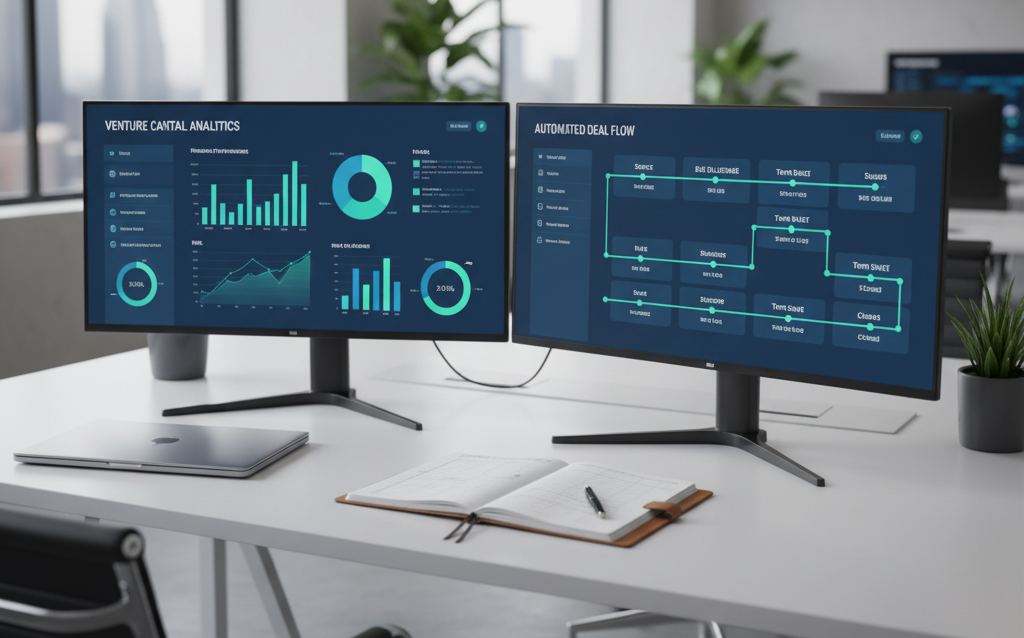
From Spreadsheet Fatigue to Analytics Nirvana: How VC Funds Automate Research The Research Burden Nobody Talks About Every venture capital analyst knows the grind – endless spreadsheets, messy data, and late-night updates before partner meetings. On average, analysts spend more than 20 hours a week manually updating deal pipelines, tracking metrics, and building market models. The problem? VC deal flow has exploded. What used to be 50 deals a year is now 500. Yet, many firms still rely on Excel sheets and email threads. When a partner asks for “updated ARR numbers” mid-meeting, someone scrambles to patch a broken formula before the conversation moves on. This system might have worked a decade ago, but it simply can’t scale today. Recognizing this, many forward-thinking firms, including those Product Siddha partners with — have started rebuilding their research and analytics infrastructure from the ground up. Where Manual Processes Break Down The inefficiency starts at data collection. Startups share financials in wildly different formats – PDFs, decks, or screenshots. Some highlight GMV, others focus on retention or CAC. Analysts must normalize all this manually, increasing the risk of errors. Then comes market research – scanning competitors, reading sector reports, tracking news, scraping data from Crunchbase or LinkedIn. A single competitive analysis can take eight hours or more. And even after investment, the problem persists. Portfolio monitoring becomes chaotic when companies use different KPIs and reporting schedules. Comparing ARR from one firm to MAU from another becomes a nightmare. The human toll is real. Analysts join venture capital to find great startups, not to spend nights copying numbers from one spreadsheet to another. As one associate at a mid-sized Bangalore VC fund said, “We weren’t researching companies anymore. We were researching Excel errors.” The Automated Alternative Automation has started rewriting the rules of VC research. Tools now exist that can extract, standardize, and analyze data across multiple sources with minimal human effort. Data extraction tools use Optical Character Recognition (OCR) and NLP to read pitch decks and identify key metrics automatically. Market intelligence platforms such as Crunchbase Pro, PitchBook, and CB Insights track funding rounds, leadership changes, and product trends in real time. Deal flow management systems like Affinity and Airtable Ventures organize conversations, notes, and follow-ups automatically. Portfolio monitoring tools such as Visible.vc or Carta Total Compensation provide real-time dashboards for key metrics. With these systems, analysts can generate complete deal profiles in minutes instead of hours, freeing time for actual investment analysis. Real Implementation Examples Authentic change is already underway across global VC firms. Andreessen Horowitz (a16z) uses custom-built internal analytics to track startup traction, funding velocity, and category momentum. Analysts receive live dashboards instead of static reports. Accel Partners uses automated data pipelines to integrate startup submissions directly into its CRM, eliminating manual entry and ensuring data freshness. Sequoia Capital India integrates automation into its “Surge” program to evaluate early-stage startups faster, using structured founder forms and AI-assisted screening tools. And in one case, a mid-sized venture fund in Bangalore that Product Siddha partnered with automated its research workflows. Before automation, analysts spent 60% of their week on repetitive data entry. After deploying an AI-powered research assistant and portfolio dashboard, that dropped to 15%. The firm’s investment pace increased by 40% – without expanding the team. Building the Right System Successful automation doesn’t begin with software – it starts with strategy. Funds must identify which pain points cost the most time and accuracy before adopting tools. Document the current process. Map every step analysts take from sourcing to reporting. Integrate before you automate. Ensure tools connect seamlessly – deal flow data should move from CRM to analytics to presentation decks automatically. Customize workflows. No two VC firms evaluate deals the same way. Systems should adapt to internal logic, not force uniformity. Train the team. Many automation projects fail because teams don’t fully adopt them. Internal champions and regular workshops are key. A hybrid setup usually works best: automated data intake combined with human judgment for validation and insight. The Changing Role of Analysts Automation doesn’t replace analysts – it liberates them. Instead of spending hours cleaning data, they spend time interpreting it. Instead of preparing reports, they analyze investment patterns and founder quality. The new analyst profile looks different: They understand automation tools and APIs as well as financial models. They can ask sharper questions because software has already answered the obvious ones. They spend more time building relationships and sourcing founders – the work that truly differentiates top-tier VC firms. Firms like Lightspeed Venture Partners and First Round Capital exemplify this. Their analysts use data-driven platforms for research but rely on human intuition for conviction. The technology enhances judgment – it doesn’t replace it. Worth the Investment Automation comes with upfront costs – software, integration, and team training. Smaller funds might spend $30,000 per year; large global funds may invest upwards of $200,000. But the ROI is immediate: Time savings often cover the expense within a year. Data accuracy improves investment decisions. Analyst retention rises because the job becomes more meaningful. As one partner at a Singapore-based early-stage fund said after automating their research workflows, “We stopped paying analysts to clean data – and started paying them to find unicorns.” Rethinking VC Operations Venture capital’s competitive edge now depends on data velocity – how quickly a firm can turn information into conviction. Manual research models simply can’t keep pace. Funds that embrace automation gain the ability to evaluate more opportunities, monitor portfolio performance in real time, and act on insights faster than rivals. The transformation Product Siddha observes across the global investment ecosystem points to a clear future: within five years, manual spreadsheet-based research will be as outdated as faxed pitch decks. The firms building automated, analytics-driven research ecosystems today will define the next generation of venture capital excellence.

Blog, Product Management

OKRs for Product Teams: Aligning Strategy, Execution, and Growth

OKRs for Product Teams: Aligning Strategy, Execution, and Growth Driving Alignment in Product Teams A Product Team performs at its best when everyone is pulling in the same direction – when the goals are clear, priorities are understood, and execution aligns with strategy. Objectives and Key Results (OKRs) give teams this clarity. Instead of vague targets or top-down directives, OKRs create a transparent system that connects long-term company goals with daily work. At Product Siddha, we’ve seen that teams using OKRs gain sharper focus, stronger accountability, and faster progress toward measurable outcomes. Unlike traditional goal-setting, OKRs push teams to define what truly matters and how success will be measured. This focus helps eliminate confusion, align cross-functional teams, and reduce the friction that often comes from competing priorities. Why OKRs Matter for Product Teams For modern product teams – juggling customer demands, stakeholder expectations, and market shifts – OKRs serve as a unifying compass. They deliver: Strategic Alignment: Translating company vision into product-level goals. Focused Execution: Prioritizing high-impact work instead of reacting to every request. Measurable Growth: Tracking tangible outcomes tied to user or revenue impact. Cross-Functional Collaboration: Bringing design, engineering, and marketing into a shared framework. When implemented correctly, OKRs help product teams continuously evaluate performance, adapt quickly, and maintain alignment with the organization’s broader strategy. Building OKRs for Product Teams Step 1: Define Objectives Objectives should inspire and stretch the team – yet remain achievable. For example, an objective might be: “Improve the user onboarding experience for our SaaS platform.” This objective focuses the team on user value rather than just deliverables. Step 2: Identify Key Results Key results must be measurable and time-bound. Example: Increase 7-day user retention from 45% to 60% Reduce onboarding drop-off rate by 25% Step 3: Align Across Teams OKRs work best when everyone can see how their work fits the bigger picture. Product, engineering, design, and marketing should all share visibility into OKR dashboards and progress metrics. Step 4: Track and Adjust Regular reviews – often weekly or bi-weekly – allow teams to refine priorities and pivot when needed. Transparency builds motivation and accountability. Case Study: Google’s OKRs Spark a Global Movement Google popularized OKRs shortly after their early adoption in 1999. The company’s leaders used OKRs to translate their audacious mission – “organize the world’s information” – into measurable outcomes. For example, the Chrome browser team used OKRs to improve page load speed and adoption rates. These measurable goals led to Chrome capturing over 60% of the global browser market within a decade. The key takeaway for product teams: OKRs don’t just guide execution; they help define what success looks like and make progress visible. Case Study: Spotify’s Squads and OKRs Spotify, famous for its “Squad” model, uses OKRs to keep hundreds of autonomous product teams aligned. Each squad sets quarterly OKRs that tie directly to broader company themes – such as engagement, user retention, or discovery. This approach allows flexibility in execution but consistency in direction. For example, when Spotify launched its podcast expansion, OKRs focused on improving daily active listening time and creator onboarding speed, both of which helped drive platform growth in new markets. Case Study: Product Siddha’s Work with a SaaS Platform A fast-scaling SaaS company partnered with Product Siddha to improve product development alignment. The team struggled with feature overload and unclear priorities. Approach: Conducted OKR workshops across product, design, and engineering teams Created measurable results tied to adoption, churn reduction, and time-to-market Integrated OKRs into Jira dashboards for transparent tracking Results: Time-to-market for key features dropped by 30% Product adoption grew 20% within three months Collaboration between engineering and product improved dramatically This project proved that structured OKRs can bring order, focus, and momentum to even fast-paced SaaS environments. Best Practices for Product Teams Using OKRs Limit the number of OKRs: Focus on 3–5 key objectives per quarter. Ensure measurability: Every key result should have a clear, trackable metric. Set ambitious targets: OKRs should challenge teams without demotivating them. Integrate with daily tools: Link OKRs into systems like Asana, Jira, or ClickUp for visibility. Reflect and recalibrate: Use end-of-quarter reviews to evaluate learnings and refine focus. Case Study: Atlassian’s Data-Driven OKRs Atlassian uses OKRs to maintain alignment between its product and customer experience teams. One quarter, the Jira team set an OKR to reduce “time to first value” for new customers by 20%. Through small, measurable UX improvements and onboarding redesign, they exceeded that target – cutting the time by 27%. The result was a visible lift in user satisfaction and trial-to-paid conversions. Challenges in Implementing OKRs Even strong teams struggle to get OKRs right. Common pitfalls include: Poor alignment: Objectives don’t tie back to the company’s strategy. Lack of buy-in: Teams treat OKRs as paperwork instead of a shared mission. Overemphasis on metrics: Quantitative focus without qualitative insight (like UX or morale). At Product Siddha, we help teams find the right balance – defining OKRs that are ambitious yet realistic, data-driven yet human-focused. Integrating OKRs into Growth Strategies When used consistently, OKRs become a strategic growth framework, not just a measurement system. Product teams can: Focus on features that drive real user impact Accelerate launches by aligning cross-functional priorities Track engagement metrics to guide roadmap decisions Adjust goals dynamically based on real-time insights Airbnb is a great example – they used OKRs during their early scaling years to prioritize host growth and trust features. This discipline helped them stay consistent across markets while growing globally. Aligning Strategy and Execution for Product Success Effective OKRs empower product teams to bridge the gap between vision and action. They bring strategy, execution, and learning into a single rhythm of progress. At Product Siddha, our experience shows that when teams align around clear OKRs, they stop firefighting and start forecasting – shifting from reactive to proactive product leadership. In a fast-moving market, OKRs aren’t just a management tool; they’re a growth mindset – helping every product team stay focused on impact, alignment, and sustainable results.

AI Automation, Blog

How AI Automation Drives B2B Growth Across Key Indian Cities

How AI Automation Drives B2B Growth Across Key Indian Cities Modern Growth Through Intelligent Automation Across India’s business ecosystem, a profound transformation is reshaping how B2B companies operate. From Bengaluru’s technology corridors to Mumbai’s financial heart, automation has evolved from a buzzword into a core business advantage. Companies are realizing that artificial intelligence (AI) and automation aren’t about replacing human effort – they’re about amplifying it. For example, logistics platforms like Delhivery and Ecom Express now use AI-driven route optimization to cut delivery delays by nearly 20%. Similarly, ICICI Bank uses automated document verification to onboard new clients faster while maintaining compliance. These aren’t isolated innovations – they’re signals of how India’s B2B economy is being rebuilt around data, speed, and smart systems. Product Siddha has been part of this change, helping enterprises reimagine workflows, customer journeys, and decision-making through AI Automation Services designed for measurable business impact. Bengaluru – The Epicenter of Intelligent Operations Bengaluru remains India’s innovation hub and a prime testing ground for automation. Tech-first firms here adopt AI faster than anywhere else in the country. One SaaS client partnered with Product Siddha to build a lightweight lead engine after a popular data provider shut down access. Instead of relying on expensive third-party tools, the team built an in-house AI-powered lead generation system using open tools like Google Maps, Apify, and n8n. The result? Real-time business data, automated enrichment with LinkedIn profiles, and zero manual upkeep. It helped the client maintain a consistent sales pipeline and reduced lead research time by over 80%. Bengaluru’s startups and product-led firms increasingly see automation as a multiplier of productivity, not a substitute for talent. Mumbai – Data-Driven Financial Ecosystems Mumbai’s financial institutions depend on precision, speed, and compliance – a perfect setting for automation. From fintech platforms to insurance firms, AI now powers decision-making at every level. A mid-sized financial services firm, for instance, implemented AI-based document classification tools to process thousands of KYC records per day. What once required several analysts now happens automatically – reducing human verification by 60% and improving compliance accuracy. Even global examples reflect this shift. HDFC Life leverages AI chatbots for customer onboarding, and Axis Bank uses robotic process automation (RPA) to handle repetitive reconciliations. These systems free human teams to focus on strategy and innovation rather than data validation. Delhi NCR – Customer Engagement at Scale In Delhi NCR, where enterprise services and retail converge, the focus has shifted from operations to experience. Businesses here want personalization at scale — and automation makes it possible. Using HubSpot Marketing Hub, Product Siddha helped a B2B electronics distributor unify data from sales, CRM, and marketing tools. Automated workflows nurtured leads through custom email sequences based on purchase behavior. The outcome was a 25% lift in repeat purchases and improved customer retention – all without manual intervention. Brands across the NCR region increasingly rely on platforms like MoEngage, Twilio Segment, and Freshworks CRM to create AI-powered engagement ecosystems that mirror this success. Hyderabad and Chennai – Manufacturing Meets Automation Southern India’s industrial backbone runs on precision and timing. In Hyderabad and Chennai, manufacturers are embracing AI to coordinate production, logistics, and vendor management. A mid-tier manufacturer integrated its ERP system with AI-based data extraction workflows to analyze supplier quotes and detect cost anomalies. This reduced procurement cycles by 40% and revealed hidden savings. Real-world parallels can be seen in TVS Motor Company, which uses automation for predictive maintenance in its plants, and Ashok Leyland, which applies AI to monitor production line efficiency. Together, these examples show that automation is as vital on the factory floor as it is in digital workflows. Pune – Startups and Scalable Automation Pune’s startup ecosystem is known for innovation and efficiency. Early-stage SaaS companies here are building scalability into their DNA through automation. One startup that collaborated with Product Siddha implemented automated lead scoring and onboarding workflows using n8n and Zapier. With customer segmentation and follow-up tasks handled automatically, the founding team could focus on growth instead of operations. Automation also made the company more attractive to investors, who saw a mature, data-driven structure capable of scaling without proportional increases in manpower. This mirrors what many Pune-based startups, such as Fyle and Zvolv, are achieving by integrating AI workflows early in their journey. Key Benefits of AI Automation Services Business Area Impact of AI Automation Workflow Efficiency Reduces repetitive manual work and speeds up decision cycles Data Accuracy Minimizes human error in analytics and reporting Customer Experience Enables real-time personalization and faster response Cost Management Lowers operational expenditure through intelligent resource use Scalability Allows systems to adapt as businesses expand Product Siddha’s AI Automation Services combine these principles into unified, outcome-driven frameworks. Each project begins with process mapping, data flow analysis, and seamless integration with existing systems to deliver measurable improvements in productivity and profitability. Practical Framework for AI-Driven Growth The Product Siddha approach follows a four-step sequence designed for clarity and measurable ROI: Assessment – Identify workflows suited for automation. Integration – Connect all data sources and eliminate silos. Intelligence – Apply AI models to uncover actionable insights. Optimization – Measure, iterate, and scale the automation roadmap. This structured approach prevents “tool fatigue” – a common pitfall where businesses deploy too many disconnected automation platforms without strategic coherence. Sustaining Growth with Measurable Outcomes AI automation compounds in value over time. As data grows, models become smarter, insights sharper, and decisions faster. From AI-driven content pipelines for global VC firms to zero-touch lead intake systems for real estate agencies in Europe, Product Siddha continues to refine its automation systems to meet emerging challenges. Each implementation strengthens a client’s ability to compete in a market where speed and precision are everything. Continuing the Transformation India’s B2B growth story is increasingly powered by intelligent automation. The companies leading the next decade will be those that blend human creativity with AI efficiency. Product Siddha remains at the forefront of this evolution – bridging business strategy with technology execution across cities like Bengaluru, Mumbai,

Blog, MarTech Implementation

MarTech Stack Recommendations for European SaaS Brands: Country-by-Country Analysis (France, Germany, Netherlands, and Spain)

MarTech Stack Recommendations for European SaaS Brands: Country-by-Country Analysis (France, Germany, Netherlands, and Spain) The European SaaS market is maturing fast, with regional nuances defining how businesses attract, engage, and retain customers. What works in Amsterdam may not resonate in Madrid, and what converts well in Paris might require compliance recalibration in Berlin. As SaaS firms expand across borders, their marketing technology (MarTech) stack must evolve beyond automation, it must reflect data privacy, cultural behavior, and local buying habits. At Product Siddha, the focus is on creating scalable, compliant, and insight-driven MarTech ecosystems. Through its MarTech Implementation services, the company helps European SaaS brands identify the right mix of tools, balancing automation with localization and regulatory alignment. Each European country carries a unique marketing DNA: France values precision and data privacy. Germany thrives on structure and measurable ROI. The Netherlands rewards experimentation and agility. Spain emphasizes engagement and emotional connection. France – Precision and Compliance France operates under one of Europe’s most stringent data protection environments. French consumers are highly sensitive about consent and data storage, making GDPR compliance non-negotiable. Companies like Algolia and Doctolib have shown that marketing success in France comes from transparent, privacy-first engagement strategies. Recommended Stack Components for France Function Suggested Tools Notes CRM HubSpot, Salesforce Centralized records with GDPR tracking Email Automation Brevo (formerly Sendinblue) French-origin, localized, and compliant Analytics Matomo Self-hosted analytics for privacy-conscious firms Personalization MoEngage Adapts engagement without violating consent rules Real Example: When Doctolib, a leading French health-tech SaaS, scaled across Europe, it localized its CRM and analytics through a combination of Salesforce and Matomo, ensuring strict GDPR adherence while maintaining user personalization. Product Siddha applied a similar framework for a Paris-based SaaS platform transitioning from a U.S. provider to Brevo and Matomo – reducing compliance risks and improving campaign engagement rates by 18% in three months. Germany – Structure and Efficiency German SaaS companies are renowned for their process discipline. Marketing teams value accuracy, data integrity, and workflow visibility over flashy automation. Brands like Personio and Celonis exemplify this precision-first approach. Recommended Stack Components for Germany Function Suggested Tools Notes CRM Pipedrive B2B-ready and ideal for sales-led SaaS Marketing Automation Customer.io Powerful segmentation and workflow logic Data Management Twilio Segment Enables unified data pipelines Campaign Management HubSpot Streamlined inbound and outbound coordination Case Reference: Personio, a Munich-based HR SaaS platform, scaled its European marketing using Twilio Segment for data unification and HubSpot for campaign automation. This approach improved attribution visibility and helped achieve a 30% increase in lead conversion quality. Similarly, Product Siddha guided a Berlin SaaS company in building a centralized data layer via Twilio Segment, improving campaign efficiency by 25% and reporting accuracy across channels. The Netherlands – Experimentation and Growth Dutch SaaS startups, such as MessageBird and Miro, are known for bold experimentation and agile decision-making. Teams in Amsterdam and Rotterdam prioritize rapid testing, product-led growth (PLG), and frictionless automation. Recommended Stack Components for the Netherlands Function Suggested Tools Notes CRM HubSpot Starter Quick setup and scalable Marketing Automation Klaviyo Lifecycle-driven communication Product Analytics Mixpanel Tracks user engagement in real-time Data Sync Make.com, n8n Open-source workflow automation Example: MessageBird, one of the Netherlands’ fastest-growing SaaS companies, used Mixpanel and Make.com to automate feedback loops between user behavior and campaign triggers. This reduced manual imports by 80% and allowed marketing teams to iterate based on live product usage data. For emerging Dutch SaaS players, Product Siddha’s implementation approach helps build similar data-driven workflows while keeping systems flexible and cost-efficient. Spain – Engagement and Localization Spain’s SaaS landscape thrives on emotional connection, localized messaging, and human-centered marketing. Brands like Typeform and Holded prove that success here depends on personalization and storytelling, supported by automation that feels human. Recommended Stack Components for Spain Function Suggested Tools Notes CRM Zoho CRM Strong multilingual features Email & SMS MoEngage, Mailchimp Multichannel communication across Spanish, Catalan, and English Campaign Tracking Google Analytics 4 Real-time engagement insights Automation Customer.io Personalized workflows for retention Real Example: Typeform, headquartered in Barcelona, built its marketing reputation on conversational engagement. By using MoEngage for multi-language automation and GA4 for granular event tracking, it increased trial-to-paid conversions while maintaining cultural authenticity. Product Siddha’s localization framework has helped Madrid-based SaaS startups create multilingual campaign flows, improving engagement by over 20% while staying aligned with local brand tone. Regional Insights – Comparing Four Markets Country Key Priority Primary Challenge Recommended Core Tool France Data Privacy GDPR Compliance Brevo Germany Process Control Integration Accuracy Twilio Segment Netherlands Agility Data Fragmentation Make.com Spain Localization Multilingual Personalization MoEngage Each of these markets represents a different maturity level of MarTech adoption. France and Germany lean toward structure and governance, while the Netherlands and Spain value flexibility and creativity. Strategic Alignment with Product Siddha Product Siddha’s MarTech Implementation framework for European SaaS growth rests on three foundational pillars: Compliance by Design – Every integration and automation respects regional privacy and consent frameworks. Unified Data Architecture – Eliminating silos ensures consistent reporting and decision-making. Incremental Scalability – Building stacks step-by-step to match maturity, growth, and performance needs. By aligning MarTech systems to local realities, Product Siddha enables SaaS leaders to grow across borders without losing operational coherence. Sustaining Growth Across Europe The future of MarTech in Europe lies in balancing structure with agility. Success depends on understanding not just tools, but how people interact with them – within their cultural and regulatory contexts. From privacy-first frameworks in France to experimentation-driven ecosystems in the Netherlands, regional sensitivity is the foundation of scalable MarTech strategy. Product Siddha continues to help European SaaS companies build marketing stacks that are compliant, flexible, and revenue-aligned, empowering them to achieve sustainable, data-driven growth across the continent.