
Product Siddha

MarTech Implementation

MarTech Implementation
Blog, MarTech Implementation

How and What Powers MarTech Implementation for Business Success

How and What Powers MarTech Implementation for Business Success In today’s data-driven economy, the convergence of marketing and technology, known as Martech, has evolved from a trend to a strategic necessity. Martech implementation refers to the structured integration of marketing technologies into an organization’s ecosystem to improve processes, enhance customer experiences, and boost return on investment (ROI). The journey of martech implementation is not just about buying software or tools; it’s about embedding digital capabilities that align with business goals. Whether you’re a startup seeking agility or an enterprise navigating scale, martech lays the digital foundation for marketing excellence. Organizations that implement martech effectively gain the ability to automate tasks, personalize messaging at scale, analyze data in real time, and optimize cross-channel campaigns. As a result, companies achieve faster decision-making, improved lead quality, and better customer lifecycle management. What Is Martech Implementation and Why Does It Matter At its core, martech implementation is the strategic deployment of digital platforms, tools, and analytics systems that empower marketing functions. These include CRM systems, email marketing software, customer journey automation, content management, social media analytics, and AI-based personalization engines. The Need for Martech Implementation Marketing departments are no longer measured just by brand awareness but by quantifiable business impact. Here’s why martech has become indispensable: Customer-Centricity: Customers expect hyper-personalized, seamless experiences across digital channels. Martech enables you to deliver. Operational Efficiency: Automation reduces human error and accelerates marketing execution. Data Utilization: Real-time analytics improve campaign agility, segmentation, and ROI measurement. Competitive Advantage: Companies that adopt martech early gain insights faster and respond better to market trends. This isn’t just about efficiency, it’s about survival. As buyer behavior shifts and digital channels multiply, businesses without a structured martech strategy risk falling behind. Who Should Drive Martech Implementation? The success of any martech implementation hinges on a cohesive alliance between marketing, IT, and leadership teams. It is not just a technical project or a marketing initiative; it’s a business transformation. Key Stakeholders Include: CMOs & Marketing Leaders: Define strategic goals, customer journey maps, and KPIs. CTOs & IT Teams: Ensure system compatibility, cybersecurity, and scalability. Data Analysts: Translate raw data into actionable insights. Sales Teams: Use martech to track and qualify leads. External Consultants or Vendors: Guide platform selection and implementation best practices. True martech success occurs when these stakeholders align on goals, processes, and timelines, driving both innovation and accountability. When Is the Right Time to Implement Martech? Timing can define success. While there’s no one-size-fits-all answer, these are telltale signs your business is ready: Rapid growth causing misalignment between marketing and operations. Declining campaign performance despite increased effort or budget. Low visibility into marketing attribution or customer insights. Siloed teams and tools leading to duplicated efforts and inconsistent messaging. Desire to move from manual, repetitive tasks to intelligent automation. Ideally, martech implementation should begin before digital maturity becomes an issue. Proactive adoption positions your business for scalability and resilience. Where Martech Implementation Makes the Most Impact Martech touches every aspect of modern marketing, from content to conversion, and has transformative effects across industries. Below are key business areas where it delivers maximum value: Customer Experience and Engagement Martech enables omnichannel engagement strategies that are consistent and personalized. With the right setup, a user’s email, social media interaction, and website behavior can all feed into one seamless journey. Campaign Management Automated workflows streamline campaign creation, targeting, testing, and reporting. Platforms like customer journey builders and A/B testing tools empower marketers to fine-tune messaging in real time. Lead Generation and Nurturing By integrating CRM with marketing automation platforms, businesses can capture, score, and nurture leads more effectively, reducing sales cycles and increasing conversions. Data-Driven Decision Making Martech provides dashboards and predictive analytics, helping teams make fast, informed decisions based on real-time behavior and market trends. Compliance and Data Privacy With built-in features to manage GDPR, CCPA, and other compliance frameworks, martech tools minimize legal risks while preserving customer trust. Practical Role Across Industry Verticals In Healthcare: Martech supports patient outreach, appointment reminders, and targeted wellness campaigns through HIPAA-compliant platforms. It improves health literacy and patient retention with content personalization. In Construction: It streamlines lead nurturing, bid tracking, and project marketing, allowing construction firms to build stronger client pipelines and manage complex stakeholder relationships digitally. In Technology: Tech companies use martech to power complex product launches, manage SaaS lifecycles, and track user behavior through analytics platforms, ensuring product-market fit and faster adoption. Advantages of Martech Implementation The value of implementing a strong martech stack goes beyond tools, it’s about strategic growth. Key benefits include: Benefit Description Increased ROI Allocate budget efficiently and prove marketing value with data. Scalability Grow your marketing efforts without linear increases in cost. Speed to Market Automate repetitive tasks and launch faster. Improved Customer Insight Collect and analyze user behavior to refine targeting. Cross-Team Collaboration Centralized data and platforms foster collaboration between marketing, sales, and product teams. Steps to Successful Martech Implementation A well-orchestrated martech implementation strategy involves multiple steps that go beyond the technical installation of software. Step 1: Define Business Objectives Align martech goals with business outcomes. Focus on measurable KPIs, whether it’s increasing MQLs, improving NPS, or reducing churn. Step 2: Audit Existing Stack Identify what’s already in use, what overlaps, and what gaps exist in your current technology. Step 3: Build the Martech Blueprint Design a scalable architecture that includes tools for CRM, CMS, analytics, automation, and data management platforms. Step 4: Choose the Right Tools Select platforms based on ease of integration, user-friendliness, scalability, and support. Step 5: Train and Onboard Teams Ensure internal users understand how to use the tools. Offer training sessions, documentation, and ongoing support. Step 6: Test, Optimize, and Iterate Measure the performance of tools and processes. Refine workflows based on results and evolving needs. Challenges and Considerations While the benefits are clear, martech implementation is not without its hurdles: Change Management Resistance: Staff may resist switching from familiar processes. Data Silos: Integration challenges can prevent systems from communicating effectively. Overwhelming Tool

AI Assistants with RAG
Blog, MarTech Implementation

Elevate DTC and B2B Success with a Personalized Tech Stack Designed by Product Siddha

Elevate DTC and B2B Success with a Personalized Tech Stack Designed by Product Siddha In today’s fast-paced world, businesses need more than just good products. They need the right technology to grow. At Product Siddha, we help you build a smart, simple, and scalable tech stack that powers both DTC (Direct-to-Consumer) and B2B marketing operations. What Is a B2B Marketing Operations Tech Stack? A tech stack is the group of tools and software your business uses to run marketing smoothly. This can include systems for email, websites, data tracking, ads, and customer service. When these tools work together, they help you save time, make smart decisions, and grow faster. As a top B2B Marketing Operations Agency, Product Siddha builds stacks that fit your unique business goals. Why You Need the Right Tools for the Job Using too many tools or the wrong tools can slow you down. Many businesses fall into the trap of choosing quick fixes, such as outdated CRMs or marketing automation platforms that don’t scale. These can break later, cause confusion, or stop working well together. At Product Siddha, we look ahead. We choose tools that grow with your business and help you avoid costly mistakes in the future. Whether it’s HubSpot for marketing automation, Salesforce for CRM, Slack for team communication, or Notion for knowledge management, we make sure every piece fits together seamlessly. Think Long-Term – We plan your tech stack for lasting success, choosing scalable platforms like Google Cloud or AWS to support growth. Pick Smart Tools – We select tools based on support, flexibility, and ease of use, like Zapier for automation, Asana for project management, or Mixpanel for analytics. Stay Ready for Change – We help you adapt quickly as technology shifts, integrating solutions like Segment for data infrastructure or Figma for collaborative design. How Data Helps You Understand Customers Better Knowing what your customers like and how they behave is gold. That’s why our tech stacks are designed to collect and organize customer data in smart ways. We connect tools like CRMs and analytics platforms to give you clear insights into what works. Want to know where users drop off on your site? Need to track which ad got the most sales? Curious what customers think after purchase? We make that easy. As a trusted B2B Marketing Operations agency, we turn your data into action. Be Quick to Listen, Fast to Improve Feedback is powerful. Product Siddha builds feedback tools right into your system. This means you can hear from customers, fix problems fast, and improve your product based on real voices, not just guesses. Use forms and surveys to get quick feedback Use support tools to talk to customers faster Improve your service based on real-time input When your business listens well, it grows stronger. Don’t Let Tech Debt Hold You Back Tech debt is what happens when you choose fast solutions now that cause big problems later. It might save time today, but it costs more tomorrow. At Product Siddha, we avoid this by: Choosing solid, scalable tools Avoiding short-term patches Keeping systems updated and clean Your tech should help you move forward, not slow you down. Keep Customer Trust with Thoughtful Messaging Marketing is powerful, but if you push too hard, customers will leave. We help you use marketing tools like email and text messaging wisely. Your messages should feel helpful, not annoying. Send messages at the right time Use in-app messages to guide, not distract Balance automation with empathy With our support, your communication stays clear, kind, and effective. Work Smarter with a B2B Marketing Operations Agency That Gets You At Product Siddha, we don’t just toss tools at your team. We learn your goals, audit your current tools, and create a system that’s built to last. Our team helps with: Marketing automation CRM integration Analytics and reporting Customer experience tools Martech support We’ve helped DTC brands and B2B teams build systems that work, and keep working as they grow. Ready to Power Up Your B2B Marketing Operations? Don’t let tech confusion slow your team down. Let Product Siddha build a smart, clean, and future-ready tech stack for your DTC or B2B brand. Let’s build your dream marketing system, together. Contact Product Siddha today and take the first step toward smarter growth. Need help? We’re ready to talk. Book a free consult now with our experts in B2B Marketing Operations and see how easy growth can be, with the right stack.

Case Studies, MarTech Implementation

HubSpot Marketing Hub Setup for a Growing Fintech Brand

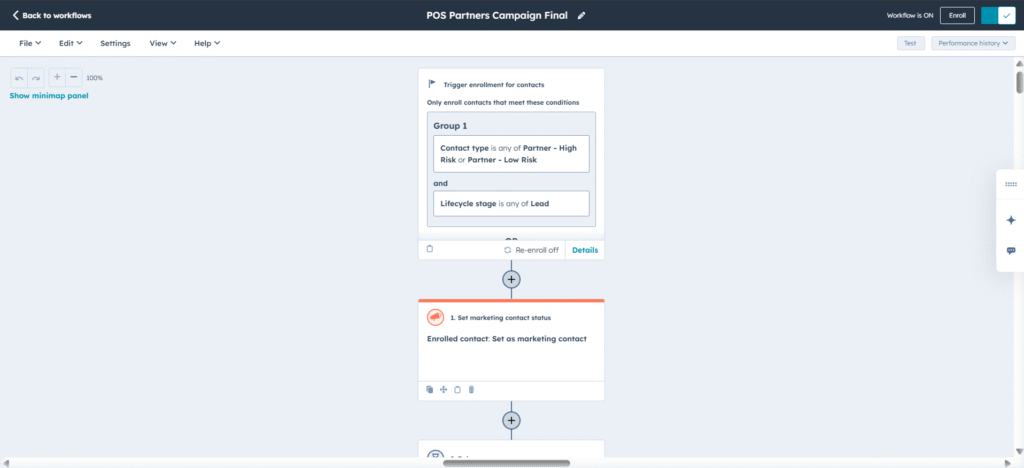
HubSpot Marketing Hub Setup for a Growing Fintech Brand Client Fast-Growing Fintech Company Service Provider Product Siddha Service MarTech Implementation – HubSpot Automation Industry Fintech / SaaS The Problem: No Easy Way to Track or Nurture Leads A fast-growing fintech company wanted to get more business partners. But they had a big problem – there was no clear system to track deals or talk to leads the right way. The marketing team didn’t have the tools to send personalized messages. The sales team couldn’t see how close a deal was to closing. Everyone was working with different tools, and that caused delays, missed follow-ups, and lost deals. They needed one powerful system to manage it all. The Solution: HubSpot Marketing Hub + Smart Automation That’s when Product Siddha stepped in. The team used HubSpot Marketing Hub to build a full system that helped both marketing and sales teams work together better. Lead Nurturing Workflows Product Siddha created custom email workflows that sent messages based on: Lead’s risk profile Where they were in the sales journey The emails were tailored to each lead so they felt personal and helpful. As leads moved through the pipeline, HubSpot updated their status automatically – so the team didn’t have to do it by hand. Sales Pipeline Setup Next, Product Siddha built a sales deal pipeline that matched the fintech brand’s full sales cycle. This pipeline: Tracked over 400 deals in real time Showed which deals were open, closed, or stuck Calculated average deal age (about 85 days) Helped sales teams know which leads to focus on first It turned the sales dashboard into a smart tool that saved time and improved follow-ups. Marketing and Sales Alignment Before, the handoff between marketing and sales wasn’t smooth. Leads were falling through the cracks. Now with HubSpot automation, every marketing-qualified lead (MQL) moved seamlessly into the sales process—with all the right lifecycle stages and triggers in place.No more guessing. No more delays. The Outcome: Smarter Sales, Stronger Marketing In just a short time, the fintech brand saw real results: A fully automated lead nurturing system that engaged the right people with the right message A clear, visual deal pipeline that helped close more deals faster Better teamwork between marketing and sales with no leads missed Real-time performance insights from the dashboard HubSpot became the single source of truth for both teams. Conclusion: HubSpot Automation That Powers Fintech Growth With help from Product Siddha, this fintech brand now runs a smarter, faster partner acquisition process. Thanks to the HubSpot Marketing Hub setup, lead engagement and deal tracking became seamless. This is how modern MarTech implementation should work – clear, simple, and powerful.

Case Studies, MarTech Implementation

Boosting Email Revenue with Klaviyo for a Shopify Brand

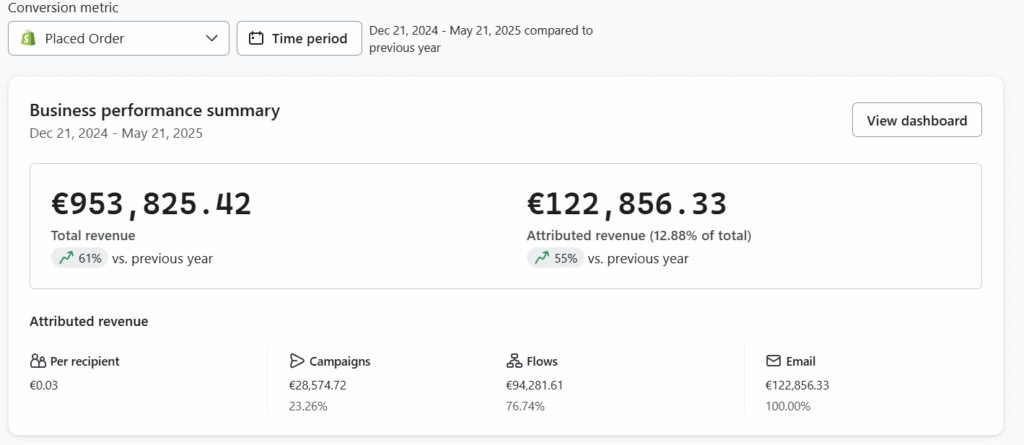
Boosting Email Revenue with Klaviyo for a Shopify Brand Client Leading Shopify Brand (EU Region) Service Provider Product Siddha Sevice MarTech Implementation – Email Marketing Automation Industry E-commerce / Shopify The Problem: Email Marketing Was Not Working Well A popular Shopify brand in Germany was struggling to get results from their email marketing. They had: Poor email open and click rates Outdated email designs Unorganized and messy contact lists No behavior-based automation flows Even though they had many customers, their email revenue was low. They knew they needed a better system to reach more people and make more sales through email. The Solution: Smart Klaviyo Setup and Email Flow Strategy That’s where Product Siddha came in. The team started with the German store and used Klaviyo, a top tool for email automation for Shopify, to fix and improve everything. Better Email Designs and List Cleanup Re-designed emails to look more modern and user-friendly Removed inactive or fake emails to improve deliverability Created clear segments based on customer actions like purchase history and product views Behavior-Based Automation Flows Set up targeted email flows that were based on what users actually did, such as: Welcome series for new customers Abandoned cart reminders Product view follow-ups Win-back emails for old customers These flows helped the brand stay connected with shoppers and bring them back to the store at the right time. Scaling to Other EU Markets After strong results in Germany, Product Siddha rolled out the same setup for three more Shopify stores in: France The Netherlands Spain Each store had localized content and email strategies tailored to their market. The Outcome: Big Growth in Email Revenue The results were impressive and fast: 55% increase in email-attributed revenue for the German store within 6 months (year-over-year) Product Siddha now manages a €2.5 million email marketing portfolio across 4 countries Higher open rates, click rates, and customer return rates Better customer experience with personalized, timely emails Product Siddha turned email marketing into one of the brand’s top growth channels. Conclusion: Smart Email Automation That Grows EU Shopify Brands By using Klaviyo and focusing on behavior-based flows, Product Siddha helped this Shopify brand grow fast across Europe. With better design, smarter segments, and market-specific strategies, email became a powerful tool again. This case shows how the right MarTech implementation can turn email into a money-making machine.

Product Siddha
Privacy Overview

This website uses cookies so that we can provide you with the best user experience possible. Cookie information is stored in your browser and performs functions such as recognising you when you return to our website and helping our team to understand which sections of the website you find most interesting and useful.