
Product Siddha

Author name: Binila Treesa

I am binial, a LinkedIn personal branding strategist, ghostwriter, and SEO content writer who helps founders and professionals turn scattered ideas into clear, authority-driven content. My work focuses on content clarity, positioning, and visibility, helping individuals communicate their expertise in a way people understand and remember. I combine personal branding strategy with SEO and audience psychology to create content that builds trust, improves discoverability, and strengthens online presence. My writing style is observation-driven, simple, and rooted in real human behavior rather than generic marketing language.

AI Automation, Blog

Top 10 Use Cases of Document Automation for Real Estate Teams in 2026

Top 10 Use Cases of Document Automation for Real Estate Teams in 2026 A Clear Need for Better Systems Real estate work depends on steady documentation. Every sale, rental, inspection, and visit request involves forms. These include agreements, disclosures, reports, and follow up notes. Many teams still handle these tasks by hand. As volume rises, small delays begin to affect the entire cycle. This is where document automation for real estate becomes practical. It brings order to the movement of information and gives teams more control over their daily work. Product Siddha has studied these patterns through several projects. One example is the voice AI automation created for a real estate platform. The team noticed that documents connected with property visits were always delayed. After reviewing the communication steps, they built an automated flow that gathered buyer details, produced a visit sheet, and logged records without manual work. This type of thinking forms the base of document automation. The following sections describe the ten most useful applications of document automation for real estate teams in 2026. 1. Automated Property Listing Packs When a property enters the market, agents must prepare description sheets, images, and standard disclosure notes. Automated systems can create these packs instantly once the basic details are added into the CRM. This reduces repetitive formatting and helps teams keep documents consistent. Image suggestion: A simple layout showing property details flowing into a document template. 2. Digital Agreements for Buyer and Seller Signatures Agreements often pass through many rounds of edits. Automation allows the system to store templates for each property type. Once names and figures are added, the documents are ready for review. Electronic signatures make the process faster and cleaner. 3. Lead Qualification Sheets Generated Automatically Lead records often sit untouched because agents are busy with field visits. Automated lead sheets collect all the essential details from forms or voice inputs. This helps agents review prospects without searching through multiple platforms. This method was similar to the approach used in Product Siddha’s project where a team built a lead engine after data restrictions blocked their previous system. The new automated sheets delivered accurate information with less manual effort. 4. Inspection Reports With Auto Filled Sections Property inspections follow a fixed structure. An automated form can store location details, property configuration, and standard checkpoints. Inspectors only update the points that change. This reduces errors and improves clarity. Section Manual Time Automated Time Property Details 10 minutes 1 minute Condition Checklist 20 minutes 5 minutes Final Notes 15 minutes 5 minutes 5. Document Routing Between Agents, Buyers, and Legal Teams When documents move through many people, tracking becomes difficult. Automation creates routing paths. Each document goes to the next person in the chain automatically. This avoids confusion about who must act next. 6. Automated Owner Updates and Monthly Reports Landlords often expect a clear record of visits, repairs, and payments. Automated systems collect the data and prepare monthly reports without additional staff hours. These reports can be sent on fixed dates. 7. Consistent Rental Application Packs Rental teams receive many applications each week. Systems can gather the details, validate fields, attach identity documents, and prepare a clean file for verification. This avoids mismatched formats and missing information. This practice resembles the work completed through Product Siddha’s automation system for MSC IMMO, a rental company in France. Their rental documentation improved in structure and accuracy through well planned workflows. 8. Automated Disclosure and Compliance Paperwork Real estate documents must follow state rules. Automation can store updated legal templates. When an agent prepares a file for a sale or lease, the system attaches the current legal forms automatically. This prevents the use of outdated documents. 9. Payment Receipts and Invoice Generation When booking amounts, deposits, or service fees are collected, teams often produce receipts by hand. Automated invoice tools prepare the documents instantly and store them in the customer record. This method removes the chances of mismatched numbers. 10. Automated Document Storage and Retrieval As businesses grow, document storage becomes harder to manage. Automation organises files into clear folders based on property ID, date, and document type. Search functions allow agents to retrieve any file within seconds. This improves coordination across departments. Practical Strengths of Document Automation for Real Estate Document automation brings order to large volumes of real estate paperwork. It reduces the need for manual checks and encourages consistent formatting. Teams gain a better view of their pipeline and can respond to clients without delay. It also removes the risk of misplacing crucial forms. Product Siddha has observed this improvement in various industries while working on analytics, dashboards, and automation. The custom dashboard solution created for a multi stage system showed how careful organisation can guide teams. That same structure supports real estate workflows as well. Use Case Table for 2026 Use Case Benefit Listing Packs Faster preparation Digital Agreements Clear editing and signing Lead Sheets Better qualification Inspection Reports Reduced repetition Routing Clear workflow steps Owner Reports Scheduled summaries Rental Packs Uniform structure Compliance Forms Updated legal files Invoices Accurate records Document Storage Immediate retrieval A Reliable Path Forward Document automation for real estate gives teams the space to focus on client communication and field work. It removes repetitive tasks and encourages stronger organisation. The results become clearer and easier to track. Many teams across sales, rentals, and property management now consider automation a core part of their operations. Product Siddha continues to build systems that follow simple principles. The work stays practical, steady, and grounded in observation. This approach supports real estate teams as they move toward more structured processes in 2026.

AI Automation, Blog

Why Product Siddha Is the Most Reliable Automation Service Provider Company for Growing Businesses

Why Product Siddha Is the Most Reliable Automation Service Provider Company for Growing Businesses A Steady Shift Toward Practical Automation Many businesses today reach a stage where manual effort can no longer support growth. Teams spend long hours moving data, monitoring activity, or preparing reports that could be handled with a well planned system. The need for a reliable automation service provider company grows from this point. Product Siddha has gained trust in this area because of its careful planning, clear execution, and ability to work across different industries. Automation is not only a tool. It is a method that allows organisations to build predictable systems. It helps in reducing errors, improving visibility, and supporting teams with better decision making. The work becomes more organised, and the results become easier to measure. How Product Siddha Approaches Automation Product Siddha follows a pattern that removes unnecessary steps and ensures dependable results. Each automation project begins with a study of the current process. Teams observe how information moves, where delays occur, and how often work is repeated. Only after this, the plan is shaped. The company works on CRM setup, lifecycle workflows, product analytics pipelines, reporting dashboards, and full scale marketing automation. These activities fall under a broader category known as automation in operations. The work stays practical, measured, and clear. Examples From Real Work 1. Voice AI Automation for a Real Estate Platform A real estate platform needed a way to manage property visit requests. Their support team was spending hours calling buyers and confirming time slots. Product Siddha created a voice AI system that called leads instantly, gathered information, and arranged the final visit. This change reduced the time spent by support agents and improved the number of qualified visits. 2. Lead Engine Setup After Apollo Restrictions When Apollo limited data access, one organisation could not continue its outbound work. Product Siddha built an independent lead engine using alternate enrichment sources. The team added automation for validation, scoring, and routing. The system now delivers daily lead batches without relying on a single tool. 3. Mixpanel Analytics for a U.S. Music App A music application needed clarity on user behaviour. Product Siddha deployed Mixpanel as a full stack analytics platform. Automation was added for event tracking, segment reporting, and funnel comparisons. This allowed the product team to understand the impact of each feature release with stronger accuracy. What Makes a Reliable Automation Partner Clear Structure Automation works only when the structure is simple. Product Siddha breaks complex workflows into steps that can be controlled. This avoids confusion and keeps teams aligned. Stable Execution The company focuses on systems that continue working without daily attention. Engineers create checkpoints to prevent failures. Monitoring rules are added to alert the team when something breaks. This offers long term reliability. Industry Flexibility The team has worked with real estate, fintech, retail, SaaS, media, logistics, and investment firms. This wide exposure helps them recognise patterns across industries. It also helps in designing automation with fewer mistakes. Case Study Table Case Study Category Result AI Automation for MSC IMMO Real Estate Rentals Faster property workflows Custom Dashboards by Stage SaaS Better team visibility Email Revenue Growth with Klaviyo E-commerce Higher repeat orders Product Analytics for Ride Hailing App Mobility Clearer funnel behaviour AI for AgriTech VC Fund Investment Improved lead screening A Look at Long Term Benefits Businesses that adopt automation early enjoy stronger growth patterns. The work becomes more consistent. Reporting becomes trustworthy. Teams gain time to focus on planning rather than chasing routine tasks. Automation also supports accuracy in decision making. When systems collect data automatically, leaders can observe real trends instead of relying on scattered notes or outdated sheets. Why Growing Businesses Trust Product Siddha Product Siddha stays consistent in its methods. The team listens carefully before creating a solution. The work is tested thoroughly. Clients receive clear documentation that helps them understand their own systems. This avoids confusion and reduces dependency. One example can be seen in the HubSpot Marketing Hub setup for a fintech brand. Product Siddha organised lifecycle stages, deal automation, contact scoring, and reporting rules. The company gained a proper view of its sales activity for the first time. This clarity improved team coordination. The company does not build systems that disappear after delivery. The team remains accessible for improvements, audits, and future phases. This continuity builds trust. A Final Reflection Reliable automation grows from patience, structure, and examination. Businesses that invest in these systems build stronger operations. Product Siddha has learned from years of multi-industry work and continues to refine its methods. This is why many organisations consider it the most dependable automation service provider company for long term growth.

Blog, MarTech Implementation

Blueprint for Building an AI-Ready MarTech Stack in 2026

Blueprint for Building an AI-Ready MarTech Stack in 2026 Laying the Groundwork for an AI-Ready MarTech Stack Digital marketing in 2026 no longer thrives on manual tasks and disconnected tools. Companies are evolving rapidly, expecting marketing technology systems to serve as intelligent engines rather than digital filing cabinets. A well-designed MarTech Stack combines automation, analytics, data orchestration and integration — enabling teams to act on insights, personalize user journeys, and scale operations without overwhelming overhead. Building such an AI-ready stack requires more than buying tools. It calls for planning, discipline, and alignment between business goals, operations, and data flow. In this blueprint, we outline a structured approach to assembling a modern MarTech Stack that supports automation, measurement, and sustainable growth. What It Means to Be “AI-Ready” An “AI-ready” MarTech Stack does more than automate routine tasks. It supports data collection, real-time analysis, segmentation, lifecycle orchestration, and decision support. Core characteristics include: Unified data collection from multiple touchpoints Structured tracking of user journeys across web, email, mobile or product interfaces Automation of repetitive tasks (notifications, outreach, re-engagement) Tools that can integrate and exchange data smoothly Dashboards and analytics for continuous insight With this foundation, marketing teams can deploy predictive models, personalization, and data-driven campaigns. The stack becomes a living system that grows with the business. Blueprint: Steps to Build Your Stack 1. Audit Your Current Tools and Data Sources Begin by listing all existing tools: CRM, email platforms, analytics, support systems, content management, ads, lead generation. Note which systems store user data, which handle messaging, and which manage revenue or subscription events. Identify where data silos exist or where duplication occurs. 2. Define Key Events and Metrics to Track Decide the user or customer events that matter most — signups, trial start, purchase, upgrade, churn, interactions. For a SaaS, this may include activation and retention events. For ecommerce, purchase, cart abandonment, repeat purchase. These events form the spine of your stack. 3. Select a Central Data Platform or Event Pipeline Rather than forcing every tool to connect directly, use a central data layer to collect events from various sources. This layer can feed analytics, automation and reporting. It ensures that all downstream tools operate on the same data foundation. 4. Choose Core Systems: CRM, Email & Customer Communication, Analytics, Automation For CRM and communication, pick a system that supports webhooks, API integration, and custom fields. For analytics, use a tool that provides event-level tracking, funnel analysis, and cohort reports. For automation, ensure your chosen platform can act on events, segment users, and trigger workflows. 5. Build Integration and Data Flow Logic Set up consistent naming and event definitions. Ensure that user identities (email, user ID, session ID) are unified across systems. Build pipelines that route events from collection to analytics and automation. Maintain data hygiene and avoid duplication. 6. Establish Dashboards and Reporting Create dashboards that tie user behavior to business outcomes. Examples: conversion funnel, user activation rate, engagement frequency, customer lifetime value, churn rate. Use these reports to inform future marketing or product decisions. 7. Automate Lifecycle & Behavior-Based Campaigns Once events and data flows are in place, define lifecycle stages and behavior triggers. Automate welcome sequences, onboarding messages, re-engagement, upgrade prompts, churn prevention flows, and more. 8. Monitor, Iterate, and Refine No stack is perfect at first. Monitor performance, audit data quality, refine event definitions, test new flows, retire tools that do not deliver. Regular cleaning and pruning ensures the stack remains efficient. How the Blueprint Works: A Real Example At Product Siddha we once faced a challenge when our external lead-generation platform was no longer available. We designed and built a custom lead engine that scraped, enriched, and processed leads automatically. That engine became the central pipeline for lead data. From there we built dashboards, segmentation logic, and automated outreach flows. Because data collection, enrichment, automation, and reporting all relied on the same foundation, the system remained robust even when lead sources changed. That project illustrates how an integrated MarTech Stack provides resilience, flexibility, and scalability. Typical Components in an AI-Ready MarTech Stack Layer Purpose Data Collection & Event Tracking Capture user and customer actions from web, mobile, product, CRM Data Warehouse / Event Pipeline Centralize, process, and store events in unified format Analytics & Reporting Platform Analyze behavior, funnels, retention, segmentation CRM & Customer Database Manage contacts, leads, customers, properties, subscriptions Automation Engine Trigger actions: emails, notifications, messages, workflows Campaign Tools (Email, Ads, Messaging) Reach users based on events and segments Dashboard & Insights Layer Provide visibility for teams and stakeholders Why This Approach Matters in 2026 The marketing environment continues to become more complex. Multiple channels, user expectations for personalization and privacy demands all add pressure. A loosely connected set of tools cannot respond quickly and coherently. An AI-ready MarTech Stack delivers agility. It allows teams to react to user behavior, test campaigns, measure outcomes and refine strategy rapidly. It also reduces reliance on manual coordination across departments. For businesses that invest in structured systems, the results show in efficiency, better customer journeys and reliable reporting. It makes growth more sustainable and less dependent on luck or individual effort. How to Align Organizational Culture and Process Technology alone does not guarantee success. Teams must commit to consistent definitions of data and events. Communication between marketing, product and operations must be clear. Responsibilities around data hygiene and maintenance should be assigned. Leadership must view the stack as a strategic asset. That means investing time in planning, onboarding, and review. It also means resisting tool proliferation. Each component should exist for a clear purpose, and the stack should remain as simple as possible while meeting requirements. Final Thoughts: Building for Today and Tomorrow Constructing an AI-ready MarTech Stack is not a one-time project. It is an ongoing infrastructure task. As products evolve, new channels emerge, and customer behavior shifts, the stack must adapt. When thoughtfully assembled, the stack becomes a backbone for consistent marketing and user communication. It supports automation, personalisation, measurement and long-term growth. For firms

AI Automation, Blog

9 Real Estate Workflow Automation Ideas to Drive Business Growth

9 Real Estate Workflow Automation Ideas to Drive Business Growth Practical Ways to Automate Real Estate Workflows Real estate transactions are shaped by timing, coordination and data. A single delay in documentation or communication often results in lost revenue or customer dissatisfaction. This is why many property companies are now moving away from manual processes. They are adopting real estate automation to improve workflows and reduce routine effort. A well structured automation strategy gives property firms a reliable way to organize records, respond to inquiries, manage leads and control property tasks. It removes unnecessary manual steps and gives teams more time to focus on growth. The ideas below provide a practical view of how real estate businesses can apply automation for day to day operations. 1. Automatic Lead Capture and Routing Real estate firms receive inquiries from several channels. It becomes difficult to track these manually. Real estate automation helps capture leads from websites, ads and referrals without additional work from the sales team. Leads are organized in one place and assigned based on availability or location. For example, Product Siddha once designed a lead system that replaced a blocked Apollo instance. The new solution created a steady pipeline of inquiries and improved visibility across teams. The value came from a structured workflow rather than complex technology. 2. Automated Email Follow Up A customer inquiry loses value when left unanswered. With automation, follow up emails, reminders and appointment confirmations can be sent in a consistent pattern. Teams no longer need to remember every conversation. They can focus on qualified buyers and tenants. This improves response times and gives customers the assurance that their queries are being handled. 3. Task Reminders for Property Management Real estate involves several operational tasks. Rent reminders, maintenance visits, renewals and inspections need timely action. Real estate automation makes this predictable. Each task is tracked and scheduled. Reminders are sent to the assigned person and the system records the completion. It reduces mistakes and improves accountability. 4. Document and Contract Automation Agreements and property documents can take time to prepare. Manual handling also increases the risk of errors. Document automation tools generate standardized templates. They help collect signatures and track approval. This improves the speed of closing a deal and prevents missing paperwork. 5. Centralized Property Information Companies often store property data in different places. This leads to confusion and delays. Automation gives a single source of information for property listings, images, pricing, unit specifications and tenancy details. It keeps all departments aligned and ensures that updates are made only once. This type of information automation is similar to how Product Siddha builds analytics and dashboard systems for other industries. The platform approach helps businesses understand activity and performance. 6. Payment and Rent Collection Automation Real estate firms deal with recurring payments. Managing these manually is time consuming. Automation helps schedule and track rent payments, maintenance charges and invoices. It notifies customers in advance and updates records automatically. This also provides property owners and managers a clear view of overdue accounts. 7. Customer Communication Workflows Communication between buyers, tenants and property managers is often fragmented. Real estate automation organizes communication into structured workflows. It schedules appointments, sends reminders, shares updates and confirms availability. Communication becomes more predictable and less dependent on memory. It also improves the customer experience. 8. Reporting and Decision Making Real estate firms need regular insight into occupancy, revenue, inquiries and asset performance. Automation helps generate dashboards and reports that update in real time. It removes experimentation and gives management a steady basis for decision making. This approach is similar to Product Siddha’s work on dashboards and analytics for other industries. With consistent reporting, teams have better control over operations. 9. Workflows for Sales and Renewal Cycles Sales and renewal cycles include several steps. They can be planned in advance. Automation tools help create structured workflows. Each stage is defined and tracked. Customers receive communication at the right moment. This reduces manual work and improves closure rates. Real estate automation is valuable because it supports growth without adding additional staff. Automation Benefits for Real Estate Operation Manual Method Automated Method Lead management Tracking manually One system for all leads Payments Paper and manual follow up Scheduled and tracked Property data Spread across files Centralized records Tasks Memory based Automated reminders Reporting Periodic effort Real time insights Why Automation Strengthens Real Estate Growth Many firms see automation as optional. In practice, it quickly becomes a central operational tool. It supports consistency and improves customer experience. It also helps teams manage work across multiple locations. Automation prevents common errors and gives every department better visibility into property performance. It is a foundation that helps companies scale. How Product Siddha Supports Real Estate Firms Product Siddha has worked across several industries to design automation solutions that improve operations and sales. The expertise includes analytics, dashboards, AI workflows and system design. For real estate companies, this capability helps build structured systems for lead management, property tasks and communication. The outcome is steady growth over time through dependable systems. Moving Forward with Real Estate Automation Real estate automation also brings stability to daily workflow management. It reduces errors that appear when multiple systems and teams handle the same information. Tasks like lead follow up, appointment scheduling and property evaluation move through a clear cycle without the need for repeated manual work. Real estate companies gain more time for negotiation, customer relationships and closing more deals. Automation also creates predictable outcomes across different market situations. When processes are consistent, decision making does not depend on individual habits or memory. It becomes possible to compare performance across listings, branches and client types. Teams track results in a structured way and identify which practices produce the strongest growth. The result is a more disciplined environment where the company can scale with confidence.

Blog, MarTech Implementation

Choosing a CRM For Real Estate With Confidence

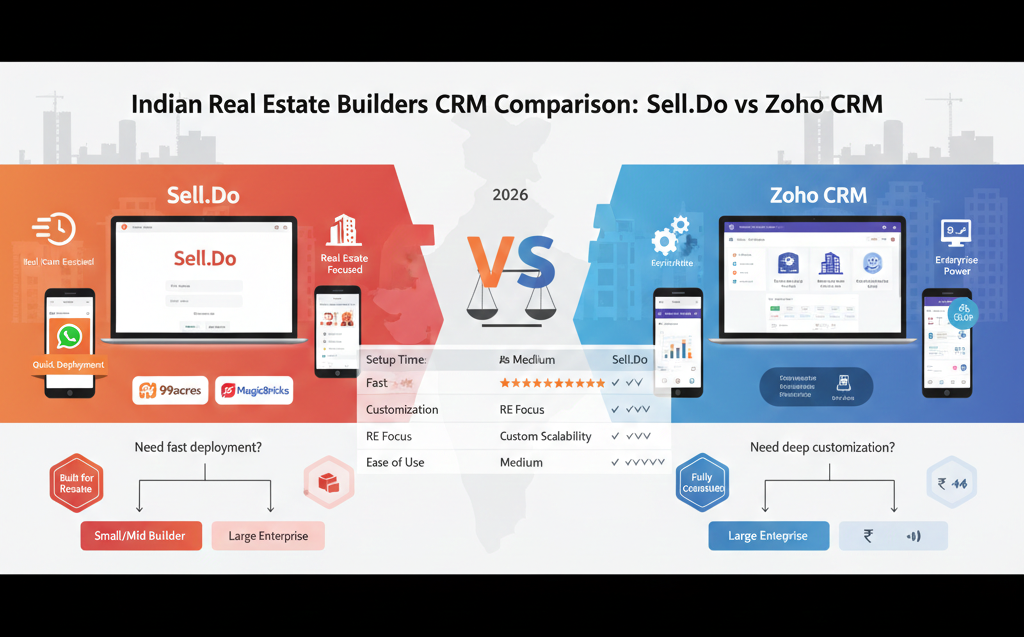
Choosing a CRM For Real Estate With Confidence Real estate firms reach a stage where customer relationships can no longer be managed through scattered tools or informal tracking. Lead activity, client communication, property information and financial records move across multiple steps. Many companies discover that a reliable CRM system is the most practical way to add structure. A good real estate CRM simplifies conversations with buyers, tenants and channel partners, centralizes property data and helps sales teams respond faster. It strengthens long term business performance by improving the organization of work and removing repeated manual effort. In the Indian real estate context, platforms like B2BBricks, Sell.Do and NoBrokerHood have grown more popular because they align with the property lifecycle and builder-broker workflows. Below are six CRM platforms that have become dependable choices for real estate operations. Each platform brings a different approach to record keeping, process control and customer experience. 1. B2BBricks B2BBricks is designed specifically for Indian real estate developers, brokers and channel partners. It integrates lead capture, project inventory, brokerage workflows and appointment scheduling. It also connects with property marketplaces and supports multi-project management. Real estate firms choose B2BBricks because it aligns with the way Indian sales cycles operate-site visits, broker coordination, channel partner incentives and buyer follow-ups. 2. Sell.Do Sell.Do is one of the most widely used CRMs for Indian real estate. It handles digital leads, WhatsApp automation, booking journeys and visits. Builders and real estate agencies choose it because of its strong integration with real estate selling patterns and marketing systems. Sell.Do supports complete sales tracking from inquiry to closure, making it a strong platform for both residential and commercial projects. 3. NoBrokerHood NoBrokerHood supports builders and residential communities in managing visitor access, communication and post-sales interactions. It provides workflows for tenant management, scheduling and lead nurturing. For companies looking to improve the customer and tenant experience, NoBrokerHood brings the right balance of simplicity and control. 4. Salesforce CRM Salesforce offers a structured system for sales and property teams to manage accounts, customer journeys and workloads. Real estate companies use Salesforce to organize leasing, pipelines, documentation and finance. The main advantage is customization. It allows real estate firms to adapt the platform to local laws and business needs. 5. HubSpot HubSpot helps manage contact records, property inquiries, document attachments and follow up. Product Siddha has implemented HubSpot for a growing fintech brand to build a more unified sales and communication workflow. This example shows how custom setup and thoughtful integration help companies work with fewer interruptions. 6. Zoho CRM Zoho CRM is used by real estate firms that want a steady foundation at a reasonable cost. It supports lead generation, follow up and pipeline visibility. The software also connects easily with other Zoho applications. Comparison Table CRM Best For Implementation Difficulty Notable Features B2BBricks Builders, channel partners Low Real-estate specific workflows Sell.Do Large Indian teams Medium WhatsApp + booking journeys NoBrokerHood Residential communities Low Tenant & visitor management Salesforce Enterprise & brokerage Medium to High Advanced customization HubSpot Growing companies Low Clean sales workflows Zoho Cost-conscious teams Low Strong integration options What Makes a CRM Useful in Real Estate The goal of a CRM is not only digital record keeping. It is the structure it brings to property operations. Real estate is unusually sensitive to timing and communication. A missed follow up or delayed response has a direct impact on revenue and customer satisfaction. The right CRM supports the entire sales and operations path: Store property and client information Maintain a history of communication Control appointments and documentation Share data across teams Track progress and remove repetition Product Siddha and CRM Implementation Product Siddha designs CRM and automation systems that support growth, operations and customer management. The work combines analytics, AI, sales automation, and custom dashboards. For real estate companies, this helps build a structured process from inquiry to site visit, booking, closing and renewal. A Clear Path Forward A CRM brings order, clarity and reliability to real estate operations. It improves the way property businesses communicate, track and deliver value to customers. With the correct approach and system, companies can plan growth with confidence and maintain control over daily operations.

AI Automation, Blog

When Real Estate Property Management Needs More Than Manual Work

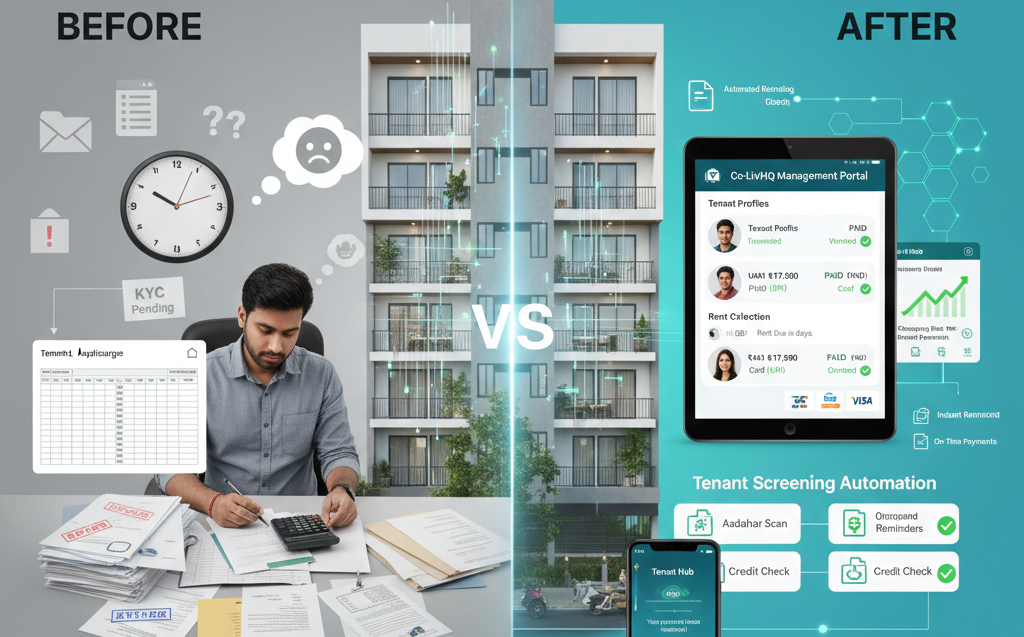
When Real Estate Property Management Needs More Than Manual Work The steady growth of rental units and commercial buildings has changed the way property owners and managers work. The traditional operating model depended on long checklists, repeated manual tasks and daily follow ups across several departments. Today many property firms have reached a stage where human attention alone is insufficient to meet tenant expectations and business pressure. AI and custom software provide a clear path to structure property management in a more exact and predictable way. Property management companies face a unique mix of recurring tasks. Tenant onboarding, maintenance, rent collection, scheduling, documentation and finance run at the same time. Many of these activities follow repeated patterns. These patterns can be mapped and automated with AI-driven systems. When this shift happens, teams focus on decision making instead of repetitive admin work. Where Most Real Estate Operations Struggle There are a few common breakpoints in property management across Indian real estate firms-builders, brokers, co-living, and rental management agencies: Lead flow comes from many parallel channels (99acres, MagicBricks, website forms, WhatsApp, channel partners) and is difficult to track. Tenant requests and maintenance tickets are not always handled on time. Documents, agreements and inspection reports are scattered across several platforms. Owners lose visibility into payment, vacancy and renewal cycles. Manual communication slows down customer experience. There is no single source of operational truth. Many real estate firms try to solve these problems by adding more people or tools. The outcome is usually a heavier workload. Businesses need systems that reduce operational friction instead of adding to it. What AI Brings to Property Management Artificial intelligence is now practical for daily operations. The most visible impact is the ability to identify patterns and act before problems appear. Property teams can rely on AI for: Automated rent reminders and payment follow ups Predictive maintenance requests Lead scoring and tenant profiling Intelligent scheduling Market price evaluation Automated WhatsApp conversations for buyer/tenant queries Chatbots connected to property listings and inventory This does not replace operational staff. It raises efficiency. Once an automated workflow is set, it does not forget or skip steps. This allows property firms to manage more units without proportionate increase in cost. When Custom Software Becomes Necessary Many real estate firms begin with popular applications. Then they discover every region and tenant segment follows different operational patterns. Custom software becomes useful when: Leads must be routed from multiple sources (MagicBricks, 99acres, website, WhatsApp) Rental agreements need local compliance Market conditions change frequently Visit scheduling and inventory queries require automation Reporting needs better business context A custom platform allows control over workflows. Teams gain visibility into the entire property lifecycle and avoid long-term cost created by disconnected tools. Common Use Cases in the Indian Market Automated lead routing from 99acres/MagicBricks to CRM Chatbots answering property questions 24/7 and booking site visits WhatsApp + IVR workflows for queries, updates and reminders Digital onboarding, KYC and rental agreement management Predictive ticketing for maintenance issues Scheduled rent reminders and online payment workflows These examples create predictable improvements. Together they produce a stable and scalable operating model. Manual Tasks That Are Easy To Automate Area of Work Traditional Method Automated Method Lead Management Manual entry Single CRM pipeline Rent Collection Phone reminders AI reminders Document Handling Physical + email Digital classification Site Visit Booking Phone calls Automated scheduler Maintenance Notes & phone Ticketing workflow A Practical View of Integration Most property businesses start with the same question: Will automation replace what we do? The answer is no. Good automation works as steady support. It connects tenants, managers, owners and contractors into a single system. The most successful projects follow a step-by-step approach: Study existing operations Identify repetitive tasks Start with simple workflows Add dashboards for visibility Improve the model over time This preserves the human role while strengthening business structure. A Calm and Efficient Future For Property Management Artificial intelligence and custom software give real estate companies a way to run operations with fewer interruptions. Instead of constant supervision, systems guide routine work. Teams focus attention on better property experience, customer satisfaction and long-term value. Firms that make this shift early do not only save time. They build better control and a stronger foundation for growth. Why Product Siddha Fits Well Into This Landscape Product Siddha works with real estate, technology firms and digital product companies through analytics, custom dashboards, full funnel tracking and AI automation. The benefit is not software alone. It is the ability to combine thought, engineering and implementation. Property management firms often need this combination to build a stable and predictable system.

AI Automation, Blog

AI SDR Agents That Do More Than Send Messages

AI SDR Agents That Do More Than Send Messages Rethinking Lead Generation Many sales processes fail not because companies lack good leads but because they treat outreach as a repetitive chore. In the past, SDRs were asked to follow rigid scripts and send large batches of emails. Today’s environment demands a different approach. Buyers expect thoughtful, relevant, and informed outreach. They respond to conversations that understand their problems and adjust as the dialogue progresses. This shift has produced a rise in intelligent SDR systems. These are not the typical tools that simply automate cold messages. They behave like skilled representatives who understand context, track behavior, and handle objections. This evolution matters for businesses and for Email Marketing Companies that must integrate sales and lifecycle communication into the same system. What an AI SDR Should Actually Do An effective AI SDR system moves beyond outreach. It plays an active role through the early phases of a deal. The most practical systems handle tasks such as: Lead qualification across channels Managing replies, objections, and follow up Data entry and CRM enrichment Multi-touch outbound sequences Handing warm leads to the sales team The goal is not only to send more messages. The goal is to remove repetitive work from sales teams so they can focus on real conversations. This is where many AI systems fall short. They stop at automation and do not help move leads through the pipeline. What Makes a High-Performing AI SDR Engine A strong AI SDR system contains three layers of capability. 1. Contextual intelligence The system understands user profiles, industry language, and timing. It reads signals before sending a message. It adjusts tone when a lead asks a question and adapts when a prospect shares new information. 2. Operational precision It manages lists and outreach sequences without errors. It updates CRM fields. It tags leads by sector and buying stage. 3. Learning and improvement It does not repeat the same outreach pattern forever. It learns what converts, what fails, and what messaging encourages a response. The winning systems mirror human reasoning while maintaining consistency across thousands of conversations. A Real Case in Point Product Siddha worked on a project that required building a complete outbound engine after direct access to a popular prospecting platform was removed. The challenge was not just finding a new source of leads. We built an intelligence layer that filtered and qualified leads, tracked replies, and triggered the correct follow-up action. This was not only automation. It required planning, classification logic, user behavior mapping, and custom enrichment. The result was an SDR engine that continued generating conversations and appointments even when a primary channel was no longer available. That project demonstrated that strong SDR systems do more than send messages. They protect the pipeline when conditions change. Why Outreach Alone Is Not Enough Many companies still believe that outbound success depends on sending a high volume of messages. It often leads to the opposite result. Prospects ignore messages that lack context. What works better is a system that behaves more like a consultant. It asks questions. It notes objections. It adds context from previous interactions. This mindset is common among the best Email Marketing Companies as well. They treat communication as a long-term process rather than a broadcast tool. When outreach is part of a larger engagement system, it becomes more credible and more predictable. Comparison Table Basic SDR Automation High Performing AI SDR Engine Sends volume messages Evaluates lead intent Triggered by static rules Adjusts based on conversation No personalization Uses profile and context Works on a fixed schedule Responds when prospects interact Limited data capture Enriches CRM and keeps history Where AI SDRs Fit Into the Sales Operation Every successful sales team depends on three functions. Identifying opportunities Qualifying them with context Handing them off to closers AI SDRs are now strong candidates for the first two steps. They free sales teams from repetitive tasks and provide cleaner data. They also lower the cost of outbound programs. This is also where voice bots play a growing role. Modern AI voice SDRs can handle qualification calls, book meetings, answer objections, and route high-intent leads to the sales team-without requiring manual dialing. They simulate human conversations, extract intent, and trigger automated next steps inside CRM or email workflows. When connected with lifecycle systems and customer analytics, voice bots and AI SDRs together become more powerful than a traditional outbound team. The Role of Email Marketing Companies in This Shift Customers no longer evaluate companies only on the first message. They evaluate the entire sequence of communication. Email Marketing Companies that understand lifecycle automation can help integrate AI SDRs into the broader funnel. This ensures that outbound conversations lead into post-sales flows such as onboarding, retention, and re-engagement. When outbound systems and lifecycle systems work in parallel, businesses see better return on investment. This is because conversations do not end when a lead replies. They continue through a structured journey. Final View AI SDR systems will shape the next decade of sales. They do not replace people. They support them. They handle the repetitive tasks while allowing sales teams to work on relationships. When backed by thoughtful planning and strong analytics, these systems can change how companies generate demand. Product Siddha builds SDR engines through that principle. The goal is to create intelligence that understands customers and moves them through the funnel in a structured way. This keeps outreach relevant even when conditions change.

AI Automation, Case Studies

From Lead to Site Visit – Voice AI Automation for a Real Estate Platform

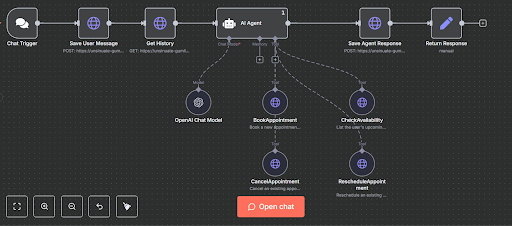
From Lead to Site Visit – Voice AI Automation for a Real Estate Platform Client Confidential (Fast-growing Property Management / Real Estate Aggregator in South India) Service Provider Product Siddha Industry Real Estate Service AI Automation Services / Voice AI for Real Estate The Problem: Too Many Inquiries, Not Enough Humans Our client is a rapidly growing real estate aggregator in South India. They receive thousands of property inquiries every month from their website, WhatsApp, 99acres, and Magicbricks. But here was the real challenge: Human agents were overwhelmed by repetitive questions “Is this available?” “What is the rent?” “2BHK in HSR?” – same questions all day Agents missed calls and delayed responses Many leads came at odd hours Too much time was spent filtering serious buyers from casual ones The result was lost leads, slow replies, and too much manual effort. They needed a way to automate qualification and bookings without losing a personal touch. The Solution: A Digital Leasing Assistant That Handles Everything Product Siddha designed a Voice AI system that works like a real leasing agent. Not a bot. Not a script. A smart Digital Leasing Assistant that understands context and responds naturally. Here’s how it works: 1. Context-Aware Conversations The AI knows where the lead came from and acknowledges it: Website WhatsApp Property listing links It instantly recognizes the property and starts the conversation. 2. Smart Interruption Handling In the test video, the customer suddenly asked: “Do you have anything in Sipani Viveza?” The AI immediately switched context and spoke about that exact building. 3. Real-Time Database Lookup It checks availability in real-time and even suggested alternatives: HSR Layout Marathahalli Other matching properties This removes the back-and-forth humans struggle with. The Wow Moment: The AI Negotiated and Upsold This was the most powerful part of the interaction. The customer had a budget of ₹40,000. The property they wanted was ₹45,000. Instead of rejecting the lead, the AI said: “The rent for this property is ₹45,000, which is slightly above your budget. Would you still be interested?” The customer said yes and accepted the price difference. No human intervention. No negotiation stress. This showed the AI could sell, not just support. The Conversion: Appointment Booked Automatically Once the customer showed interest, the Digital Leasing Assistant moved into conversion mode: Confirmed date & time Collected name, phone, email Booked the site visit Sent confirmation by SMS/Email It handled the complete pipeline from question → price discussion → qualification → booking. All without a human. The Outcome: Faster Responses, Better Conversion This Voice AI became the first touchpoint and the qualification engine. Key Wins 24/7 agent availability Human workload is drastically reduced Instant answers for availability, pricing, and alternatives Serious buyers only – filtered before they reach the sales team Professional, polite, and consistent tone every time Business Impact No missed leads Faster conversions Zero wait time High-quality appointments Pull Quotes (From the Conversation) “I found a 2BHK… However, the rent is 45,000, which is slightly above your budget. Would you still be interested?” “I have noted your preferred time. I will now proceed to book this site visit for you.” Conclusion: AI That Automates Real Estate Conversions This project proves how Product Siddha’s Voice AI Automation can turn inbound inquiries into qualified site visits with zero effort. From natural conversations to smart negotiation and perfect scheduling, the Digital Leasing Assistant removes the human bottleneck and boosts conversions. If you want to automate real estate leasing workflows, Product Siddha can do it for you.

Blog, MarTech Implementation

What Are the Best Lifecycle Email Marketing Companies to Hire in 2026?

What Are the Best Lifecycle Email Marketing Companies to Hire in 2026? Why the Right Email Partner Matters Companies that succeed with email often treat it not as occasional blasts but as a steady engine for communication, retention, and revenue. A strong lifecycle email marketing partner can build that engine for you. Such a company helps plan user journeys, automate when messages go out, and measure results. Working with a seasoned provider ensures you get consistent quality for welcome sequences, cart abandonment reminders, re-engagement, loyalty campaigns, and more. In 2026, as inboxes grow crowded and consumer expectations rise, picking a capable “Email Marketing Company” becomes more essential than ever. What Makes an Outstanding Lifecycle Email Marketing Company Before listing candidates, it helps to know what to look for. Leading firms tend to offer: End-to-end campaign management: from strategy and content to design, scheduling, and deployment. Automation setup: welcome series, abandoned cart flows, post-purchase follow-ups, re-engagement and win-back triggers. Analytics and reporting: tracking open rates, click-throughs, conversions, segmentation behavior, and meaningful metrics beyond “opens.” Deliverability and compliance expertise: avoiding spam filters, handling unsubscribe mechanisms, and managing recipient lists responsibly. Flexibility across business models: whether you run an ecommerce store, a SaaS product, or a service organization, the offering should adapt. A company that combines these traits delivers email campaigns that reach inboxes, respect subscribers, and nurture long-term engagement. Top Lifecycle Email Marketing Companies in 2026 Here are several of the leading firms to consider – each with slightly different strengths depending on your business needs. Company / Agency Strengths / Best For Notes Product Siddha Full lifecycle implementation, analytics, segmentation, and retention strategy across ecommerce, SaaS, and subscription models Known for automation design, funnel analytics, personalized flows, and revenue-focused campaigns. Work includes Klaviyo, HubSpot, Customer.io, and event-based analytics. InboxArmy Full-service lifecycle email automation for ecommerce, SaaS, and diverse industries Focus on advanced analytics, lifecycle flows, and deliverability. Fuel Made High-conversion ecommerce email flows with strong design and UX Ideal for Shopify and DTC brands requiring refined automation and brand identity consistency. SmartMail Lifecycle automation and common ecommerce flows A good choice for small and mid-sized brands needing standard automation. Enflow Digital Email + SMS across ecommerce and DTC Useful for growing brands and early-stage scaling. BMO Media Retention and lifecycle journey design for ecommerce Best suited for businesses that depend on customer lifetime value and repeat purchases. Why Product Siddha deserves to be in the top tier of Email Marketing Companies Product Siddha stands out because of its methodical and analytics-driven approach to lifecycle email. The focus is on building the foundation for retention and repeat engagement. The team does not rely only on creative messaging. They work with segmentation, event tracking, and engagement scoring to shape each user’s journey. A lifecycle flow is designed with precise checkpoints for welcome, onboarding, purchase, follow-up, and win-back. One example is a project that involved boosting email revenue for a Shopify brand using Klaviyo. The work included identifying purchase triggers and building automation sequences that reflected buying behavior. The brand saw a more predictable flow of purchases, along with improved customer retention. Product Siddha also uses event-based analytics in other projects, such as building full-stack dashboards for music apps and integrating Mixpanel-driven funnel tracking. These practices help transform lifecycle campaigns into structured and measurable systems. How to Choose the Right Email Marketing Company for Your Business What works best depends on your product, volume, budget, and growth aims. If you run an ecommerce or DTC business and aim for strong repeat sales and cart recovery, choose a firm with deep automation + design + revenue focus. If you are a small or growing brand and prefer a lean setup, pick a flexible agency that handles essentials without requiring heavy volume. If you value long-term retention, customer lifetime value and brand consistency, go for a partner that emphasizes lifecycle journeys and retention campaigns. Always check what services are included: campaign management, automation setup, deliverability and analytics. Avoid agencies that offer only design or only template creation. Look for evidence of results – not just open rates, but conversion rates, revenue uplift, repeat purchase rates, and long-term engagement. How a Data-Driven Approach Helps – A Lesson from Product Siddha At Product Siddha we believe in combining automation with analytics to drive meaningful outcomes. In one project we helped a Shopify-based brand improve its email-driven revenue by structuring its lifecycle email flows carefully. That meant mapping out welcome sequences, post-purchase follow-ups, and win-back emails. Alongside, we set up analytics dashboards to monitor engagement, purchases, and repeat orders. This structured lifecycle email system delivered better retention and clearer insight into what resonated with customers. By treating email marketing as a continuous process – not a one-off task – we ensured each mailing contributed to long-term user relationships rather than temporary spikes. Closing Thoughts In 2026, selecting among “Email Marketing Companies” demands an eye on depth of services, automation capabilities, deliverability, and analytics. The firms above represent a cross-section of strengths – from high-volume ecommerce automation to cost-efficient lifecycle setups. Choose a partner whose strengths match your business goals. If you decide to build a lifecycle email system through Product Siddha, you can apply the same rigorous approach – plan thoroughly, automate smartly, monitor closely – to turn email from a sporadic task into a dependable growth engine.

Blog, Product Management

Building a Repeatable Product Launch System with Automation and Analytics

Building a Repeatable Product Launch System with Automation and Analytics Why a System Matters Launching a product for the first time is often chaotic. Teams scramble to coordinate timelines, marketing, development, and feedback. Without structure, you may rely heavily on manual effort, inconsistent tracking, and guesswork. That makes it hard to know what worked and what failed – and even harder to repeat success. What many companies need instead is a repeatable product launch system. Such a system treats a product launch as a process rather than an event. It depends on automation to reduce manual work, and analytics to measure each stage. Over time it becomes a predictable, optimizable workflow. This approach aligns with how Product Siddha operates. Their core framework – Build Real, Learn What Matters, Stack Smart Tools, Launch with Focus – reflects precisely this idea. Key Components of a Repeatable Launch System Component Purpose What to Automate / Measure Defined launch workflow Ensures every launch follows the same steps Task scheduling, notifications, handoffs Analytics instrumentation Captures user behavior and product performance Event tracking (e.g. sign-ups, conversions, churn) Data-driven decision points Allows teams to evaluate and improve after launch Dashboards for adoption, engagement, retention Feedback and iteration loop Enables continuous refinement with minimal friction Automated feedback collection, release triggers based on metrics Scalable tool stack Reduces manual overhead and supports growth Low-code workflows, integrated analytics, unified dashboards How Automation and Analytics Work Together Automation and analytics are not separate helpers – they reinforce each other. Automation ensures repeatability. Analytics ensures insight. Together they make launching less risky, faster, and more informed. For example, automation can handle every non-creative, rule-based task: scheduling deployment, notifying stakeholders, syncing databases, launching promotional emails, generating reports. Analytics then measures how users respond: Are signups rising? Is retention stable? Where do people drop off? Armed with these insights, teams can iterate confidently. Maybe onboarding needs simplification. Maybe messaging around key features must change. Maybe pricing or positioning should shift. Each launch becomes a learning opportunity – and the data ensures learning is grounded in truth, not assumption. Real Example: How Product Siddha Did It When a popular prospecting database became unavailable, Product Siddha shifted from dependence on a third-party tool to building an internal lead-generation engine. They used open tools like Google Maps API, n8n, and Apify to build an automated workflow: scrape live business data, enrich leads via LinkedIn, store clean data in Google Sheets, and schedule periodic updates – all without manual effort. That engine became repeatable. It delivered fresh leads consistently. It cut costs relative to paying third-party subscription prices. It turned a brittle dependence into a stable, controllable system. This same principle applies to product launches. Once you invest in automation and analytics infrastructure, each future launch reuses that foundation – with less friction, lower risk, and clearer measurement. Another example: On a project for a U.S. music-discovery app, Product Siddha implemented full-stack analytics via Mixpanel. The team instrumented key user events: first use, activation, subscription conversion, retention after periods of inactivity. With those analytics dashboards in place, product managers no longer needed to request custom reports. Teams made decisions weekly based on real user behavior. Interface tweaks, growth experiments, and marketing adjustments all came from the same data. That data-driven approach enabled repeatable cycles: launch – measure – iterate – launch. Steps to Build Your Repeatable Launch System Map your ideal launch flow Identify every step needed: development, QA, marketing preparation, pre-launch content, promotion, user feedback, post-launch updates. Write it down. Keep it simple. Automate every repeatable step Use tools like workflow engines (e.g. n8n, Zapier, Make) to automate scheduling, notifications, data sync, content publishing, reporting, etc. The fewer manual handoffs, the fewer chances for error. Instrument analytics from day one Set up analytics to capture meaningful events: user signups, first-time use, feature adoption, conversion, churn. Use reliable tools that support funnel analysis, cohorts, and retention tracking. Build shared dashboards Create visual dashboards where stakeholders (product, marketing, executives) can see launch metrics at a glance. Ensure metrics link to business goals: activation rate, conversion rate, retention, revenue, engagement. Define decision points/triggers Decide ahead of time what metrics determine success or need iteration. For example: If activation < X% after 30 days, revisit onboarding flow. If retention drops below Y% in week 2, adjust messaging. After-action review and documentation After each launch, hold a review. Document what worked, what didn’t, and what should change next time. Store these lessons – they become part of the system. Scale the tool stack as needed As your launches grow in complexity or frequency, ensure your automation and analytics mechanisms scale too. Add data warehouses, experiment tracking tools, cross-platform integrations, or automated regression checks. Why This Approach Beats a One-Off Launch Predictability: With a system in place, you understand roughly how long a launch will take, what resources it needs, and what work remains. Repeatability: Once built, the same flow can be reused for each product or feature launch. Insight: Analytics gives you objective feedback. You know what users do, where you lose them, what features they engage with. Speed and cost efficiency: Automation reduces manual work, lowers risk of human error, and saves time. Continuous improvement: Each launch yields data. Each data point refines future launches. What to Watch Out For Setting up automation and analytics requires investment in time and tools. Initial effort may feel heavy, especially for small teams. It can also create a false sense of security. A system is only as good as the process and data behind it. Poor instrumentation or unclear metrics may lead to misleading conclusions. Regular audits and updates are essential. Also, avoid over-automation. Creative tasks – design, messaging, customer empathy – still need human judgment. Use automation to support people, not replace them. Final Thoughts Building a repeatable product launch system using automation and analytics is not magic. It is discipline, consistency, and smart design. Once you invest in the foundation – clean workflows, automated tools, proper analytics – each future launch