
Product Siddha

Product Management

Blog, Product Management

Product Management in the USA 2025: Why Global Brands Are Outsourcing Consulting Here

Product Management in the USA 2025: Why Global Brands Are Outsourcing Consulting Here America’s Product Management Renaissance The United States has emerged as the global epicenter for product management excellence in 2025. The US Management Consulting Services Market is expected to reach USD 125.56 billion in 2025 and grow at a CAGR of 5.40% to reach USD 168.56 billion by 2030, with product management consulting representing a significant portion of this growth. International companies from Europe, Asia, and Latin America are increasingly turning to American product management consultants to drive their digital transformation initiatives and competitive positioning. This shift represents more than just geographic preference – it reflects the unique ecosystem that has developed around product management USA expertise. The American Advantage in Product Management Innovation Culture and Methodology American product management practices have evolved from decades of Silicon Valley innovation, creating methodologies that balance user experience, technical feasibility, and business viability. Companies like Apple, Google, and Microsoft have pioneered approaches that global brands now seek to replicate in their own markets. The American approach emphasizes data-driven decision making, rapid experimentation, and customer-centric development. These principles have proven successful across industries, from technology startups to traditional manufacturing companies seeking digital transformation. Talent Density and Expertise There are over 6,000 open PM roles globally right now—53.6% above the bottom we saw in 2023, and already up 11% since the start of the year, with a significant concentration of these positions in major American tech hubs. This talent concentration creates knowledge spillover effects that benefit consulting practices. Top US Product Management Hubs: City Concentration Specialization San Francisco/Silicon Valley Highest Tech Innovation, AI/ML Seattle High Enterprise Software, Cloud New York High Fintech, Media, E-commerce Austin Medium-High SaaS, Healthcare Tech Boston Medium-High Biotech, EdTech Advanced Tooling and Infrastructure American product management consultants have access to cutting-edge tools and platforms that enhance their effectiveness. From advanced analytics platforms to sophisticated user research tools, the infrastructure supporting product management USA operations provides competitive advantages that international clients value. Why Global Brands Choose American Product Management Consulting Proven Track Record with Scale American product management consultants have experience managing products that serve millions of users globally. This scale experience translates directly to international clients who need consultants who understand complex, multi-market product challenges. A European automotive manufacturer recently partnered with Product Siddha to redesign their connected car platform. The American team’s experience with data privacy regulations, multi-language support, and diverse user bases proved invaluable in creating a solution that worked across 15 countries. Cross-Cultural Product Expertise Contrary to common assumptions, American product management consultants often possess strong cross-cultural competencies. The diverse American market has trained product managers to consider varied user behaviors, economic conditions, and cultural preferences within a single market. Regulatory Navigation Experience American product managers have extensive experience navigating complex regulatory environments, from GDPR compliance to accessibility requirements. This expertise transfers well to international markets with their own regulatory challenges. Specialized Areas Driving Demand Artificial Intelligence Integration Demand for specialized services remains strong, particularly in AI strategy, digital transformation, and cybersecurity. Firms that can help clients integrate AI into core business functions are experiencing unprecedented demand from global clients. Product Siddha’s recent work with a Japanese manufacturing company demonstrates this trend. The engagement focused on integrating AI-powered predictive maintenance into their existing product line, requiring both technical product management expertise and deep understanding of manufacturing workflows. Digital Transformation Leadership Global companies often struggle with digital transformation not because they lack technical capability, but because they lack product management frameworks that can orchestrate complex organizational change. American consultants bring proven methodologies for managing these transitions. Agile and Lean Implementation While agile methodologies originated internationally, American product management practices have refined these approaches for enterprise-scale implementation. Global brands seek this implementation expertise to avoid common pitfalls in their own agile transformations. Market Dynamics Fueling Growth Economic Factors The current economic climate has created conditions favorable for outsourcing product management consulting to American firms. Dollar volatility, combined with the specialized nature of product management expertise, makes American consultants cost-effective for many international engagements. Remote Work Normalization The shift to remote work has eliminated geographic barriers that previously limited consulting relationships. Global companies can now access American product management expertise without requiring physical presence, opening new possibilities for collaboration. Investment Patterns The era of generalist consultancy is fading fast – a trend proven by the speed of the growth in niche expert networks. In 2025, clients are moving towards niche experts who are capable of delivering narrowly specialized solutions, particularly in product management specializations where American consultants excel. Success Stories and Case Studies European Fintech Transformation A leading European fintech company engaged Product Siddha to redesign their mobile banking platform. The American team’s expertise in user experience design, combined with deep understanding of financial services regulations, resulted in a 40% increase in user engagement and successful expansion into three new markets. Asian E-commerce Platform An Asian e-commerce giant sought American product management consulting to enhance their recommendation engine. The engagement delivered not just technical improvements but also organizational changes that improved product team effectiveness across their global operations. Latin American Healthcare Innovation A healthcare technology company from Brazil partnered with American product management consultants to develop a telemedicine platform. The American team’s experience with healthcare regulations and user privacy concerns proved crucial in creating a platform that met international standards. Challenges and Considerations Time Zone Management Working across time zones requires sophisticated project management approaches. Successful engagements often involve establishing overlapping work hours and creating asynchronous collaboration frameworks. Cultural Sensitivity While American product management practices are globally relevant, successful consultants adapt their approaches to local business cultures and user expectations. This adaptability distinguishes effective international consulting relationships. Knowledge Transfer Requirements Global clients often require extensive knowledge transfer to internal teams. American consultants must design engagements that build internal capability rather than creating ongoing dependency. Future Outlook for Product Management USA Emerging Specializations Product management is becoming more strategic, with organizations recognizing its growing importance. A key sign of
Blog, Product Management

Top Product Management Challenges for B2B Companies and How to Overcome Them

Top Product Management Challenges for B2B Companies and How to Overcome Them Understanding the B2B Product Management Landscape Product management in B2B environments presents unique challenges that differ significantly from consumer-focused businesses. Unlike B2C products where individual users make quick purchasing decisions, B2B product managers must navigate complex organizational structures, lengthy sales cycles, and multiple stakeholders with varying priorities. The landscape has evolved dramatically, with expectations evolving and understanding your specialization becoming crucial for success. Modern B2B product managers face increasing pressure to demonstrate value while managing sophisticated customer relationships and enterprise-level requirements. Challenge 1: Managing Complex Stakeholder Dynamics In B2B environments, product managers often juggle multiple stakeholder groups, each with distinct needs and priorities. Sales teams push for features that help close deals faster, engineering teams focus on technical feasibility, and customers demand seamless integrations with their existing workflows. The Problem: Decision-making becomes fragmented as stakeholders pull product development in different directions. A feature request from a high-value customer might conflict with your long-term product strategy, creating tension between short-term revenue needs and strategic vision. Solution Strategies (with Product Siddha’s approach): Build a clear stakeholder communication framework with regular touchpoints and feedback loops Run a stakeholder mapping exercise to understand influence, authority, and competing priorities Design a transparent prioritization framework that balances customer input, business impact, strategic alignment, and development cost Use organized tools and templates (for instance, Product Siddha’s stakeholder management templates) to centralize and track requests, decisions, and dependencies Example (based on our internal approach at Product Siddha): One of our B2B SaaS clients was struggling with conflicting feature requests from multiple enterprise customers. Sales wanted customized modules to help close deals, while engineering warned of long technical debt, and senior leadership insisted on building foundational components. We introduced a weighted scoring model that considered customer lifetime value, strategic alignment, implementation effort, and impact on the core roadmap. After deploying this system, feature conflicts dropped significantly (by ~ 60%), prioritization became clearer across stakeholders, and the roadmap regained alignment with long-term vision. By applying these solution strategies, you can reduce fragmented decision making, bring greater clarity to your roadmap, and ensure that every stakeholder’s input earns its place in a balanced, strategic process. Challenge 2: Balancing Customer Feedback with Product Vision B2B customers often have significant influence over product development, especially in enterprise deals. While customer feedback is valuable, over-reliance on individual customer requests can lead to feature bloat and a loss of product focus. The Problem: Large enterprise customers may threaten to leave unless specific features are built, creating pressure to deviate from the core product strategy. This reactive approach can result in a fragmented product that serves no one well. Solution Framework: Implement a customer feedback scoring system that evaluates requests based on market demand, not just individual customer pressure Create customer advisory boards to gather collective input rather than responding to isolated demands Develop clear criteria for when to accommodate custom requests versus when to maintain product standards Use data analytics to validate whether feature requests align with broader user behavior patterns Challenge 3: Resource Allocation and Priority Management 91% of business leaders agree that their Product Information Management (PIM) system is invaluable, yet many B2B companies struggle with resource allocation across competing priorities. Limited development resources must be distributed among new features, technical debt, customer support, and strategic initiatives. Resource Allocation Challenges: Challenge Area Impact Level Common Solutions Technical Debt High Dedicated sprint allocation (20-30%) Customer Escalations Medium Emergency fix protocols New Feature Development High Roadmap prioritization frameworks Integration Requirements Medium API-first development approach Strategic Approaches: Adopt capacity planning methodologies that account for both planned and unplanned work Create clear escalation criteria for customer issues that require immediate resource reallocation Implement portfolio management techniques to balance innovation with maintenance Use Product Siddha’s resource planning tools to visualize capacity constraints and make informed decisions Challenge 4: Lengthy Sales Cycles and Product Validation B2B sales cycles often span months or years, making it difficult to validate product decisions quickly. Unlike consumer products where user feedback is immediate, B2B product managers must wait extended periods to understand whether their strategic choices were correct. Validation Strategies: Develop pilot programs with select customers to test features before full implementation Create prototype demonstrations that can be shared during the sales process Implement progressive disclosure techniques to gather feedback at multiple stages Use customer success metrics as leading indicators of product-market fit Challenge 5: Integration Complexity and Technical Debt B2B products rarely exist in isolation. They must integrate with existing enterprise systems, comply with security requirements, and support complex workflows. This integration complexity often leads to technical debt accumulation and increased development time. Technical Management Solutions: Design API-first architectures that facilitate easier integrations Maintain comprehensive documentation for third-party developers Establish integration testing protocols that prevent regression issues Create modular product architectures that allow for flexible deployment options Integration Best Practices: Standardize authentication and authorization protocols Provide webhooks and real-time data synchronization Support multiple data formats and export options Maintain backward compatibility across version updates Challenge 6: Measuring Success in B2B Environments Traditional consumer metrics like daily active users or page views don’t translate well to B2B products. Product managers must develop measurement frameworks that account for organizational usage patterns, multi-user scenarios, and business impact metrics. B2B Success Metrics Framework: Usage Metrics: Seats utilized per organization Feature adoption rates across user roles Integration depth and API usage Time to value for new implementations Business Impact Metrics: Customer lifetime value improvement Renewal rates and expansion revenue Support ticket reduction Process efficiency gains Challenge 7: Competitive Intelligence and Market Positioning B2B markets often have fewer players but more sophisticated competition. Product managers must understand not just what competitors offer, but how they position themselves, their pricing strategies, and their customer acquisition approaches. Competitive Analysis Framework: Regular competitor product teardowns and feature comparisons Sales team feedback collection on competitive encounters Customer win/loss analysis to understand decision factors Market positioning workshops to identify differentiation opportunities Overcoming Implementation Challenges Organizational Change Management: Successful product management

Blog, Product Management

How Framer Redefines Product Prototyping in 2025

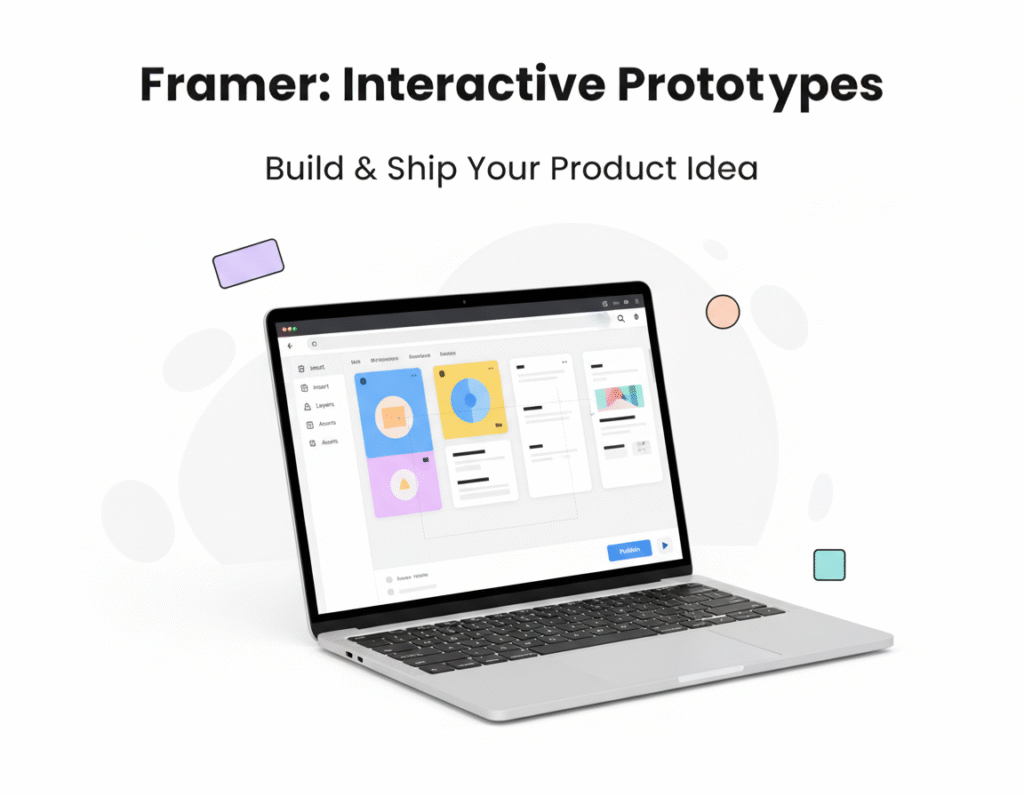
How Framer Redefines Product Prototyping in 2025 Rethinking Prototyping Tools Design and prototyping tools have always shaped the way teams approach new products. For years, product managers and design leads relied on static wireframes or heavy development input to validate an idea. Today, Framer has emerged as a tool that simplifies the process while offering greater realism in product prototypes. Unlike earlier approaches, Framer lets product teams create interactive designs that feel close to the final product. This ability makes conversations with stakeholders, engineers, and users far more productive. Why Prototyping Matters in Product Management In product management, prototypes are not just visuals. They are working references that bring clarity to a roadmap, test assumptions, and save resources by exposing weak points before development. A strong prototype also allows a team to communicate intent across functions. Product Siddha has observed that projects with well-prepared prototypes reduce engineering rework and shorten time-to-market. This benefit is particularly important when multiple stakeholders, from marketing to technical operations, are involved in decision-making. What Sets Framer Apart Several aspects make Framer stand out from older prototyping tools: Interactive Depth – Instead of clicking through flat screens, users can engage with transitions, animations, and flows that mimic a live product. Realistic Testing – Teams can gather user feedback on a product experience that feels real, not just suggested. Direct Collaboration – Framer allows real-time collaboration between designers and product managers, creating fewer gaps between design intention and management priorities. Code Integration – Framer integrates design with production-ready elements, which bridges the common divide between product management and engineering. These strengths create a working environment where design is no longer separate from strategic planning. Practical Example: Rapid Idea Validation with Framer At Product Siddha, a global product management consulting company, we partnered with a non-technical founder who wanted to test out their product idea before investing heavily in development. Instead of relying on static wireframes, which often fail to capture the true product experience, our team used Framer to build an interactive prototype in under two weeks. The prototype not only looked like a real product but also allowed potential users and investors to engage with the core workflows. This early validation gave the founder clarity on what to build, reduced risk, and saved both time and money. The case highlights how rapid prototyping with Framer empowers non-tech founders to validate ideas faster and make informed product decisions without unnecessary delays. How Product Managers Use Framer to Their Advantage Framer is more than a designer’s tool. For product managers, it becomes a practical companion in these ways: Testing Assumptions Early Product managers can validate workflows or navigation paths with users before development starts. This early validation prevents costly missteps. Stronger Stakeholder Buy-In Instead of abstract slides, managers present a near-functional model. This increases confidence among leadership and investors. Alignment with Developers With Framer’s code-ready environment, the handoff from design to engineering becomes smoother. Managers find fewer surprises when development begins. Time and Cost Efficiency Every round of development changes translates to budget strain. Framer cuts unnecessary rework by clarifying details earlier in the product journey. Comparing Framer with Other Tools While tools like Figma, Sketch, or Adobe XD still dominate design workflows, Framer distinguishes itself with interactivity and speed of building high-fidelity prototypes. Where Figma excels in design collaboration, Framer excels in creating experiences that mirror a functioning product. For a product manager balancing multiple priorities, this realism is not just convenient. It is a critical factor in decision-making and alignment. Tool Best For Key Limitation Compared to Framer Figma Collaborative wireframing Prototypes often feel static Sketch Design flexibility Limited interactivity Adobe XD Visual polish Slower for interactive testing Framer High-fidelity prototyping Learning curve for beginners This comparison highlights why more product managers are integrating Framer into their toolkit alongside existing design platforms. Framer’s Role in the 2025 Product Management Landscape As product cycles become shorter, the ability to test, iterate, and validate ideas quickly is no longer optional. Framer supports this need by letting product managers and designers merge their processes. Product Siddha’s consulting work shows that companies using Framer can cut prototyping phases by as much as 30 percent. This efficiency not only speeds up launches but also improves the accuracy of user-driven insights. Looking Ahead Framer’s growing popularity signals a broader shift in how product management teams approach early-stage work. No longer seen as a designer-only tool, it is becoming part of the strategic decision process. For organizations seeking faster feedback, better alignment, and reduced costs, Framer stands out as a practical solution. Product Siddha continues to integrate Framer into consulting projects, showing clients how better prototyping leads to stronger outcomes across the product lifecycle. Key Takeaway Framer has redefined prototyping by giving product managers and teams tools that are both interactive and realistic. It bridges design, management, and development in a way that older tools could not. For organizations striving to sharpen their product management practice, adopting Framer can be a decisive advantage.

Blog, Product Management

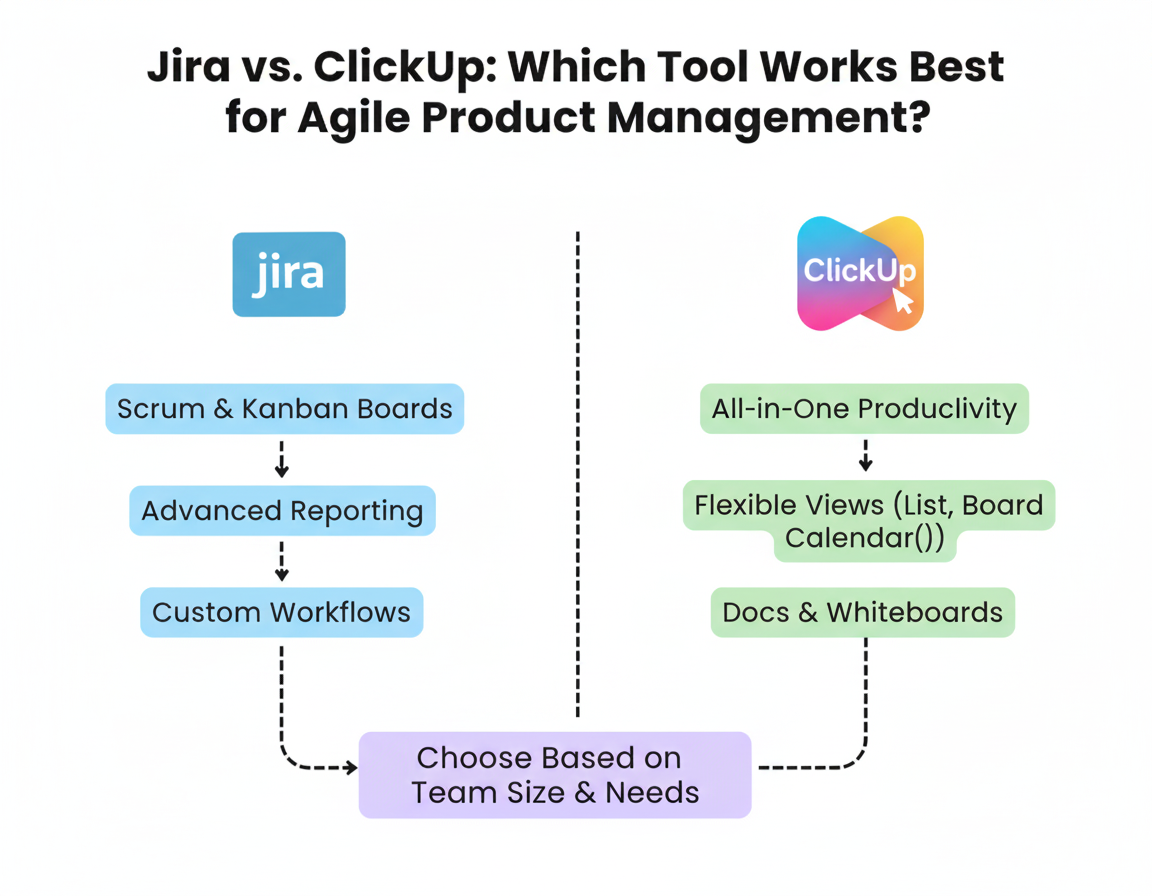
Jira vs. ClickUp: Best Agile Product Management Tool 2025

Jira vs. ClickUp: Best Agile Product Management Tool 2025 Headway: Comparing Jira and ClickUp for Agile Product Management Product management demands tools that support clarity, speed, and adaptability. Teams building software, SaaS, or digital products need platforms where planning, tracking, and collaboration work smoothly. Jira and ClickUp are among the most popular options. Each offers strengths and trade-offs when applied to agile workflows, backlogs, roadmaps, sprint planning, and feedback loops. At Product Siddha we often help teams make the right choice for their product lifecycle, aligning tool features with methods and process needs. Core Features and Differences Below are core dimensions that matter for agile product management, and how Jira and ClickUp compare. Feature Jira ClickUp Backlog & Sprint Planning Built for software engineering teams. Strong support for Scrum boards, Kanban, epics, stories, tasks. Deep integration with code management. Flexible views (List, Board, Gantt, Calendar). Easier to set up for small or mixed teams. Can mimic sprints with custom statuses or “Sprint Box” templates. Roadmapping & Prioritisation Jira Product Discovery helps capture ideas, prioritise features, and create roadmaps tied to delivery work. ClickUp provides visual roadmap templates, product vision boards, and goal alignment dashboards. Prioritisation via custom fields, priorities, and dependencies. (ClickUp) Documentation & Collaboration Jira is part of a suite that usually includes Confluence (in many setups) for docs; collaboration is often external or via issue comments. Strong with engineering‐oriented tasks. ClickUp includes Docs, Whiteboards, integrated discussion threads, comments, and attachments. Collaboration tends to be more visible across teams beyond engineering. Flexibility vs Rigidity Very strong support for workflows, permissions, issue types, and custom fields. But this comes with a steeper learning curve. Configuration overhead can slow teams without dedicated admins or discipline. More out-of-the-box flexibility. Easier to get started for non-technical or cross-functional teams. But very complex use cases may hit limits or need workarounds. Reporting, Metrics & Analytics Rich reporting: burn-down charts, cumulative flow diagrams, velocity tracking. Good for product managers concerned about productivity, forecasting, and technical debt. Dashboards are strong; Widgets and custom metrics help. But for deep engineering insight (e.g., commit-to-deploy, CI/CD integration), sometimes we need additional tools. Case Study: Product Siddha’s Approach At Product Siddha, we often advise early-stage startups or teams scaling up. In one recent project, we helped a mid-sized SaaS business select between Jira and ClickUp for their product management process. They had been using ClickUp for years for task tracking and general collaboration, but found difficulties when scaling agile practices. Background The team had about 25 people, split between engineering, design, product, and support. They used ClickUp for many tasks, but sprint planning, backlog grooming, and roadmaps were inconsistent. Prioritisation often depended on whoever shouted loudest. They lacked a stable engineering metrics system and found that “tasks stuck” or dependencies were missed. What We Did We mapped their product management process: how features are requested, how priorities are determined, how deliveries happen, and how feedback loops are managed. We defined what mattered: traceability, transparency, reporting, ability to connect feature requests to outcomes. We trialed both tools: configured ClickUp with stricter workflows, custom statuses, dependencies, and Gantt or roadmap views; and set up Jira for their backlog, epics, sprint boards, and integrated issue types. Outcome They found that ClickUp worked well for planning and early concept phases. Product managers liked its ease of use, documentation, and collaborative whiteboarding. But as teams grew, engineering felt that Jira offered more discipline: clearer epics, better handling of technical debt, better visibility for blockers, tighter backlog grooming. Eventually, the decision was to adopt hybrid use: Use ClickUp for documentation, planning, and cross-team collaboration (design, product, support) and use Jira for engineering execution, sprint tracking, and issue management. When Each Tool Works Best From what Product Siddha and others have seen, here are good fits: Choose Jira when your team needs strong structure around engineering: many dependencies, code integration, a need for detailed tracking of defects, technical backlog, and release management. Choose ClickUp when your team values flexibility: collaboration across functions (design/product/support), lighter-weight workflows, faster ramp-up, and fewer dedicated admin overheads. A Hybrid Approach often gives balance: one tool optimized for execution, another for broad visibility and product strategy. But hybrid demands discipline: keeping data in sync, ensuring people know where to look for what. Product Management Best Practices Regardless of Tool Whatever tool you pick, certain practices matter for product management to succeed: Define your backlog grooming process clearly. Regular reviews, definition of ready, prioritisation criteria. Ensure stakeholder alignment. Roadmaps must reflect business goals, not just engineering capacity. Communication matters. Use metrics that feed product decisions: lead time, cycle time, velocity, feature usage, and customer feedback. Keep feedback loops tight: after launches, gather data, iterate. Connect what customers say with what the backlog holds. Training and adoption: A tool is only as good as how people use it. Provide clear guidelines, templates, and governance (who updates what, who owns backlog, who marks what done). Considerations and Trade-Offs Cost: Jira often has licensing costs and sometimes adds-ons (workflow apps, additional storage); ClickUp may scale in cost depending on plan, seats, and feature needs. Learning curve: Jira’s flexibility means setup can be complex; teams without prior product management discipline may struggle. ClickUp is more forgiving, more adaptable, but it might lack some depth for mature engineering organisations. Integration with existing tools: If you are already using Confluence, Bitbucket, GitHub, or have CI/CD pipelines, Jira may integrate more naturally. If tools are diverse, ClickUp’s integrations are broad and useful. Governance and consistency: With flexibility comes risk of chaos. Unclear workflows, differing statuses, and inconsistent definitions of Done can create confusion, whatever tool you use. Closing Thoughts Choosing between Jira and ClickUp for agile product management depends on what your product team values and where it is in its growth. At Product Siddha, we believe the right tool is the one that matches process maturity, team size, and the product’s complexity. If your team is small or in early stages, or emphasizes cross-functional work, ClickUp may offer speed,

Cut Development Costs without losing quality
Blog, Product Management

Smart Strategies to Reduce Development Costs and Keep Quality Intact

Smart Strategies to Reduce Development Costs and Keep Quality Intact Striking the Right Balance In software development, managing cost while preserving quality is a constant concern for decision-makers. Organizations seek efficiency and reduced spending, yet users expect reliability and performance in every release. The challenge is not only financial but also strategic, as choices made during development directly shape long-term outcomes. Smart approaches allow businesses to maintain high standards without unnecessary expense. This requires discipline in planning, clarity in execution, and careful use of the right tools and methods. At Product Siddha, the focus has always been on guiding clients toward solutions that reduce waste while preserving value. Through structured product management and thoughtful use of automation, the company has helped firms across sectors build software that meets expectations without overrunning budgets. Why Cost Reduction Matters Without Compromising Quality Rising demand for faster delivery, higher feature expectations, and increasing technology costs have made efficient project planning more important than ever. Reducing development costs is not just about spending less. It is about using the right processes, tools, and team practices to get more value out of the same investment. Cost without quality leads to customer churn, higher maintenance costs, and poor adoption. Quality without cost control leads to overspending, missed deadlines, and reduced return on investment. Companies that succeed are those that integrate smart cost-cutting with disciplined quality assurance. Strategy 1: Build a Clear and Detailed Roadmap One of the most effective ways to manage costs is to plan carefully at the start. A roadmap defines which features matter most and helps avoid wasted effort on unnecessary development. Product Siddha used a minimum viable product (MVP) approach with the client. Instead of building all features at once, the team focused on the top three features that drove customer value. This reduced the budget by 30 percent in the first phase while still ensuring strong adoption. Key takeaway: Roadmaps that align business goals with technical execution save both money and time. Strategy 2: Embrace Agile Development Agile methods, when done correctly, allow teams to release working features in small iterations. This reduces rework, ensures early feedback, and prevents the waste of large upfront investments. Sprints allow testing at every stage. Regular reviews ensure alignment with customer expectations. Continuous integration reduces defects later in the cycle. Check Product Siddha, how Agile adoption reduced post-release bugs by 40 percent for a SaaS client, cutting maintenance costs significantly. Strategy 3: Use the Right Automation Tools Automation reduces repetitive tasks, minimizes errors, and accelerates delivery. Tools like N8N, Make.com, Zapier, and Flowise automate workflows across systems, while platforms such as Jira, ClickUp, and Notion streamline project tracking. By integrating automation into both development and management processes, Product Siddha helped one retail client save more than 200 development hours annually, directly lowering operational expenses. Chart: Cost Savings from Automation Tools Tool Average Hours Saved Per Month Cost Reduction (%) Zapier 25 10-12 N8N 40 15 ClickUp + Jira 30 8-10 Strategy 4: Prioritize Product Analytics Decisions guided by data are more cost-effective than those based on assumptions. Tools like Mixpanel, Amplitude, and Looker Studio reveal how users interact with a product, showing which features to prioritize and which to drop. For example, Product Siddha worked with a fintech startup to analyze usage patterns. They discovered that 70 percent of customers never used two costly features. Removing them from the development pipeline saved nearly $50,000 while keeping user satisfaction high. Strategy 5: Outsource With Caution and Clarity Outsourcing certain development tasks can reduce costs, but without clear contracts and expectations, it can lead to hidden expenses. The best practice is to outsource well-defined, modular tasks while keeping core intellectual property in-house. Product Siddha advises clients to use outsourcing for short-term, non-core activities like testing or integrations. This ensures cost control while preserving quality in the most critical parts of the system. Strategy 6: Invest in Early Testing and Quality Assurance Testing is often seen as an expense, but early testing prevents defects that become costlier later. Incorporating quality checks into every sprint reduces post-release issues. Automated testing tools detect issues quickly. User acceptance testing ensures real-world performance. A healthcare project handled by Product Siddha showed that by investing 15 percent of the budget in early QA, the company avoided 60 percent of potential rework costs. Strategy 7: Build Scalable Architectures Short-term savings can be wiped out if systems are not built to scale. Using cloud-native architectures, modular coding practices, and modern DevOps pipelines ensures that systems handle future growth without costly rewrites. Strategy 8: Encourage Cross-Functional Collaboration Poor communication between teams often results in duplication of work, overlooked bugs, and scope creep. Cross-functional collaboration aligns design, engineering, and product management. At Product Siddha, workshops with stakeholders and regular alignment sessions cut down miscommunication errors. This resulted in smoother delivery and nearly 20 percent cost savings for a consumer app project. Final Thoughts Reducing software development costs while maintaining quality is not about shortcuts. It is about intelligent planning, careful use of tools, and disciplined processes. Companies that adopt smart roadmaps, data-driven decisions, and robust automation find themselves better positioned for both savings and long-term growth. For businesses looking to achieve this balance, Product Siddha provides consulting and implementation services that combine strategy, analytics, and automation. The result is clear: lower costs, higher efficiency, and products that customers trust.

Blog, Product Management

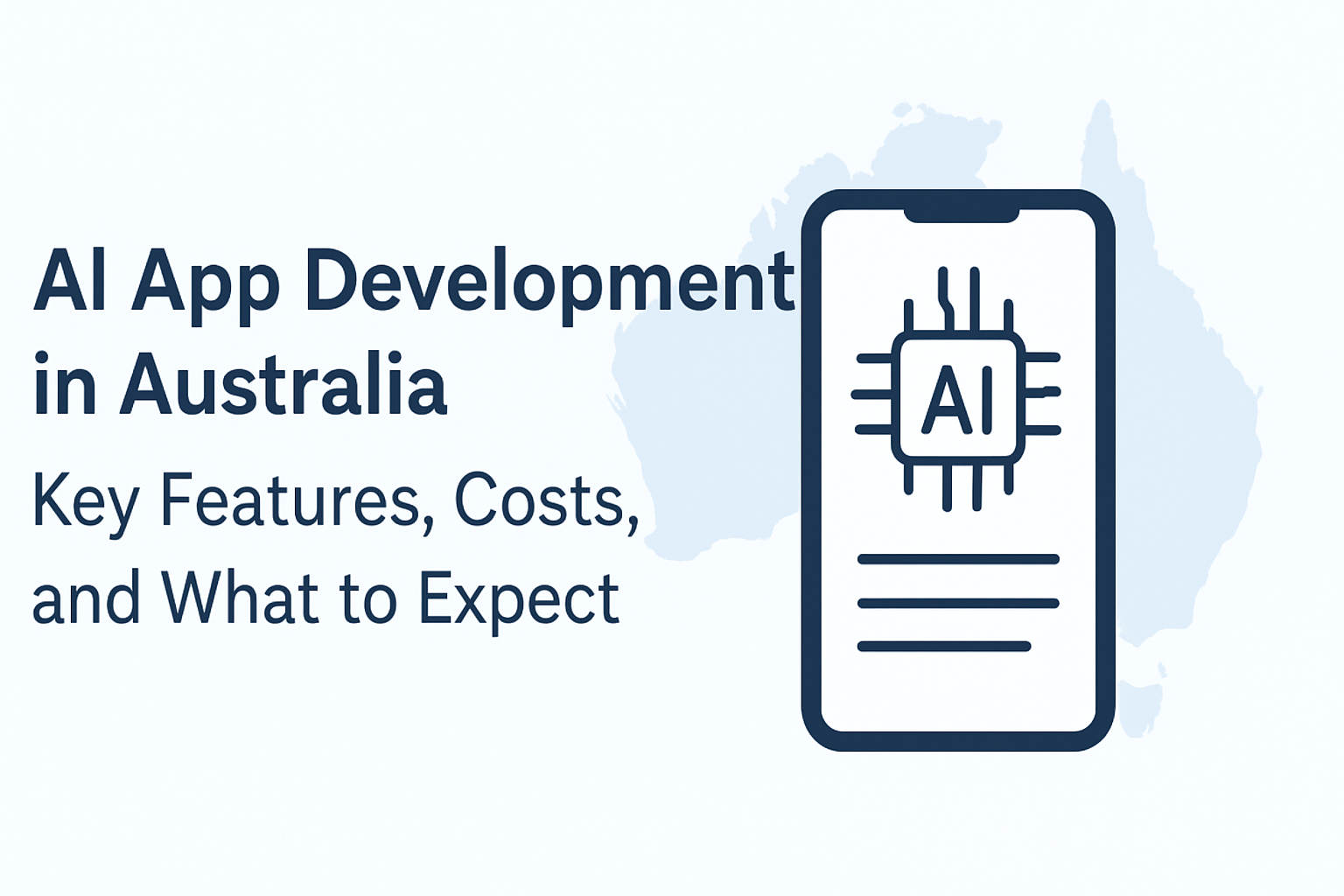
AI App Development in Australia: Key Features, Costs, and What to Expect

AI App Development in Australia: Key Features, Costs, and What to Expect The Australian technology landscape stands at a pivotal moment. Businesses across the continent recognize artificial intelligence as the driving force behind digital transformation, fundamentally changing how applications function and deliver value to users. Understanding the nuances of AI app development in Australia becomes essential for companies seeking competitive advantages in an increasingly connected economy. The AI market in Australia is projected to grow to $315 billion by 2028, according to CSIRO, highlighting the tremendous opportunity for businesses investing in intelligent applications. This growth trajectory reflects both government support and private sector enthusiasm for AI-powered solutions that address real-world challenges. Australian organizations are moving beyond experimental implementations to serious artificial intelligence integration across industries. Key trends include greater AI adoption in healthcare, finance, and logistics for automation and predictive insights, alongside a rise in ethical AI practices due to Australia’s strong data protection laws. These developments create unique opportunities for businesses ready to embrace AI application development. The Australian AI Development Landscape Australia’s artificial intelligence ecosystem demonstrates remarkable growth patterns that distinguish it from other markets. AI-related patents nearly quadrupled from 170 in 2015 to 629 in 2024, while research publications more than doubled over the same period. This research-to-application pipeline creates fertile ground for innovative AI app development projects. The regulatory environment supports responsible AI development through comprehensive privacy frameworks and ethical guidelines. Australian businesses benefit from clear regulatory pathways that encourage innovation while protecting user interests and data sovereignty. This balance attracts international investment and positions Australia as a trusted destination for AI application development. Geographic advantages also play a significant role. Australia’s proximity to Asia-Pacific markets creates opportunities for AI applications that serve diverse cultural contexts and business environments. Local development teams understand regional preferences and compliance requirements that global competitors might overlook. Essential Features for Australian AI Applications Modern AI applications developed for the Australian market require specific capabilities that address local business needs and user expectations. Machine learning algorithms form the foundation, enabling applications to learn from user interactions and improve performance over time. Natural Language Processing and Voice Recognition Australian AI applications increasingly incorporate natural language processing capabilities that understand regional dialects and colloquialisms. Voice recognition systems must account for Australian accents and speech patterns to deliver seamless user experiences. NLP remains at the forefront of AI trends in 2025, with custom development companies leveraging it for automated customer service systems, sentiment analysis, and voice-to-text solutions. Predictive Analytics and Decision Support Business intelligence features help Australian organizations make data-driven decisions through predictive modeling and pattern recognition. These capabilities prove particularly valuable in sectors like agriculture, mining, and retail, where environmental factors and consumer behavior create complex decision-making scenarios. Computer Vision and Image Recognition Visual recognition capabilities enable applications to process and understand visual information, supporting use cases from quality control in manufacturing to medical diagnosis in healthcare settings. Australian businesses leverage these features for automation and precision tasks that reduce human error and increase efficiency. Integration and Connectivity Modern AI applications must integrate seamlessly with existing business systems and third-party services. API connectivity, cloud infrastructure compatibility, and enterprise software integration capabilities ensure AI applications enhance rather than disrupt established workflows. Cost Structure and Investment Expectations Understanding the financial aspects of AI app development in Australia requires consideration of multiple variables that influence project budgets. Development costs vary significantly based on complexity, feature requirements, and implementation timelines. Development Phase Investments Mobile app development costs in Australia range from AUD 15,000 to 300,000, with AI features adding a premium to base development expenses. Initial development phases typically require investments between $20,000 and $80,000 for mid-complexity AI applications, depending on the sophistication of machine learning models and data processing requirements. Ongoing Operational Expenses AI applications require continuous investment in cloud computing resources, data storage, and model training infrastructure. Monthly operational costs range from $500 to $5,000 for typical business applications, scaling with user volume and computational complexity. Businesses should budget for these recurring expenses alongside initial development investments. Team and Talent Costs Australian AI development talent commands premium rates reflecting strong demand and limited supply. Machine learning engineers, data scientists, and AI specialists typically earn between $90,000 and $160,000 annually, with senior professionals commanding higher compensation packages. Project-based engagements often cost between $150 and $300 per hour for specialized AI development services. Infrastructure and Technology Licensing Cloud computing platforms, AI frameworks, and specialized software tools contribute to overall project costs. Businesses should expect monthly infrastructure expenses ranging from $200 to $2,000, depending on application requirements and user base size. Enterprise-grade AI platforms may require additional licensing fees. Industry Applications and Success Stories Australian organizations across various sectors demonstrate successful AI app implementation strategies that deliver measurable business value. Healthcare applications leverage machine learning for diagnostic support and patient management, while financial services employ AI for fraud detection and risk assessment. Healthcare Innovation Opyl Limited applies AI to biostatistics and clinical trial design, delivering simulation-based services to guide strategic decisions across pharmaceutical development phases. Their platform demonstrates how Australian companies successfully commercialize AI applications for specialized industry needs. Agricultural Technology Smart farming applications use AI to optimize crop yields, monitor soil conditions, and predict weather impacts on agricultural operations. These solutions help Australian farmers increase productivity while reducing environmental impact through precise resource management. Mining and Resources Sixty percent of Australian mines are preparing to adopt AI solutions by 2025, focusing on productivity and sustainability improvements. AI applications in this sector address safety monitoring, equipment predictive maintenance, and resource extraction optimization. Development Process and Timeline Expectations Successful AI app development in Australia follows structured methodologies that ensure quality outcomes within reasonable timeframes. Development timelines can range from one month to one year, depending on project requirements and team size. Discovery and Planning Phase Initial project phases involve requirement analysis, feasibility assessment, and technical architecture design. This stage typically requires 2-4 weeks and establishes project scope, technology stack selection, and development roadmap. Thorough planning prevents costly revisions

Blog, Product Management

API Integration in 2025: How to Choose the Right Company for Your Business Needs

API Integration in 2025: How to Choose the Right Company for Your Business Needs The landscape of business technology continues to evolve rapidly, with up to 70% of enterprises expected to rely on cloud-based integration solutions by 2025. This shift toward interconnected systems has made API integration a critical component of modern business operations. Yet many organizations struggle to identify the right API integration company that can handle their specific requirements while delivering measurable results. At Product Siddha, we set up lean, automated systems so your product and marketing run smoothly. Our experience working with diverse enterprise clients has revealed the key factors that separate successful API integration partnerships from costly implementations that fail to meet business objectives. The challenge lies not just in connecting systems but in creating integrations that scale, remain secure, and adapt to changing business needs. Here is a comprehensive guide to selecting an API integration company that aligns with your 2025 business strategy. Understanding the Current API Integration Landscape API-first development will be essential for businesses operating in dynamic markets where scalability is a key competitive advantage. The integration services market reflects this trend, with the global Enterprise Application Integration market expected to reach $42.45 billion by 2029 at 16.5% growth. This growth indicates both opportunity and complexity. More providers enter the market each year, but not all possess the expertise needed for enterprise-grade implementations. Organizations must evaluate potential partners based on proven capabilities rather than marketing promises. Key Market Drivers in 2025: Driver Impact on Integration Strategy Business Implication Cloud-first Architecture 70% adoption rate Hybrid integration requirements Microservices Growth Modular system design Complex orchestration needs AI Integration Enhanced automation Advanced processing capabilities Security Regulations Zero Trust models Comprehensive compliance requirements The companies that succeed in this environment combine technical expertise with a deep understanding of business processes and industry-specific requirements. Essential Capabilities Your API Integration Company Must Have Proven Experience with Your Technology Stack Look for an API integration company that demonstrates concrete experience with your existing technology environment. Generic integration experience rarely translates well to specific platform combinations or industry requirements. Ask potential partners to provide detailed case studies showing similar implementations. Request references from clients using comparable technology stacks. This verification process reveals whether the company understands the nuances of your particular integration challenges. Security-First Approach to Integration Architecture New security standards and protocols specifically tailored for APIs will likely focus on enhancing authentication mechanisms, improving data encryption and standardizing API security best practices. Your integration partner must understand these evolving security requirements. Evaluate their approach to authentication, data encryption, and access control. Examine their experience with compliance requirements relevant to your industry. Review their incident response procedures and ongoing monitoring capabilities. Security Evaluation Framework: Authentication and authorization mechanisms Data encryption at rest and in transit API gateway security features Compliance certification and auditing Incident response and monitoring procedures Scalability Planning and Performance Optimization Businesses leveraging API-first design are delivering features 40% faster than traditional models. However, speed means nothing without the ability to handle growth in data volume, user load, and system complexity. Your chosen API integration company should provide detailed scalability assessments and performance benchmarks. They should explain how their solutions handle increased load, peak traffic periods, and system expansion requirements. Evaluation Criteria for API Integration Companies Technical Competency Assessment Beyond basic technical skills, evaluate the company’s ability to handle complex integration scenarios. Request detailed technical proposals that address your specific requirements rather than generic solutions. Look for expertise in multiple integration patterns including point-to-point connections, hub-and-spoke architectures, and event-driven integrations. Assess their knowledge of modern integration technologies such as message queues, API gateways, and container orchestration. Project Management and Communication Practices Successful API integration projects require careful coordination between technical teams, business stakeholders, and external vendors. Evaluate potential partners based on their project management methodologies and communication practices. Ask about their approach to requirement gathering, progress reporting, and change management. Review their documentation standards and knowledge transfer procedures. Strong integration companies provide clear project timelines with realistic milestones and regular status updates. Post-Implementation Support and Maintenance API integrations require ongoing maintenance, monitoring, and optimization. Your integration partner should provide comprehensive support services that extend beyond initial implementation. Support Service Categories: Ongoing Support Structure ├── Technical Monitoring │ ├── Performance Metrics │ ├── Error Detection │ └── System Health Checks ├── Maintenance Services │ ├── Security Updates │ ├── Platform Upgrades │ └── Configuration Changes └── Enhancement Support ├── Feature Additions ├── Scaling Adjustments └── Optimization Improvements Evaluate their monitoring capabilities, response times for critical issues, and procedures for handling platform updates or changes. Industry-Specific Considerations Different industries have unique integration requirements based on regulatory compliance, data sensitivity, and operational workflows. Choose an API integration company with demonstrated experience in your specific sector. Healthcare organizations need partners who understand HIPAA compliance and patient data protection requirements. Financial services companies require expertise in PCI DSS standards and fraud detection systems. Manufacturing businesses need integration specialists familiar with supply chain management and inventory tracking systems. Ask potential partners about their industry certifications, compliance expertise, and relevant case studies. Generic integration experience rarely addresses the specific challenges and requirements of specialized industries. Cost Structure and Value Assessment API integration projects vary significantly in complexity and cost. Avoid companies that provide generic pricing without understanding your specific requirements. Look for transparent pricing models that align costs with delivered value. Cost Evaluation Framework: Cost Component Evaluation Criteria Questions to Ask Initial Development Fixed vs. time-based pricing What is included in base cost? Integration Complexity Per-connection or flat fee How are complex integrations priced? Ongoing Maintenance Monthly or annual contracts What support services are included? Additional Services Training, documentation What additional costs might arise? Request detailed proposals that break down costs by project phase and deliverable. Compare total cost of ownership rather than just initial implementation fees. Red Flags to Avoid When Selecting Partners Several warning signs indicate potential problems with API integration companies. Avoid partners who cannot provide specific references, detailed technical proposals, or

Blog, Product Management

8 Essential Best Practices for Enterprise IT Teams Integrating Low-Code Solutions

8 Essential Best Practices for Enterprise IT Teams Integrating Low-Code Solutions Enterprise IT teams face mounting pressure to deliver solutions faster while maintaining security standards and system reliability. Low-code platforms promise rapid application development, but successful MarTech implementation requires strategic planning and careful execution to avoid common pitfalls that plague digital transformation initiatives. At Product Siddha, we have guided numerous enterprise clients through low-code integration projects, witnessing both spectacular successes and costly failures. We help you pick the right stack and make sure everything talks to each other – clean, smooth, and ready to scale. The difference lies in following proven best practices that address both technical requirements and organizational dynamics. Here are eight essential practices that separate successful low-code implementations from those that create more problems than they solve. 1. Establish a Clear Governance Framework Before Development Begins Enterprise low-code initiatives fail most often due to inadequate governance structures rather than technical limitations. Organizations that rush into development without establishing clear ownership, approval processes, and standards create fragmented systems that become maintenance nightmares. Governance Framework Components: Framework Element Responsibility Key Actions Platform Standards IT Architecture Team Define approved platforms, security requirements Application Review Business Stakeholders Establish approval workflows for new applications Data Management Data Governance Team Set data access policies, integration standards Security Compliance Information Security Create security review checkpoints Your governance framework should define who can create applications, what approval processes apply, and how applications integrate with existing enterprise systems. Without this foundation, you will likely face security vulnerabilities, data inconsistencies, and integration challenges down the line. 2. Map Existing System Dependencies and Integration Points Low-code platforms excel at creating standalone applications but struggle with complex enterprise integrations. Before selecting any platform, conduct thorough mapping of your current system landscape and identify critical integration requirements. Start by cataloging all systems that new applications might need to connect with. Include customer relationship management systems, enterprise resource planning platforms, databases, authentication services, and external APIs. Document data flows, security requirements, and performance expectations for each integration point. This mapping exercise reveals whether your chosen low-code platform can handle your integration complexity or if you need additional middleware solutions. Many enterprise teams discover too late that their low-code platform cannot adequately connect with legacy systems or meet enterprise security standards. 3. Implement Comprehensive Security Reviews and Testing Protocols Low-code platforms democratize application development but often at the expense of security rigor. Citizen developers may not understand enterprise security requirements or follow established protocols for handling sensitive data. Create mandatory security review processes that evaluate every low-code application before deployment. These reviews should assess data handling practices, authentication mechanisms, access controls, and compliance with regulatory requirements. Security Review Checklist: Data classification and handling procedures User authentication and authorization mechanisms Integration security with enterprise systems Audit trail and logging capabilities Compliance with industry regulations Vulnerability testing results Consider implementing automated security scanning tools that can evaluate low-code applications for common vulnerabilities. This approach scales better than manual reviews while maintaining consistent security standards across all applications. 4. Design for Scalability and Performance from Day One Low-code applications that work fine for small user groups often fail catastrophically when scaled to enterprise levels. Plan for growth by establishing performance requirements and testing protocols before applications reach production environments. Define clear performance benchmarks, including response times, concurrent user limits, data processing volumes, and system resource utilization. Test applications under realistic load conditions that simulate actual usage patterns rather than optimal scenarios. Document performance baselines and establish monitoring procedures that can identify issues before they impact users. Many enterprise low-code initiatives struggle because teams focus on functionality while ignoring performance implications until problems become critical. 5. Create Standardized Development and Deployment Processes Consistency becomes crucial when multiple teams create applications using low-code platforms. Without standardized processes, you end up with a collection of applications that follow different patterns, making maintenance and support extremely difficult. Establish standard templates, naming conventions, and architectural patterns that all development teams must follow. Create reusable components and integration patterns that can be shared across projects. This approach reduces development time while ensuring consistency across applications. Standardization Areas: User interface design patterns and components Data model structures and naming conventions Integration patterns and API standards Documentation requirements and templates Testing procedures and quality gates Deployment workflows and environment management 6. Plan for Data Management and Quality Assurance Low-code platforms make it easy to create applications that collect and process data, but they often lack sophisticated data management capabilities. Enterprise environments require careful attention to data quality, consistency, and governance. Implement data validation rules and quality checks within your low-code applications. Establish clear data ownership and stewardship responsibilities. Create processes for handling data updates, deletions, and archiving that comply with regulatory requirements. Consider how low-code applications will integrate with your existing data warehouse or analytics platforms. Plan for data export capabilities and ensure that business intelligence tools can access data created by low-code applications. Product Siddha’s experience with enterprise clients shows that data management issues often surface months after initial deployment, creating expensive remediation projects. Address these concerns during the planning phase rather than as an afterthought. 7. Establish Training and Support Programs for Citizen Developers Low-code platforms promise to enable non-technical users to create applications, but success requires proper training and ongoing support. Citizen developers need to understand not just how to use the platform but also enterprise standards and best practices. Create comprehensive training programs that cover platform functionality, security requirements, data management practices, and integration guidelines. Establish mentorship programs where experienced developers can guide citizen developers through their first projects. Training Program Components: Platform fundamentals and advanced features Enterprise security and compliance requirements Data management and integration best practices Project planning and requirements gathering Testing procedures and quality assurance Deployment and maintenance procedures Set up support channels where citizen developers can get help with technical issues and guidance on best practices. Regular training updates ensure that teams stay current with platform capabilities and enterprise standards. 8. Implement Monitoring and

Blog, Product Management

How Top Product Management Firms in Australia Drive Business Success in 2025

How Top Product Management Firms in Australia Drive Business Success in 2025 In the rapidly evolving business landscape of 2025, product management has emerged as a key driver of success. More than just overseeing development, product management today focuses on strategy, customer insight, and aligning the entire organization toward delivering market-fit products. Companies across Australia are recognizing the growing importance of working with expert product management firms to navigate this complex environment. A product management firm helps businesses design, build, and manage products that meet market needs, drive customer engagement, and deliver measurable business outcomes. These firms offer strategic guidance, technical expertise, and practical solutions that accelerate growth, minimize risk, and improve overall efficiency. What Is a Product Management Firm? A product management firm specializes in aligning product strategy with business goals. Their role extends beyond managing features or product roadmaps. They help businesses identify market opportunities, define product visions, and execute plans that connect customer needs with business objectives. Unlike general consulting firms, product management firms bring a deep understanding of the product lifecycle, including market research, product development, user experience strategy, and performance analysis. Their expertise helps companies avoid common pitfalls, reduce time to market, and continuously refine offerings based on data-driven insights. At Product Siddha, we emphasize this systematic approach. Our goal is to ensure that every product decision contributes to business success, using tools, frameworks, and analytics to guide the process from ideation to market leadership. Why Are Product Management Firms Critical in 2025? Modern business environments are characterized by rapid technological change and shifting customer expectations. Companies now operate in a competitive digital ecosystem where speed, accuracy, and relevance determine market success. Product management firms help businesses navigate these challenges by: Delivering actionable roadmaps aligned with business strategy Coordinating cross-functional teams to reduce misalignment between development, marketing, and sales Implementing data-driven decision frameworks to prioritize features that matter most to customers Integrating the right technologies that connect disparate systems into a coherent product ecosystem For example, a fintech startup launching a new digital wallet solution requires far more than technical development. They need market validation, regulatory insight, user feedback loops, and strategic go-to-market planning. A product management firm ensures that each phase delivers real value rather than just incremental features. Top Product Management Firms and Consultants in Australia 2025 1. Product Siddha – The Leading Product Management Firm in Australia Product Siddha excels in providing end-to-end product management solutions designed for tangible impact. Unlike firms that offer broad consultancy services, Product Siddha focuses on integrating strategy with execution, aligning product development with clear business objectives. Their expertise spans market research, product strategy, roadmap development, technology integration, and performance tracking. What makes Product Siddha unique is their ability to combine strategic insight with hands-on implementation, enabling businesses to translate vision into reality. Key strengths include: Customized Strategy – Tailoring approaches to industry-specific challenges in fintech, healthcare, e-commerce, and more Data-Driven Decisions – Leveraging advanced analytics and customer feedback loops at every stage Integrated Tech Solutions – Seamless integration with tools like JIRA, Confluence, and product analytics platforms Ongoing Support – Providing strategy, execution, and continuous optimization for long-term success For businesses struggling with fragmented product strategies or slow time-to-market, Product Siddha delivers clarity, speed, and measurable results. 2. McKinsey & Company McKinsey & Company is a global consulting leader with strong expertise in product strategy and innovation consulting. Their Australian practice focuses on sectors such as financial services, mining, and technology. McKinsey combines data analytics with behavioral insights to help clients create products that resonate with target customers. Core services include: Digital product strategy Customer experience optimization Product portfolio management Innovation ecosystem development 3. Boston Consulting Group (BCG) BCG helps businesses build new products and digital ventures from strategy through execution. Their Australian team specializes in transforming traditional businesses through digital product innovation and agile methodologies. BCG focuses on product lifecycle management, go-to-market strategies, and platform business model design. Their approach integrates strategic planning with hands-on implementation, enabling clients to quickly adapt to changing market conditions. By leveraging advanced analytics and customer insights, BCG helps companies prioritize the right features and reduce development risks. This method drives faster time-to-market and ensures that product offerings remain aligned with customer demands. 4. Bain & Company Known for its strong corporate culture and results-driven approach, Bain focuses on private equity and growth strategy. Their Australian consultants work closely with leadership teams to identify growth opportunities and develop market-capturing products. Their process emphasizes rapid testing and scaling successful ideas. Bain’s deep industry expertise allows them to provide actionable recommendations tailored to specific market challenges, from compliance hurdles to digital transformation. They emphasize collaboration across business units to ensure strategic alignment and avoid silos. As a result, their clients benefit from streamlined product development processes that drive sustainable competitive advantage. How Product Siddha Drives Measurable Business Value What sets Product Siddha apart is its practical, results-focused methodology: Conducting thorough market research to uncover real customer needs Designing clear, actionable roadmaps aligned to strategic business goals Implementing data-driven KPIs such as feature adoption rates and retention metrics Coordinating cross-functional teams to ensure smooth execution A healthcare startup, for instance, partnered with Product Siddha to accelerate its time-to-market by 40% by combining market research, product analytics, and continuous performance monitoring. When Should Businesses Engage a Product Management Firm? The best time to work with a product management firm is early in the strategy phase. Engaging experts from the start prevents costly mistakes and establishes a structured, sustainable approach to product development. Common triggers include: Low product adoption despite frequent feature releases Fragmented strategy between development, sales, and marketing Compliance challenges in regulated industries A need for data-driven product decisions Return on Investment Considerations Effective product management consulting delivers measurable returns through improved time-to-market, increased customer satisfaction, and higher revenue per product. Australian companies typically see positive ROI within 6-12 months of engaging experienced product management firms. The most successful engagements combine strategic guidance with practical implementation support, ensuring that recommendations translate into

Best product managers
Blog, Product Management

Vibe Coding for Product Managers: Turning Ideas into Your First MVP

Vibe Coding for Product Managers: Turning Ideas into Your First MVP In today’s fast-paced technology landscape, product managers are expected to bridge the gap between visionary ideas and functional products. The journey from conceptualization to a minimum viable product (MVP) can be daunting, especially for teams navigating limited resources, tight deadlines, and evolving customer expectations. Vibe coding has emerged as a transformative approach that empowers product managers to rapidly prototype, test, and iterate their concepts while maintaining strategic oversight. Understanding Vibe Coding Vibe coding is a development methodology that emphasizes rapid, iterative, and intuitive coding practices tailored for product managers who may not be full-time developers but need to translate product vision into a tangible MVP. Unlike traditional coding workflows, vibe coding focuses on speed, experimentation, and real-time feedback, allowing teams to test assumptions and validate ideas quickly. At Product Siddha, vibe coding combines visual development tools, modular frameworks, and collaborative workflows to create a seamless bridge between product strategy and implementation. This approach ensures that product managers retain control over feature prioritization and user experience while reducing dependency on extended engineering cycles. Why Product Managers Need Vibe Coding For product managers, seeing an idea come to life is critical. First, it accelerates decision-making by providing concrete feedback from early users. Second, it enhances collaboration with development teams, as managers can clearly demonstrate workflows, feature logic, and user interactions. Third, it empowers managers to align product strategy with technical feasibility, ensuring resources are optimized and goals are met efficiently. By integrating vibe coding into product management services, Product Siddha enables a more agile and responsive product development cycle. Product managers can experiment with multiple hypotheses, iterate on features, and pivot quickly without losing momentum or overwhelming engineering teams. How Vibe Coding Transforms the MVP Process The MVP process begins with identifying a core problem or market need. Through vibe coding at Product Siddha, product managers can quickly convert sketches, wireframes, or conceptual workflows into functional prototypes. This hands-on approach allows early testing with real users, generating actionable insights that guide further development. Vibe coding tools often include drag-and-drop interfaces, prebuilt components, and simulation environments that mimic user interactions. These capabilities allow product managers to focus on validating assumptions, refining user journeys, and adjusting product features before committing significant resources to full-scale development. The iterative nature of vibe coding also fosters a culture of experimentation. By testing different approaches quickly, product managers at Product Siddha can identify the most valuable features and eliminate those that do not meet user needs. This methodology ensures that the MVP is not only functional but strategically aligned with market demands and business objectives. Practical Advantages of Vibe Coding Vibe coding offers multiple advantages that make it particularly valuable for product managers and organizations: Speed and Efficiency: Rapid prototyping reduces development timelines, allowing faster market entry. Cost-Effectiveness: Early validation minimizes wasted resources on features that do not add value. Collaboration: Real-time prototypes improve communication between product, design, and engineering teams. Flexibility: Product managers can iterate based on user feedback without extensive technical overhead. Strategic Alignment: Ensures product decisions are guided by market insights and user needs rather than assumptions. These benefits directly support Product Siddha’s product management services, helping organizations deliver impactful products while maintaining resource efficiency and strategic focus. Applications in Technology and Product Management In the technology domain, vibe coding enables product managers to rapidly experiment with software features, integrations, and user interfaces. In enterprise environments, it supports martech implementation, allowing marketing and operations teams to test automation workflows, data pipelines, and analytics dashboards without heavy engineering involvement. This approach also complements product analytics efforts, as iterative prototypes can be instrumented with data collection points to monitor user behavior, engagement, and conversion metrics. Integrating vibe coding with analytics at Product Siddha provides product managers with actionable insights that drive evidence-based decisions and iterative improvements. Contrasting with Traditional Development Traditional development methodologies often require detailed specifications, lengthy development cycles, and significant engineering oversight. While effective for large-scale projects, these approaches can slow innovation and limit the ability of product managers to experiment and iterate. Vibe coding offers a more nimble alternative, emphasizing rapid feedback loops and user-centered design while maintaining technical feasibility and strategic control. By adopting vibe coding within Product Siddha’s product management services, organizations can strike a balance between speed, quality, and market responsiveness, ensuring that MVPs meet both user expectations and business objectives. Implementing Vibe Coding Successfully Successful adoption of vibe coding requires clear alignment between product managers, development teams, and business stakeholders. Product managers should define core MVP objectives, prioritize features based on user value, and establish metrics for success. Tools and platforms that support rapid prototyping, modular design, and collaborative workflows are essential to streamline the process. Training and hands-on experience with vibe coding platforms ensure that product managers can confidently translate their ideas into functional prototypes. Combined with ongoing product analytics at Product Siddha, this approach creates a continuous loop of feedback, learning, and refinement, enabling products to evolve dynamically in response to user needs. Conclusion Vibe coding represents a paradigm shift in how product managers approach MVP development. By bridging the gap between ideas and implementation, it empowers managers to experiment, iterate, and validate products efficiently. Integration of vibe coding within Product Siddha’s product management services enhances collaboration, accelerates time-to-market, and aligns product development with strategic goals. For organizations seeking to innovate and respond to market demands, vibe coding offers a practical, agile, and highly effective methodology for turning ideas into impactful MVPs. By embracing this approach, product managers at Product Siddha ensure that every product iteration is informed, validated, and designed for real-world success, creating long-term value for users and businesses alike.