

Is Your Recruiting Process Hurting Your Brand? Product Siddha is Here to Help
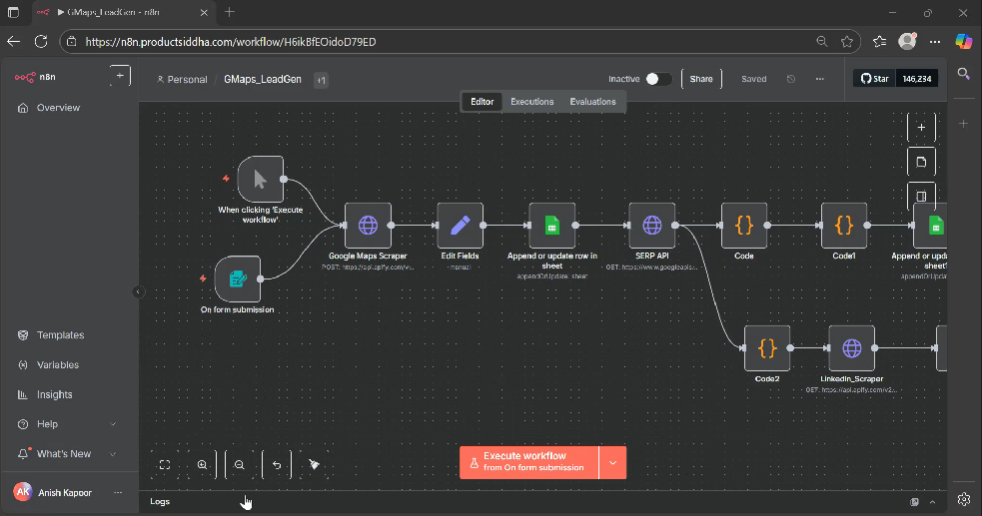
Is Your Recruiting Process Hurting Your Brand? Product Siddha is Here to Help The Hidden Cost of Poor Hiring Practices Every interaction between your organization and potential employees sends a message about who you are as a company. The recruiting process represents one of the most significant touchpoints where people form lasting impressions about your culture, values, and operational competence. Yet many organizations treat recruitment as a purely transactional function without recognizing its profound impact on brand perception. Candidates who experience disorganized, disrespectful, or opaque hiring practices share their stories. They tell friends, post reviews on employer rating sites, and factor these experiences into their opinions about your products or services. In markets where talent remains scarce and customers have abundant choices, these negative impressions create consequences that extend far beyond a single unfilled position. When Recruitment Becomes a Brand Liability Several common problems transform the recruiting process from a neutral administrative function into an active threat to organizational reputation. Understanding these issues helps companies recognize where their own practices may be causing damage. Slow response times frustrate candidates who have other opportunities under consideration. When weeks pass between application submission and initial contact, or when promised follow-ups never materialize, candidates conclude that your organization lacks efficiency or respect for people’s time. These impressions persist even among candidates you eventually hire, affecting their early engagement and loyalty. Inconsistent communication creates confusion and anxiety. Candidates receive conflicting information from different people, encounter unexplained changes to interview schedules, or never learn the status of their applications. This disorganization suggests broader operational problems and raises questions about how the company treats employees once hired. Unnecessarily complex or lengthy processes signal bureaucracy and inefficiency. Requiring multiple rounds of interviews for junior positions, demanding extensive unpaid work samples, or making candidates repeat the same information across different forms demonstrates poor process design and insufficient regard for candidate time. Poor interviewer preparation wastes everyone’s time and damages credibility. When interviewers arrive unprepared, ask inappropriate questions, or clearly have not reviewed the candidate’s background, it suggests the organization does not value the recruiting process or the people participating in it. Common Recruiting Process Issues and Their Brand Impact Problem Area Candidate Experience Brand Impact Slow Response Time Frustration, feeling undervalued Company seen as inefficient Communication Gaps Confusion, anxiety Perceived as disorganized Process Complexity Time burden, inconvenience Viewed as bureaucratic Unprepared Interviewers Wasted time, lack of respect Questions about competence No Feedback or Closure Uncertainty, negative feelings Disrespectful to people Unrealistic Requirements Discouragement, gatekeeping Out of touch with reality The Ripple Effects on Business Performance Damage from a poor recruiting process extends through multiple aspects of business performance. The most obvious impact appears in hiring outcomes. Strong candidates accept offers elsewhere or withdraw from consideration when they experience frustrating recruitment interactions. Organizations find themselves hiring from a diminished pool of second and third-choice candidates rather than competing successfully for top talent. Customer perception suffers when candidates share negative experiences publicly. People increasingly check employer reviews before purchasing products or services, particularly for companies that emphasize their culture or values in marketing. Inconsistency between marketed values and recruitment reality creates damaging credibility gaps. Current employees notice how candidates are treated. They recognize when their referrals receive poor treatment or when new hires share stories about difficult recruiting experiences. This awareness affects morale and employee advocacy. Team members become less willing to refer qualified contacts when they feel embarrassed about the recruiting process those contacts will encounter. Product development and innovation suffer when hiring practices prevent organizations from attracting necessary talent. Companies that struggle to recruit skilled product managers, designers, engineers, or other specialists cannot execute on their strategic visions regardless of how sound those strategies might be. Designing a Recruiting Process That Strengthens Your Brand Improving recruitment requires examining the complete candidate journey from initial awareness through offer acceptance and onboarding. Product Siddha works with organizations to identify friction points and implement practical improvements that enhance both candidate experience and hiring outcomes. Clear process definition establishes consistent candidate experiences. Document each step of the recruiting process, including who is responsible for what actions and what timeframes should be maintained. This clarity allows everyone involved in hiring to understand their roles and prevents candidates from falling into communication gaps. Realistic timeline commitments demonstrate respect for candidate schedules. Establish achievable response windows and meet them consistently. If delays occur, communicate proactively rather than leaving candidates wondering about their status. Simple acknowledgment of applications and regular updates throughout the process dramatically improve candidate perception. Efficient interview design respects everyone’s time while gathering necessary information. Limit interview rounds to what genuinely adds value in decision making. Combine conversations when possible rather than scheduling numerous separate meetings. Provide clear agendas so candidates can prepare appropriately and interviewers can avoid redundant questioning. Interviewer training ensures consistent, professional interactions. Train people on appropriate questioning techniques, legal considerations, and how to represent company culture authentically. Provide interview guides that help maintain focus while allowing natural conversation. Require interviewers to review candidate materials before meetings. Constructive feedback closes the loop professionally even when candidates are not selected. While detailed critique may not be feasible for early-stage rejections, providing some explanation helps candidates understand decisions and maintains positive relationships. Many rejected candidates become customers, partners, or future applicants when treated respectfully throughout the process. Technology Tools, Automation, and Human Touch Modern recruiting technology can significantly improve efficiency and candidate experience when implemented thoughtfully. Applicant tracking systems help manage workflows and communication. Scheduling tools reduce coordination friction. Video interviewing platforms expand geographic reach while saving travel time. Today, advanced automation unlocks even greater opportunities: Candidate sourcing automation – Tools can scrape LinkedIn, professional networks, and niche communities to identify potential candidates who may not be actively applying but fit your requirements. AI-driven personalization – Instead of sending generic outreach, AI can analyze candidate profiles and craft tailored icebreakers or introduction messages that resonate with individual interests and career paths. Email and campaign automation – Automated but personalized drip campaigns