Product Siddha

Author name: Sahil Sanghar

Product Management
Blog, Product Management

How do Product Management Services help companies avoid costly launch mistakes?

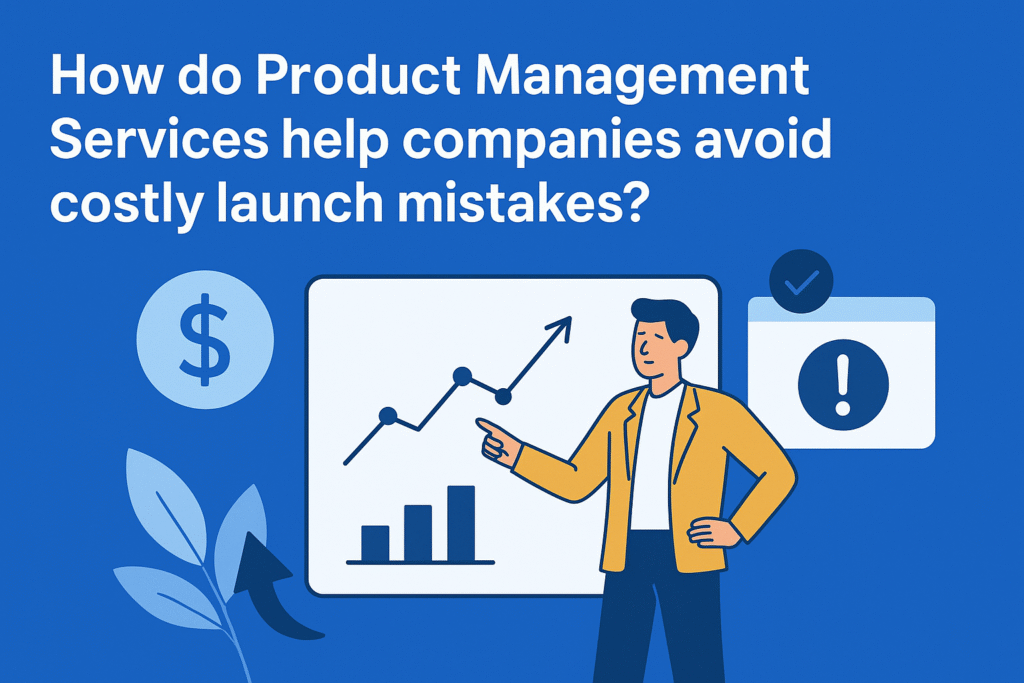
Launching a new product is both exciting and risky. While innovation opens doors to growth, even minor missteps can lead to costly failures. Product Management Services play a crucial role in steering companies clear of these pitfalls by combining strategic planning, market insight, and cross-functional coordination. By carefully analyzing consumer needs, market trends, and operational capabilities, these services help organizations answer critical questions before committing substantial resources. Companies can identify potential risks early, optimize product-market fit, and align internal teams for smoother execution. What Makes Product Management Services Essential for Businesses Product Management Services provide a structured approach that bridges the gap between concept and market success. These services offer clarity on multiple fronts: Customer Validation: They ensure that a product solves a real problem, minimizing wasted investment. Market Positioning: By analyzing competitors and market gaps, they guide companies to differentiate their offerings effectively. Feasibility Assessment: Product management evaluates technical, financial, and operational feasibility, preventing costly surprises during development. Launch Planning: Coordinating cross-departmental tasks ensures that marketing, sales, and support teams are aligned for a successful rollout. The absence of such structured oversight often leads companies to launch products that fail to resonate with customers, exceed budgets, or miss critical deadlines. Why Companies Often Face Costly Launch Mistakes Understanding common failure points highlights why professional product management is indispensable: Misunderstanding Customer Needs: Without proper research, companies may develop features that users neither want nor need. Poor Market Timing: Launching too early or late can undermine the product’s success. Inadequate Cross-Functional Communication: Teams working in silos can create misaligned priorities and inconsistent messaging. Lack of Risk Management: Unforeseen technical or regulatory issues can derail the project, adding expenses and delays. Product Management Services proactively address these challenges, allowing businesses to anticipate issues rather than react to them. How Product Management Services Integrate Strategy with Execution A well-executed product launch requires seamless integration of strategy and execution. Product Management Services provide: Roadmapping and Prioritization: Teams focus on features that deliver maximum customer value and ROI. Agile Methodologies: Iterative development ensures continuous feedback and adaptation, reducing errors. Metrics and KPIs: Performance tracking throughout the lifecycle informs decision-making and highlights areas for improvement. Stakeholder Alignment: Clear communication channels between product, engineering, marketing, and sales prevent bottlenecks. By combining these elements, companies can move from idea to market confidently, reducing unnecessary expenditures and inefficiencies. When Product Management Services Are Most Valuable While some companies engage product management after a project has started, integrating these services early is far more effective. Early involvement allows: Better Market Analysis: Identify trends and gaps before committing to design or production. Risk Mitigation: Anticipate regulatory, technical, or logistical obstacles. Resource Optimization: Allocate budget and human resources efficiently to prevent overruns. Strategic Planning: Create a phased rollout strategy that maximizes market penetration. Companies that delay product management involvement often encounter costly redesigns, marketing misfires, or missed revenue opportunities. Who Benefits Most from Product Management Services The impact of these services extends across the organization: Executive Leadership: Gain confidence that strategic initiatives align with market realities. Product Teams: Receive structured guidance, reducing guesswork and increasing focus. Marketing and Sales: Acquire clear positioning and messaging based on validated customer insights. Investors: See reduced risk and improved return potential through disciplined development practices. Effectively, Product Management Services act as a unifying force that harmonizes efforts across the organization, driving measurable results. Advantages of Partnering with Expert Product Management Services Engaging professional Product Management Services delivers tangible benefits: Reduced Risk: Anticipate and mitigate potential failures before launch. Cost Efficiency: Avoid unnecessary development and marketing expenses. Faster Time-to-Market: Streamlined decision-making and agile processes accelerate launches. Customer-Centric Products: Data-driven insights ensure the product meets real market demand. Sustainable Growth: Continuous monitoring and iteration support long-term success. Companies that leverage these services consistently report higher adoption rates, stronger customer satisfaction, and improved ROI compared to those that rely solely on internal teams. Real-World Role of Product Management Services Consider a technology startup preparing to launch a new software platform. Without structured product management, the team may misjudge feature priorities, fail to address regulatory requirements, or miscommunicate the product’s value proposition. Product Management Services intervene by: Conducting market research to validate feature necessity. Establishing clear development milestones to avoid scope creep. Coordinating testing and feedback loops to refine usability. Aligning marketing campaigns with product capabilities for accurate customer expectations. This structured approach reduces the likelihood of expensive redesigns, negative reviews, or underwhelming adoption rates. Contrasting with Alternative Approaches Companies sometimes attempt to rely solely on internal management or ad-hoc strategies. While this may seem cost-effective initially, it often leads to: Overlooked market insights Misalignment between departments Delayed problem detection Escalated costs due to rework By contrast, Product Management Services provide a structured, expert-driven approach that addresses these challenges upfront, resulting in a smoother, more predictable product launch. Measuring Success Through Product Management Services The value of Product Management Services is measurable: Reduced Development Costs: Fewer iterations and less wasted effort. Higher Customer Satisfaction: Products that meet actual needs. Improved Market Fit: Stronger competitive positioning and faster adoption. Increased ROI: Optimized allocation of resources and strategic execution. Charts or tables comparing product launch success metrics with and without professional product management can clearly demonstrate these benefits. How Product Siddha Delivers Expertise in Product Management Services Product Siddha specializes in offering end-to-end Product Management Services that guide companies through every stage of product development. With a focus on real-world application, Product Siddha ensures: Market research drives all decision-making Cross-functional collaboration is seamless Risk is mitigated early through thorough analysis Iterative development ensures adaptive and responsive product evolution By integrating these services, businesses can confidently bring products to market without succumbing to avoidable mistakes, positioning themselves for sustained growth and customer satisfaction. Conclusion: The Long-Term Value of Professional Product Management Investing in Product Management Services is no longer optional for companies aiming to succeed in competitive markets. By combining strategic foresight, operational expertise, and market intelligence, these services prevent costly mistakes, optimize resource utilization, and improve overall product success. For organizations
Brand Retention
AI Automation, Blog

How to Retain Customers for Subscription Brands?

How Subscription Brands Build Loyalty That Lasts Subscription models thrive on consistency. Unlike one-time purchases, the success of a subscription brand depends on keeping customers engaged month after month. Retaining customers requires more than offering a product or service, it’s about creating value that consistently meets and exceeds expectations. To achieve this, brands must align product quality, customer experience, and communication strategies in ways that keep subscribers connected. The process begins with understanding how customers interact with a subscription. Every touchpoint, from the initial sign-up to recurring renewals, presents an opportunity to strengthen loyalty. If customers feel understood, valued, and supported, they are more likely to stay. Product Siddha emphasizes that retention should be treated as a continuous journey, not an afterthought. It is about building long-term trust by solving problems before they arise and delivering value at every stage. What Keeps Customers Coming Back Customers remain loyal to subscription brands when they feel they are consistently receiving benefits worth their investment. Retention comes down to three critical factors: Personalization – People want services tailored to their unique preferences. Subscription brands that leverage data to curate experiences, whether through product recommendations, exclusive content, or customized delivery cycles, create a sense of exclusivity. Reliability – Customers stay when they know they can trust the brand. Timely delivery, consistent quality, and dependable service form the foundation of retention. Ongoing Value – Retention falters if customers feel stagnant. Regular updates, innovations, and added perks remind them why the subscription is worth continuing. The key is ensuring that customers never feel like they are on autopilot. A sense of anticipation, reward, and care transforms what could become routine into a valued relationship. Why Retention Matters More Than Acquisition While acquiring new subscribers is important, retention delivers far greater long-term value. Studies consistently show that retaining a customer is significantly cheaper than acquiring a new one. More importantly, loyal subscribers spend more over time, provide predictable revenue, and often become brand advocates. For subscription brands, churn, the rate at which customers cancel, is a critical risk. High churn indicates unmet needs or disengagement. By focusing on retention strategies, companies reduce churn and maximize customer lifetime value. Product Siddha highlights that retention efforts not only save money but also stabilize business growth. Predictable revenue streams create resilience against market fluctuations and competition. Where Retention Strategies Deliver the Most Impact Retention strategies are most effective where customer interactions are strongest. Subscription brands can build loyalty by focusing on key areas: Onboarding Experiences – The early days set the tone. Clear communication, easy navigation, and immediate value help new customers feel confident in their choice. Customer Support – Accessible, empathetic, and proactive support systems show customers that their concerns are taken seriously. Product and Service Quality – Consistency in product delivery ensures that customers trust the subscription as a reliable part of their lives. Community Engagement – Creating spaces where customers connect with one another, share experiences, or access exclusive insights fosters belonging and loyalty. Where these elements intersect, retention grows strongest. Customers remain committed when they feel both seen and supported. When Engagement Creates Retention Opportunities Timing plays a vital role in retention. Subscription brands must know when customers are most vulnerable to canceling. Typically, this happens after the first few billing cycles when initial excitement begins to fade. Strategic engagement during these periods is essential. For instance: Sending personalized updates just before renewal cycles. Introducing exclusive offers at moments when usage patterns suggest waning interest. Checking in when customers show signs of disengagement, such as reduced product use or lack of interaction. When interventions are timely, they can reignite interest and remind customers of the subscription’s value. Product Siddha advises brands to pay attention to these critical junctures and use them as opportunities to strengthen loyalty. Who Drives Retention Success Retention is not the responsibility of one team alone. It requires collaboration across marketing, product development, customer service, and data analysis. Every department plays a role in delivering value. Marketing teams craft communication strategies that keep customers engaged. Product teams ensure offerings evolve to meet changing needs. Customer service teams resolve issues quickly and with empathy. Data analysts uncover insights into customer behavior and predict potential churn. Together, these functions create a unified experience that fosters loyalty. Product Siddha emphasizes that retaining customers requires organizational alignment where every department contributes to the customer journey. How to Put Retention Into Practice Retention is achieved through deliberate strategies that address both emotional and practical customer needs. Practical approaches include: Personalized Communication: Using data-driven insights to send tailored messages that make customers feel understood. Flexible Subscription Models: Allowing customers to pause, modify, or upgrade plans without friction. Reward Programs: Offering loyalty perks, discounts, or exclusive access for long-term subscribers. Continuous Innovation: Regularly introducing new features, products, or services to keep the experience fresh. When executed well, these practices make customers feel valued and invested in the subscription. Instead of viewing the service as a monthly cost, they perceive it as a recurring benefit. Visualizing Retention Strategies Advantages of Strong Retention Practices Effective retention strategies create ripple effects beyond customer loyalty. They result in: Higher Profitability: Predictable income streams reduce dependency on constant acquisition. Stronger Brand Reputation: Satisfied subscribers spread positive word-of-mouth. Sustainable Growth: Loyal customers provide a steady base from which companies can expand. Lower Costs: Retaining customers is more cost-effective than acquiring new ones. By focusing on retention, subscription brands build resilience and scalability. Product Siddha notes that this approach strengthens long-term competitiveness while ensuring customer satisfaction remains central. Conclusion: The Lasting Value of Customer Retention Customer retention is the lifeblood of subscription brands. It is what transforms one-time curiosity into long-term loyalty. By delivering consistent value, personalizing experiences, and engaging customers at the right time, subscription brands can minimize churn and build lasting relationships. Retention is not an isolated task but a continuous journey. Companies that embrace this philosophy, like Product Siddha encourages, gain more than loyal customers; they cultivate advocates who fuel growth and resilience.

AI tools vs AI Automation
AI Automation, Blog

What’s the Difference Between AI Tools and AI Automation Services?

What Makes AI Tools Popular in Modern Workflows? In today’s technology-driven landscape, businesses are increasingly drawn to AI-powered solutions that promise speed, efficiency, and precision. AI tools – whether for text generation, image recognition, data analysis, or customer interaction – have quickly become popular for their ability to handle specific, well-defined tasks. These tools are designed with a narrow focus. A chatbot tool, for example, can manage customer conversations, while a data visualization tool can turn spreadsheets into actionable insights. Their popularity stems from being easy to adopt, often affordable, and user-friendly, making them accessible to companies of all sizes. However, the challenge arises when organizations begin to rely on multiple tools simultaneously. Each operates in isolation, creating silos of information and processes. This fragmentation often reduces efficiency and limits scalability. How Do AI Automation Services Take Things Further? While AI tools address individual problems, AI automation services go a step further by weaving these tools into a seamless operational framework. An AI Automation Agency focuses not just on technology itself but on how it integrates into an organization’s ecosystem. Automation services bring together AI models, business processes, and data pipelines into a cohesive system that functions with minimal human intervention. For example: In healthcare, automation services can unify patient record systems, AI-driven diagnostics, and scheduling platforms into a streamlined care delivery model. In construction, AI automation can coordinate supply chain data, workforce scheduling, and safety monitoring tools, ensuring projects stay on time and within budget. In e-commerce, automation connects inventory management, customer engagement, and personalized marketing into one synchronized flow. The value lies in orchestration—turning individual tools into a unified solution that reduces manual effort and drives consistent results. Why Is the Difference Between AI Tools and Automation So Important? Understanding the distinction between AI tools and AI automation services is critical for long-term success. Businesses that only adopt tools may see short-term productivity boosts, but they often encounter scalability challenges as operations grow. On the other hand, automation services focus on sustainability. They are not just about applying AI but about embedding intelligence into workflows. This ensures that organizations can: Scale operations without dramatically increasing costs. Reduce human error by standardizing processes. Free up teams to focus on higher-value, strategic tasks. Adapt quickly to new market demands or customer expectations. In short, while tools solve immediate problems, automation services build future-ready infrastructures. Who Benefits Most from AI Automation Services? Different stakeholders within an organization benefit uniquely from automation: Executives gain reliable performance metrics and operational transparency. Managers experience smoother workflows and easier resource allocation. Employees are freed from repetitive tasks, allowing them to focus on creativity and problem-solving. Customers enjoy better service quality, faster response times, and personalized interactions. Industries with complex, high-volume operations, such as finance, healthcare, retail, and manufacturing, see the most significant impact from automation. These sectors rely heavily on integrating multiple data streams and workflows, making them ideal candidates for AI automation services. When Should a Business Transition From Tools to Automation? The right time to move from standalone tools to comprehensive automation often depends on growth stage and complexity. Signs that a business is ready include: Rising manual workload: Teams spend more time managing tools than using them. Process bottlenecks: Data must be manually transferred between systems. Scalability limits: Tools cannot handle growing volumes without excessive human input. Customer demand: Clients expect faster, more seamless experiences than tools alone can provide. For startups, tools can be a good starting point. But as operations scale, transitioning to automation services becomes essential for sustainable growth. How Do AI Automation Agencies Deliver Long-Term Value? An AI Automation Agency doesn’t simply implement tools; it redefines workflows. Agencies analyze business objectives, map existing processes, and design tailored solutions that bring multiple technologies together. Key roles include: Strategic integration: Ensuring tools talk to one another within existing systems. Customization: Designing solutions unique to each industry and business model. Support and scalability: Offering ongoing service so solutions evolve with business needs. Measurement: Establishing benchmarks to track ROI, efficiency, and customer outcomes. This approach ensures that businesses are not just using AI but are leveraging it in ways that directly impact growth, profitability, and long-term sustainability. Visualizing the Difference Feature AI Tools AI Automation Services Scope Task-specific Organization-wide Integration Standalone Unified ecosystem Scalability Limited High Human Involvement Moderate to high Minimal Impact Short-term efficiency Long-term transformation Examples Chatbots, analytics dashboards End-to-end automated workflows Reflecting on the Future of AI Automation The future belongs to businesses that move beyond fragmented tools and embrace automation as a strategic advantage. As industries evolve, automation services will not only enhance efficiency but also redefine customer expectations and competitive standards. By partnering with an AI Automation Agency like Product Siddha, organizations can transform their operations into intelligent, scalable systems built for the challenges of tomorrow.

AI automation for Small Business
AI Automation, Blog

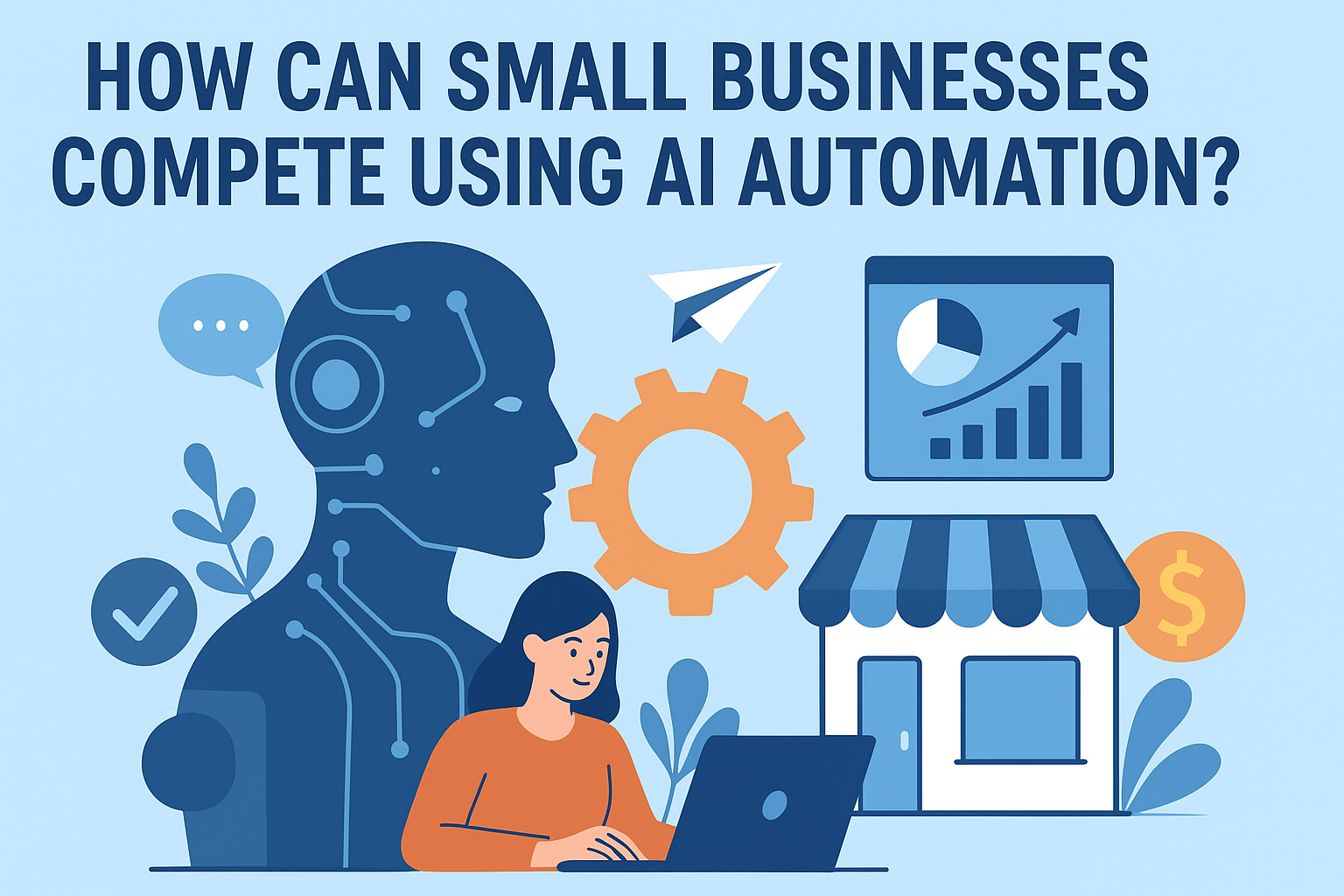
How Can Small Businesses Compete Using AI Automation?

The business landscape has shifted. Small businesses no longer compete only with local players but also with large enterprises equipped with advanced tools. The good news is that artificial intelligence (AI) levels the playing field. By partnering with an AI Automation Agency, small businesses can unlock productivity, reduce costs, and scale faster than ever before. This Blog explains how small businesses can use AI automation to compete strategically, stay relevant, and thrive in competitive markets. What is AI Automation? AI automation is the integration of artificial intelligence into everyday business processes to eliminate repetitive tasks, analyze data faster, and make smarter decisions. Unlike traditional automation, AI adapts, learns, and improves over time, making it highly valuable for small businesses. The AI Revolution for Small Businesses and Startups Running a small business often means navigating limited resources, tight budgets, and the constant pressure to compete with larger players. Today, the rise of AI has changed that equation. With the democratization of AI technology, small businesses now have access to powerful yet affordable tools that were once available only to big enterprises. Modern AI solutions are user-friendly, cost-effective, and designed to solve real business challenges without the need for a large technical team. How Small Businesses Can Compete Using AI Automation 1. Streamline Marketing Efforts An AI Automation Agency can help small businesses automate social media posting, content scheduling, and email campaigns. Instead of manually tracking every campaign, AI ensures your business reaches the right audience at the right time. Marketing Task Manual Effort With AI Automation Social Media Posting 5-10 hours/wk 1-2 hours/wk Email Campaign Scheduling 3-4 hours/wk Automated Customer Segmentation 2-3 hours/wk Real-time insights 2. Personalize Customer Experiences Customers expect personalized recommendations and quick responses. AI chatbots, powered by natural language processing, can provide instant support, answer FAQs, and even upsell products. Small businesses using these tools can match the customer service quality of larger competitors. 3. Optimize Operations and Reduce Costs AI can predict inventory needs, manage supply chains, and automate invoicing. Partnering with an AI Automation Agency ensures these systems are set up correctly, giving small businesses more control and efficiency. Operational Impact of AI Automation Area Before AI After AI Inventory Control Reactive Predictive Billing & Invoicing Manual, Error-Prone Automated & Accurate Workforce Efficiency High dependency on staff Enhanced with AI support 4. Data-Driven Decision Making AI-driven analytics tools allow small businesses to track sales, customer behavior, and market trends in real time. Instead of relying on guesswork, decisions are based on actionable insights. This creates a major advantage when competing with bigger brands. 5. Enhance Sales with Smart Tools AI-powered CRMs (Customer Relationship Management systems) help sales teams prioritize leads, follow up automatically, and close deals faster. With automation in place, small businesses can operate like well-structured enterprises without expanding headcount. Why Work with an AI Automation Agency? Setting up AI automation requires the right strategy, tools, and implementation expertise. Partnering with a trusted AI Automation Agency ensures that small businesses avoid tool overload, wasted budgets, and poor implementation. Instead of struggling with disconnected platforms, businesses get a seamless and scalable solution that drives growth. By working with Product Siddha, small businesses gain access to: Tailored AI strategies for growth – Every business is unique. Product Siddha customizes automation strategies that align with your industry, customer needs, and long-term goals. Proper integration across marketing, sales, and operations – No more data silos or manual processes. Product Siddha ensures that all tools talk to each other, creating a smooth workflow that boosts efficiency. Continuous support and optimization – Technology evolves rapidly. With ongoing guidance from Product Siddha, businesses can stay ahead, adapt to changes, and scale confidently. By leveraging the expertise of Product Siddha, small businesses can compete like larger enterprises while staying lean, efficient, and customer-focused. Action Plan for Small Businesses If you want your small business to compete effectively, here is a simple roadmap: Identify repetitive tasks in your business. Choose an AI Automation Agency to evaluate and implement the right tools. Integrate AI into core areas like marketing, sales, and operations. Track performance with AI-driven analytics. Scale gradually as automation frees up time and resources. Start Your AI Journey Today Small businesses no longer need massive budgets or large teams to compete. By leveraging AI-powered tools and partnering with a reliable AI Automation Agency, you can streamline processes, reduce costs, and enhance customer engagement. The future of business growth lies in adopting AI automation today. Ready to take your small business to the next level with AI automation? Contact us today Product Siddha at +91 98993 22826 and discover how our expert team can transform your operations, marketing, and sales into smarter, faster, and scalable processes.

Martech Implementation
Blog, MarTech Implementation

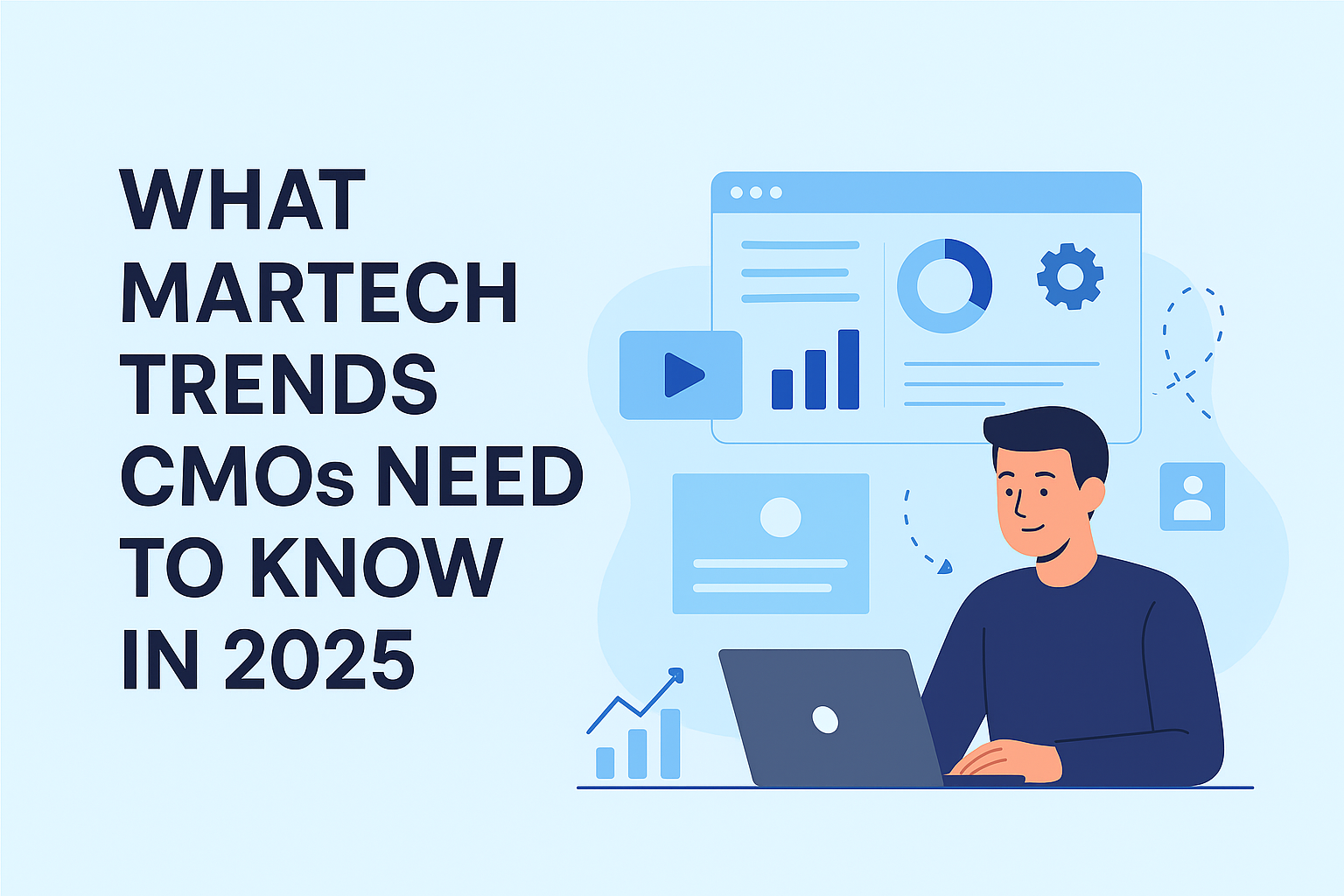
What Martech Trends CMOs Need to Know in 2025

What Martech Trends Mean for the Modern CMO Martech, or marketing technology, is no longer just about adopting tools; it’s about strategically integrating them into the customer experience journey. In 2025, Martech is the nerve center of data-driven decision-making, customer engagement, and campaign optimization. For CMOs, understanding Martech trends isn’t simply about keeping up; it’s about anticipating shifts in consumer behavior, preparing teams for rapid adoption, and ensuring Martech Implementation aligns with overarching business objectives. The right approach can turn marketing departments from cost centers into measurable revenue drivers. How Martech in 2025 is Reshaping Marketing Operations The Martech landscape is now dominated by AI-powered personalization, predictive analytics, and unified customer data platforms (CDPs). CMOs must ensure that their marketing technology stack is not only extensive but also cohesive. Key shifts in 2025 include: Predictive and Generative AI: Automating content creation, A/B testing, and campaign targeting. Composable Martech Stacks: Modular systems allowing seamless integrations without full platform overhauls. Real-Time Analytics: No more waiting for monthly reports—decisions are now made in minutes, not weeks. With Product Siddha’s Martech Implementation expertise, companies can align these technologies with strategic goals, avoiding costly integration mistakes. Why CMOs Cannot Ignore Martech Trends A CMO’s role is no longer limited to brand storytelling, it now requires deep technical understanding. The consequences of ignoring emerging Martech trends include: Lost market share due to slow adoption of automation and AI. Wasted ad spend from ineffective targeting. Disconnected customer journeys from poor data integration. In 2025, brands that embrace forward-thinking Martech Implementation will lead in personalization, predictive engagement, and operational efficiency. Martech Adoption by Industry in 2025 Industry Adoption Rate (%) Top Use Case E-commerce 92% Personalization & dynamic pricing Healthcare 78% Patient engagement automation Financial Services 85% Fraud detection & advisory services B2B SaaS 88% Predictive lead scoring & ABM Who Benefits Most from Martech Implementation While every department benefits from improved marketing technologies, in 2025 the primary beneficiaries include: Marketing Teams: Faster campaign deployment and higher ROI tracking. Sales Teams: Warmer leads and higher conversion rates. Customer Service: Real-time responses and self-service options powered by AI. C-Suite Executives: Improved decision-making through unified reporting dashboards. Product Siddha ensures Martech Implementation benefits cross-functional teams, maximizing the value from every tool in the stack. When to Upgrade Your Martech Stack Many organizations hold on to outdated systems, but waiting too long can slow growth. Signs it’s time to modernize include: Difficulty integrating new platforms. Reliance on manual processes for campaign management. Lack of real-time customer insights. Declining engagement despite consistent campaign activity. In 2025, the average Martech stack lifecycle has shortened to 2–3 years, meaning CMOs must proactively plan upgrades. How to Future-Proof Your Martech Implementation Future-proofing means building a Martech stack that can scale, adapt, and integrate with emerging tools. CMOs should: Adopt a Composable Architecture: Flexible systems reduce vendor lock-in and speed up deployment. Prioritize Interoperability: Ensure data flows seamlessly between platforms. Leverage AI for Predictive Decision-Making: Move from reactive to proactive campaign planning. Train Teams Continuously: Technology adoption is only as strong as the people using it. Advantages of Keeping Up with Martech Trends Competitive Edge: Early adoption means stronger brand visibility and loyalty. Cost Efficiency: Automation reduces operational costs. Customer Retention: Personalization fosters brand trust and repeat engagement. Scalable Growth: Martech Implementation enables expansion into new markets without proportionate increases in overhead. Case: Service-Based Business Growth with Martech A mid-sized B2B service provider wanted to scale without drastically increasing marketing spend. They partnered with Product Siddha to implement a modular Martech stack tailored to their goals, combining automation, advanced analytics, CRM integration, and AI-driven audience segmentation. Before Martech Implementation: Campaign launches required 2–3 weeks of manual setup across multiple tools. Sales and marketing teams worked from disconnected data sources, leading to slow decision-making. Audience targeting relied heavily on broad demographic filters, resulting in wasted ad spend. After Product Siddha’s Martech Implementation: 34% Improvement in Lead Conversion Rates: Example: By integrating the CRM with marketing automation, follow-up emails were sent within minutes of a prospect filling out a form. Personalization, based on industry, service interest, and engagement history, resulted in warmer leads and faster conversions. 50% Reduction in Campaign Deployment Times: Example: Instead of manually setting up campaigns in multiple ad platforms, a centralized dashboard allowed the marketing team to launch coordinated campaigns across email, social, and paid ads in 3–4 days instead of 2–3 weeks. 28% Lower Customer Acquisition Cost (CAC): Example: AI-powered audience targeting identified high-value micro-segments, such as decision-makers in specific industries with past engagement history, reducing wasted spend on low-quality clicks. Why This Matters for Service-Based Businesses: This transformation shows how Martech isn’t just a “nice-to-have” but a strategic growth driver. By streamlining workflows and enabling precision targeting, service providers can grow faster, spend less, and deliver more personalized experiences to clients. Martech Trends Checklist for CMOs in 2025 Trend Adoption Priority Impact Level Implementation Tip AI-powered personalization High Very High Integrate with CRM and CDP systems Predictive analytics High High Use for demand forecasting Composable tech stacks Medium High Start with critical marketing workflows Voice and conversational AI Medium Medium Deploy for customer support automation Real-time data visualization High High Enable for cross-departmental dashboards Reflecting on Martech in 2025 For CMOs, Martech is not just a toolkit, it’s the foundation of competitive marketing in a fast-paced, data-driven world. In 2025, leaders who understand and implement these trends will drive exponential brand growth, elevate customer experiences, and position their companies as industry frontrunners. With Product Siddha’s Martech Implementation expertise, businesses can transition smoothly into this next era of marketing, ensuring that every technology investment delivers measurable results.

cloud deployment on-Premise deployment
Blog, Product Management

Cloud vs On-Premise: Which Is Better for Your Product Roadmap?

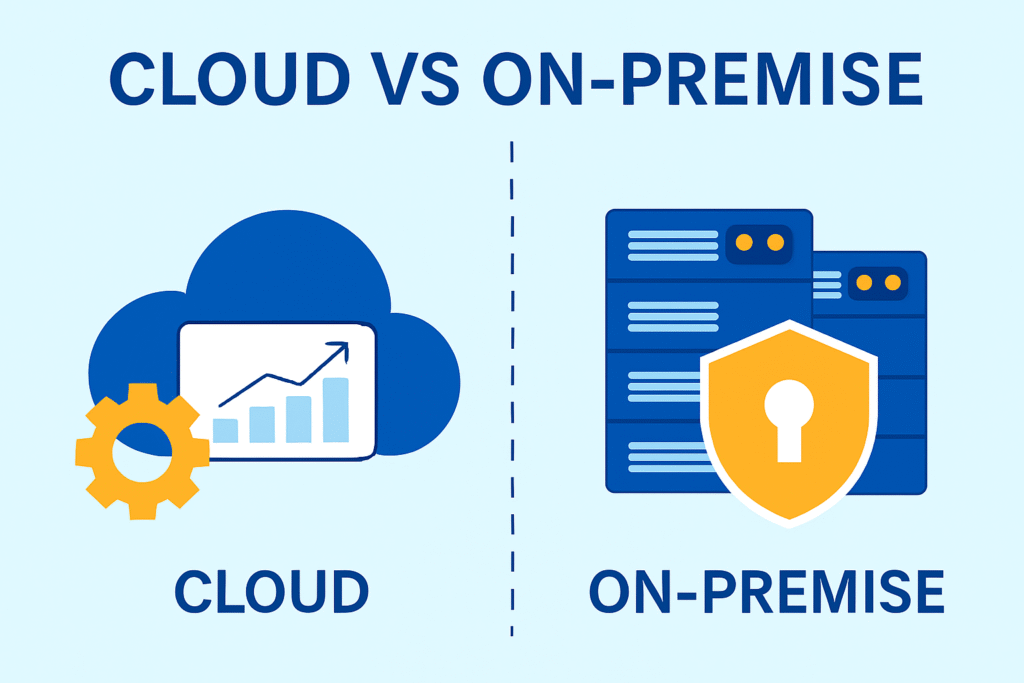
When businesses decide how to host their software, applications, or data, the two most common approaches are cloud-based deployment and on-premise deployment. Each option has distinct advantages and limitations, and the right choice often depends on a company’s priorities, resources, and growth strategy. Cloud Deployment In a cloud environment, the infrastructure is hosted and maintained by a third-party provider and accessed via the internet. Businesses pay a subscription fee for usage, and the provider takes care of updates, security patches, and uptime management. Advantages of Cloud Deployment Scalability on Demand – Easily add or reduce computing power or storage without major hardware investments. Lower Initial Costs – No need to purchase physical servers or set up a large IT infrastructure. Automatic Updates – New features and security enhancements are deployed automatically without manual intervention. Remote Accessibility – Employees can access systems from anywhere with an internet connection. Drawbacks of Cloud Deployment Ongoing Subscription Costs – Over time, recurring fees can exceed the one-time cost of buying infrastructure. Dependency on Internet – Performance and access are tied to the stability of your connection. Limited Customization – Certain solutions may restrict deep configuration compared to on-prem setups. On-Premise Deployment With an on-premise model, the company owns, installs, and operates its own servers and related hardware on-site. Software is installed locally, and the internal IT team is responsible for management and maintenance. Advantages of On-Premise Deployment Full Control – Businesses can configure, secure, and optimize systems exactly as they wish. Enhanced Data Security – Sensitive information can be kept entirely within the organization’s physical network. No Dependency on Internet – Internal systems can function even during outages. One-Time Licensing – In some cases, a single payment covers the software license indefinitely. Drawbacks of On-Premise Deployment High Upfront Investment – Requires purchasing servers, storage devices, networking gear, and backup systems. Ongoing Maintenance – Hardware upgrades, security patches, and troubleshooting fall entirely on the IT team. Limited Scalability – Expanding capacity can require significant new investments in equipment. Cloud vs On-Premise: Key Differences Factor Cloud On-Premise Cost Pay-as-you-go Large upfront investment Scalability Instant, on-demand Limited by hardware capacity Security Provider-managed Business-controlled Maintenance Vendor responsibility In-house IT team Accessibility Anywhere with internet Local network only Factors to Consider Before Deciding Budget: Can you afford a large upfront cost or prefer monthly payments? Security Requirements: Do you need in-house control or is vendor-level security enough? Workforce Location: Is your team remote or office-based? Growth Projections: Do you expect to scale rapidly? Industry Regulations: Are there compliance requirements for data storage? Final Thoughts: Finding the Right Fit with Product Siddha At the end of the day, choosing between cloud and on-premise deployment isn’t about which technology is “better” in a general sense; it’s about which is better for your specific business goals. If your roadmap focuses on speed, flexibility, and the ability to scale without major upfront costs, the cloud can help you move faster and adapt to changing market demands. It’s especially valuable for remote teams, startups seeking agility, or companies launching products that may need rapid scaling. On the other hand, if control, compliance, and long-term ownership are critical to your strategy, on-premise solutions can provide the confidence and security you need. This route is often preferred by industries with strict regulations, businesses with strong in-house IT teams, or organizations that handle highly sensitive data. For many modern companies, the smartest choice may not be purely one or the other. A hybrid approach, blending the scalability of the cloud with the control of on-premise infrastructure, can deliver the best of both worlds, giving you flexibility without sacrificing security. At Product Siddha, we help businesses navigate these decisions with clarity and confidence. Our experts work with you to design a deployment strategy that aligns with your vision, budget, and long-term growth plans — so your technology becomes a powerful driver of success, not a limitation.

AI Automation, Case Studies

Built an AI Stock Advisor That Tracks, Analyzes, and Remembers, Cutting Manual Research by 75%

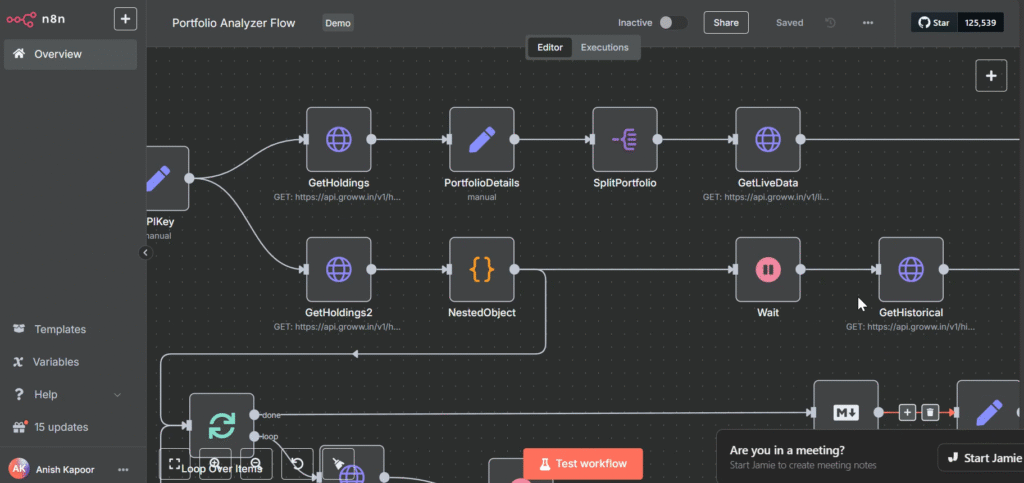
Built an AI Stock Advisor That Tracks, Analyzes, and Remembers, Cutting Manual Research by 75% Client Confidential (High-Net-Worth Individual Investor) Service Provider Product Siddha Industry Wealth Management / Fintech Service AI-Powered Investment Assistant for Indian Equity Markets The Problem: Too Many Tools, Too Much Time A high-net-worth investor came to Product Siddha with a clear problem: They were spending too much time switching between apps, websites, and spreadsheets just to track their portfolio. Here’s what wasn’t working: Manual research across platforms like Groww and Screener No smart system to track financial ratios or market trends No way to remember personal investment preferences No personalized advice based on real portfolio data Repetitive tasks and API overuse, leading to unnecessary costs What the client wanted was simple: A smart, memory-aware AI stock advisor that could save time, reduce research work, and give custom investment insights based on their risk profile. The Solution: A Personalized AI Investment Assistant Product Siddha designed a lightweight, cost-efficient AI system built specifically for the Indian equity market. It was more than just a dashboard; it was a true assistant that remembered, learned, and adapted to its users’ needs. Here’s how we did it: Live Portfolio Tracking via Groww API We connected the client’s brokerage account to pull real-time data on holdings, stock prices, and order history, automatically and securely. Fundamentals via Screener.in Scraper To track stock health, the system pulled data like: P/E Ratio ROCE Debt-to-Equity Dividend Yield This allowed smart filtering of high-risk or low-return stocks. Built-In Technical Analysis Engine Custom code to calculate: RSI (Relative Strength Index) MACD (Moving Average Convergence Divergence) SMA (Simple Moving Average) These helped identify overbought or oversold conditions, giving timely signals for entries and exits. These helped identify overbought or oversold conditions, giving timely signals for entries and exits. Conversational AI Using OpenAI 4.1 We trained the AI to understand: The client’s risk tolerance Investment goals (capital preservation + dividend income) Preferences for industry sectors and stock types This made every recommendation personal and context-aware. This made every recommendation personal and context-aware. Smart Memory via Supabase (Postgres) Every user interaction, stock preference, and past recommendation was stored securely.That way, the assistant could say things like:”You previously reduced Tata Motors due to cyclicality. Do you want to review that decision again based on new signals?” Automation Layer with n8n We added automation to: Orchestrate workflows Control API usage (to avoid overbilling) Trigger insights only when market conditions change This kept the system efficient, scalable, and low-cost. Real Use Cases: Smart Actions, Not Just Alerts The AI assistant didn’t just pull data; it gave smart, actionable suggestions. Reduce exposure to Tata Motors & JSW Steel Both were showing cyclical risk and overbought signals (via RSI/MACD) AI flagged and suggested gradual exits Increase allocation to Power Grid, HDFC Bank, and ITC Low debt, stable income, and consistent dividends Matched the client’s conservative investment goals Adaptive re-entry alerts If technical indicators improved, the AI suggested when to consider buying back, while reminding the user of their original risk profile The Outcome: Research Time Cut by 75%, Confidence Boosted With this system in place, the investor no longer needed to: Jump between platforms Track charts manually Second-guess buy/sell decisions Key Wins: Daily stock insights customized to client holdings Tailored recommendations for lower-risk, high-dividend picks Clear visibility into stock fundamentals and technical indicators 75% reduction in time spent on portfolio research Minimal API usage, low cost, high performance History tracking: See how and why decisions were made over time Bonus: Ready for Other Markets Too This AI stock advisor was built for Indian stocks, but the same system works in other markets. For U.S. Markets, we can plug in: Broker APIs like Robinhood, Alpaca, and Interactive Brokers Data from Yahoo Finance, Alpha Vantage, and Finviz News and fundamentals via Seeking Alpha The architecture remains the same, making it easy to adapt for global equity, ETFs, or crypto. Conclusion: Personalized Investment Automation That Learns With Product Siddha’s smart AI setup, this investor gained: More time More confidence Smarter decisions All without hiring a portfolio manager. If you’re an investor looking to automate your stock research, reduce manual work, and get insights tailored to you, Product Siddha can help. Let’s build an AI stock advisor that works like your second brain.

Case Studies, Product Analytics

Driving Growth for a U.S. Music App with Full-Stack Mixpanel Analytics

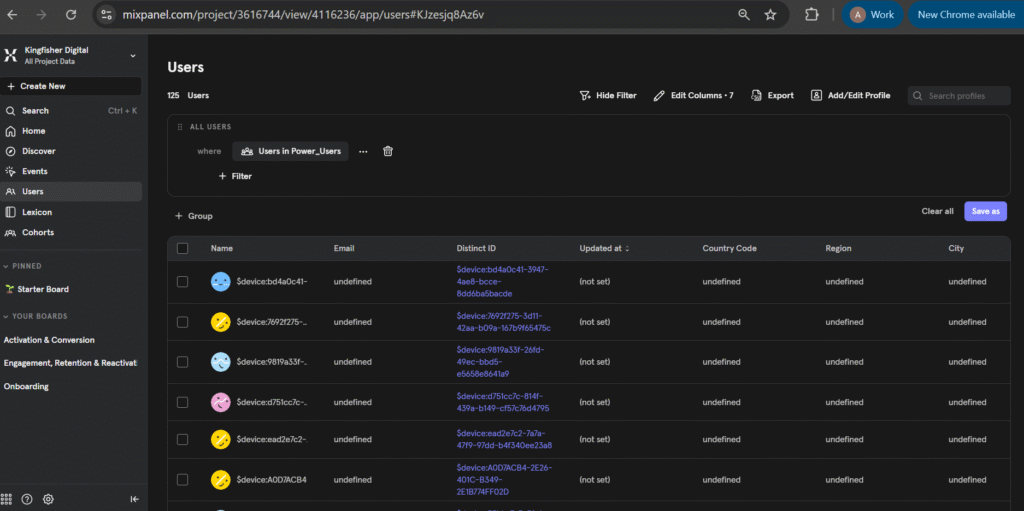
Driving Growth for a U.S. Music App with Full-Stack Mixpanel Analytics Client Kingfisher Digital Product Snobs (Swipe-based music discovery app) Service Provider Product Siddha Industry Music / Mobile Apps / Consumer Tech Service Mixpanel Integration, Analytics Strategy & Dashboard Setup The Problem: Swipes, Streams… but No Direction Snobs is a swipe-based app that helps people in the U.S. discover music from over 150+ subgenres. Users explore short music clips and swipe right to add artists to their favorites. The app was growing, but the team didn’t have a clear picture of what was working. Here’s what was missing: No tracking of how often users engaged with swipes No clear signal for user activation Couldn’t tell who the power users were Drop-offs in the onboarding journey were a mystery Trial-to-paid conversions weren’t well understood Teams relied too much on analysts for reports Snobs needed a smarter system to track product usage, understand behavior, and drive real growth. The Solution: Full-Stack Mixpanel Analytics Setup Product Siddha rolled out a complete analytics solution using Mixpanel, designed specifically for a swipe-based music discovery experience. Here’s what we did to unlock product growth: Mapped the Entire User Journey in Mixpanel We set up tracking across all the key touchpoints inside the app: First swipe Right vs left swipe count Artist follows Time spent per session Playlist creations In-app trial activations Paid plan signups These events gave the Snobs team full visibility into how users explored music inside the app. These events gave the Snobs team full visibility into how users explored music inside the app. Built Custom Dashboards by Stage To make the data usable, we created dashboards for each part of the user lifecycle: Activation Dashboard How many users swiped at least X times in the first 30 days Helped define a clear activation benchmark Showed which users were exploring music vs those who churned early Conversion Dashboard Compared free trial users to paying subscribers Helped spot what actions led to paid upgrades Led to better CTAs and trial experience tweaks Engagement Dashboard Tracked average swipes per session Measured time spent and session frequency Helped identify power users and top features Retention Curves Showed how long users stayed active Identified patterns among users who returned after a gap Allowed for better re-engagement strategy planning Onboarding Funnel Tracked every step from app open → first swipe Found drop-off points and improved onboarding screens Empowered All Teams with Self-Serve Analytics We trained the product, growth, and marketing teams to: Explore dashboards without coding Run weekly product experiments Compare cohorts over time Now, they no longer rely on analysts. They could act fast and test ideas weekly. Now, they no longer rely on analysts. They could act fast and test ideas weekly. The Outcome: Swipe-Based Growth, Backed by Data With Product Siddha’s full-stack analytics setup, Snobs moved from guessing to growing, using real user behavior. Key Wins: Activation insights: Swipe thresholds tied to long-term retention Conversion optimization: Improved trial-to-paid journey Experimentation speed: New features are tested every week Power user focus: Features shaped around the top 10% of users No analyst needed: PMs and marketers owned the data Measurable Results: Clear engagement metrics tied to feature usage 100% visibility into onboarding and drop-off stages Faster release cycles with real-time data Smarter personalization based on user patterns Conclusion: From Music Discovery to Data-Driven Growth Snobs is more than a music app; it’s a swipe-powered experience built on curiosity and sound. With help from Product Siddha, they now have a powerful analytics engine behind that experience. From user onboarding to retention, everything is tracked, tested, and improved. Whether you’re building a music app, social platform, or mobile product, real growth starts with real data. 📞 Let Product Siddha help you turn user behavior into business results.

AI Automation Agency India
AI Automation, Blog

How an AI Automation Agency Transforms Retail: Real-World Use Cases, Profit-Boosting Benefits & Key Stats

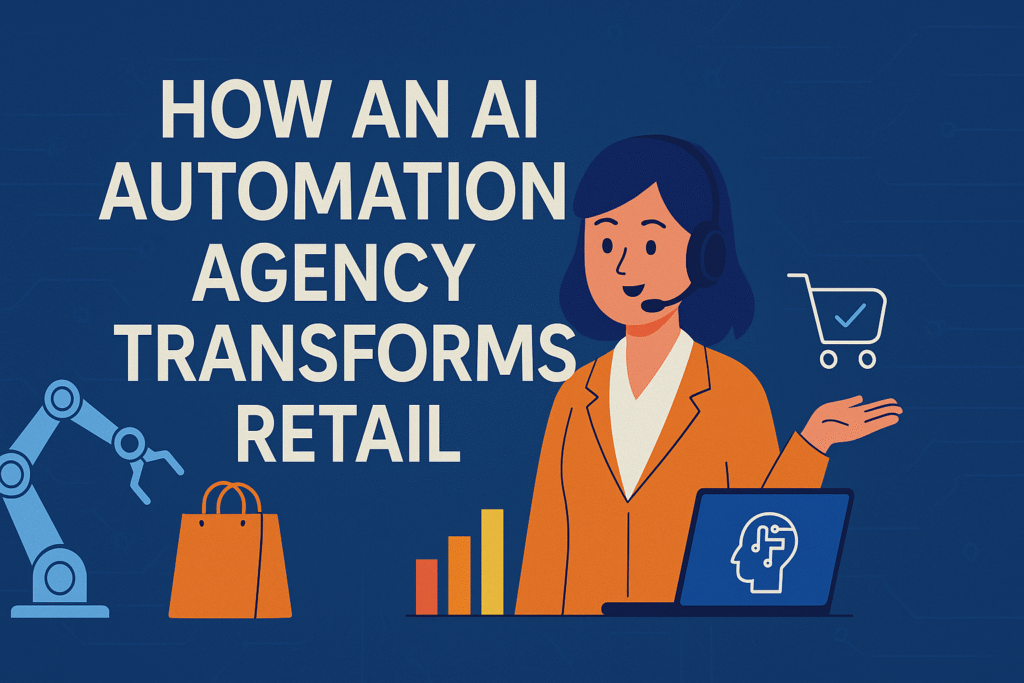
Retail is no longer just about shelves and storefronts; it’s a battleground of speed, personalization, and precision. In today’s hyper-competitive landscape, the retailers who thrive are those who adopt technologies that think faster and act smarter. This is where an AI automation agency becomes indispensable. By integrating AI-driven automation, retailers are transforming every aspect of their operations, from inventory to checkout, from marketing to customer experience. But what does this transformation look like in the real world? And why are agencies specializing in AI automation becoming such a vital part of the retail success formula? Let’s break it down. How AI Automation Agencies Revolutionize Retail Operations The power of AI automation lies in its ability to mimic human decision-making at scale, only faster and more accurately. AI automation agencies bring this capability to retailers through tailored solutions that streamline processes, boost performance, and cut inefficiencies. Here’s how it works in practice: 1. Intelligent Inventory Management AI algorithms can predict stock demands, detect seasonal trends, and reduce overstocking or understocking errors. Agencies implement smart systems that analyze sales data in real-time and adjust inventory strategies accordingly. Benefit: Up to 30% reduction in inventory costs Use Case: Automated restocking based on predictive analytics 2. Personalized Customer Engagement AI automation enables hyper-personalized experiences across digital and physical retail channels. From dynamic product recommendations to chatbots handling customer queries, agencies design end-to-end customer journeys that feel intuitive and responsive. Benefit: Increases conversion rates by 20–25% Use Case: Personalized marketing emails and product suggestions 3. Automated Pricing Optimization Retailers no longer rely on manual markdowns or static pricing models. AI automation agencies set up systems that monitor competitor prices, supply changes, and consumer demand in real time. Benefit: Improves profit margins without sacrificing competitiveness Use Case: Dynamic pricing updates across multiple platforms 4. AI-Powered Fraud Detection Retail fraud continues to evolve, but so do AI-powered defenses. Agencies provide solutions that analyze purchasing patterns to flag unusual activity before losses occur. Benefit: Up to 80% accuracy in real-time fraud alerts Use Case: Automated detection of payment anomalies and return fraud Why Retail Needs AI Automation Now More Than Ever As consumer behavior shifts and online competition grows, traditional retail methods are proving too slow and error-prone. Retailers are under pressure to adapt instantly to fluctuating trends, rising operational costs, and tighter customer expectations. AI automation offers relief in several high-impact areas: Speed of decision-making Real-time data visibility Lower operational overhead Scalable customer service Consistent omnichannel experiences Agencies bring the technical depth and domain understanding required to execute AI solutions without disrupting the business. When Retailers See ROI: The Data Speaks Let’s look at a few industry stats that show the concrete benefits of adopting AI automation in retail: MetricValue Achieved by AI AutomationForecasting accuracyUp to 85%Customer satisfaction scoresIncrease by 30–40%Reduction in returns25% decrease with better matchingCheckout time improvement40% faster on averageCost reduction in operations20–35% across key processesThese numbers aren’t projections—they’re being realized by forward-thinking retailers who’ve partnered with AI automation experts. Where the Transformation Happens: Real-World Examples AI automation isn’t limited to high-end ecommerce. Agencies are deploying solutions across various retail sectors, including convenience stores, supermarkets, apparel, electronics, and specialty goods. Example 1: A Regional Fashion Retailer With AI-powered inventory prediction, a mid-size fashion retailer cut seasonal overstocking by 28%, reducing storage and markdown losses significantly. Example 2: A Chain of Grocery Stores Using AI chatbots for online orders and customer service, this grocer reduced response time by 80%, improving customer retention. Example 3: A Niche Electronics Brand Implemented AI-driven price optimization tools and saw a 17% uplift in profit margins within six months. Who Should Partner with an AI Automation Agency? The benefits of AI automation aren’t just for enterprise giants. Any retail business that deals with: High inventory turnover Diverse customer base Multi-channel selling Manual back-office processes Scaling pain points …can benefit from the strategic insight and execution that a specialized AI automation agency offers. Whether you’re a local boutique or a rapidly expanding retail chain, an agency can build tailored automation workflows that evolve with your business. What Makes an AI Automation Agency a Strategic Partner? Unlike hiring internal developers or using off-the-shelf tools, agencies provide: End-to-end consultation: From discovery to implementation Custom-built workflows: Aligned with your business logic Toolstack integration: Harmonizing with existing platforms Ongoing optimization: AI models learn and improve with time Scalability: Modular designs for growing needs This partnership allows retailers to focus on what they do best—selling and delighting customers—while the agency handles the tech backend. Reflecting on the Future: Retail’s AI-Powered Road Ahead AI automation in retail is not a trend—it’s the infrastructure of the future. From predictive insights to real-time customer personalization, retailers who invest now are positioning themselves for long-term dominance. As the retail landscape becomes increasingly complex, only those equipped with the right intelligence tools will stay ahead. AI automation agencies provide the expertise, precision, and strategy needed to thrive in this new digital-first retail era. Product Siddha empowers modern retailers to harness these advantages, turning complexity into opportunity and potential into performance.

MarTech Implementation
Blog, MarTech Implementation

How and What Powers MarTech Implementation for Business Success

How and What Powers MarTech Implementation for Business Success In today’s data-driven economy, the convergence of marketing and technology, known as Martech, has evolved from a trend to a strategic necessity. Martech implementation refers to the structured integration of marketing technologies into an organization’s ecosystem to improve processes, enhance customer experiences, and boost return on investment (ROI). The journey of martech implementation is not just about buying software or tools; it’s about embedding digital capabilities that align with business goals. Whether you’re a startup seeking agility or an enterprise navigating scale, martech lays the digital foundation for marketing excellence. Organizations that implement martech effectively gain the ability to automate tasks, personalize messaging at scale, analyze data in real time, and optimize cross-channel campaigns. As a result, companies achieve faster decision-making, improved lead quality, and better customer lifecycle management. What Is Martech Implementation and Why Does It Matter At its core, martech implementation is the strategic deployment of digital platforms, tools, and analytics systems that empower marketing functions. These include CRM systems, email marketing software, customer journey automation, content management, social media analytics, and AI-based personalization engines. The Need for Martech Implementation Marketing departments are no longer measured just by brand awareness but by quantifiable business impact. Here’s why martech has become indispensable: Customer-Centricity: Customers expect hyper-personalized, seamless experiences across digital channels. Martech enables you to deliver. Operational Efficiency: Automation reduces human error and accelerates marketing execution. Data Utilization: Real-time analytics improve campaign agility, segmentation, and ROI measurement. Competitive Advantage: Companies that adopt martech early gain insights faster and respond better to market trends. This isn’t just about efficiency, it’s about survival. As buyer behavior shifts and digital channels multiply, businesses without a structured martech strategy risk falling behind. Who Should Drive Martech Implementation? The success of any martech implementation hinges on a cohesive alliance between marketing, IT, and leadership teams. It is not just a technical project or a marketing initiative; it’s a business transformation. Key Stakeholders Include: CMOs & Marketing Leaders: Define strategic goals, customer journey maps, and KPIs. CTOs & IT Teams: Ensure system compatibility, cybersecurity, and scalability. Data Analysts: Translate raw data into actionable insights. Sales Teams: Use martech to track and qualify leads. External Consultants or Vendors: Guide platform selection and implementation best practices. True martech success occurs when these stakeholders align on goals, processes, and timelines, driving both innovation and accountability. When Is the Right Time to Implement Martech? Timing can define success. While there’s no one-size-fits-all answer, these are telltale signs your business is ready: Rapid growth causing misalignment between marketing and operations. Declining campaign performance despite increased effort or budget. Low visibility into marketing attribution or customer insights. Siloed teams and tools leading to duplicated efforts and inconsistent messaging. Desire to move from manual, repetitive tasks to intelligent automation. Ideally, martech implementation should begin before digital maturity becomes an issue. Proactive adoption positions your business for scalability and resilience. Where Martech Implementation Makes the Most Impact Martech touches every aspect of modern marketing, from content to conversion, and has transformative effects across industries. Below are key business areas where it delivers maximum value: Customer Experience and Engagement Martech enables omnichannel engagement strategies that are consistent and personalized. With the right setup, a user’s email, social media interaction, and website behavior can all feed into one seamless journey. Campaign Management Automated workflows streamline campaign creation, targeting, testing, and reporting. Platforms like customer journey builders and A/B testing tools empower marketers to fine-tune messaging in real time. Lead Generation and Nurturing By integrating CRM with marketing automation platforms, businesses can capture, score, and nurture leads more effectively, reducing sales cycles and increasing conversions. Data-Driven Decision Making Martech provides dashboards and predictive analytics, helping teams make fast, informed decisions based on real-time behavior and market trends. Compliance and Data Privacy With built-in features to manage GDPR, CCPA, and other compliance frameworks, martech tools minimize legal risks while preserving customer trust. Practical Role Across Industry Verticals In Healthcare: Martech supports patient outreach, appointment reminders, and targeted wellness campaigns through HIPAA-compliant platforms. It improves health literacy and patient retention with content personalization. In Construction: It streamlines lead nurturing, bid tracking, and project marketing, allowing construction firms to build stronger client pipelines and manage complex stakeholder relationships digitally. In Technology: Tech companies use martech to power complex product launches, manage SaaS lifecycles, and track user behavior through analytics platforms, ensuring product-market fit and faster adoption. Advantages of Martech Implementation The value of implementing a strong martech stack goes beyond tools, it’s about strategic growth. Key benefits include: Benefit Description Increased ROI Allocate budget efficiently and prove marketing value with data. Scalability Grow your marketing efforts without linear increases in cost. Speed to Market Automate repetitive tasks and launch faster. Improved Customer Insight Collect and analyze user behavior to refine targeting. Cross-Team Collaboration Centralized data and platforms foster collaboration between marketing, sales, and product teams. Steps to Successful Martech Implementation A well-orchestrated martech implementation strategy involves multiple steps that go beyond the technical installation of software. Step 1: Define Business Objectives Align martech goals with business outcomes. Focus on measurable KPIs, whether it’s increasing MQLs, improving NPS, or reducing churn. Step 2: Audit Existing Stack Identify what’s already in use, what overlaps, and what gaps exist in your current technology. Step 3: Build the Martech Blueprint Design a scalable architecture that includes tools for CRM, CMS, analytics, automation, and data management platforms. Step 4: Choose the Right Tools Select platforms based on ease of integration, user-friendliness, scalability, and support. Step 5: Train and Onboard Teams Ensure internal users understand how to use the tools. Offer training sessions, documentation, and ongoing support. Step 6: Test, Optimize, and Iterate Measure the performance of tools and processes. Refine workflows based on results and evolving needs. Challenges and Considerations While the benefits are clear, martech implementation is not without its hurdles: Change Management Resistance: Staff may resist switching from familiar processes. Data Silos: Integration challenges can prevent systems from communicating effectively. Overwhelming Tool