Product Siddha

Author name: Sahil Sanghar

Product_Management_Consulting_1024x1024
Blog, Product Management

How Product Management Consulting Fixes Roadmap Chaos and Drives Market Wins

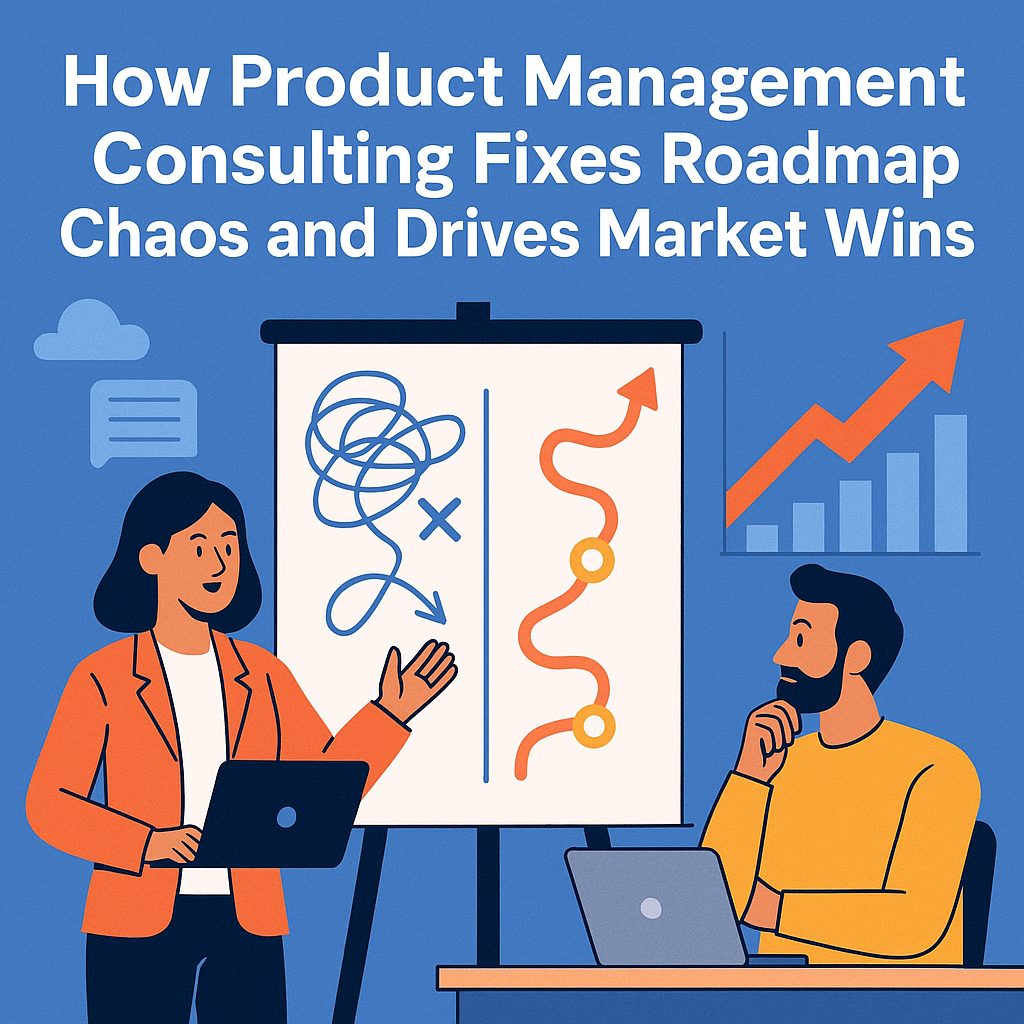
What Is Product Management Consulting? Product management consulting is a specialized service that empowers organizations to build, refine, and scale their products more effectively. At its core, it involves seasoned consultants working with companies to develop strategies, processes, and product roadmaps that align with market needs and business goals. From defining product vision to execution and lifecycle optimization, this practice provides deep insights and frameworks for success. Whether launching a new SaaS platform, refining a healthcare solution, or scaling a retail tech product, the impact of expert consultation is transformative. How Does Product Management Consulting Deliver Real Results? Product management consultants serve as strategic partners, working alongside internal teams to unlock innovation, eliminate inefficiencies, and ensure that every product decision is backed by data and market intelligence. Here’s how consulting leads to measurable outcomes: Aligning Business Goals with Product Strategy: Consultants assess existing product strategies and reshape them to directly support company objectives, growth, profitability, or market expansion. Accelerating Time-to-Market: By streamlining development workflows, identifying unnecessary delays, and implementing agile methodologies, consultants help products reach customers faster. Reducing Waste: Inefficient product development drains budgets. Consultants pinpoint where efforts and resources are misallocated and help optimize for ROI. Driving User-Centered Innovation: Through user research, journey mapping, and validation strategies, product consulting ensures that solutions are built for real problems and real people. Who Benefits the Most from Product Management Consulting? Product management consulting is not limited to large enterprises. Its value extends across various company sizes and sectors: Startups: Benefit from expert frameworks to bring structure to ideation and MVP launches. Mid-Sized Companies: Leverage consulting to scale their offerings and formalize product operations. Enterprises: Optimize product portfolios, lead innovation initiatives, and overcome bureaucratic bottlenecks. Non-Tech Industries (e.g., Healthcare, Education, Manufacturing): Apply digital product principles to physical or service-based offerings. Why Product Management Consulting Matters in Today’s Market The stakes for product success have never been higher. Customers are more discerning, competitors are faster, and technologies evolve rapidly. In this dynamic environment, the margin for error is razor-thin. Here’s why companies are increasingly turning to consultants: Complexity of Product Ecosystems: Digital products often integrate with multiple platforms and teams. Expert guidance helps navigate this complexity smoothly. Need for Agility: With shifting market conditions, companies must be adaptable. Consultants embed agile thinking and methodologies into team culture. Data-Driven Decision Making: Consultants implement analytics tools and performance KPIs to shift teams from guesswork to strategic execution. When Is the Right Time to Engage a Product Management Consultant? While product consulting adds value at every stage, certain moments especially benefit from expert involvement: Business Scenario Value of Product Consulting Launching a New Product Validate the idea, define roadmap, reduce risk Experiencing Market Saturation Identify differentiation strategies, explore adjacent markets Post-Merger or Acquisition Integrate product lines, align cross-functional teams Declining Product Performance Revive product growth, analyze user churn, uncover root causes Scaling Teams or Product Lines Establish governance, standardize processes, optimize portfolios Where Product Management Consulting Makes the Biggest Impact Industries that handle customer-centric innovations or complex product cycles stand to gain the most. Let’s examine real-world impact across domains: Technology Sector Tech companies thrive on speed and disruption. Consultants provide playbooks for lean product development, roadmap validation, and rapid iteration. They also help bridge gaps between engineering, UX, and business teams to reduce silos. Healthcare & MedTech In regulated environments, products must meet compliance while serving patients effectively. Consultants help map the patient journey, incorporate HIPAA-compliant design strategies, and accelerate digital health innovation. Financial Services Fintech product teams benefit from guidance in launching secure, scalable platforms. Consultants assist with prioritizing features, optimizing onboarding flows, and maintaining trust through user-centered compliance. Retail & E-Commerce Consumer expectations evolve fast. Consultants guide the implementation of personalized product experiences, loyalty-driven roadmaps, and omnichannel strategies that drive engagement and conversion. Manufacturing & Industrial Digitization is changing the landscape here. Product consultants help companies turn traditional offerings into smart, connected solutions—boosting efficiency and value-added services. The Key Advantages of Partnering with Product Management Consultants Advantage Description Objective External Expertise Neutral perspective on team strengths, market opportunities, and risks Process Optimization Standardized workflows, agile training, and streamlined prioritization Strategic Clarity Clear product visions tied directly to business metrics Resource Efficiency Improved ROI through focused development and lean experimentation Market Fit Acceleration Deeper customer insight leading to validated, desirable solutions Cross-Functional Alignment Unifies marketing, engineering, sales, and support around product vision Why Product Siddha Is the Right Partner At Product Siddha, we blend deep domain experience with forward-thinking product strategies tailored for modern teams. Our consultants understand the pulse of technology, business, and user behavior, offering you a holistic and actionable plan to ensure your product’s success. 📞 Call us today at +91 98993 22826 to discover how we can elevate your product vision from idea to impact. Conclusion Product management consulting is not just a temporary fix, it is a strategic accelerator. In a hyper-competitive, innovation-driven market, companies that invest in expert product strategy consistently outperform those that don’t. With the right consulting partner, organizations gain more than guidance; they gain the confidence to build the right product, at the right time, for the right audience. By bridging insight, execution, and growth, product management consultants shape the future of businesses across the globe. Whether you’re building your first product or scaling your tenth, expert consulting could be the difference between average performance and industry leadership.
Product Management Agency in India
Blog, Product Management

How Product Management Agencies in India Drive Scalable Business Success

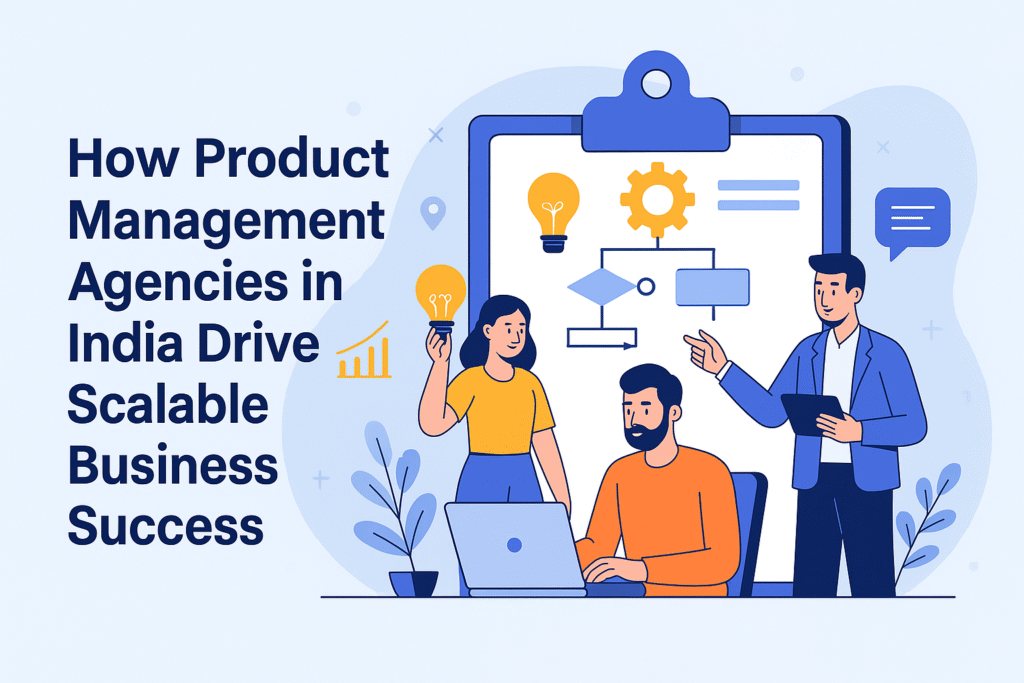
Driving Innovation and Expansion: The Role of Product Management Agencies in India In a world where product success depends on speed, precision, and adaptability, businesses are increasingly turning to product management agencies in India to gain a competitive edge. These agencies don’t just manage timelines, they shape ideas, refine strategies, and deliver real results. But what exactly do they do, and how can they help businesses thrive? Product management agencies act as the bridge between innovation and execution. They bring structure to ideas, align product development with market demands, and ensure that the entire product lifecycle, from concept to launch to scale, is expertly handled. With India rapidly becoming a global tech hub, its product management firms combine world-class talent, cost-effective models, and agile thinking to support startups, SMEs, and large enterprises alike. How Do Product Management Agencies in India Work? Product management agencies typically follow an end-to-end approach tailored to each client’s business goals. Their expertise lies in understanding the market, validating ideas, defining the product roadmap, managing cross-functional teams, and consistently delivering value throughout every stage of product development. Core Areas of Involvement: Function Key Activities Product Strategy Market research, opportunity analysis, and product positioning Product Roadmap Defining goals, setting timelines, and identifying MVP features UX/UI Collaboration Translating user needs into intuitive design Development Oversight Agile management, sprint planning, and release tracking Launch Planning Go-to-market strategy, feedback loops, iteration cycles Post-Launch Performance monitoring, optimization, and scaling Agencies in India offer a unique advantage: access to highly skilled product managers, analysts, designers, and developers, all under one roof, providing a seamless and cost-efficient workflow that global companies often struggle to match elsewhere. Why Choose a Product Management Agency in India? 1. Depth of Talent, Breadth of Experience India’s tech ecosystem is home to some of the most experienced product minds in the world. From SaaS platforms and fintech apps to AI-driven tools and B2B solutions, Indian agencies have worked across sectors, offering insights grounded in hands-on experience. 2. Cost-Efficiency Without Compromise Hiring and maintaining an in-house product team is costly and time-consuming. Agencies in India provide access to complete cross-functional expertise at a fraction of the cost, making it ideal for startups and growing companies looking to maximize ROI. 3. Faster Time to Market Speed is everything. Indian agencies, with their agile processes and time-zone advantage, help companies bring products to market faster without sacrificing quality or strategy alignment. 4. Cultural Flexibility and Communication India’s professional workforce is trained for global collaboration. Most product teams are fluent in English, familiar with Western business processes, and capable of aligning with clients’ operational models across the US, UK, and Europe. What Industries Benefit Most from These Services? While product management is essential across all industries, certain sectors particularly thrive when partnered with expert agencies: Technology From AI to SaaS, Indian product managers understand fast-changing tech trends, helping software companies build scalable, user-focused platforms. Healthcare In a domain driven by compliance and usability, agencies assist in creating HIPAA-compliant digital health products with patient-friendly interfaces. Fintech Fintech products demand high security and intuitive design. Agencies deliver both, ensuring adherence to regulations while enhancing user engagement. E-Commerce Customer experience and inventory management are key in e-commerce. Product managers streamline backend systems while ensuring seamless UX. EdTech Learning tools must be both engaging and adaptable. Agencies help define feature sets that support student engagement and educator effectiveness. Where Do These Agencies Excel Compared to In-House Teams? While internal product teams understand your brand deeply, agencies bring fresh perspectives, tried-and-tested frameworks, and external benchmarks. They introduce scalable systems, uncover blind spots, and often accelerate innovation where internal teams may face roadblocks. In-House Product Teams Product Management Agencies in India Brand-aligned but may lack range Multi-industry expertise Limited bandwidth On-demand scalability High hiring and training costs Cost-efficient access to talent Potential tunnel vision Fresh, external perspective When Is the Right Time to Partner with a Product Management Agency? Businesses often wonder when to involve a product management agency. The answer lies in recognizing strategic inflection points, such as: Struggling to scale a product or feature set Pivoting to a new market or user base Planning a new product launch without internal capacity Failing to translate user feedback into viable features Losing market share due to delayed product timelines Whether it’s the seed stage of an idea or post-launch optimization, agencies fit in flexibly, offering modular support or complete end-to-end management depending on the need. Who Should Consider Product Management Support? Whether you’re a startup founder juggling multiple hats or a mid-sized business with a growing tech stack, product management agencies are for: Startups needing MVP validation, launch strategy, and agile support SMEs looking to digitize services or expand into new markets Global firms wanting India-based execution partners for cost and speed Investors backing product-heavy portfolios who want expert oversight With remote work now normalized, geographical boundaries have faded. A product management agency in India can easily integrate with your team, tools, and timelines, functioning like an extension of your business. Real-World Application and Long-Term Value Product management isn’t just a phase; it’s the backbone of continuous innovation. These agencies help companies stay relevant by: Tracking user behavior and translating it into roadmap decisions Aligning business goals with technical execution Leading cross-functional teams with clarity and accountability Managing priorities so teams build what matters most This results in better user retention, lower churn, faster releases, and ultimately, stronger products that win in competitive markets. Visual Snapshot: Why Product Siddha is the Smart Choice Need a quick decision guide? Here’s a comparison table to help: Key Metric Product Siddha (Agency) Traditional In-House Team Cost Lower operational cost High recurring salaries Speed Rapid MVP & release cycles Slower due to approvals Flexibility Scalable on-demand teams Rigid structure Expertise Cross-industry insights Industry-specific only Support End-to-end project delivery Often feature-specific In today’s fast-moving digital economy, businesses must move quickly, but with purpose. A product management agency in India delivers just that: strategy, speed, and execution, all backed by a team that

AI Assistants with RAG
Blog, MarTech Implementation

Elevate DTC and B2B Success with a Personalized Tech Stack Designed by Product Siddha

Elevate DTC and B2B Success with a Personalized Tech Stack Designed by Product Siddha In today’s fast-paced world, businesses need more than just good products. They need the right technology to grow. At Product Siddha, we help you build a smart, simple, and scalable tech stack that powers both DTC (Direct-to-Consumer) and B2B marketing operations. What Is a B2B Marketing Operations Tech Stack? A tech stack is the group of tools and software your business uses to run marketing smoothly. This can include systems for email, websites, data tracking, ads, and customer service. When these tools work together, they help you save time, make smart decisions, and grow faster. As a top B2B Marketing Operations Agency, Product Siddha builds stacks that fit your unique business goals. Why You Need the Right Tools for the Job Using too many tools or the wrong tools can slow you down. Many businesses fall into the trap of choosing quick fixes, such as outdated CRMs or marketing automation platforms that don’t scale. These can break later, cause confusion, or stop working well together. At Product Siddha, we look ahead. We choose tools that grow with your business and help you avoid costly mistakes in the future. Whether it’s HubSpot for marketing automation, Salesforce for CRM, Slack for team communication, or Notion for knowledge management, we make sure every piece fits together seamlessly. Think Long-Term – We plan your tech stack for lasting success, choosing scalable platforms like Google Cloud or AWS to support growth. Pick Smart Tools – We select tools based on support, flexibility, and ease of use, like Zapier for automation, Asana for project management, or Mixpanel for analytics. Stay Ready for Change – We help you adapt quickly as technology shifts, integrating solutions like Segment for data infrastructure or Figma for collaborative design. How Data Helps You Understand Customers Better Knowing what your customers like and how they behave is gold. That’s why our tech stacks are designed to collect and organize customer data in smart ways. We connect tools like CRMs and analytics platforms to give you clear insights into what works. Want to know where users drop off on your site? Need to track which ad got the most sales? Curious what customers think after purchase? We make that easy. As a trusted B2B Marketing Operations agency, we turn your data into action. Be Quick to Listen, Fast to Improve Feedback is powerful. Product Siddha builds feedback tools right into your system. This means you can hear from customers, fix problems fast, and improve your product based on real voices, not just guesses. Use forms and surveys to get quick feedback Use support tools to talk to customers faster Improve your service based on real-time input When your business listens well, it grows stronger. Don’t Let Tech Debt Hold You Back Tech debt is what happens when you choose fast solutions now that cause big problems later. It might save time today, but it costs more tomorrow. At Product Siddha, we avoid this by: Choosing solid, scalable tools Avoiding short-term patches Keeping systems updated and clean Your tech should help you move forward, not slow you down. Keep Customer Trust with Thoughtful Messaging Marketing is powerful, but if you push too hard, customers will leave. We help you use marketing tools like email and text messaging wisely. Your messages should feel helpful, not annoying. Send messages at the right time Use in-app messages to guide, not distract Balance automation with empathy With our support, your communication stays clear, kind, and effective. Work Smarter with a B2B Marketing Operations Agency That Gets You At Product Siddha, we don’t just toss tools at your team. We learn your goals, audit your current tools, and create a system that’s built to last. Our team helps with: Marketing automation CRM integration Analytics and reporting Customer experience tools Martech support We’ve helped DTC brands and B2B teams build systems that work, and keep working as they grow. Ready to Power Up Your B2B Marketing Operations? Don’t let tech confusion slow your team down. Let Product Siddha build a smart, clean, and future-ready tech stack for your DTC or B2B brand. Let’s build your dream marketing system, together. Contact Product Siddha today and take the first step toward smarter growth. Need help? We’re ready to talk. Book a free consult now with our experts in B2B Marketing Operations and see how easy growth can be, with the right stack.

AI Assistants with RAG
Blog, Product Management

5 Game-Changing Benefits of Using Customer Insights in Product Planning

5 Game-Changing Benefits of Using Customer Insights in Product Planning In today’s digital world, building products without customer input is a recipe for failure. Successful companies understand that customer-led product planning is the key to creating solutions people want. By listening to your users and understanding their needs, you can shape products that solve real problems and bring real value. This blog explores how customer-led product planning works and why it should be at the center of your product development strategy. What is Customer-Led Product Planning? Customer-led product planning means using feedback, data, and behavior insights from your customers to shape the way your product is built and improved. Instead of guessing what your users want, you learn directly from them. It’s about making decisions based on real-world needs and expectations. This approach helps businesses create better products, improve user satisfaction, and reduce wasteful spending on features no one wants. Why Does Customer-Led Product Planning Matter? When businesses guess or assume what customers want, they often build the wrong thing. With customer-led product planning, you save time, money, and effort by aligning your product roadmap with what your users truly need. You avoid building features that don’t get used and focus on delivering what matters. Plus, customers feel heard and valued when their voices shape your products. This builds trust and long-term loyalty. Key Benefits of Customer-Led Product Planning   1. Builds Products That Solve Real Problems One of the most important advantages of customer-led product planning is its ability to guide teams in building features that solve real problems. Instead of relying on internal assumptions or copying what competitors are doing, this approach uses direct customer input to identify true pain points. By listening to the voice of the customer early and often, businesses can align their product development with what users want and need. When your product addresses real challenges, it becomes more relevant in the market. Customers are far more likely to adopt, use, and recommend a product that directly impacts their daily lives. This connection between product and user boosts engagement, shortens the learning curve, and encourages long-term loyalty. In today’s fast-paced digital world, building the right product is what makes all the difference. 2. Boosts Customer Satisfaction and Retention Customer-led product planning creates a stronger bond between your brand and your users. When customers see their feedback being heard and implemented, it increases their trust and emotional investment in your product. They no longer feel like passive users, they become co-creators who have a say in shaping the solutions they use. This increased involvement leads to better customer satisfaction. Happy users are more likely to stick around, upgrade their plans, and even become advocates for your brand. Retention rates rise when users feel valued and understood. That’s why many modern businesses place customer input at the center of their strategy, because satisfied customers are the foundation of sustainable growth. 3. Helps You Stay Ahead of Competitors In any industry, competition is fierce, and customer needs can shift quickly. Businesses that rely only on internal roadmaps risk falling behind. On the other hand, companies that follow a customer-led approach are better equipped to detect new trends, adapt their offerings, and stay relevant in changing markets. When you regularly gather feedback and monitor customer behavior, you start seeing patterns that hint at what users will want next. This gives you a head start on refining your product strategy before competitors catch on. Rather than reacting to changes, your team is positioned to lead the way. Customer-led product planning doesn’t just keep you in the game; it helps you win it. 4. Reduces Wasted Time and Costs Traditional product planning can be expensive and inefficient. Building features based on assumptions often results in tools or functions that users don’t care about. This not only wastes development time and resources, it can also confuse or overwhelm users, leading to poor adoption rates. Customer-led product planning helps avoid these pitfalls by focusing your team’s energy on features with real demand. Every product decision is backed by evidence, feedback, usage data, or behavioral insights. As a result, teams can prioritize what matters most and deliver updates that make an impact. This streamlined focus saves money, speeds up delivery cycles, and leads to a better return on investment. 5. Increases Product Team Focus and Confidence When product teams operate without clear customer direction, they often struggle with decision-making. It becomes difficult to determine which features to prioritize, what design to choose, or how to measure success. This can lead to delays, confusion, and low morale. By implementing customer-led product planning, teams gain clarity. They know exactly why they’re building something and who it’s for. This shared understanding fosters better communication across departments, increases motivation, and accelerates progress. When teams are confident that they’re meeting real customer needs, the quality and speed of their work improve, leading to a better experience for both users and the company. How to Start Using Customer-Led Product Planning   Listen to Customer Feedback Often Use surveys, feedback tools, support tickets, and interviews to gather customer insights. Don’t wait for a product issue to ask what’s wrong. Make feedback a regular part of your product planning process. Study Usage Data Sometimes users don’t say what they need, but their behavior tells you. Use analytics to see what features are popular, which ones are ignored, and where users struggle. Customer-led product planning depends on both direct and indirect input. Create a Feedback Loop Let users know their feedback is being used. Share product updates that reflect user suggestions. Keep the loop going by checking back to see if new changes meet their needs. This builds trust and encourages more helpful feedback in the future. Involve the Whole Team Customer-led product planning is not just for product managers. Involve developers, designers, marketers, and even support teams. Everyone benefits from knowing what customers want and how they feel. Make Customer Needs the Heart of Your Strategy Customer-led product planning is

AI Automation Agency
AI Automation, Blog

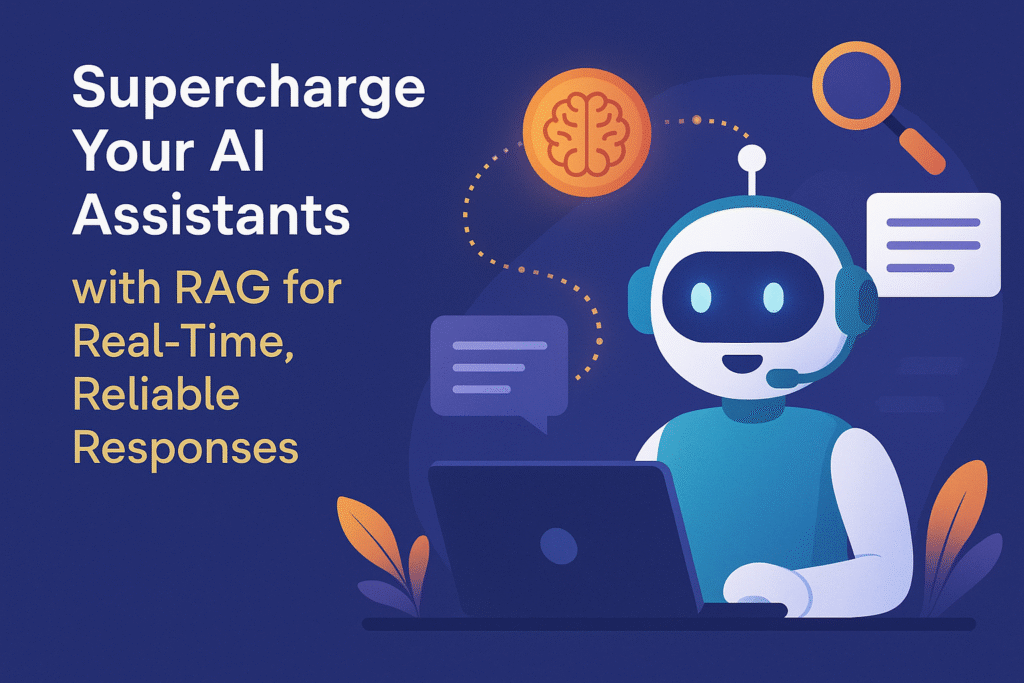
Supercharge Your AI Assistants with RAG for Real-Time, Reliable Responses

Supercharge Your AI Assistants with RAG for Real-Time, Reliable Responses In today’s fast-paced digital world, businesses need smarter and faster tools to serve their customers better. One of the best ways to make your AI assistants more powerful is by using RAG – Retrieval-Augmented Generation. This simple yet smart technology enables your AI to provide better, more accurate answers when users need them. with an experienced AI Automation Agency can help you implement RAG effectively and maximize its potential. What Is Retrieval-Augmented Generation (RAG)? Retrieval-Augmented Generation, or RAG, is a method that combines two powerful AI tools: one that searches for the right information (retrieval) and another that uses that info to create a clear answer (generation). Instead of depending only on what the AI already knows, RAG pulls fresh and trusted data from outside sources in real-time. This makes your AI smarter, faster, and more useful. It’s like giving your AI assistant a way to look up correct answers before speaking. Why RAG Is a Game-Changer for AI Assistants Regular AI assistants can sometimes give wrong or outdated information. That’s because they depend on what they were trained on—usually a snapshot of the internet from the past. But with Retrieval-Augmented Generation, your AI pulls in up-to-date, accurate information from live databases, trusted documents, or your own knowledge base. That means your business gives better answers, builds more trust, and saves time by not correcting wrong replies. Top Benefits of Using RAG in Your AI Real-Time, Accurate Answers RAG helps your AI give instant answers based on current and relevant information, not old training data. Better Customer Support Your AI assistant can now handle more complex questions by searching trusted sources first. This leads to fewer support tickets and happier users. Custom Responses RAG lets your AI answer based on your own data, product manuals, guides, and internal docs—so users always get replies that fit your brand and service. Saves Time and Money By cutting down errors and repeated questions, RAG reduces time spent fixing AI mistakes and improves user satisfaction. How RAG Works in Simple Steps User asks a question AI uses a retriever to find helpful content (from PDFs, wikis, websites, etc.) AI uses a generator to form a full answer using that content User gets a clear, accurate, and real-time response It’s like giving your AI a supercharged brain and a reliable memory! Where Can You Use RAG? You can use Retrieval-Augmented Generation in many places: Customer service chatbots Internal helpdesk bots eCommerce product support Healthcare AI tools Banking and finance support bots Education and learning platforms Wherever you need your AI to be right, fast, and helpful, RAG makes it happen. Make Your AI Smarter with Product Siddha At Product Siddha, we help you bring RAG into your business. Whether you have a chatbot, voice assistant, or custom AI tool, we can help you add real-time search and generation features to make them smarter and more helpful. We use top tools and expert planning to connect your AI assistant with live content, structured documents, and secure sources. This means your users get quick, reliable answers every time. Ready to Supercharge Your AI? If you want your AI to answer better, faster, and smarter, it’s time to switch to RAG. Product Siddha is here to guide your business step-by-step. Whether you need help setting up, training, or scaling your AI assistant, we’re just a call away. Let your AI grow smarter with RAG. Call us today at+91 98993 22826 to get started. Don’t wait for your users to get tired of bad answers. Let us help you build AI that works right the first time. Call now or visit Product Siddha and start building better AI today.

AI Automation
AI Automation, Blog

Smart Moves: How Small Businesses Can Win with AI Automation in 2025

Smart Moves: How Small Businesses Can Win with AI Automation in 2025 In 2025, savvy business owners are leveraging AI automation to save time, serve customers more efficiently, and expand their operations without increasing workload. You don’t have to be a big company to use AI. With the right tools and planning, even small businesses can win big. At Product Siddha, we believe that the right technology should be easy to use and help you work smarter, not harder. Why AI Matters for Small Businesses Today, AI automation services are changing how small businesses do things. AI helps with things like: Talking to customers 24/7 through smart chat tools Organizing work and saving time Making smart decisions using real data Boosting sales with better customer follow-ups According to recent reports, more than 70% of small businesses plan to use AI. That’s because it works. What Is AI Automation? AI automation means using machines and software to do tasks that people usually do. For example, sending emails to customers, answering questions, or even keeping track of your inventory. An AI automation agency can help set up these tools for your business. You don’t need to be tech-savvy. All you need is a clear goal and the right partner. How AI Can Help in CRM (Customer Relationship Management) Want to take better care of your customers? Use AI in CRM. AI tools can: Keep track of customer messages Send reminders to follow up Suggest products based on what customers like Give you reports on what’s working and what’s not With AI in CRM, your customer service becomes faster and smarter. That means happy customers – and more sales. How to Start with AI (Step-by-Step) Step 1: Know What You Need Think about what takes the most time in your business. Is it answering customer questions? Tracking orders? Sending updates? That’s where AI can help first. Step 2: Pick the Right AI Tools There are many tools out there, and some are even free or very low-cost. Some top choices are: Chatbots to answer customer questions Email tools to send automatic replies Smart planners to manage your tasks Need help choosing? A trusted AI automation agency like Product Siddha can guide you. Step 3: Train Your Team We train your team to use the tools. With easy apps like Slack, GoHighLevel, and Gumloop, anyone can learn quickly. Step 4: Test and Improve Start small. Try AI on one part of your business. Track how it helps. Then add more tools as you grow. Real Results from AI Use Small businesses that use AI have seen: Up to 70% lower costs in managing inventory Faster customer service with 24/7 chatbots More sales with smart emails and follow-ups Less stress for teams with better task management What’s Next? The Future of AI for Business In 2025 and beyond, AI will keep getting better. Expect more personal service, quicker answers, and even better tools to grow your business. The best part? You don’t have to wait. Ready to Work Smarter? If you want to grow your business and get more done with less effort, it’s time to explore AI automation services. At Product Siddha, we help small businesses just like yours. Let’s set up your AI system today, simple, fast, and made just for you. Contact Product Siddha now at +91 98993 22826 to schedule your free AI consultation. Don’t get left behind. Start using AI and grow your business the smart way. Product Siddha – Your Trusted AI Automation Agency.

Case Studies, MarTech Implementation

HubSpot Marketing Hub Setup for a Growing Fintech Brand

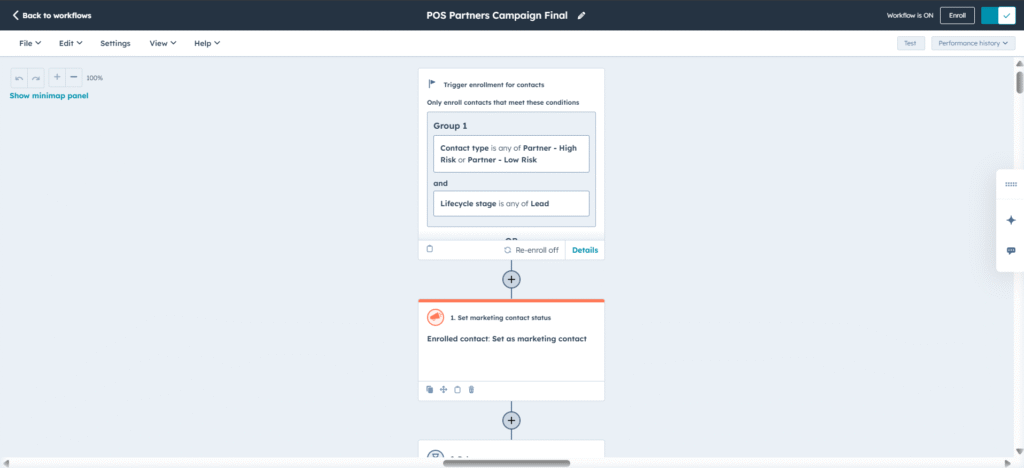
HubSpot Marketing Hub Setup for a Growing Fintech Brand Client Fast-Growing Fintech Company Service Provider Product Siddha Service MarTech Implementation – HubSpot Automation Industry Fintech / SaaS The Problem: No Easy Way to Track or Nurture Leads A fast-growing fintech company wanted to get more business partners. But they had a big problem – there was no clear system to track deals or talk to leads the right way. The marketing team didn’t have the tools to send personalized messages. The sales team couldn’t see how close a deal was to closing. Everyone was working with different tools, and that caused delays, missed follow-ups, and lost deals. They needed one powerful system to manage it all. The Solution: HubSpot Marketing Hub + Smart Automation That’s when Product Siddha stepped in. The team used HubSpot Marketing Hub to build a full system that helped both marketing and sales teams work together better. Lead Nurturing Workflows Product Siddha created custom email workflows that sent messages based on: Lead’s risk profile Where they were in the sales journey The emails were tailored to each lead so they felt personal and helpful. As leads moved through the pipeline, HubSpot updated their status automatically – so the team didn’t have to do it by hand. Sales Pipeline Setup Next, Product Siddha built a sales deal pipeline that matched the fintech brand’s full sales cycle. This pipeline: Tracked over 400 deals in real time Showed which deals were open, closed, or stuck Calculated average deal age (about 85 days) Helped sales teams know which leads to focus on first It turned the sales dashboard into a smart tool that saved time and improved follow-ups. Marketing and Sales Alignment Before, the handoff between marketing and sales wasn’t smooth. Leads were falling through the cracks. Now with HubSpot automation, every marketing-qualified lead (MQL) moved seamlessly into the sales process—with all the right lifecycle stages and triggers in place.No more guessing. No more delays. The Outcome: Smarter Sales, Stronger Marketing In just a short time, the fintech brand saw real results: A fully automated lead nurturing system that engaged the right people with the right message A clear, visual deal pipeline that helped close more deals faster Better teamwork between marketing and sales with no leads missed Real-time performance insights from the dashboard HubSpot became the single source of truth for both teams. Conclusion: HubSpot Automation That Powers Fintech Growth With help from Product Siddha, this fintech brand now runs a smarter, faster partner acquisition process. Thanks to the HubSpot Marketing Hub setup, lead engagement and deal tracking became seamless. This is how modern MarTech implementation should work – clear, simple, and powerful.

Case Studies, MarTech Implementation

Boosting Email Revenue with Klaviyo for a Shopify Brand

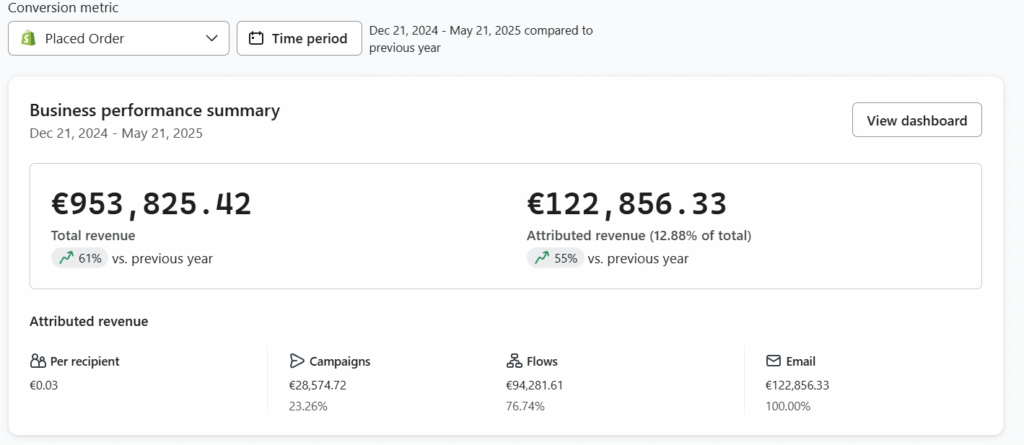
Boosting Email Revenue with Klaviyo for a Shopify Brand Client Leading Shopify Brand (EU Region) Service Provider Product Siddha Sevice MarTech Implementation – Email Marketing Automation Industry E-commerce / Shopify The Problem: Email Marketing Was Not Working Well A popular Shopify brand in Germany was struggling to get results from their email marketing. They had: Poor email open and click rates Outdated email designs Unorganized and messy contact lists No behavior-based automation flows Even though they had many customers, their email revenue was low. They knew they needed a better system to reach more people and make more sales through email. The Solution: Smart Klaviyo Setup and Email Flow Strategy That’s where Product Siddha came in. The team started with the German store and used Klaviyo, a top tool for email automation for Shopify, to fix and improve everything. Better Email Designs and List Cleanup Re-designed emails to look more modern and user-friendly Removed inactive or fake emails to improve deliverability Created clear segments based on customer actions like purchase history and product views Behavior-Based Automation Flows Set up targeted email flows that were based on what users actually did, such as: Welcome series for new customers Abandoned cart reminders Product view follow-ups Win-back emails for old customers These flows helped the brand stay connected with shoppers and bring them back to the store at the right time. Scaling to Other EU Markets After strong results in Germany, Product Siddha rolled out the same setup for three more Shopify stores in: France The Netherlands Spain Each store had localized content and email strategies tailored to their market. The Outcome: Big Growth in Email Revenue The results were impressive and fast: 55% increase in email-attributed revenue for the German store within 6 months (year-over-year) Product Siddha now manages a €2.5 million email marketing portfolio across 4 countries Higher open rates, click rates, and customer return rates Better customer experience with personalized, timely emails Product Siddha turned email marketing into one of the brand’s top growth channels. Conclusion: Smart Email Automation That Grows EU Shopify Brands By using Klaviyo and focusing on behavior-based flows, Product Siddha helped this Shopify brand grow fast across Europe. With better design, smarter segments, and market-specific strategies, email became a powerful tool again. This case shows how the right MarTech implementation can turn email into a money-making machine.

Case Studies, Product Management

Building the World’s First AI-Powered Networking Assistant

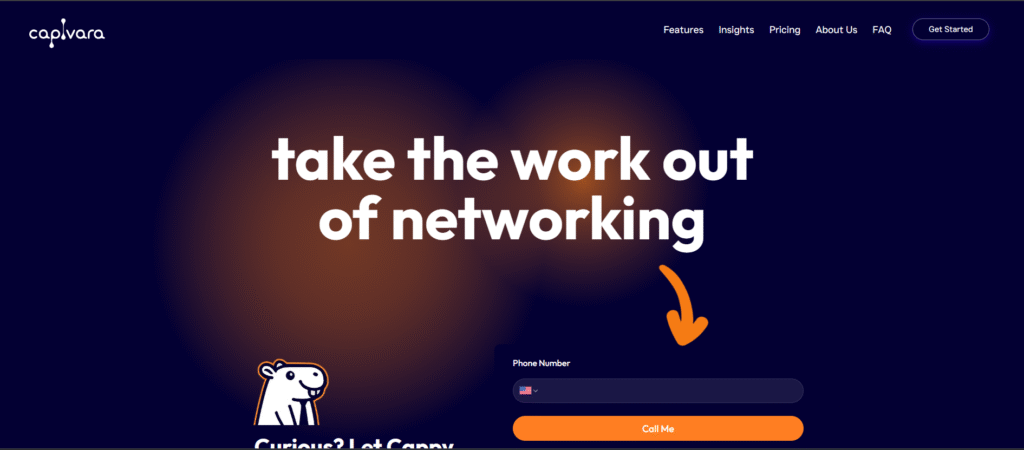
Building the World’s First AI-Powered Networking Assistant Client Capivara – AI Networking App Service Provider Product Siddha Service Product Management & MVP Development Industry Career Tech / AI / Professional Networking The Problem: Turning a Big AI Idea into a Real Product Capivara had a big vision: create the world’s first AI-powered networking assistant. This app would help people connect with others in their industry, find career opportunities, and grow their network – automatically. But there were some tough challenges: The idea was still very early. There was no working product – only a concept. The Capivara team needed help with everything: planning, design, and building the app from scratch. They had to move fast to test the idea and attract users. The Solution: Full Product Management by Product Siddha Product Siddha stepped in as the end-to-end product partner, working closely with Capivara from the very first idea through the MVP launch. Product Management from Day One Product Siddha took the lead in planning the project from scratch. This included: User journey mapping to understand how users would move through the app Writing a clear Product Requirements Document (PRD) Designing wireframes for the first version of the product Managing the project timelines and team collaboration MVP Development and Deployment The team built and launched the Minimum Viable Product (MVP) with a smart focus on core features: AI-powered matchmaking for professional networking Easy onboarding for users looking for job leads or connections A simple, user-friendly web platform that worked from day one Product Siddha worked with developers to make sure the product was delivered on time, met technical needs, and was ready to go live. The Outcome: 500+ Signups in Just 6 Weeks Thanks to the fast and focused product work: Capivara launched the MVP quickly, getting it into users’ hands for real-world feedback The platform gained over 500 professional signups in just six weeks The AI networking assistant started connecting users to headhunters and experts in their domain based on their interests and skills Early traction helped the startup attract attention from partners and potential investors The project proved the concept worked—and that there was a real need for AI-powered tools in the networking space. Additional Information: PRD CapiVara (1) (1) Conclusion: Product Management That Brings AI Ideas to Life By guiding Capivara from idea to MVP, Product Siddha turned a bold vision into a working product with real users and real results. With smart product planning, strong execution, and clear communication, Product Siddha shows how the right product management support can launch the next big thing in AI and career networking.

Case Studies, Product Management

Product Management for UAE’s First Lifestyle Services Marketplace

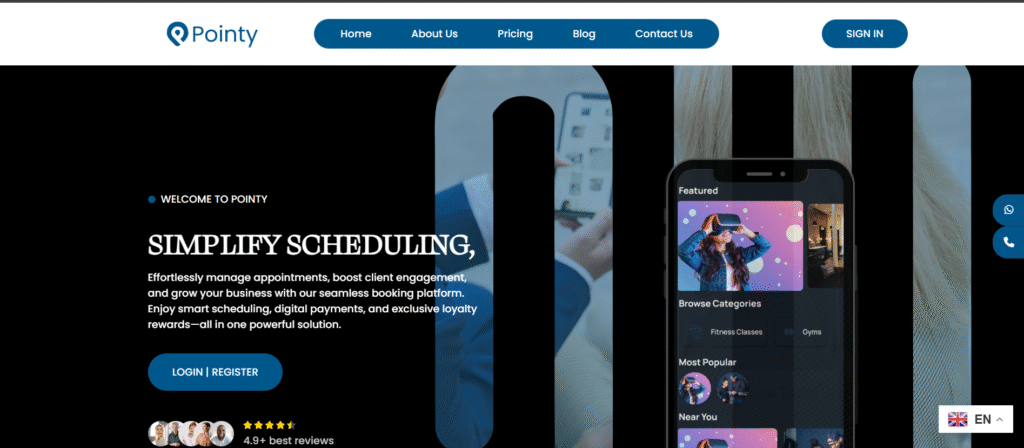
Product Management for UAE’s First Lifestyle Services Marketplace Client Pointy – A SaaS Platform for Salons & Gyms Service Provider Product Siddha Industry Health, Fitness & Beauty Tech Service Full-Cycle Product Management The Problem: Building a New Marketplace from Scratch A startup called Pointy wanted to build a first-of-its-kind marketplace in the UAE for fitness and beauty services. The goal was to create a platform where users could easily find salons, spas, and gyms in their area – and where vendors could showcase and manage their services online. But the challenges were big: There were no similar platforms in the UAE market to learn from. Pointy needed to build three different products at the same time: A vendor website for business sign-ups A B2C mobile app for users to explore and book services An AI-powered co-pilot that helped users with fitness and beauty goals They needed a product management partner who could lead from idea to execution, fast. The Solution: End-to-End Product Management by Product Siddha Product Siddha became the full product management partner for Pointy, owning the process from start to finish. Led Technical Strategy & Product Roadmap Product Siddha worked closely with the founders to define a clear product vision, roadmap, and go-to-market strategy. They made sure every team, from developers to designers, was aligned on goals and timelines. Built 3 Core Products in Sync Vendor Website: Made it easy for salon and gym owners to join, upload their info, and manage bookings. B2C App: Designed for users to search, filter, and book services quickly. It focused on great UX and mobile-first design. AI Co-Pilot: A new tool that acted like a smart guide—helping users with recommendations on fitness and beauty routines. It was the first of its kind in the region. Achieved Early Market Validation Within just one month of launching, the platform had already signed up 5 active salons. This early traction showed that there was strong demand in the market. It gave the startup proof that their idea worked—and gave investors confidence too. The Outcome: A Solid Start for a Big Vision With Product Siddha as their PM partner, Pointy was able to: Launch faster by aligning teams and focusing on MVP features Get real user feedback early to shape future updates Create a complete digital ecosystem with vendor tools, customer app, and AI innovation Validate product-market fit by securing salon sign-ups and building initial brand trust The foundation built during this phase set the stage for future growth, funding, and expansion in the UAE’s wellness and beauty tech space. Conclusion: Product Management That Turns Vision into Real-World Traction By guiding product development from idea to early market success, Product Siddha helped Pointy build a strong launchpad for its lifestyle services platform. With smart strategy, fast execution, and a user-first mindset, Product Siddha proves that the right product management partner can make all the difference.