
Product Siddha

Product Management

Product Management Agency in India
Blog, Product Management

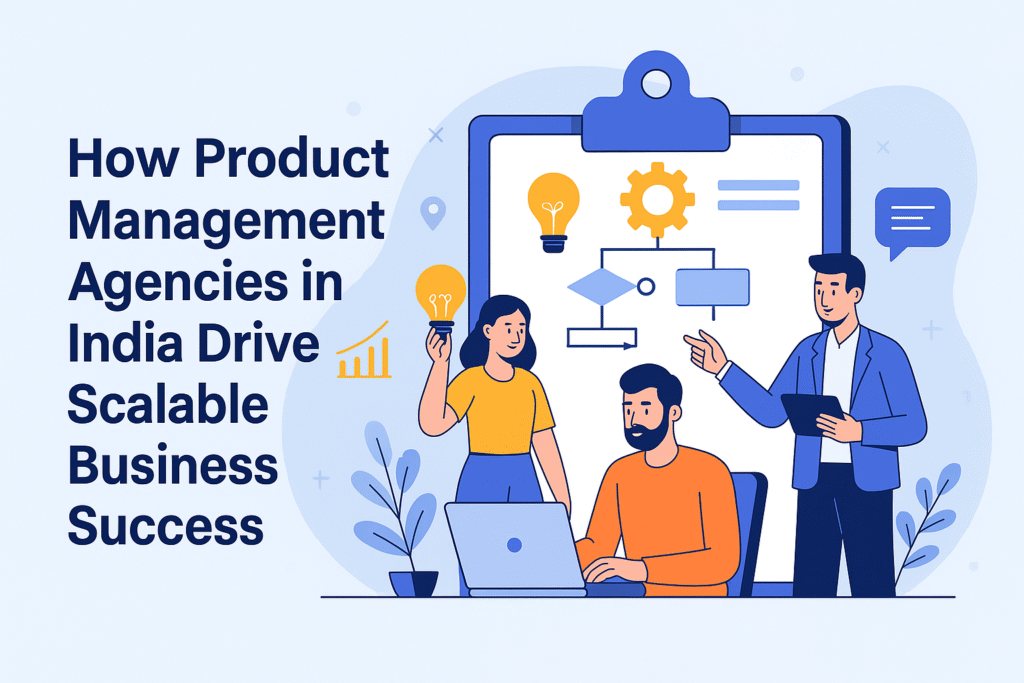
How Product Management Agencies in India Drive Scalable Business Success

Driving Innovation and Expansion: The Role of Product Management Agencies in India In a world where product success depends on speed, precision, and adaptability, businesses are increasingly turning to product management agencies in India to gain a competitive edge. These agencies don’t just manage timelines, they shape ideas, refine strategies, and deliver real results. But what exactly do they do, and how can they help businesses thrive? Product management agencies act as the bridge between innovation and execution. They bring structure to ideas, align product development with market demands, and ensure that the entire product lifecycle, from concept to launch to scale, is expertly handled. With India rapidly becoming a global tech hub, its product management firms combine world-class talent, cost-effective models, and agile thinking to support startups, SMEs, and large enterprises alike. How Do Product Management Agencies in India Work? Product management agencies typically follow an end-to-end approach tailored to each client’s business goals. Their expertise lies in understanding the market, validating ideas, defining the product roadmap, managing cross-functional teams, and consistently delivering value throughout every stage of product development. Core Areas of Involvement: Function Key Activities Product Strategy Market research, opportunity analysis, and product positioning Product Roadmap Defining goals, setting timelines, and identifying MVP features UX/UI Collaboration Translating user needs into intuitive design Development Oversight Agile management, sprint planning, and release tracking Launch Planning Go-to-market strategy, feedback loops, iteration cycles Post-Launch Performance monitoring, optimization, and scaling Agencies in India offer a unique advantage: access to highly skilled product managers, analysts, designers, and developers, all under one roof, providing a seamless and cost-efficient workflow that global companies often struggle to match elsewhere. Why Choose a Product Management Agency in India? 1. Depth of Talent, Breadth of Experience India’s tech ecosystem is home to some of the most experienced product minds in the world. From SaaS platforms and fintech apps to AI-driven tools and B2B solutions, Indian agencies have worked across sectors, offering insights grounded in hands-on experience. 2. Cost-Efficiency Without Compromise Hiring and maintaining an in-house product team is costly and time-consuming. Agencies in India provide access to complete cross-functional expertise at a fraction of the cost, making it ideal for startups and growing companies looking to maximize ROI. 3. Faster Time to Market Speed is everything. Indian agencies, with their agile processes and time-zone advantage, help companies bring products to market faster without sacrificing quality or strategy alignment. 4. Cultural Flexibility and Communication India’s professional workforce is trained for global collaboration. Most product teams are fluent in English, familiar with Western business processes, and capable of aligning with clients’ operational models across the US, UK, and Europe. What Industries Benefit Most from These Services? While product management is essential across all industries, certain sectors particularly thrive when partnered with expert agencies: Technology From AI to SaaS, Indian product managers understand fast-changing tech trends, helping software companies build scalable, user-focused platforms. Healthcare In a domain driven by compliance and usability, agencies assist in creating HIPAA-compliant digital health products with patient-friendly interfaces. Fintech Fintech products demand high security and intuitive design. Agencies deliver both, ensuring adherence to regulations while enhancing user engagement. E-Commerce Customer experience and inventory management are key in e-commerce. Product managers streamline backend systems while ensuring seamless UX. EdTech Learning tools must be both engaging and adaptable. Agencies help define feature sets that support student engagement and educator effectiveness. Where Do These Agencies Excel Compared to In-House Teams? While internal product teams understand your brand deeply, agencies bring fresh perspectives, tried-and-tested frameworks, and external benchmarks. They introduce scalable systems, uncover blind spots, and often accelerate innovation where internal teams may face roadblocks. In-House Product Teams Product Management Agencies in India Brand-aligned but may lack range Multi-industry expertise Limited bandwidth On-demand scalability High hiring and training costs Cost-efficient access to talent Potential tunnel vision Fresh, external perspective When Is the Right Time to Partner with a Product Management Agency? Businesses often wonder when to involve a product management agency. The answer lies in recognizing strategic inflection points, such as: Struggling to scale a product or feature set Pivoting to a new market or user base Planning a new product launch without internal capacity Failing to translate user feedback into viable features Losing market share due to delayed product timelines Whether it’s the seed stage of an idea or post-launch optimization, agencies fit in flexibly, offering modular support or complete end-to-end management depending on the need. Who Should Consider Product Management Support? Whether you’re a startup founder juggling multiple hats or a mid-sized business with a growing tech stack, product management agencies are for: Startups needing MVP validation, launch strategy, and agile support SMEs looking to digitize services or expand into new markets Global firms wanting India-based execution partners for cost and speed Investors backing product-heavy portfolios who want expert oversight With remote work now normalized, geographical boundaries have faded. A product management agency in India can easily integrate with your team, tools, and timelines, functioning like an extension of your business. Real-World Application and Long-Term Value Product management isn’t just a phase; it’s the backbone of continuous innovation. These agencies help companies stay relevant by: Tracking user behavior and translating it into roadmap decisions Aligning business goals with technical execution Leading cross-functional teams with clarity and accountability Managing priorities so teams build what matters most This results in better user retention, lower churn, faster releases, and ultimately, stronger products that win in competitive markets. Visual Snapshot: Why Product Siddha is the Smart Choice Need a quick decision guide? Here’s a comparison table to help: Key Metric Product Siddha (Agency) Traditional In-House Team Cost Lower operational cost High recurring salaries Speed Rapid MVP & release cycles Slower due to approvals Flexibility Scalable on-demand teams Rigid structure Expertise Cross-industry insights Industry-specific only Support End-to-end project delivery Often feature-specific In today’s fast-moving digital economy, businesses must move quickly, but with purpose. A product management agency in India delivers just that: strategy, speed, and execution, all backed by a team that

AI Assistants with RAG
Blog, Product Management

5 Game-Changing Benefits of Using Customer Insights in Product Planning

5 Game-Changing Benefits of Using Customer Insights in Product Planning In today’s digital world, building products without customer input is a recipe for failure. Successful companies understand that customer-led product planning is the key to creating solutions people want. By listening to your users and understanding their needs, you can shape products that solve real problems and bring real value. This blog explores how customer-led product planning works and why it should be at the center of your product development strategy. What is Customer-Led Product Planning? Customer-led product planning means using feedback, data, and behavior insights from your customers to shape the way your product is built and improved. Instead of guessing what your users want, you learn directly from them. It’s about making decisions based on real-world needs and expectations. This approach helps businesses create better products, improve user satisfaction, and reduce wasteful spending on features no one wants. Why Does Customer-Led Product Planning Matter? When businesses guess or assume what customers want, they often build the wrong thing. With customer-led product planning, you save time, money, and effort by aligning your product roadmap with what your users truly need. You avoid building features that don’t get used and focus on delivering what matters. Plus, customers feel heard and valued when their voices shape your products. This builds trust and long-term loyalty. Key Benefits of Customer-Led Product Planning   1. Builds Products That Solve Real Problems One of the most important advantages of customer-led product planning is its ability to guide teams in building features that solve real problems. Instead of relying on internal assumptions or copying what competitors are doing, this approach uses direct customer input to identify true pain points. By listening to the voice of the customer early and often, businesses can align their product development with what users want and need. When your product addresses real challenges, it becomes more relevant in the market. Customers are far more likely to adopt, use, and recommend a product that directly impacts their daily lives. This connection between product and user boosts engagement, shortens the learning curve, and encourages long-term loyalty. In today’s fast-paced digital world, building the right product is what makes all the difference. 2. Boosts Customer Satisfaction and Retention Customer-led product planning creates a stronger bond between your brand and your users. When customers see their feedback being heard and implemented, it increases their trust and emotional investment in your product. They no longer feel like passive users, they become co-creators who have a say in shaping the solutions they use. This increased involvement leads to better customer satisfaction. Happy users are more likely to stick around, upgrade their plans, and even become advocates for your brand. Retention rates rise when users feel valued and understood. That’s why many modern businesses place customer input at the center of their strategy, because satisfied customers are the foundation of sustainable growth. 3. Helps You Stay Ahead of Competitors In any industry, competition is fierce, and customer needs can shift quickly. Businesses that rely only on internal roadmaps risk falling behind. On the other hand, companies that follow a customer-led approach are better equipped to detect new trends, adapt their offerings, and stay relevant in changing markets. When you regularly gather feedback and monitor customer behavior, you start seeing patterns that hint at what users will want next. This gives you a head start on refining your product strategy before competitors catch on. Rather than reacting to changes, your team is positioned to lead the way. Customer-led product planning doesn’t just keep you in the game; it helps you win it. 4. Reduces Wasted Time and Costs Traditional product planning can be expensive and inefficient. Building features based on assumptions often results in tools or functions that users don’t care about. This not only wastes development time and resources, it can also confuse or overwhelm users, leading to poor adoption rates. Customer-led product planning helps avoid these pitfalls by focusing your team’s energy on features with real demand. Every product decision is backed by evidence, feedback, usage data, or behavioral insights. As a result, teams can prioritize what matters most and deliver updates that make an impact. This streamlined focus saves money, speeds up delivery cycles, and leads to a better return on investment. 5. Increases Product Team Focus and Confidence When product teams operate without clear customer direction, they often struggle with decision-making. It becomes difficult to determine which features to prioritize, what design to choose, or how to measure success. This can lead to delays, confusion, and low morale. By implementing customer-led product planning, teams gain clarity. They know exactly why they’re building something and who it’s for. This shared understanding fosters better communication across departments, increases motivation, and accelerates progress. When teams are confident that they’re meeting real customer needs, the quality and speed of their work improve, leading to a better experience for both users and the company. How to Start Using Customer-Led Product Planning   Listen to Customer Feedback Often Use surveys, feedback tools, support tickets, and interviews to gather customer insights. Don’t wait for a product issue to ask what’s wrong. Make feedback a regular part of your product planning process. Study Usage Data Sometimes users don’t say what they need, but their behavior tells you. Use analytics to see what features are popular, which ones are ignored, and where users struggle. Customer-led product planning depends on both direct and indirect input. Create a Feedback Loop Let users know their feedback is being used. Share product updates that reflect user suggestions. Keep the loop going by checking back to see if new changes meet their needs. This builds trust and encourages more helpful feedback in the future. Involve the Whole Team Customer-led product planning is not just for product managers. Involve developers, designers, marketers, and even support teams. Everyone benefits from knowing what customers want and how they feel. Make Customer Needs the Heart of Your Strategy Customer-led product planning is

Case Studies, Product Management

Building the World’s First AI-Powered Networking Assistant

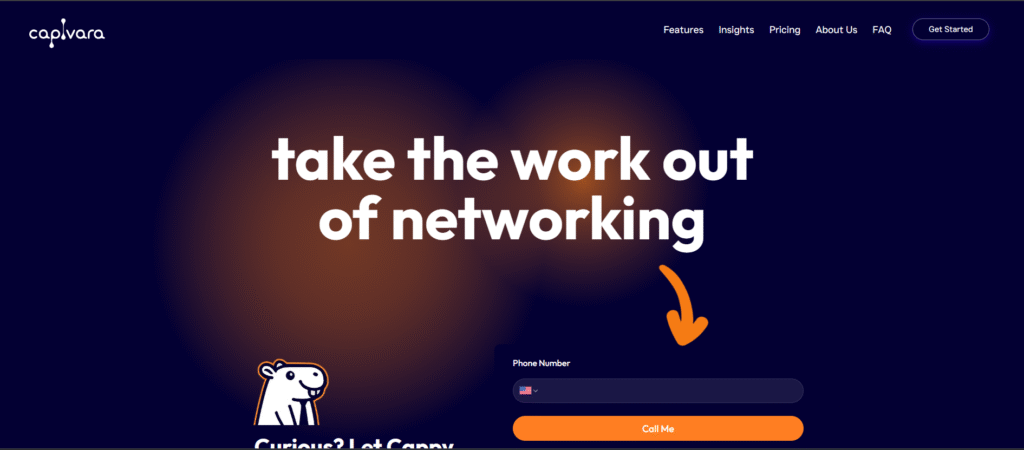
Building the World’s First AI-Powered Networking Assistant Client Capivara – AI Networking App Service Provider Product Siddha Service Product Management & MVP Development Industry Career Tech / AI / Professional Networking The Problem: Turning a Big AI Idea into a Real Product Capivara had a big vision: create the world’s first AI-powered networking assistant. This app would help people connect with others in their industry, find career opportunities, and grow their network – automatically. But there were some tough challenges: The idea was still very early. There was no working product – only a concept. The Capivara team needed help with everything: planning, design, and building the app from scratch. They had to move fast to test the idea and attract users. The Solution: Full Product Management by Product Siddha Product Siddha stepped in as the end-to-end product partner, working closely with Capivara from the very first idea through the MVP launch. Product Management from Day One Product Siddha took the lead in planning the project from scratch. This included: User journey mapping to understand how users would move through the app Writing a clear Product Requirements Document (PRD) Designing wireframes for the first version of the product Managing the project timelines and team collaboration MVP Development and Deployment The team built and launched the Minimum Viable Product (MVP) with a smart focus on core features: AI-powered matchmaking for professional networking Easy onboarding for users looking for job leads or connections A simple, user-friendly web platform that worked from day one Product Siddha worked with developers to make sure the product was delivered on time, met technical needs, and was ready to go live. The Outcome: 500+ Signups in Just 6 Weeks Thanks to the fast and focused product work: Capivara launched the MVP quickly, getting it into users’ hands for real-world feedback The platform gained over 500 professional signups in just six weeks The AI networking assistant started connecting users to headhunters and experts in their domain based on their interests and skills Early traction helped the startup attract attention from partners and potential investors The project proved the concept worked—and that there was a real need for AI-powered tools in the networking space. Additional Information: PRD CapiVara (1) (1) Conclusion: Product Management That Brings AI Ideas to Life By guiding Capivara from idea to MVP, Product Siddha turned a bold vision into a working product with real users and real results. With smart product planning, strong execution, and clear communication, Product Siddha shows how the right product management support can launch the next big thing in AI and career networking.

Case Studies, Product Management

Product Management for UAE’s First Lifestyle Services Marketplace

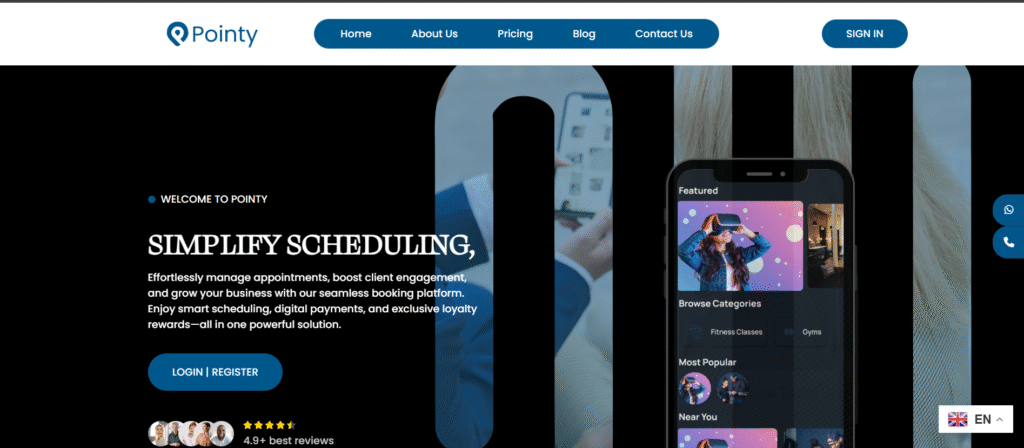
Product Management for UAE’s First Lifestyle Services Marketplace Client Pointy – A SaaS Platform for Salons & Gyms Service Provider Product Siddha Industry Health, Fitness & Beauty Tech Service Full-Cycle Product Management The Problem: Building a New Marketplace from Scratch A startup called Pointy wanted to build a first-of-its-kind marketplace in the UAE for fitness and beauty services. The goal was to create a platform where users could easily find salons, spas, and gyms in their area – and where vendors could showcase and manage their services online. But the challenges were big: There were no similar platforms in the UAE market to learn from. Pointy needed to build three different products at the same time: A vendor website for business sign-ups A B2C mobile app for users to explore and book services An AI-powered co-pilot that helped users with fitness and beauty goals They needed a product management partner who could lead from idea to execution, fast. The Solution: End-to-End Product Management by Product Siddha Product Siddha became the full product management partner for Pointy, owning the process from start to finish. Led Technical Strategy & Product Roadmap Product Siddha worked closely with the founders to define a clear product vision, roadmap, and go-to-market strategy. They made sure every team, from developers to designers, was aligned on goals and timelines. Built 3 Core Products in Sync Vendor Website: Made it easy for salon and gym owners to join, upload their info, and manage bookings. B2C App: Designed for users to search, filter, and book services quickly. It focused on great UX and mobile-first design. AI Co-Pilot: A new tool that acted like a smart guide—helping users with recommendations on fitness and beauty routines. It was the first of its kind in the region. Achieved Early Market Validation Within just one month of launching, the platform had already signed up 5 active salons. This early traction showed that there was strong demand in the market. It gave the startup proof that their idea worked—and gave investors confidence too. The Outcome: A Solid Start for a Big Vision With Product Siddha as their PM partner, Pointy was able to: Launch faster by aligning teams and focusing on MVP features Get real user feedback early to shape future updates Create a complete digital ecosystem with vendor tools, customer app, and AI innovation Validate product-market fit by securing salon sign-ups and building initial brand trust The foundation built during this phase set the stage for future growth, funding, and expansion in the UAE’s wellness and beauty tech space. Conclusion: Product Management That Turns Vision into Real-World Traction By guiding product development from idea to early market success, Product Siddha helped Pointy build a strong launchpad for its lifestyle services platform. With smart strategy, fast execution, and a user-first mindset, Product Siddha proves that the right product management partner can make all the difference.

Product Siddha
Privacy Overview

This website uses cookies so that we can provide you with the best user experience possible. Cookie information is stored in your browser and performs functions such as recognising you when you return to our website and helping our team to understand which sections of the website you find most interesting and useful.